Top Watch Movement Manufacturers Every Collector Should Know
From Swiss giants like ETA and Sellita to Japanese pioneers Miyota and Seiko, these movement manufacturers have powered generations of watches and shaped modern horology
Behind every beautifully finished watch dial lies a world of engineering, precision and centuries of accumulated knowledge. While collectors often admire the case design, complications and heritage of a timepiece, the true character of a mechanical watch begins with the movement beating beneath the surface. From the smooth rhythm of an automatic calibre to the intricate architecture of a high complication, movements define accuracy, reliability and the experience of owning a watch.
The world of watchmaking is shaped not only by famous maisons but also by specialist manufacturers whose calibres have quietly powered thousands of creations. Some focus on producing robust movements capable of lasting generations, while others push the limits of precision, innovation and technical complexity. Swiss manufacturers such as ETA and Sellita became the backbone of modern mechanical watch production, while Japanese names like Miyota and Seiko introduced a philosophy built around reliability and engineering efficiency.
For collectors, understanding movement makers adds another layer to appreciating a watch. The name on the dial may tell the story of a brand, but the calibre reveals the craftsmanship, philosophy and technology that truly drives it. Here are the movement manufacturers every serious watch enthusiast should know.
ETA
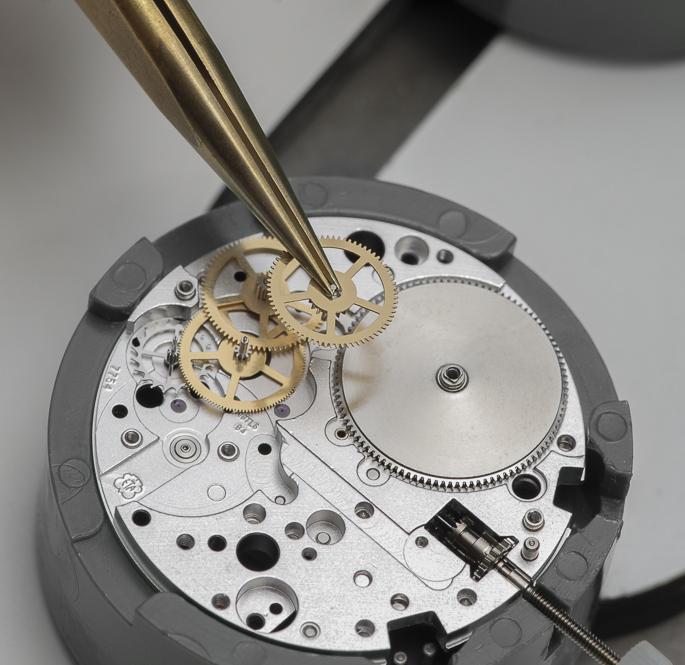
Few names in the world of watch movements carry the influence of ETA. For decades, this Swiss manufacturer has been one of the most important suppliers of mechanical and quartz calibres, quietly powering thousands of watches across the industry. A part of the Swatch Group, ETA’s history is deeply connected with the evolution of Swiss watchmaking, especially after the quartz crisis reshaped the industry in the late 20th century.
ETA became famous for creating reliable, robust and easily serviceable movements that could be used by a wide range of watch brands. Its most iconic creations include the ETA 2824, one of the most respected automatic movements ever produced, known for its durability, accuracy and straightforward architecture. Another legendary calibre, the ETA 7750 Valjoux, became one of the most widely used automatic chronograph movements in modern watch history.
What made ETA extraordinary was not just technical excellence but accessibility. It allowed smaller and larger watchmakers to focus on case design, finishing and brand identity while relying on a proven mechanical foundation. Although many luxury brands now develop more in house movements, ETA remains a benchmark for reliability and remains deeply respected among collectors who understand the importance of engineering beyond the dial.
Also Read: Breguet’s 250th Anniversary Tourbillon Honors The Legacy Of Abraham-Louis Breguet
Sellita
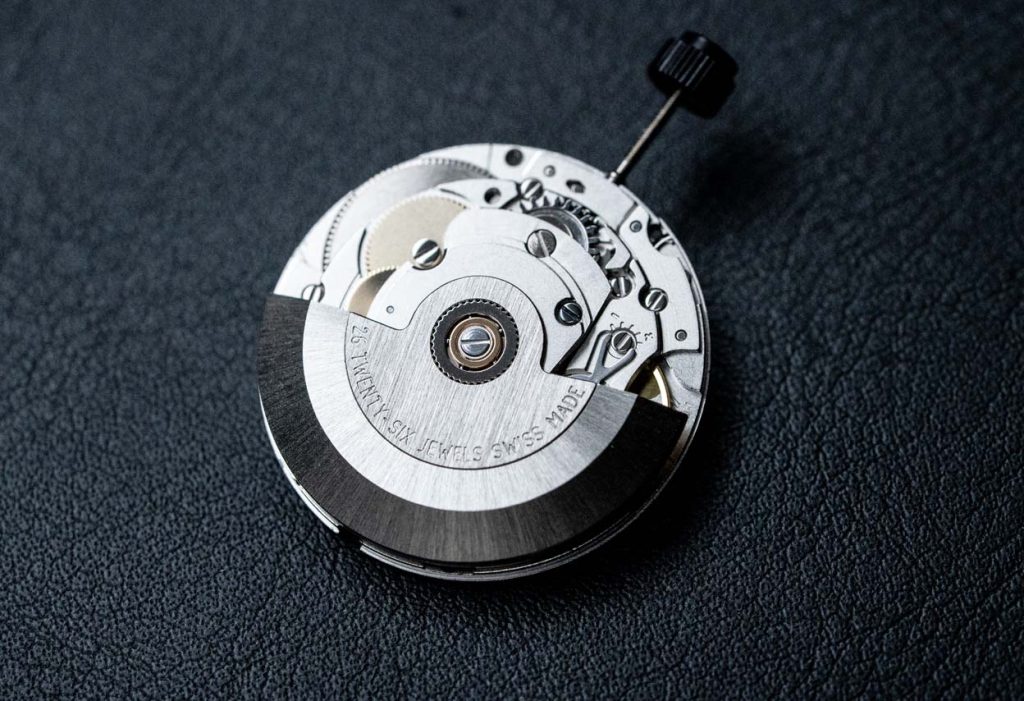
As the demand for Swiss mechanical movements continued to grow, Sellita emerged as one of the most significant independent movement manufacturers in Switzerland. Originally involved in assembling movements for other companies, Sellita eventually developed into a major movement producer, creating alternatives for brands seeking Swiss engineering outside the traditional supply chains.
Sellita’s most recognised calibre is the SW200, a movement often compared with the famous ETA 2824 architecture. Known for its reliability, smooth operation and ease of maintenance, the SW200 has become a popular choice among independent watchmakers and established brands alike.
The company’s portfolio extends beyond simple automatic movements, including chronographs, GMT movements and larger complications. Sellita represents a new chapter in Swiss watchmaking, proving that movement manufacturing is not limited only to historic maisons. Its success has made it one of the most important names behind contemporary mechanical watches. For collectors, Sellita movements highlight an important reality: the soul of a watch is not always defined by the logo on the dial, but by the engineering inside.
Miyota
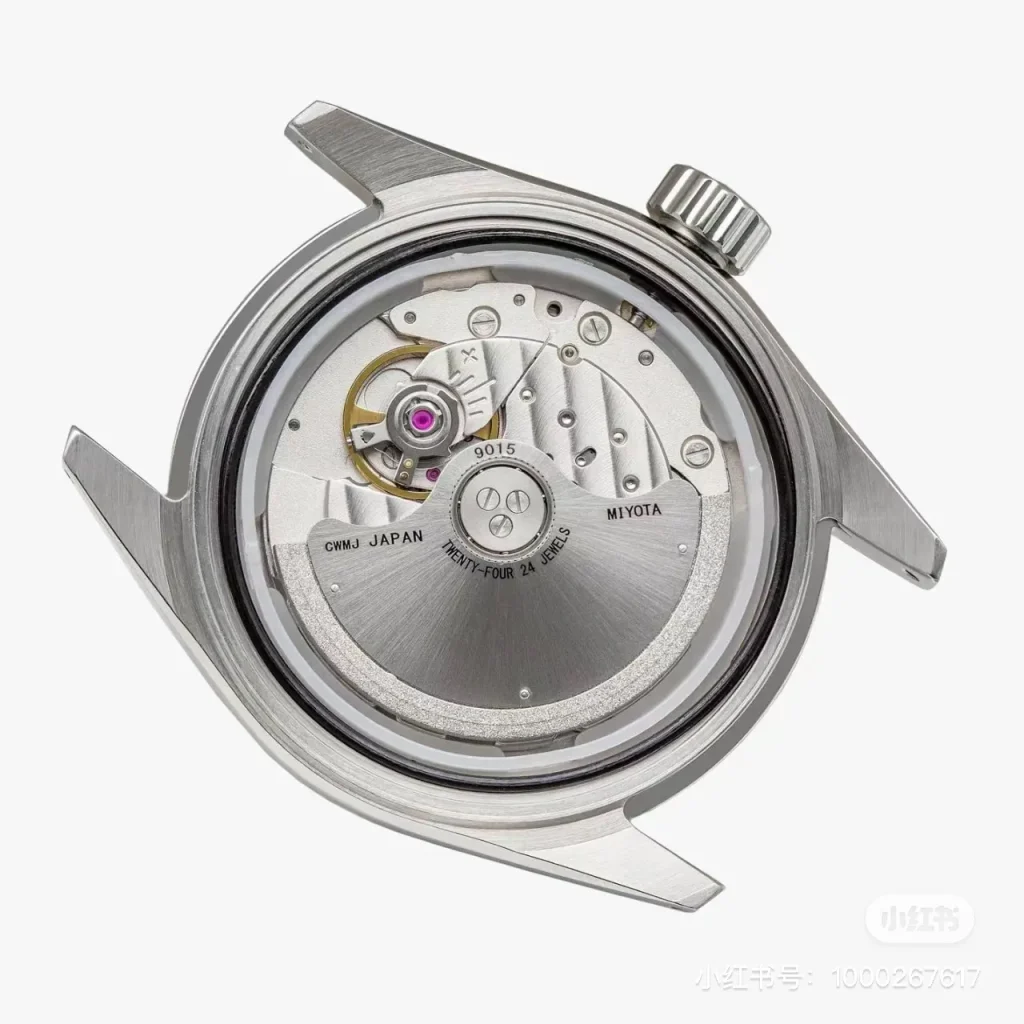
When discussing dependable watch movements, Miyota stands among the world’s most influential manufacturers. Owned by Citizen Watch, Miyota has built its reputation around producing precise, durable and affordable mechanical calibres that power watches across the globe. The company’s most famous movement family is the Miyota 9000 series, offering higher frequency automatic movements designed for improved accuracy and performance. Another widely recognised calibre is the Miyota 8215, a movement celebrated for its simplicity and long term reliability.
Unlike some Swiss manufacturers that focus heavily on traditional finishing, Miyota’s philosophy has always been about engineering efficiency and dependability. Its movements are often found in independent brands and microbrands, allowing designers to create mechanical watches without the enormous cost of developing a movement from scratch. Miyota represents the Japanese approach to watchmaking: practical innovation, precision and durability. For many collectors, a Miyota powered watch is proof that excellent engineering does not always require a century old Swiss name.
Also Read: How Luxury Watch Dials Are Made: Inside The Art And Engineering
Lemania SA
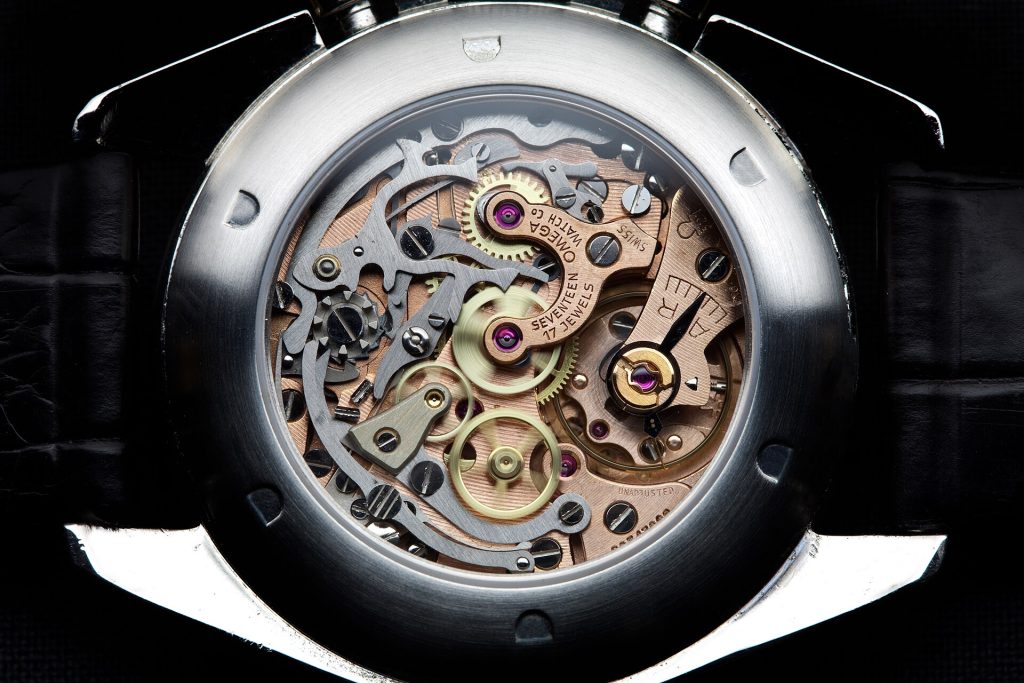
Another name deeply connected with the golden age of Swiss watchmaking is Lemania. Founded in Switzerland, Lemania became famous for producing some of the most sophisticated chronograph movements of the 20th century. Its most iconic creation, the Lemania 2310, became a benchmark for hand wound chronographs. Known for its column wheel architecture and exceptional finishing potential, the calibre powered some of the most respected chronographs ever produced. Lemania’s expertise extended beyond traditional wristwatches, with its movements also finding applications in precision timing instruments. The manufacturer’s connection with prestigious Swiss watch brands cemented its reputation as one of the finest movement specialists in horological history.
Valjoux SA
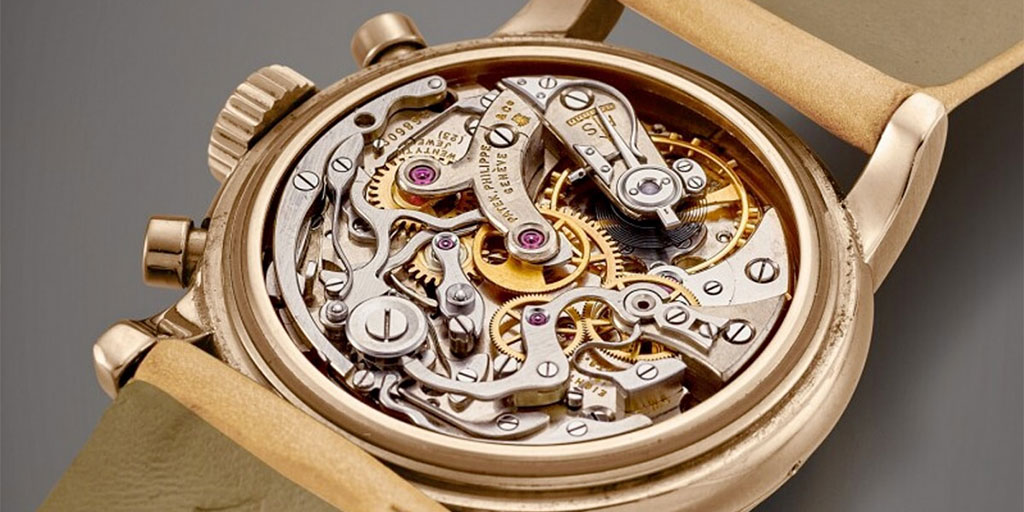
When discussing legendary chronograph movements, Valjoux remains one of the most important names in history. Originally founded as a specialist manufacturer of chronograph calibres, Valjoux created movements that became synonymous with performance, reliability and precision timing. The most famous creation associated with Valjoux is the Valjoux 7750, a self winding chronograph movement introduced in the 1970s. Its robust architecture, automatic winding system and integrated chronograph design made it one of the most successful mechanical chronograph movements ever produced. Over the decades, Valjoux movements powered countless sports watches, pilot watches and professional timepieces. Today, the Valjoux legacy continues through ETA’s chronograph production, preserving one of the greatest chapters in mechanical timing history.