

Before luxury became about private jets, designer logos and members-only everything, there was Roshanara Club. Tucked away in North Delhi, close to the historic Roshanara Bagh, this century-old institution has survived imperial rule, Independence, the transformation of Delhi and several generations of sporting obsessives. It has hosted cricket, cultivated social circles and, most importantly, acquired a rather extraordinary place in the history of Indian sport. This is where the meetings that led to the creation of the Board of Control for Cricket in India took place. And if that sentence does not make the cricket fan in you sit up, perhaps you have wandered into the wrong club.
Roshanara Club has spent more than a century occupying a peculiar space between sporting institution, heritage property and social club. Today, following a turbulent period involving its leases and the Delhi Development Authority, it is being restored and repositioned with a new membership scheme. Which means that, rather unusually, one of Delhi’s oldest clubs is once again talking about who gets to come through the gates.
It Started in 1922
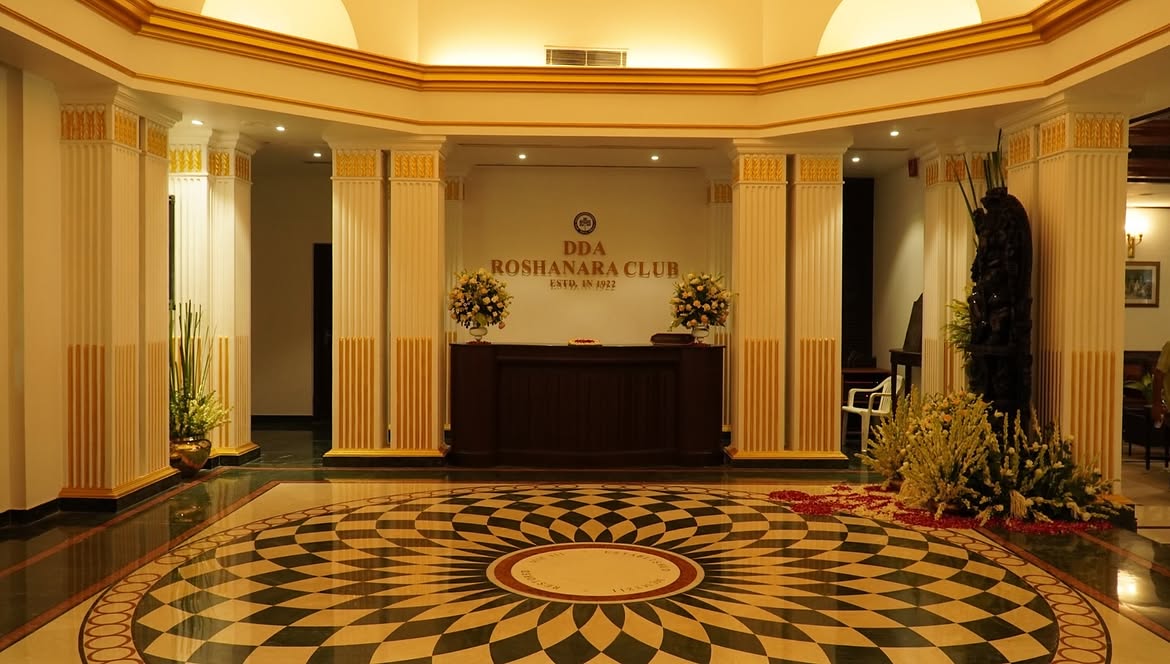
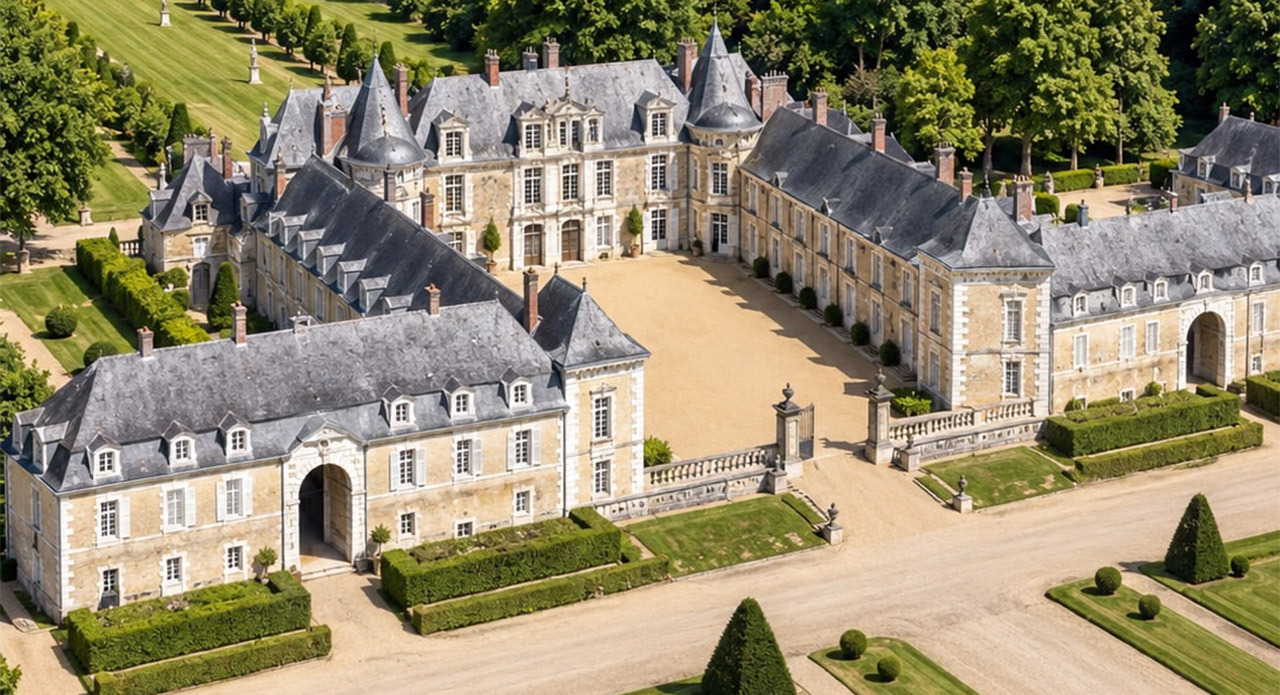
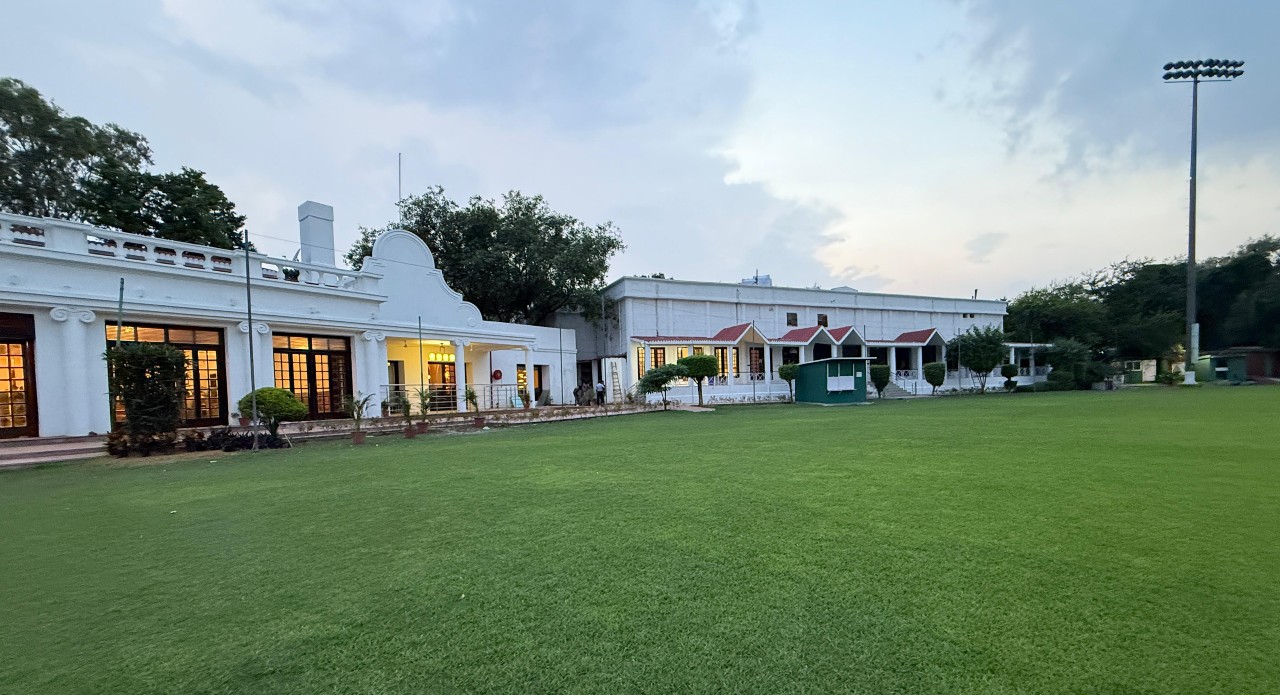
Roshanara Club was established on 15 August 1922, during the British Raj, as a sporting and recreational institution in North Delhi. The club occupies a sprawling estate near Roshanara Bagh, an area whose history predates the club by several centuries. Its setting gives it an unusual advantage. Unlike many modern private clubs that have had to manufacture an atmosphere of exclusivity with marble, chandeliers and increasingly ambitious menus, Roshanara already had the one thing money cannot easily reproduce.
The original land arrangements were made through leases granted during British rule. According to the Delhi Development Authority, two parcels were leased to Roshanara Club Ltd, with the first lease commencing in September 1922 and the second in January 1928. The total area under those leases was about 23.29 acres. The leases eventually expired in 2012 and 2017, setting the stage for the legal and administrative battle that would later transform the club. But before all that, Roshanara had another appointment with history.
The Club Where Indian Cricket Changed Forever
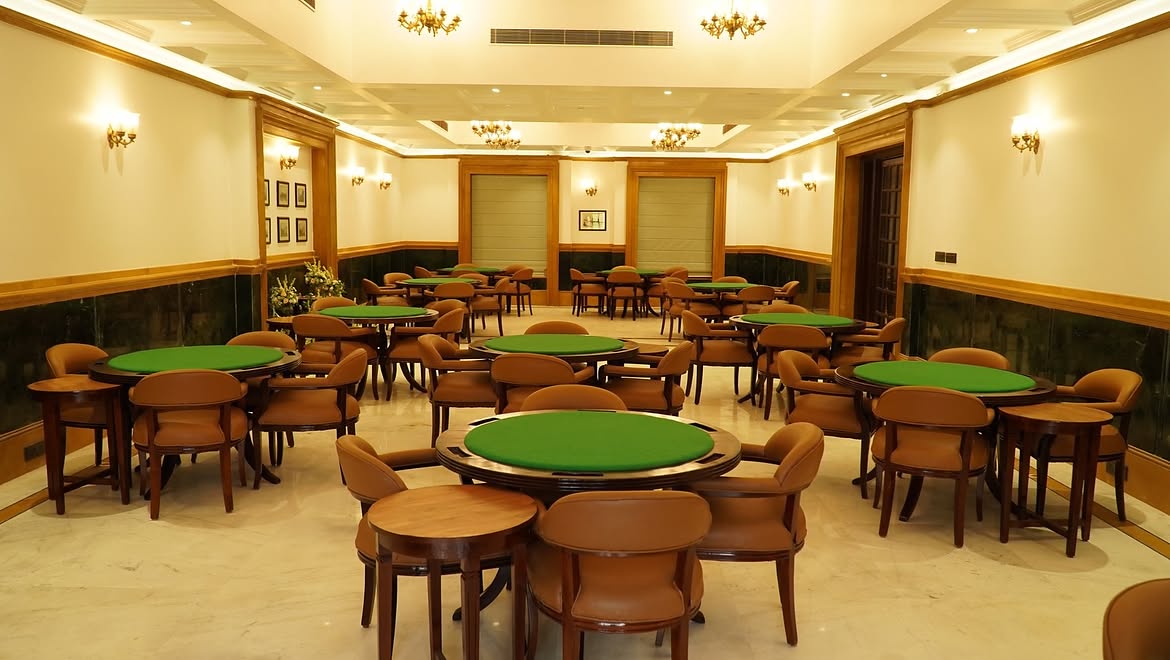
This is where things become considerably more interesting. Roshanara Club is popularly known as the birthplace of the BCCI because meetings concerning the creation of an all-India cricket body were held here in the late 1920s. On 21 November 1927, a major meeting in Delhi brought together representatives from various regional cricket associations and princely states. The idea was straightforward enough: Indian cricket needed a central governing organisation capable of arranging matches, settling disputes and representing the country internationally. Roshanara was central to those discussions.
A subsequent meeting at the club in December 1928 is associated with the formal creation of the BCCI, with R. E. Grant Govan becoming its first president and Anthony de Mello serving as secretary. There is, however, a small historical footnote worth preserving. The BCCI’s own official account records that a provisional Board of Control was formed at Bombay Gymkhana on 10 December 1927, while the permanent BCCI was formally established in Mumbai in December 1928.
So calling Roshanara the ‘birthplace of the BCCI’ is fair in the historical sense that the crucial Delhi meetings and groundwork happened there, but it should not be confused with saying the organisation was legally incorporated at the club. Still, imagine being able to say that one of the world’s most powerful sporting organisations was conceived in your clubhouse. Suddenly the membership fee looks rather less ridiculous.
Also Read: Inside Delhi Gymkhana Club: How Silent Luxury in India Was Built On Power, Access And Legacy
The Club Gets a Second Life
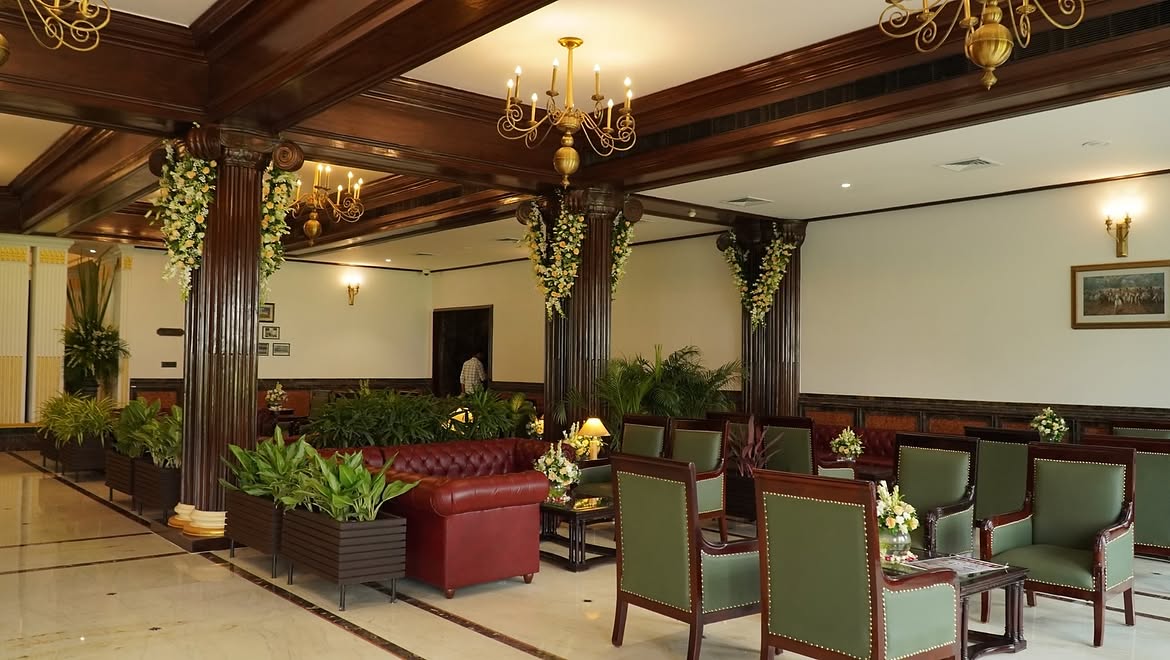
The story, however, did not end with the sealing. The DDA subsequently moved towards restoring and modernising the property while retaining its heritage character. The club now has upgraded sporting infrastructure alongside its historic setting. Facilities include cricket grounds and practice pitches, badminton and squash courts, tennis, a swimming pool, fitness facilities, billiards, a library, children’s play areas, dining and banquet spaces and a jogging track. Coaching is also available in selected sporting disciplines.
The approach is interesting because it avoids the usual heritage dilemma. You can preserve an old building so carefully that nobody actually uses it, or you can allow it to evolve until there is nothing old left. Roshanara is attempting something in between. Keep the history, Upgrade the facilities, and, presumably, try not to accidentally turn a 104-year-old club into a shopping mall with tennis courts.
So How Much Does Membership Cost?
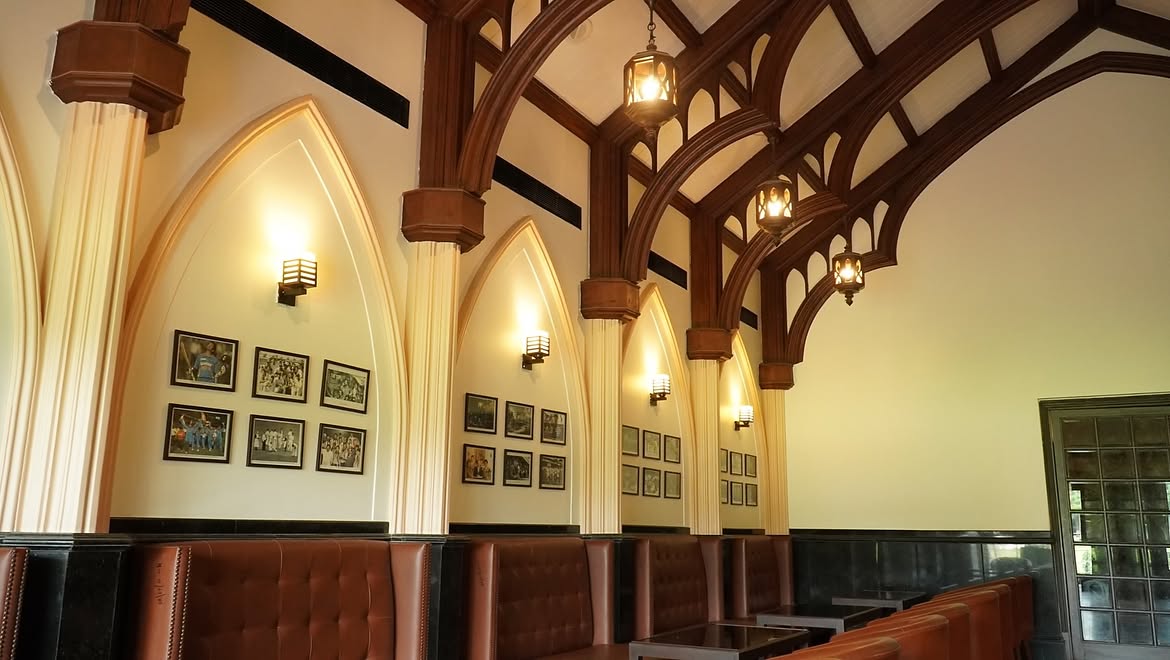
Here is the part everyone actually wants to know. In 2026, the DDA opened a new lifetime membership scheme offering 750 memberships. Of these, 400 are allocated to the non-government category, while 350 are reserved for government and PSU applicants. For non-government applicants, the lifetime membership fee is INR 12.5 lakh plus GST. For government and PSU applicants, it is INR 4 lakh plus GST. The scheme is particularly interesting because this is not simply an attempt to recreate the old club.
It is effectively creating a new generation of members for a historic institution. And that makes Roshanara rather different from the traditional old-membership club model, where access could be dependent on recommendations, family connections and years spent waiting for a vacancy. Here, the history is old, and the membership model is considerably newer.