

Fashion feels most powerful when it draws on the familiar – a silhouette you once loved as a child, or the fabric of your mother’s favourite Sunday dress. That idea sits at the heart of Stella McCartney’s design approach, shaped by a belief in fluid, genderless design and a lifelong commitment to clothes that are made to be kept, repaired and worn again.
Stella McCartney has always done things her own way. Long before sustainability became an “it” word in the industry, she had already built her label around it. Long before ease became part of everyday dressing, she was reworking tailoring into something softer, more fluid, less defined by gender. Her clothes have never chased trends, and that steady point of view is what keeps them feeling relevant and chic even today.
The Stella McCartney H&M Collection
Her return to H&M brings that point of view back into focus. When H&M and Stella first collaborated in 2005, it marked one of the retailer’s earliest designer partnerships and set the tone for everything that followed. H&M has spent years refining its design collaborations, while McCartney returns with a clearly defined language that no longer needs introduction. It brings her design language into H&M’s world in a way that still feels recognisably hers.
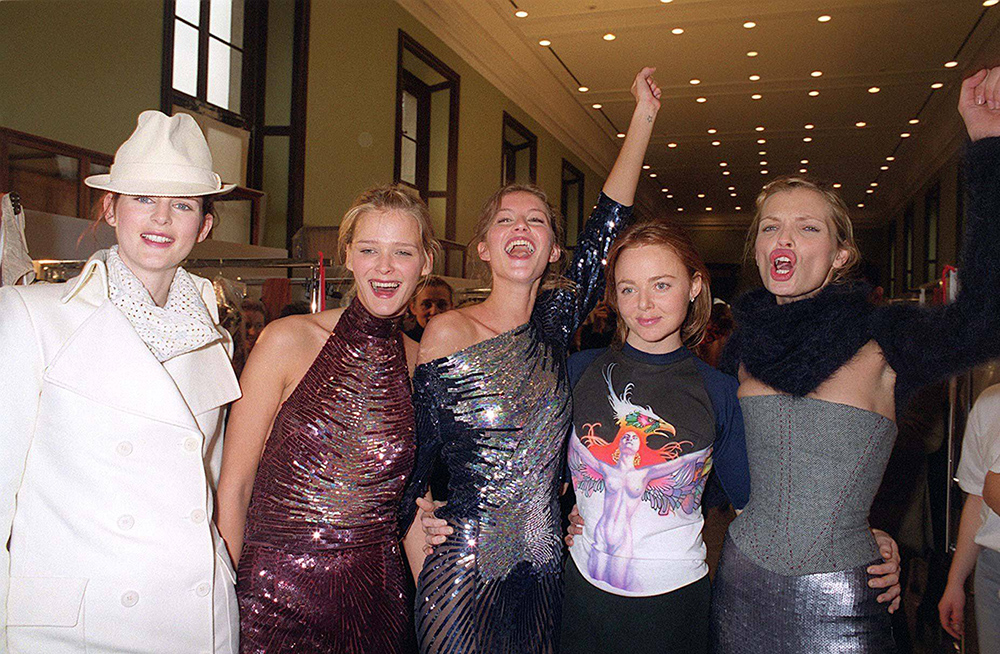
Launching on 7 May, the collection draws from across her career, bringing together familiar signatures and early references in a nostalgic way. Pieces that have come to define her, like oversized shirts, sweeping outerwear and relaxed tailoring, sit alongside playful elements pulled from the archive.
Stella McCartney Launches New Sustainable Collection With H&M
Material choices ground this new collection. Recycled fabrics run throughout, alongside organic cotton and coated materials developed from alternative sources such as industrial corn and recycled vegetable oils. Wool is sourced in line with the Responsible Wool Standard, keeping attention on traceability and production practices. It reflects both McCartney’s long-standing priorities and H&M’s broader push toward more responsible materials at scale.
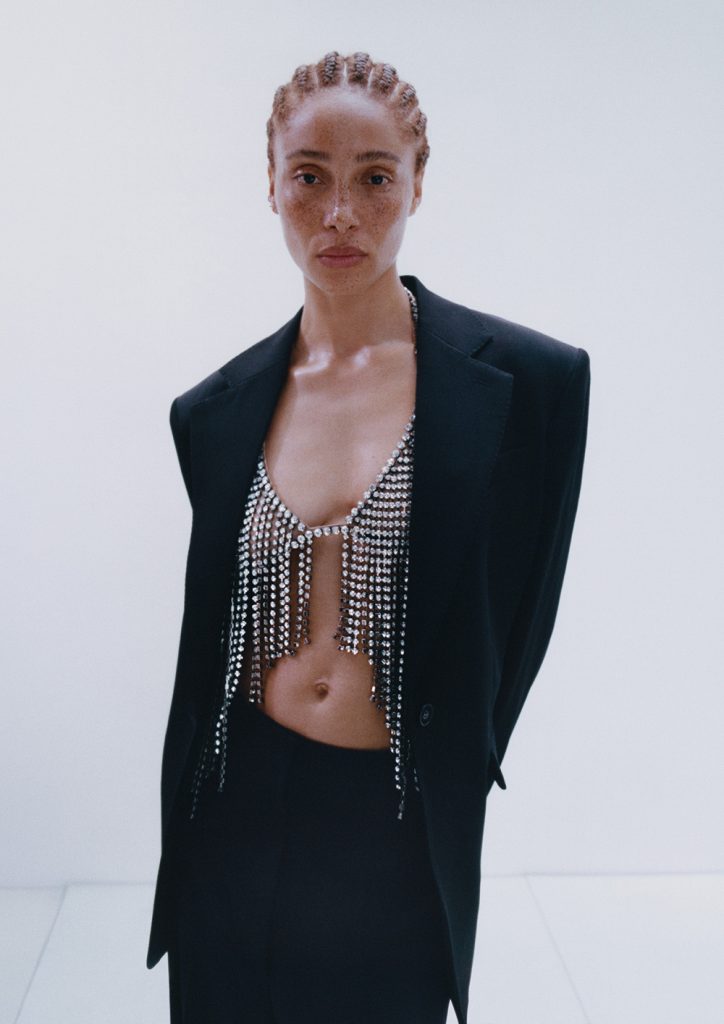
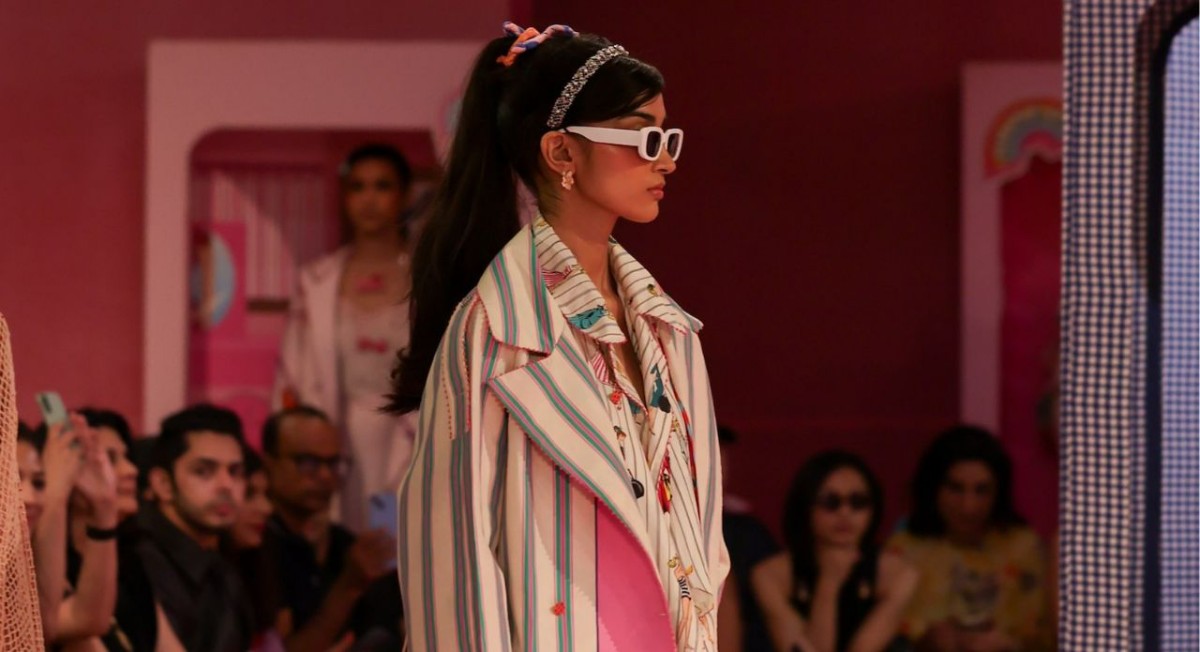
Tailoring anchors the collection. Grey melange suiting appears in relaxed proportions, with double-breasted jackets and wide trousers that shift away from anything too rigid. It carries McCartney’s approach to power dressing, but in a way that feels easier to wear.
What’s Unique About Stella McCartney X H&M 2.0?
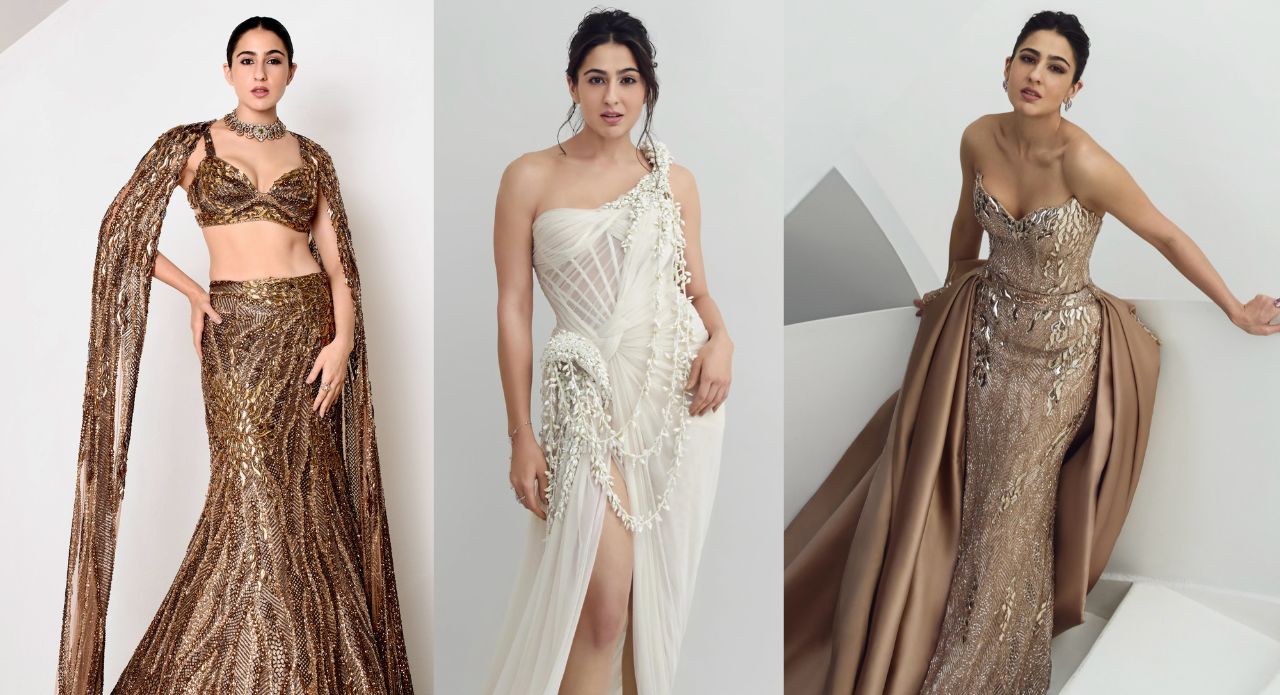
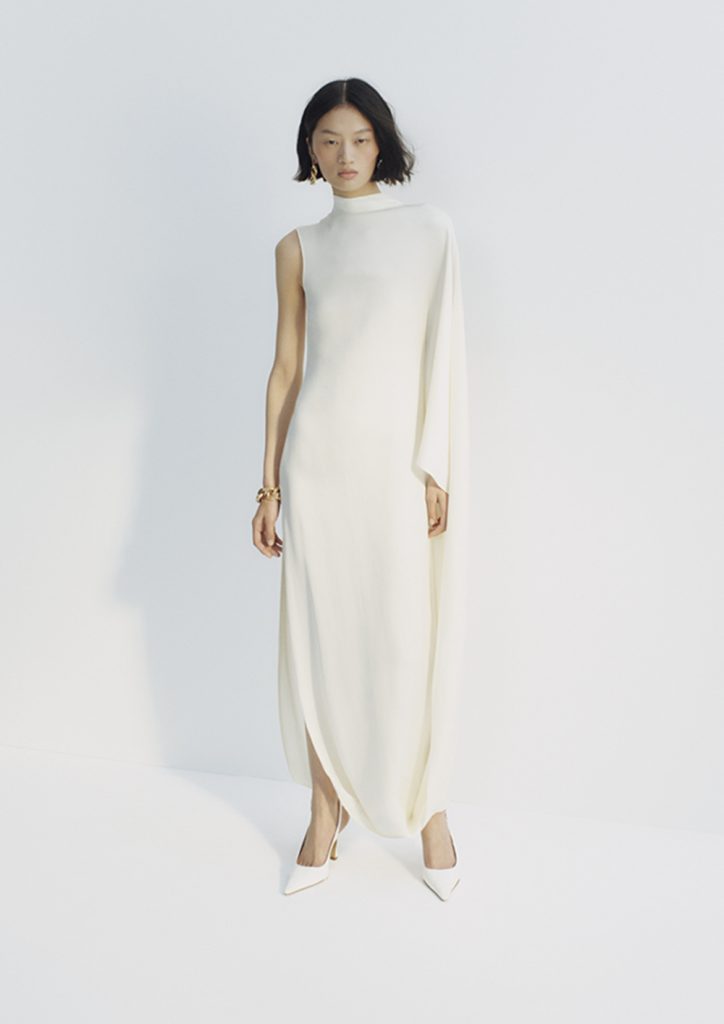
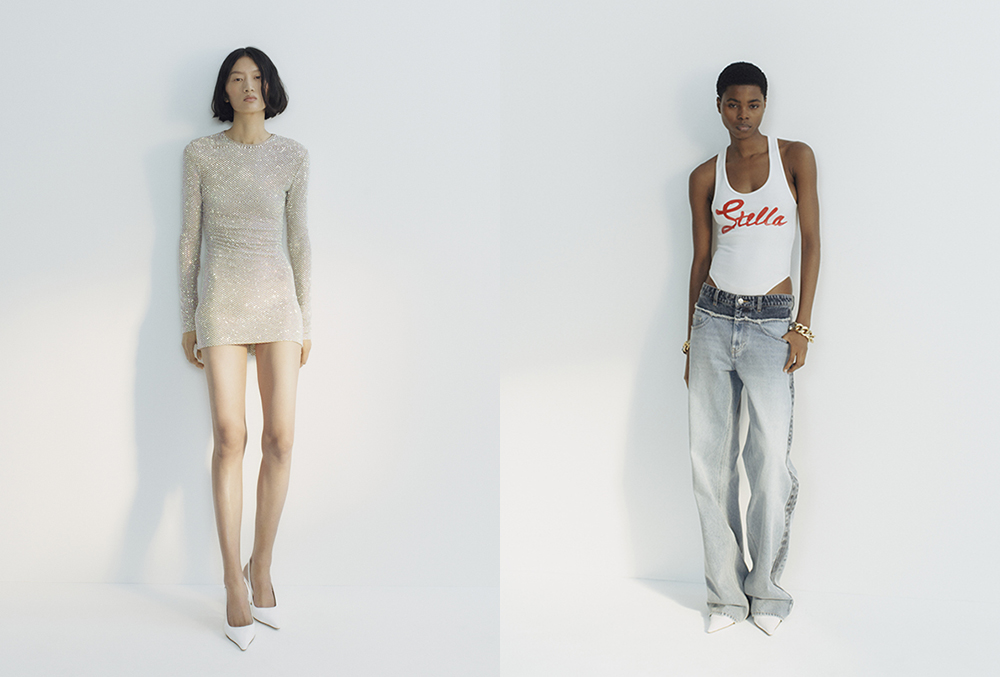
Eveningwear follows the same instinct. A white gown with a sweeping, cape-like sleeve creates a strong silhouette without feeling heavy. Shorter dresses introduce texture through ruching, chiffon and subtle embellishment, including a red polka dot mini that adds a sharper note. A halter-neck top held by a fine chain and knit pieces finished with the Falabella chain bring in elements that move between day and evening without much effort.
There is a steady balance running through the collection. Structured pieces are offset by softer ones, tailoring is paired with more decorative elements, and embellishment is used without overwhelming the look. The chain motif appears across garments and accessories, linking everything back to one of her most recognisable signatures.
Denim and casualwear introduce a more relaxed tone. Baggy, low-slung jeans with cut-out details sit alongside layered styles. Hoodies and t-shirts carry graphic references, including a white horse motif and a “Rock Royalty” design that nods to her earlier years. These pieces bring a sense of personality that keeps the collection from feeling too polished.
Accessories build on that same language. Bags, jewellery and footwear pick up on chain detailing and clean, sculptural shapes, offering pieces that are both practical and trendy. The scale of the offering also reflects H&M’s role here, translating McCartney’s design codes into something that reaches far beyond the runway.
What makes this collaboration land is its sense of timing. It does not rely on looking back for effect. Instead, it shows how those earlier ideas hold up now, and how they can be reworked for a wider audience without losing their intent.
Stella McCartney Spills It All
To mark her return to H&M, Stella McCartney reflects on the journey, the memories and the mindset behind the collection.
This partnership marks your second collaborative collection with H&M, twenty years after the first. Why did it feel like the right time to reignite the partnership?
It felt right because the conversation has finally caught up. Twenty years ago, people called me an “eco weirdo” because I was talking about cruelty-free fashion and alternative materials when people weren’t even asking those questions. Back then, it could feel quite lonely pushing that agenda. Today, we understand that the biggest environmental impact in fashion comes from what clothes are made of and how they’re produced. Conventional cotton alone uses huge amounts of water and chemicals, and virgin synthetics are tied to fossil fuels. In this collection, we’re using organic cotton, recycled polyester, Bailu-ECO ™ and Ecojilin™ viscose and textiles made from agricultural waste, because those material choices reduce impact compared to the conventional alternatives. Even the embellishments are made from recycled glass and metal. Coming back together now with H&M felt like a chance to look at how far we’ve come on this topic but also to be honest about how much work there still is to do. Using H&M’s scale means those choices don’t stay niche, they become normal.
How is this new collection different from the first one? And how is it similar?
The intention is very similar, but the tools are completely different. From the start of my brand, I’ve believed that accessible fashion shouldn’t come at the expense of your values – I have never used leather, feathers, furs or exotic skins in any of my collections. What’s changed is that now the materials have finally caught up with that ambition. We can work with beads made from recycled glass, recycled fibres and RWS certified wool without compromising on design or feel. Similarly, recycled polyester reduces reliance on virgin oil, while organic cotton is grown without the use of artificial pesticides or fertilisers, but both look and feel great. What hasn’t changed is my refusal to use leather or fur, and my belief that fashion can be desirable, modern and responsible in material choices at the same time. That consistency has defined my work for over two decades.
This collection looks back to the history of your brand. How did you decide what to include?
Reworking pieces from my archive brought back so much energy and joy. I didn’t want it to feel like a museum, though. I wanted it to feel alive. We looked at pieces that really say something about who we are and combined them with designs that reflect where the brand is today. No leather, fur, feathers or exotic skins are used in this collection, as it always has been, and the fabrics are chosen very deliberately, whether that’s recycled cotton, certified wool or Bailu-ECO™ and Ecojilin™ viscose. I mean, we have a bomber crafted from agricultural waste with a coating made partly with vegetable oil, for example. I’ve always believed that materials matter just as much as silhouette, because they drive most of fashion’s environmental footprint. This collection feels like a dialogue between past and present, showing how long those values have been part of my work.
What early moments or pieces did you find yourself revisiting, and why now?
A lot of my early work was about confidence and longevity, pieces that weren’t trend-led but personal. That approach came from instinct, but it’s become even more relevant now, when overproduction and waste are some of the industry’s biggest challenges. Clothes shouldn’t be disposable. From the beginning, I wanted people to form a relationship with what they wear. Working with durable materials like wool, thoughtfully engineered synthetics and embellishments like recycled glass beads and recycled metal chains means these pieces are designed to last, to be re-worn and kept. Revisiting those early ideas now felt right because the industry is finally recognising that sustainability isn’t only about innovation, it’s also about designing things to stay in use for longer.
Some pieces reference iconic fashion moments. What do those mean to you today?
They’re very emotional, but they’re also practical. Those moments are tied to friendships, memories and a sense of freedom, which is what fashion has always been about for me.
Referencing familiar shapes and moments helps people connect to the clothes instantly, and that connection really matters. I grew up with parents who shared one wardrobe, which is why I became so obsessed with tailoring, for example – it dissolves any line between masculine and feminine. If someone loves a piece, they’re more likely to keep it, repair it and wear it again. When those pieces are made from organic cotton or recycled fibres, you’re reducing impact at the same time. For me, fashion makes sense when creativity, emotion and responsibility are working together. That balance has always guided my work, and it still does today.
Also Read: 10 Reasons Jonathan Anderson’s Dior Show Has The Fashion World Obsessed