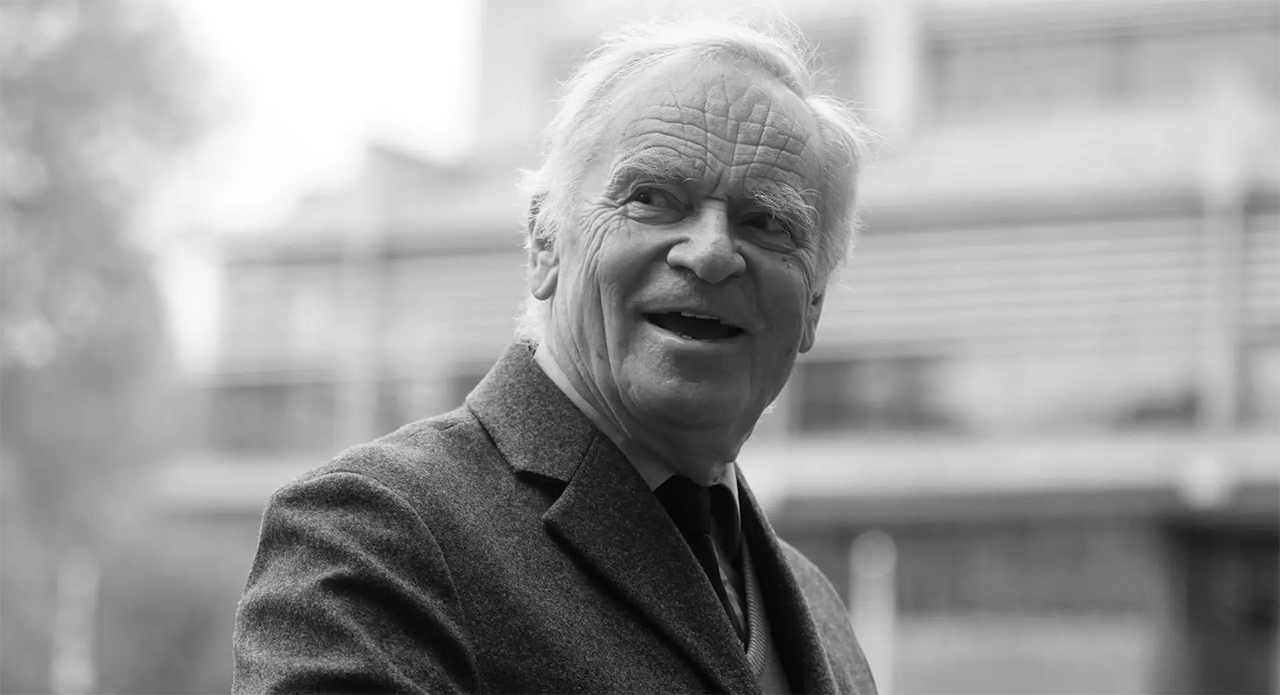


Jeffrey Archer, just a day before the release of what he had called his final novel, leaves behind a body of work that sold more than 275 million copies across 47 languages, a testament to a storyteller who understood, perhaps better than any of his contemporaries, that readers don’t remember plots so much as people. Across five decades and dozens of novels, Archer populated his fiction with characters who felt less invented than overheard, ambitious men and women shaped by rivalry, reinvention and the particular English obsession with class and ascent. His own life, marked by extraordinary highs and equally extraordinary falls, from Parliament to prison and back to the bestseller list, seemed to feed directly into the characters he created, each one testing how far ambition could carry a person, and what it might cost them along the way. As the world remembers Archer the storyteller, it is worth remembering him through the very people he left on the page.
Kane and Abel
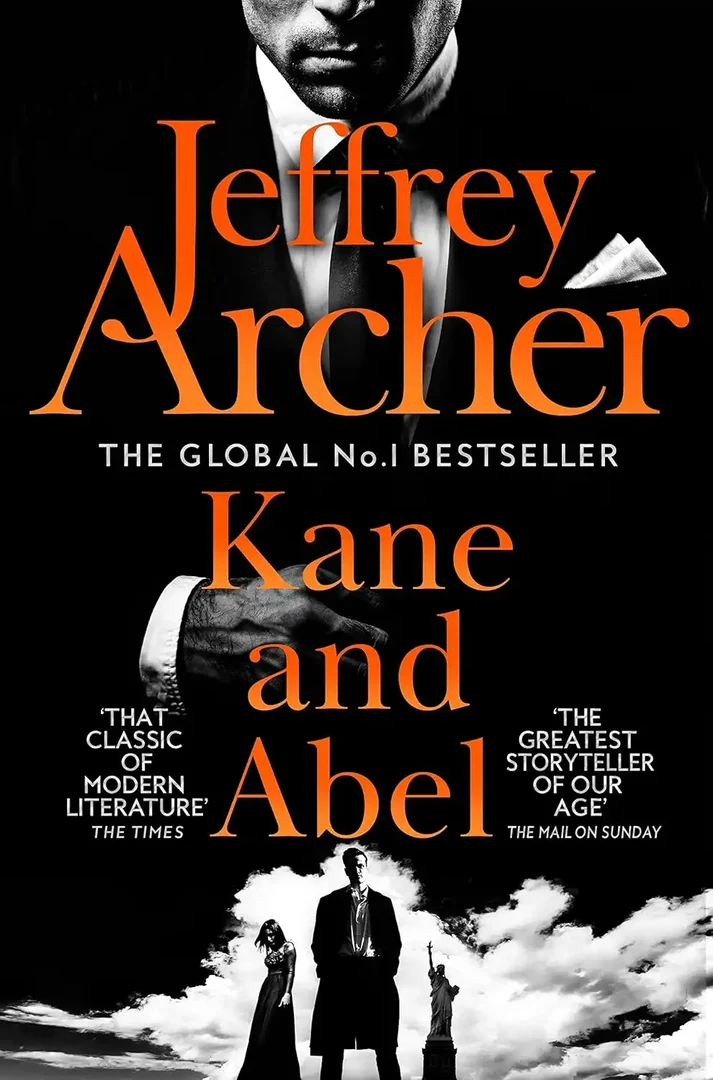
William Lowell Kane and Abel Rosnovski, the twin protagonists of Archer’s 1979 breakout novel Kane and Abel, remain perhaps his most famous creation: two men born on the same day in 1906, one into American banking wealth, the other into Polish poverty, whose lives become locked in a decades-long rivalry neither can fully escape. The novel’s enduring power lies in its refusal to make either man simply hero or villain; both are driven, flawed and entirely believable, and their story set the template for the sweeping, generation-spanning sagas that would define much of Archer’s career.
Also Read: Jeffrey Archer Residence: Where Does the Author Live?
Harry Clifton
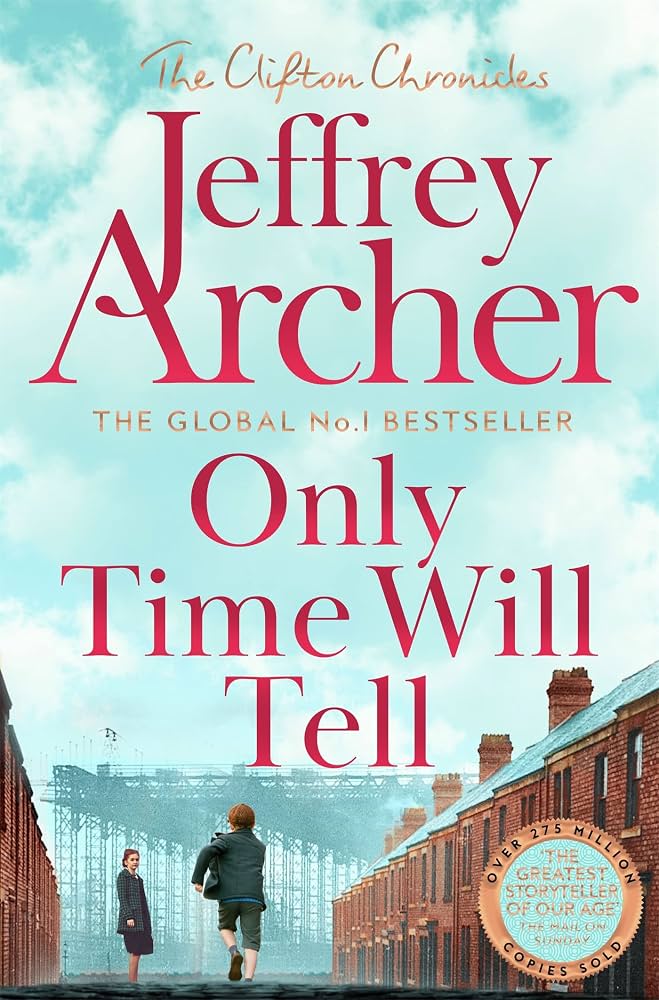
Harry Clifton, the central figure of Archer’s seven-volume Clifton Chronicles beginning with Only Time Will Tell in 2011, is a working-class boy from Bristol whose uncertain parentage sets off a family saga spanning the twentieth century. Through war, imprisonment and a writing career that mirrors Archer’s own preoccupations with storytelling and reinvention, Harry remains one of Archer’s most quietly resilient protagonists, a man defined less by ambition than by decency under pressure.
Emma Barrington
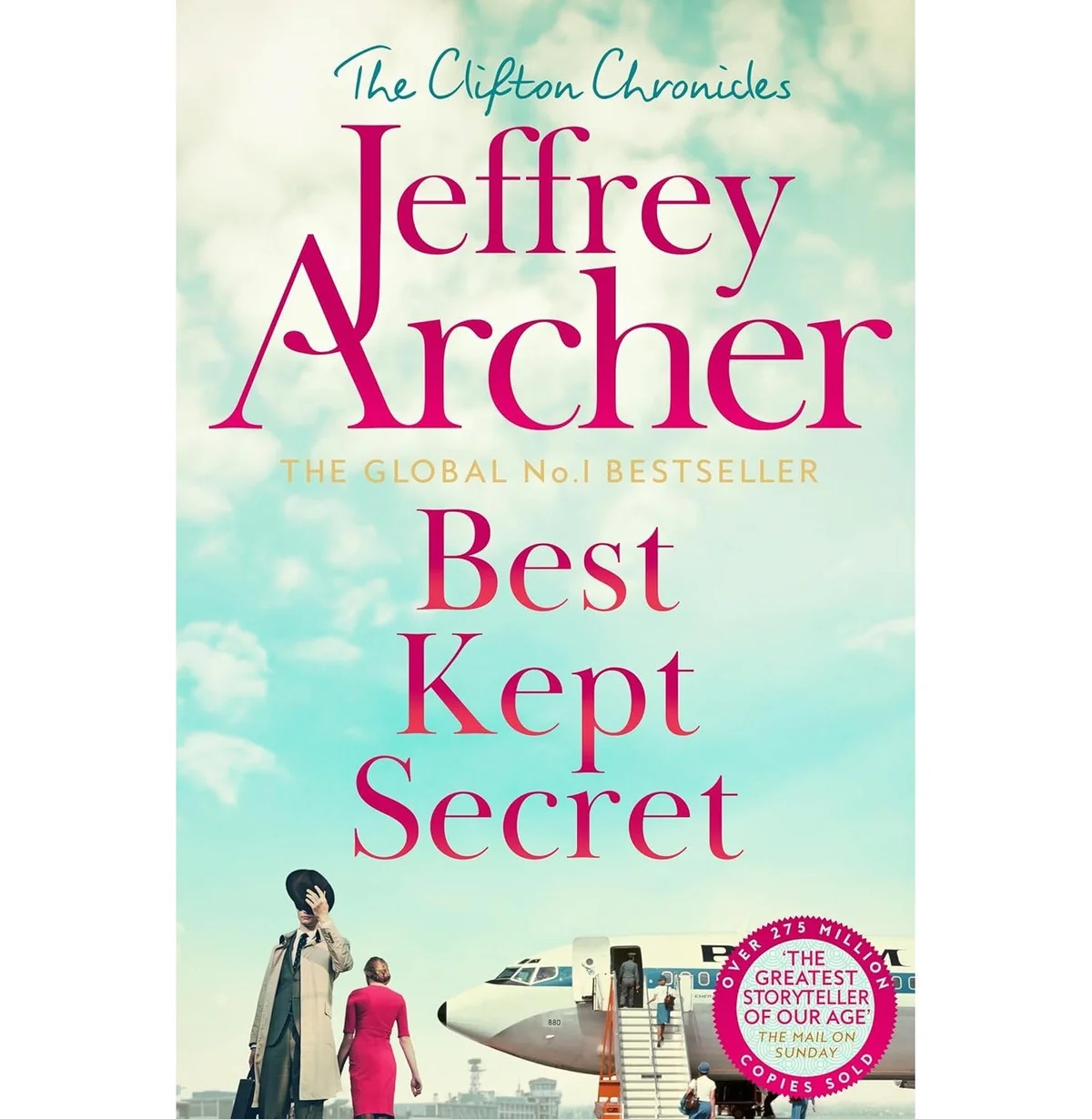
Harry Clifton’s equal and eventual wife, Emma Barrington, emerges across the Clifton Chronicles as one of Archer’s sharpest studies in female ambition, navigating shipping-industry boardrooms and family secrets with a determination that never asks permission. In a body of work often centred on male rivalry, Emma stands out as proof that Archer was equally capable of building a complex, driven woman at the heart of his sagas.
Detective William Warwick
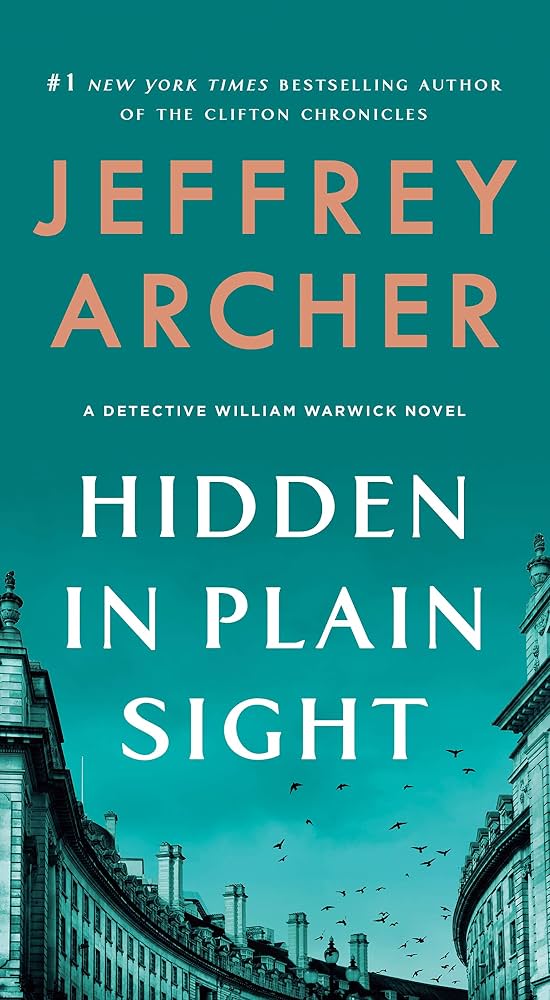
In the final chapter of his writing life, Archer turned to crime fiction with the William Warwick series, following a Scotland Yard detective’s rise through the ranks of British policing. Warwick became something of a late-career passion project for Archer, who often spoke of wanting to see the series through to its conclusion, and the character’s procedural, methodical pursuit of justice offered a notable contrast to the sweeping ambition of Archer’s earlier sagas.
Florentyna Kane
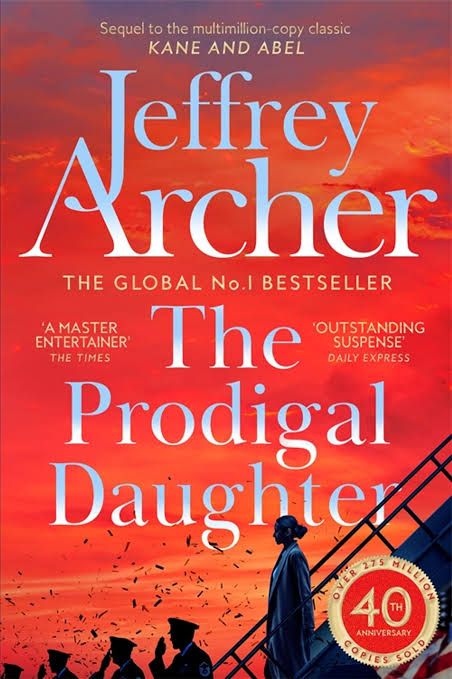
In The Prodigal Daughter, the sequel to Kane and Abel, Archer handed the spotlight to Florentyna Kane, daughter of banking magnate William Kane, whose political ascent culminates in her becoming President of the United States, decades before such a storyline felt anything less than audacious for a mainstream thriller. Florentyna remains one of Archer’s boldest creations, a character who let him explore political ambition at its absolute summit, filtered through a woman’s determination to succeed entirely on her own terms.
Taken together, these five characters trace the arc of Archer’s own imagination, from the rags-to-riches sagas that made his name to the late-career detective fiction he never quite finished. Few authors leave behind casts this vivid, or this varied, and fewer still manage to make ambition, in all its triumph and cost, feel so thoroughly human.