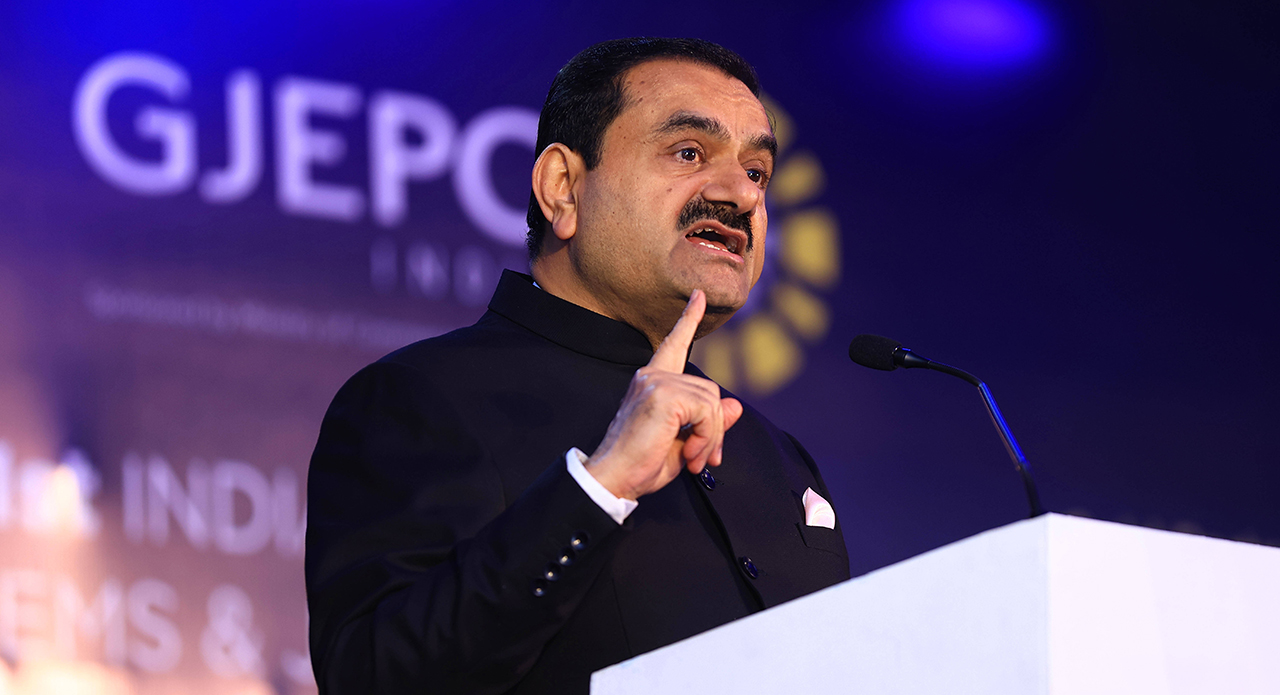


In the volatile world of global wealth rankings, fortunes shift with market sentiment, policy changes, and timing that often feels almost arbitrary. But every so often, the numbers point to something bigger than markets alone, a mix of ambition, risk-taking, and long-term bets that finally come together.
Gautam Adani Overtakes Mukesh Ambani To Become Asia’s Richest
According to the latest Bloomberg Billionaires Index, Gautam Adani has beat Mukesh Ambani to become Asia’s richest man, with an estimated net worth of $92.6 billion compared to Ambani’s $90.8 billion. The update places Adani at 19th globally, with Ambani just behind at 20th.
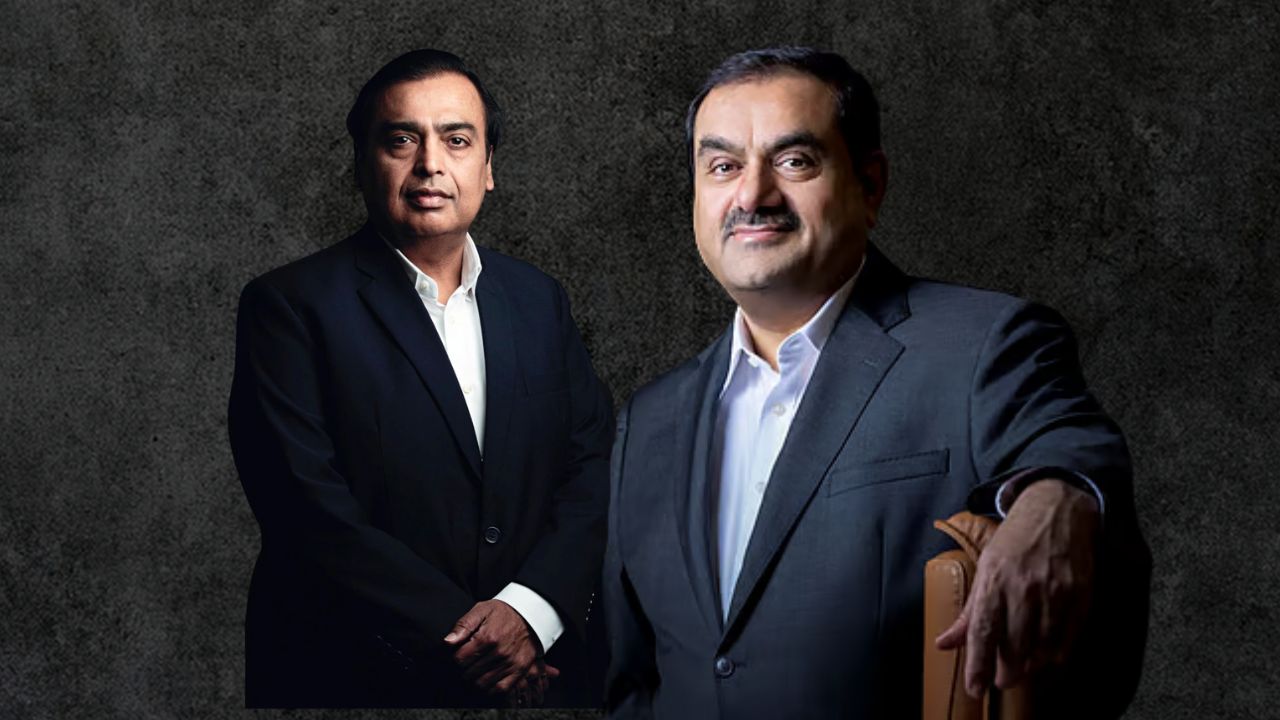
For India, it is less a dramatic takeover and more a reshuffling between two industrial heavyweights who have defined the country’s corporate story in very different ways. Ambani, as chairman of Reliance Industries, built his empire through oil, refining, and a later push into telecom and digital services. Adani’s rise, meanwhile, has been rooted in infrastructure – ports, power, logistics, and commodities – the physical systems that keep India’s economy moving.
The global picture is still firmly led by technology wealth. Elon Musk remains at the top, followed by names like Jeff Bezos, Larry Page, and Mark Zuckerberg, reflecting how digital companies continue to dominate the upper end of global wealth. Adani’s trajectory, however, is often remembered less for where he stands today and more for where he started.
Rs 500 To A Business Empire
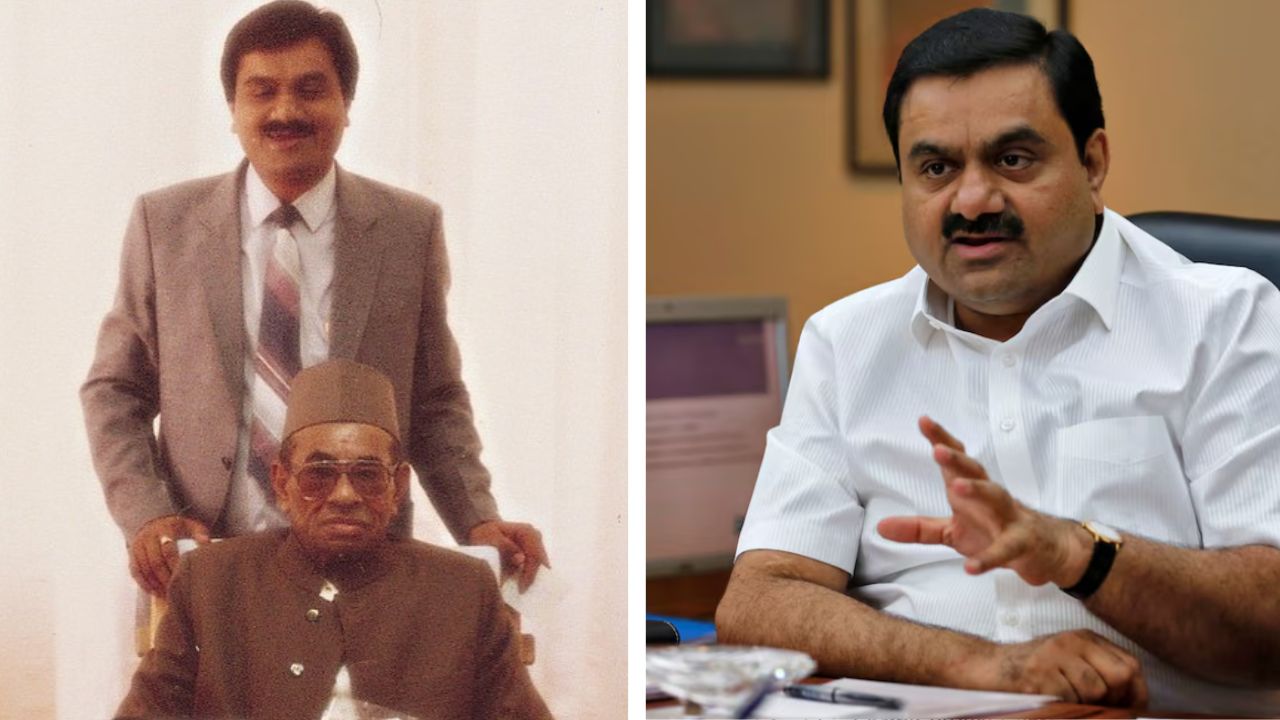
Long before he entered the billionaire rankings, Adani left home in 1978 as a teenager with about Rs 500 and little certainty about what came next. He dropped out of school at 16, moved to Mumbai, and briefly worked in the diamond trade before returning to Gujarat to help with a small family-linked packaging business. It was a scrappy beginning – small deals, uneven progress, and no clear sign that it would eventually scale into one of India’s largest conglomerates.
Fast forward to almost five decades later, he has risen to become one of the world’s richest men, driven by sustained ambition and long-term focus.
Also Read: The 1% Itinerary: Where The World’s Billionaires Are Headed In 2026
Two Close Encounters With Death
Alongside that rise, Adani’s life has also included moments that veered far away from balance sheets and the safety of his office room.
One of the most widely reported incidents came during the 2008 Mumbai terror attacks. On November 26, Adani was at the Taj Mahal Palace Hotel when terrorists entered the building. He has said he was about to leave after a meeting with visiting associates from Dubai but stayed back for a casual discussion over coffee. As the situation escalated, hotel staff led him and others through a rear exit into a safer area. In several interviews after the incident, he has even said he caught a glimpse of the attackers.
A decade earlier, in 1998, he faced another reported incident in Ahmedabad. According to police records cited in media reports, Adani and his associate Shantilal Patel were allegedly intercepted after leaving the Karnavati Club and taken away by armed men. A ransom demand was reportedly made before both were released unharmed.
It is a side of his story that rarely sits alongside the headlines about net worth and rankings. But it adds a different texture to his rise – one marked not just by economic risk and aggressive expansion, but by moments where the stakes were far more immediate than business alone.
Also Read: This Indian Billionaire Just Paid A Jaw-Dropping Rs 167 Crore For A Raja Ravi Varma Painting