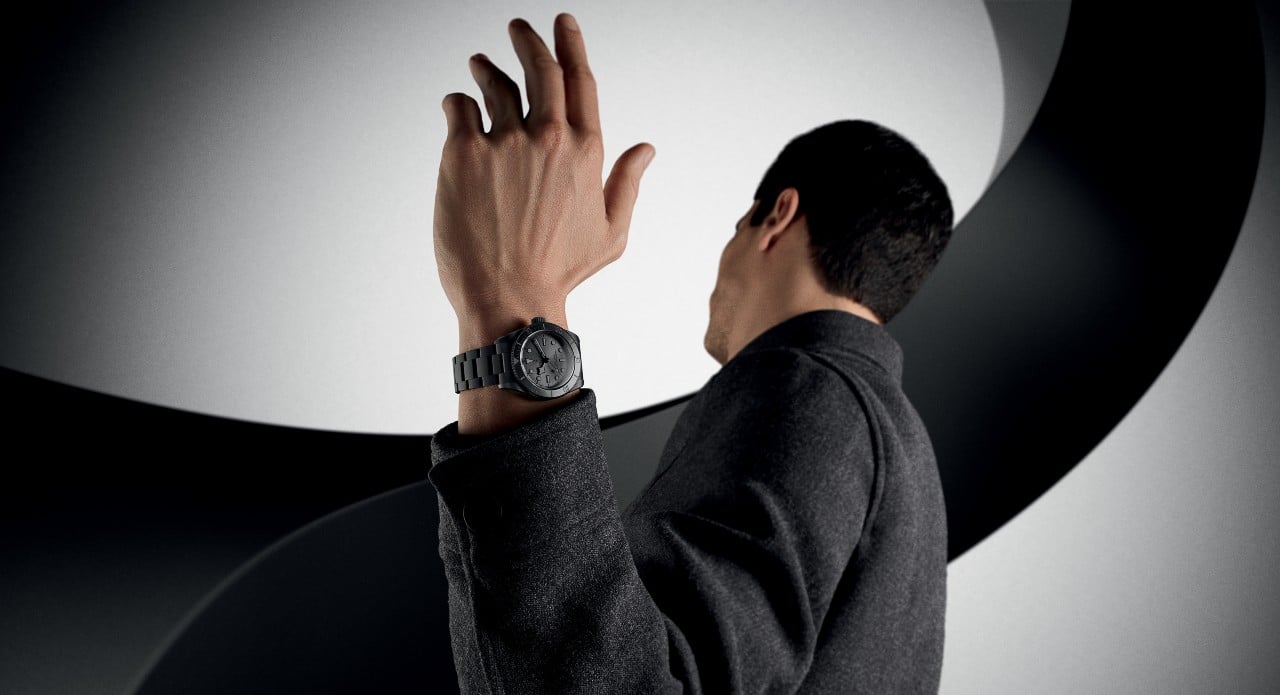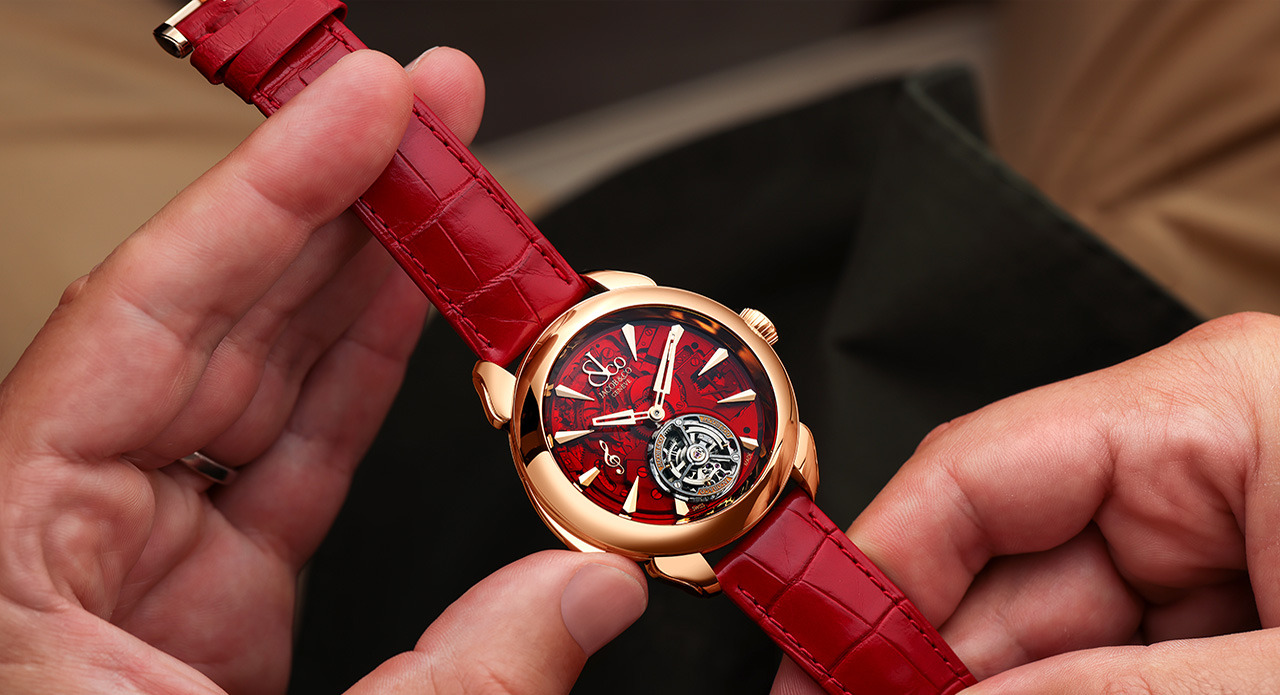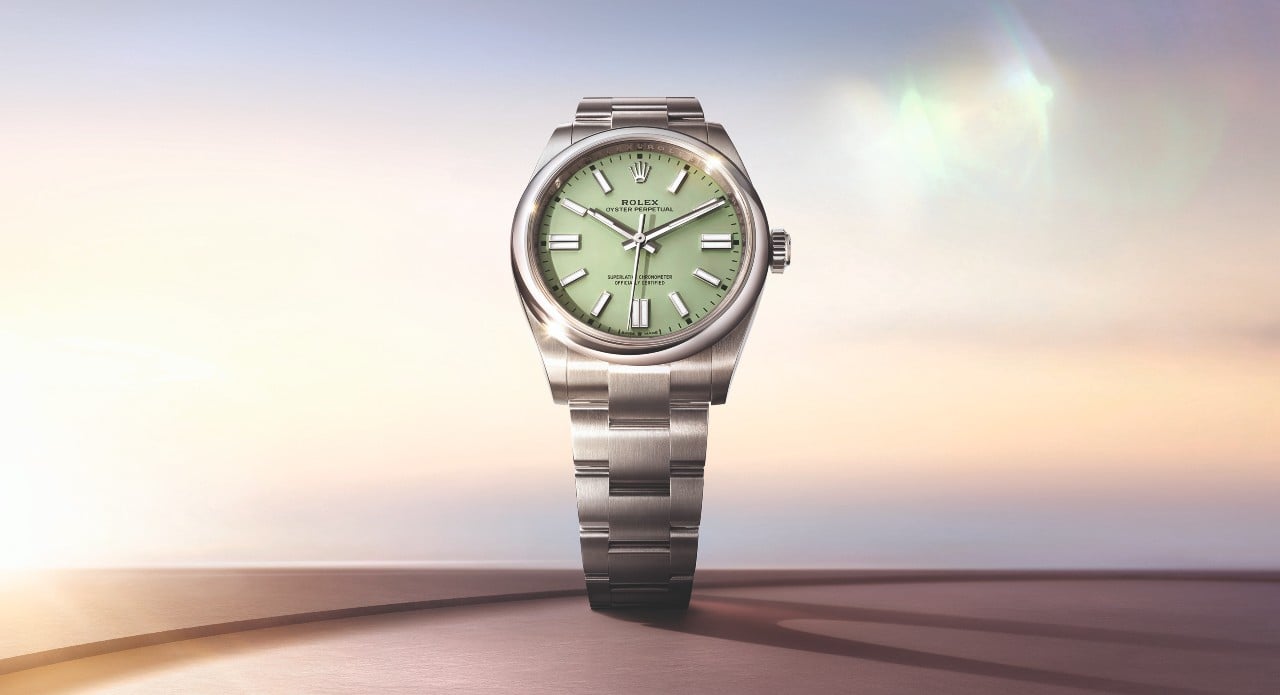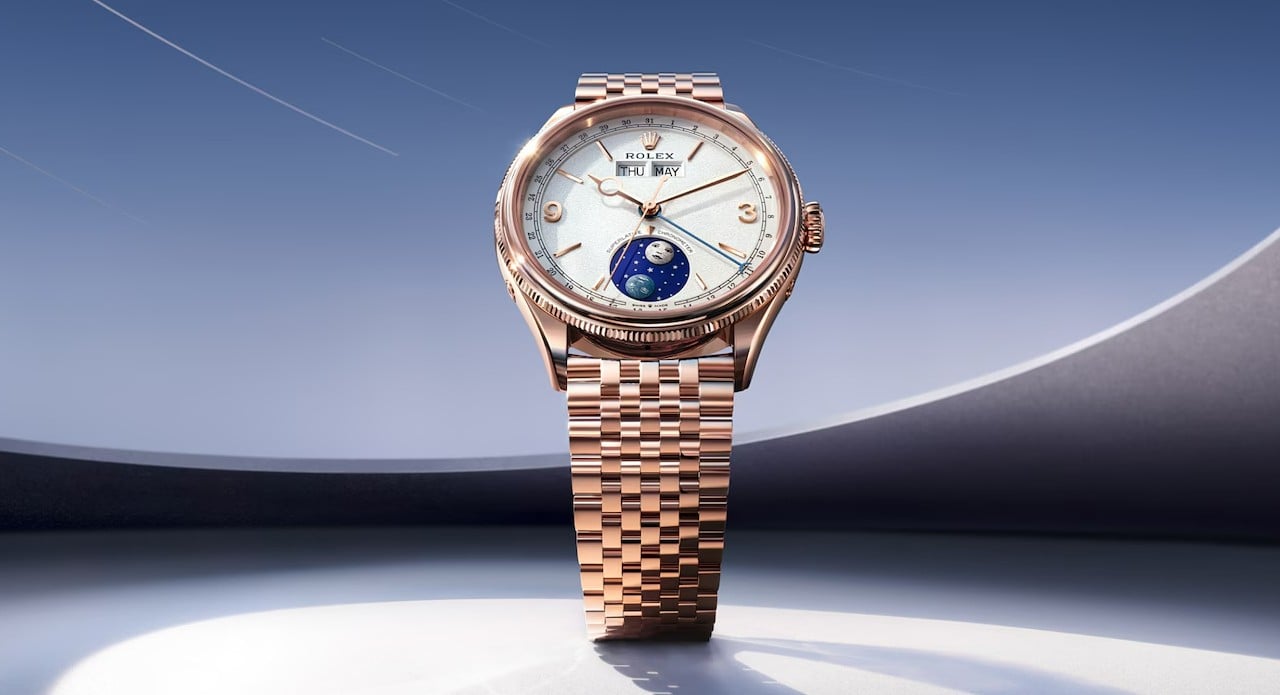


A mechanical watch, at its most elemental, has one responsibility: to tell the time. Yet horology has never been content with the elemental. For centuries, watchmakers have sought to transform the wristwatch from a simple instrument for measuring hours and minutes into an intricate mechanical theatre capable of displaying calendars, phases of the moon, chronographs, multiple time zones and an astonishing array of astronomical information. These additional functions are collectively known as complications, a term that sounds almost deliberately understated when one considers the ingenuity, patience and microscopic engineering they demand. A complication is not merely an embellishment added to a watch for the sake of sophistication; historically, many emerged because there was a genuine problem to solve. The need to measure elapsed time gave rise to the chronograph, the complexities of the calendar inspired perpetual calendars, while the practical demands of navigation and travel encouraged the development of additional timekeeping functions. Even some of the most recognisable features found on contemporary watches owe their existence to similarly pragmatic beginnings. The curious beauty of horology lies precisely here: utility can, with enough refinement, become artistry. A component conceived to solve an inconvenience may eventually become a symbol of an entire category of watchmaking. What appears today as an unmistakable design signature can therefore be understood as the surviving evidence of an old engineering problem, elegantly solved and preserved on the wrist long after the original necessity has faded.
The Cyclops Was Created To Make The Date Easier To Read
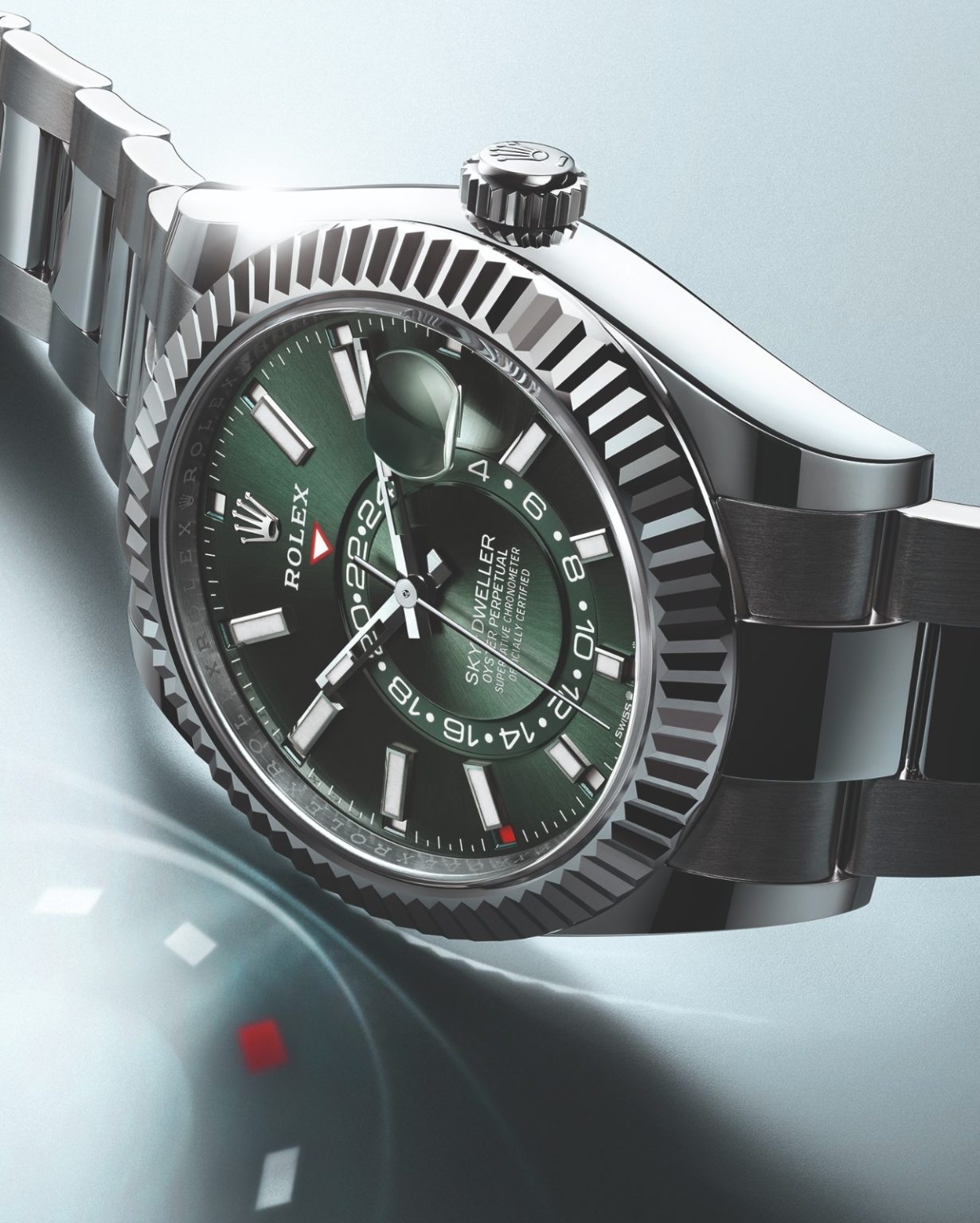
Few watch details are as instantly recognisable as the Cyclops lens. Positioned above the date aperture, the magnifying lens gives the display considerably greater visual presence and has become synonymous with Rolex. The idea was remarkably straightforward: make the date easier to read. As wristwatches became increasingly sophisticated and their cases became more resistant to water, designers also had to accommodate practical considerations of everyday legibility. A small date aperture could be difficult to decipher at a glance, particularly for someone who simply wanted to know the date without bringing the watch close to the eyes.
Rolex introduced the Cyclops magnifying lens in the mid twentieth century, creating a feature that was as functional as it was visually distinctive. The lens magnifies the date display, turning a relatively small calendar indication into something immediately legible. What began as a simple solution subsequently became one of Rolex’s strongest design signatures. The curious irony is that the Cyclops now carries such strong brand recognition that its original purpose can almost be forgotten. It was not invented to make a Rolex look like a Rolex. It was invented to make the date easier to see.
Also Read: Inside The Oris ProPilot X Gonzo Edition: An Interview With CEO Rolf Studer
The Helium Escape Valve Solved A Problem Beneath The Surface
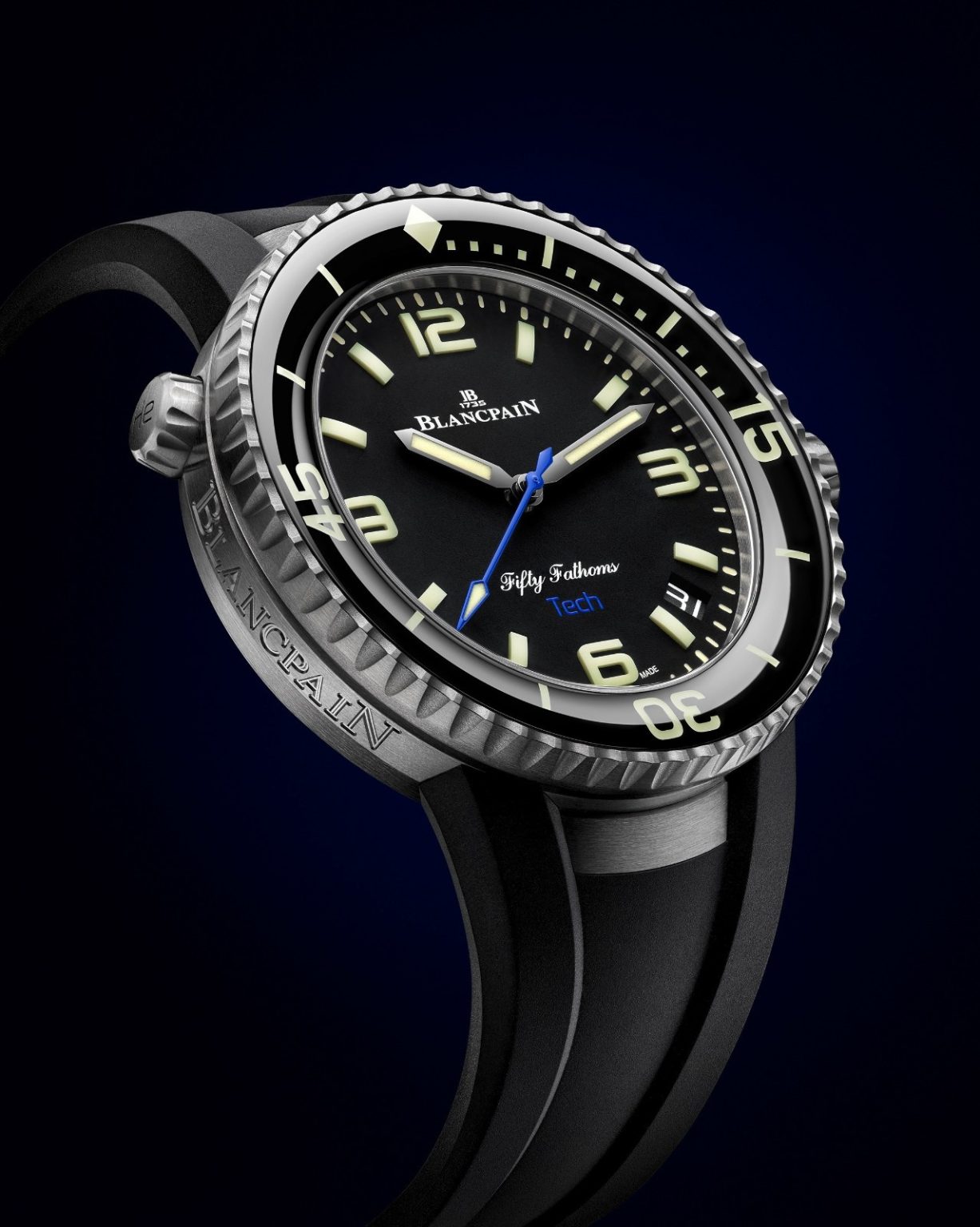
The helium escape valve sounds like the sort of component invented in a secret laboratory for an extremely specialised mission. In reality, it was a response to a very particular problem encountered by professional divers. Saturation divers can spend extended periods working inside pressurised environments containing helium. Because helium atoms are exceptionally small, they can gradually enter a watch case during prolonged exposure. When divers return to normal atmospheric pressure, the trapped gas can create pressure inside the case. Without a means of escape, that pressure can potentially force the crystal away from the case.
The helium escape valve was developed to allow the accumulated gas to leave the watch during decompression while keeping external water from entering the case. Rolex’s Sea Dweller became one of the most famous watches associated with the technology, with the valve becoming an important part of its identity as a professional diving instrument. Today, the helium escape valve can appear almost theatrical on a dive watch. For most owners, however, it is unlikely ever to be called upon. Its importance lies in what it represents: watchmaking designed around a real occupational requirement rather than an imaginary adventure.
The Crown Is Small But Absolutely Essential

It may be one of the smallest components on a mechanical watch, but the crown is responsible for some of the most fundamental interactions between wearer and movement. The crown allows the wearer to wind a mechanical movement and, depending on the construction, set the time and other functions. On many watches it is also part of the case’s water resistance architecture. Its evolution became particularly important as watchmakers sought to make watches increasingly resistant to moisture and dust. Screw down crowns offered a more secure seal, becoming particularly significant in professional diving watches.
The crown therefore represents an interesting intersection between usability and engineering. It is the physical point at which the wearer interacts directly with the mechanical heart of the watch. Turn it and the movement responds. Pull it out and the relationship between crown and setting mechanism changes. Modern crowns can be oversized, fluted, decorated or protected by elaborate crown guards, but beneath all that design language remains a fundamentally practical component.
Also Read: Rolex Introduces Three New Perpetual Padellone Models With Annual Calendar And Dynapulse
The Rotating Bezel Became A Diver’s Mechanical Stopwatch

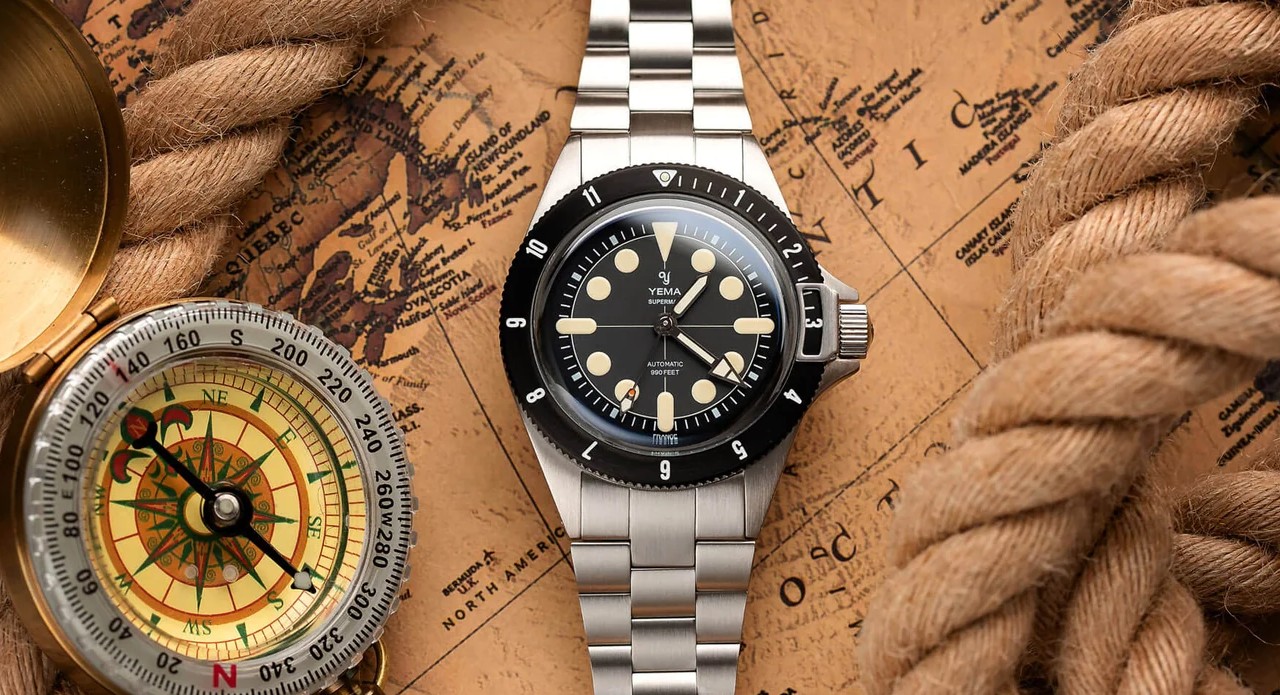
Perhaps no watch component communicates professional diving quite like the rotating bezel. Its purpose is wonderfully simple. A diver can rotate the bezel so that its zero marker aligns with the minute hand. As time passes, the position of the minute hand against the bezel indicates how long the diver has been underwater. The critical safety element is that traditional dive bezels are designed to rotate in one direction. If the bezel is accidentally knocked, it can only move in a direction that makes the indicated elapsed time appear greater rather than shorter.
This prevents an accidental movement from misleading the diver into believing that less time has elapsed than actually has. The rotating bezel subsequently became a defining visual characteristic of the dive watch, with its markings, grip and proportions becoming areas of considerable design experimentation. It also demonstrates one of watchmaking’s most enduring principles: the best design often emerges when form follows function. The bezel is not merely a decorative ring surrounding the dial. It is an external timing instrument that can be operated without disturbing the movement itself.
When Function Becomes Iconic
The fascinating journey of these four features is that their practical origins eventually became part of watchmaking’s visual vocabulary. The Cyclops lens is now immediately associated with Rolex, the helium escape valve signals serious underwater credentials, the crown remains a defining mechanical interface and the rotating bezel continues to embody the spirit of the professional dive watch. Their stories remind us that horology is not simply an exercise in making beautiful objects. It is also an exercise in solving problems with extraordinary precision. And sometimes, when a solution works exceptionally well, it becomes something more than an invention. It becomes an icon.