

There are, in the world of watches, certain arguments that refuse to go away. Quartz versus mechanical. Steel versus gold. And then there is this one, which sounds terribly dull until you imagine yourself forty metres underwater, surrounded by nothing but silence, pressure, and the faint, slightly unsettling awareness that your oxygen supply is not infinite. Suddenly, the humble bezel becomes rather important.
Because down there, time is not an abstract concept. It is a calculation. A limit. A boundary you do not cross unless you fancy a very uncomfortable ascent or worse. And in that environment, your watch is not jewellery. It is equipment. The bezel, specifically, becomes your primary tool for tracking elapsed time. You align it with the minute hand at the start of a dive, and from that point on, every passing minute is measured against how much air you have left. No distractions, no second chances.
Now here is where it gets interesting. If that bezel were to move accidentally, perhaps knocked against a rock or nudged while adjusting your gear, it could give you a completely false reading. And in diving, a false reading is not just inconvenient, it is potentially dangerous. Which is precisely why watchmakers came up with two very different approaches to solving the same problem, and why we are now here, debating whether a bezel should turn one way or both.
Unidirectional Bezel Built for Precision When It Actually Matters
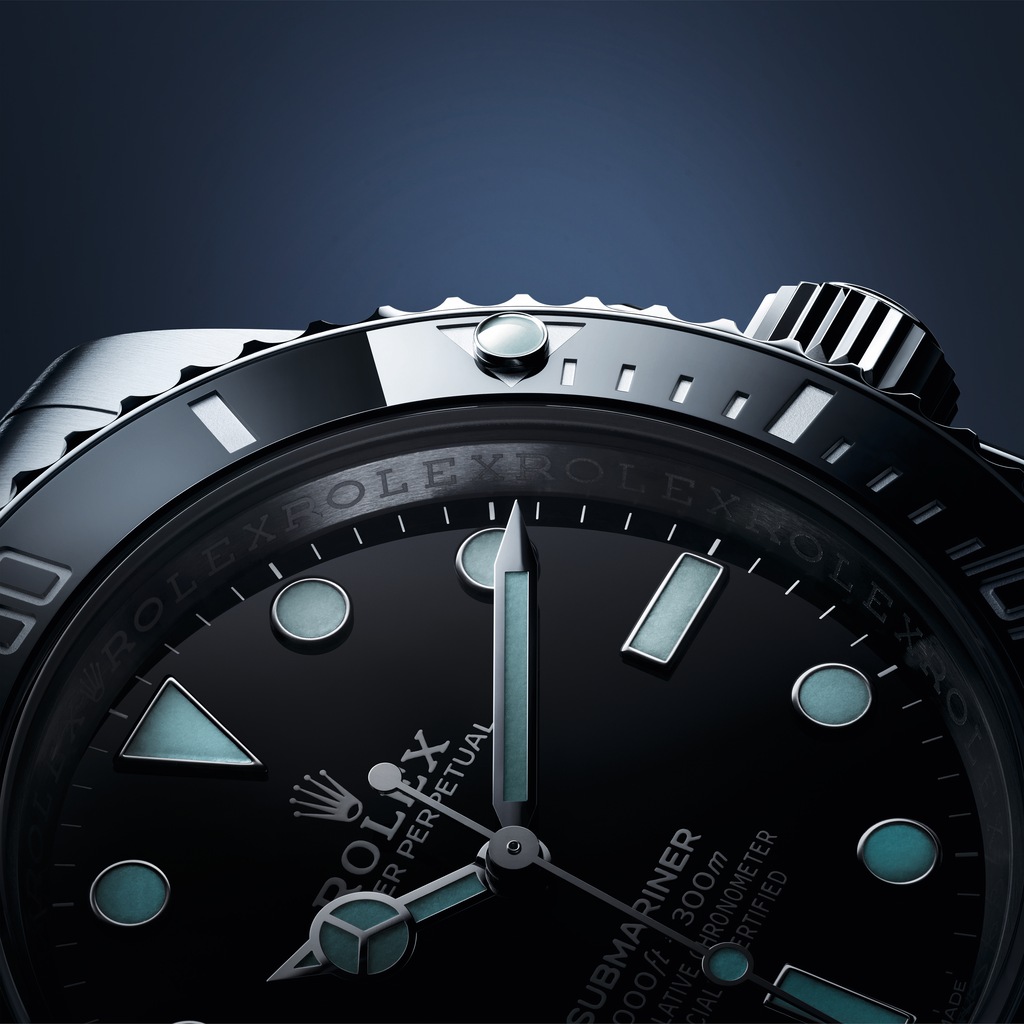
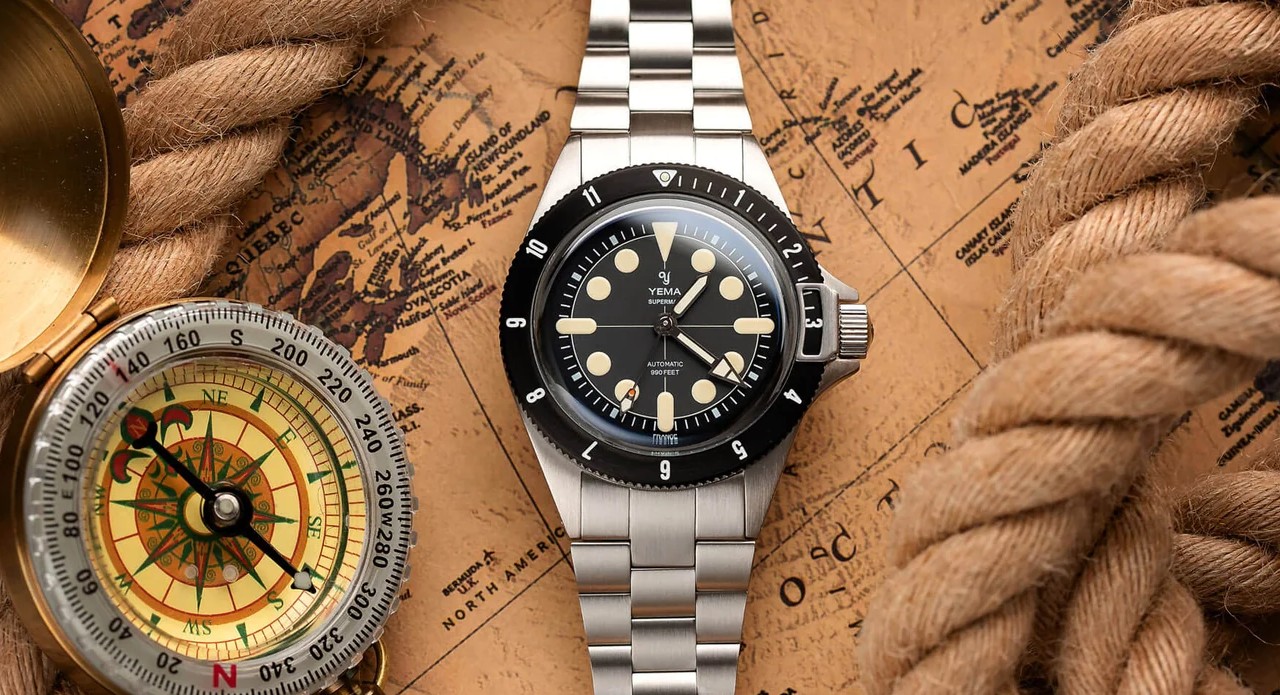
Let us start with the unidirectional bezel. This is the one that only turns anticlockwise, and it exists for a very specific reason, which is not style or tradition, but survival. Proper dive watches use this system because if you accidentally knock the bezel underwater, it can only shorten your recorded dive time, not extend it. In other words, it errs on the side of caution.
You might think you have less air than you actually do, which is inconvenient, but far preferable to thinking you have more and discovering, quite abruptly, that you do not. This is why unidirectional bezels are standard on serious dive watches. They are deliberate, precise, and reassuringly stubborn. Each click feels mechanical, intentional, like the watch is reminding you that it has a job to do and it is not about to get it wrong.
Also Read: Beyond The Ring: Understanding Watch Bezels And Their Roles In Function And Design
Bidirectional Bezel Designed for Ease Speed and Everyday Use
Now, on the other side of this rather civilised argument, we have the bidirectional bezel. This one spins both ways, freely and without the sort of resistance that would make a diver feel particularly confident. But here is the thing, it is far more convenient. Need to adjust the bezel quickly? No problem. Overshot your marker? Just spin it back. It is intuitive, flexible, and frankly, a bit more enjoyable to use on a daily basis.
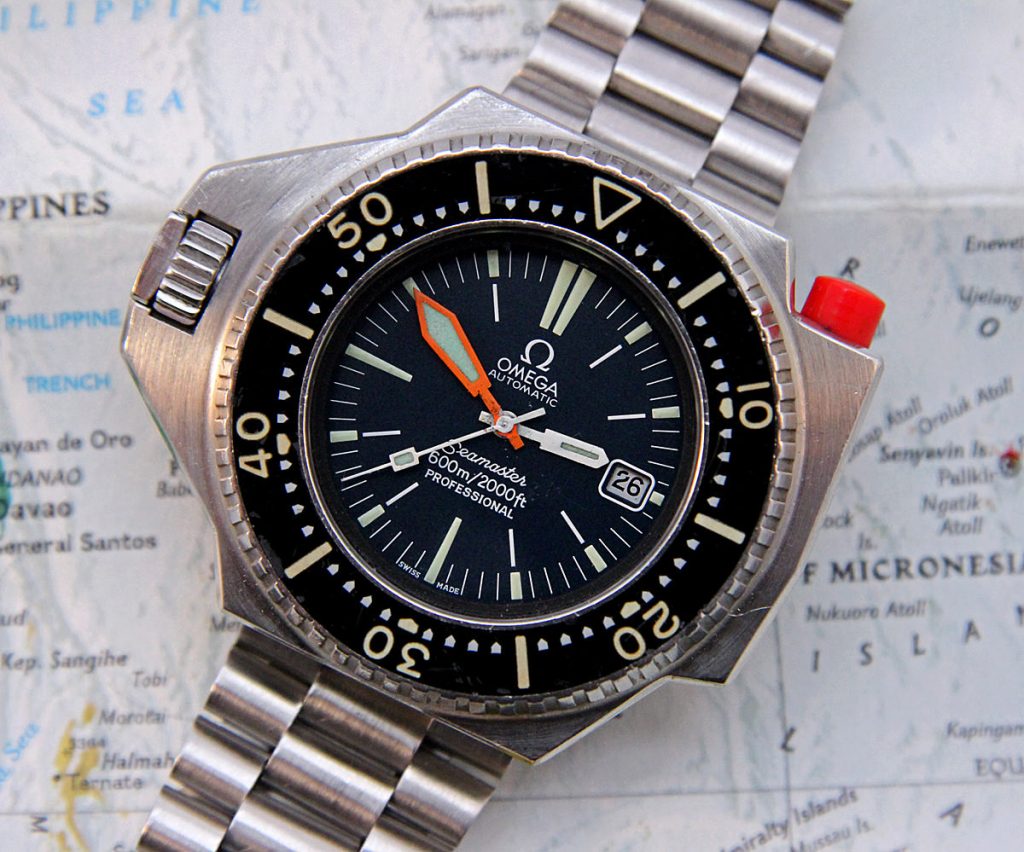
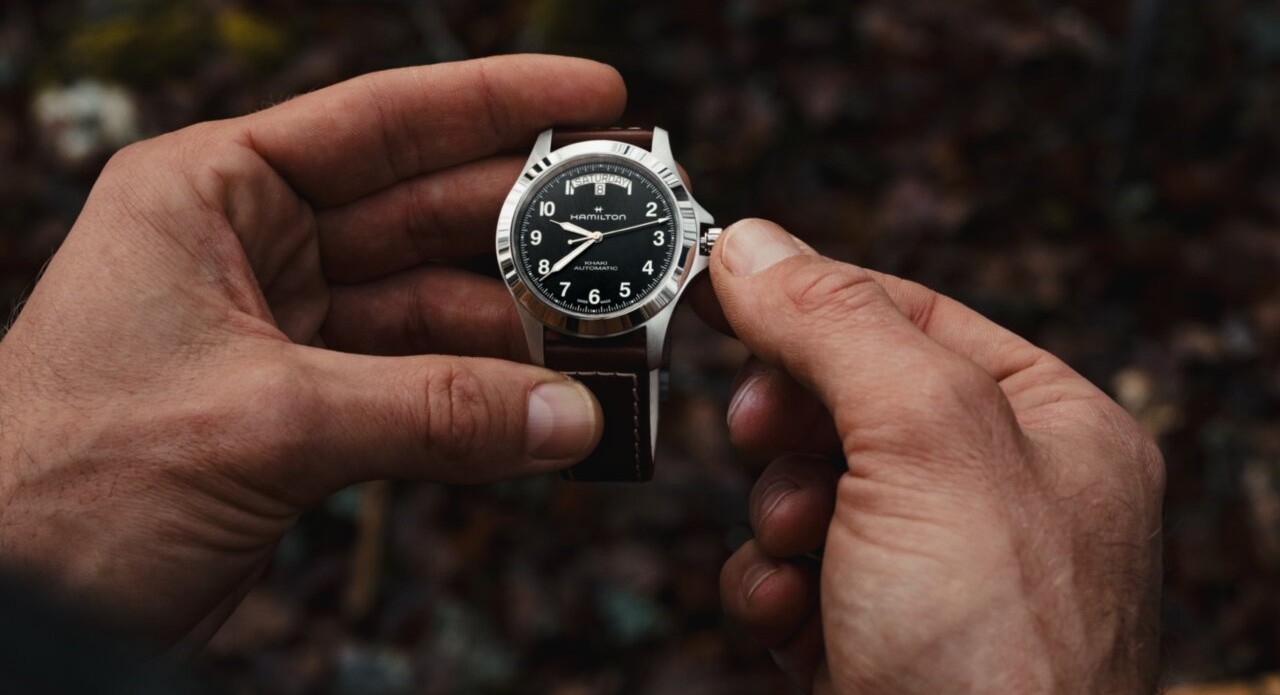
Bidirectional bezels are often found on pilot watches, GMT watches, and pieces designed for general timing rather than life or death scenarios. They are less about safety and more about practicality. And in that context, they make perfect sense. Not every watch needs to prepare you for the depths of the ocean. Some simply need to help you keep track of a second time zone or time your coffee without unnecessary drama.
Also Read: Why Professional Diver’s Watches Need A Helium Escape Valve
But this is where things get interesting, because the question is not just about functionality. It is about philosophy. A unidirectional bezel is cautious, disciplined, and purpose built. It is the sort of thing you want when precision matters and mistakes have consequences. A bidirectional bezel, on the other hand, is adaptable, relaxed, and designed for convenience. It is the sort of thing you want when you are living your life above sea level, which, for most people, is all the time.
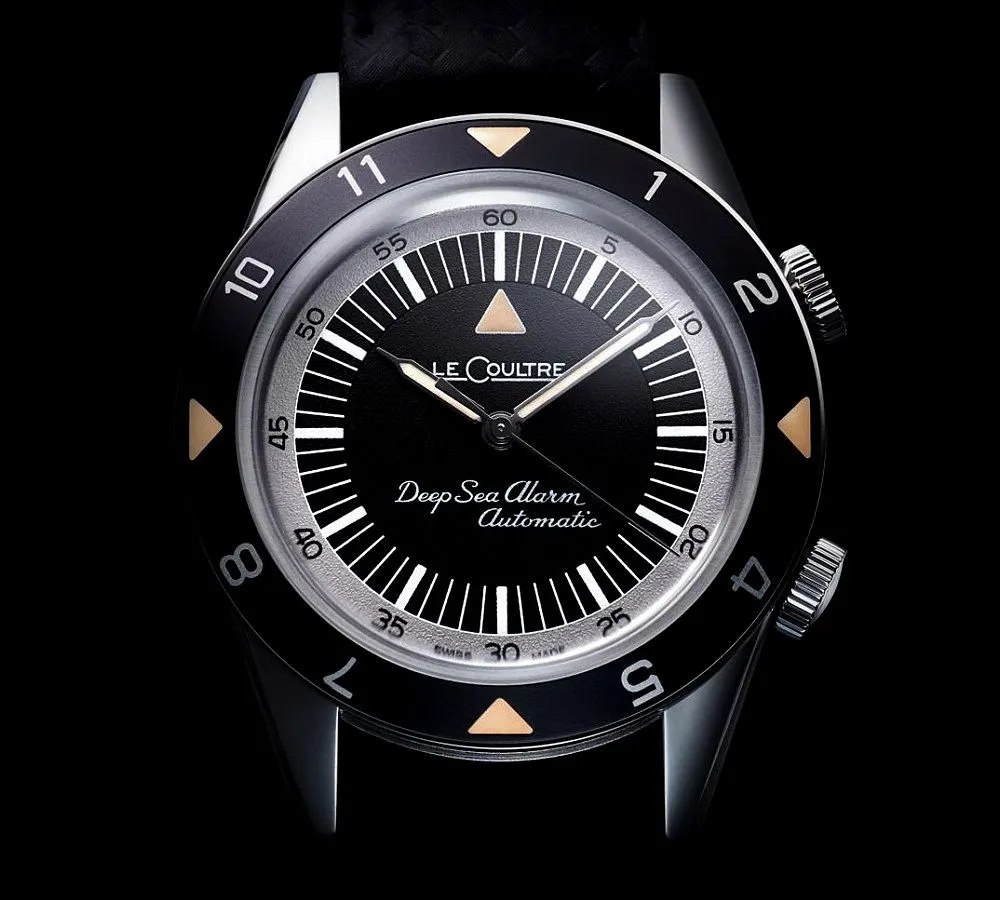
So, which one is better? Well, this is where I am supposed to give you a definitive answer, neatly packaged and entirely conclusive. But the truth is far more irritating. It depends on what you actually need. If you are a diver, or someone who appreciates the idea of absolute reliability and safety focused design, the unidirectional bezel is the obvious choice. It is purpose built, and it does its job with unwavering consistency. If, however, you are more likely to be timing your commute, tracking a second time zone, or simply enjoying the tactile pleasure of rotating a bezel without overthinking it, then the bidirectional option makes far more sense. In the end, this is not a battle with a clear winner. It is a matter of context. One is built for precision under pressure, the other for flexibility in everyday life. And perhaps that is the real takeaway here. The best watch is not the one with the most features, or the most complicated engineering. It is the one that suits what you actually do. Which, if we are being honest, probably does not involve deep sea diving. But it is nice to know your watch could handle it if it did.