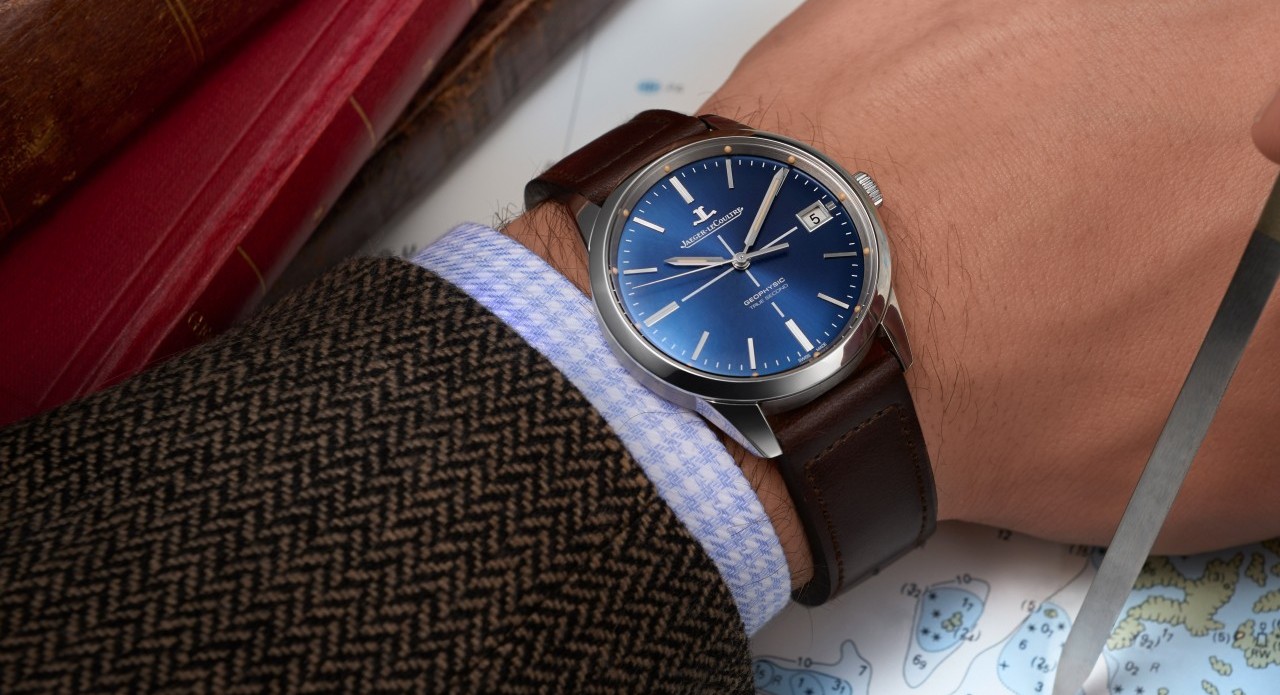


Steel, rather sensibly, sits at the very heart of modern horology. It is the material that allows a watch to exist not merely as an object of delicacy, but as something that can be worn, used, and occasionally knocked against the edge of a table without immediate catastrophe. For all the romance surrounding precious metals, it is steel that provides the reassuring sense of durability and purpose. It resists corrosion, holds its shape with admirable discipline, and offers a versatility that makes it suitable for everything from robust sports watches to more restrained, everyday pieces.
Its advantages are not particularly dramatic, but they are deeply important. Steel is strong without being excessively heavy, resilient without being difficult to work with, and capable of taking on a variety of finishes, from a soft brushed texture to a rather convincing mirror polish. It is also, crucially, reliable. One does not worry about steel. It simply gets on with the job, which is perhaps the highest compliment one can pay any material.
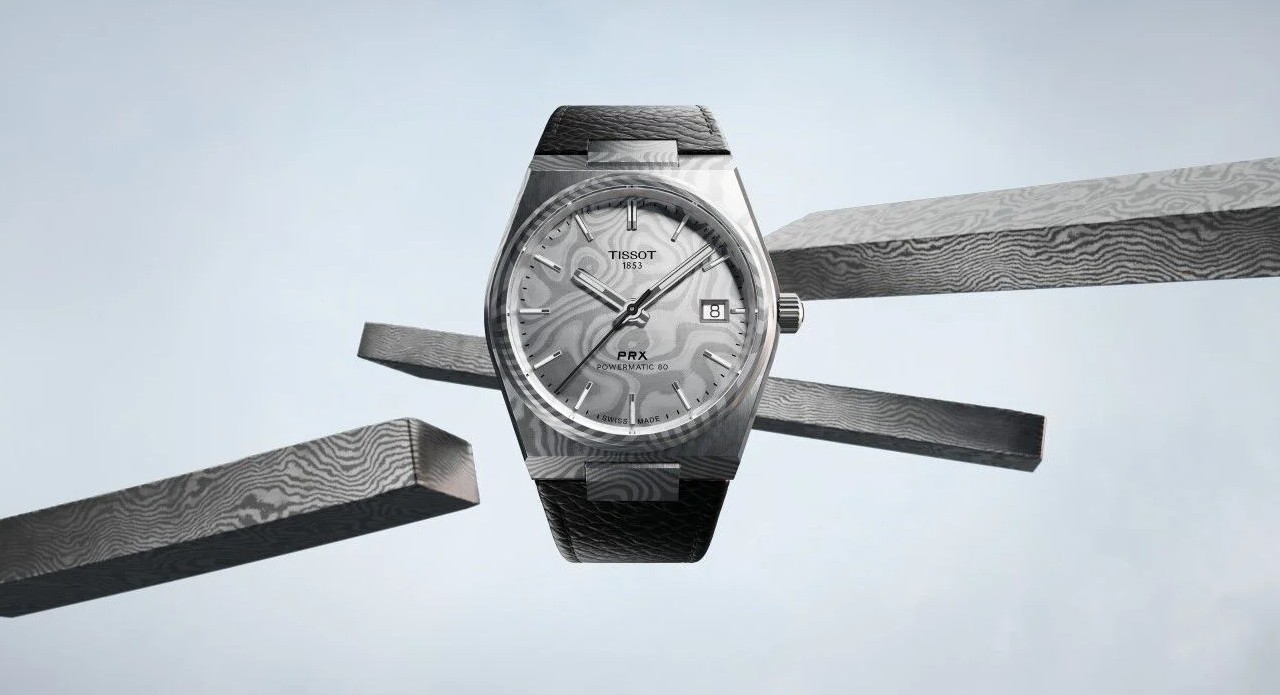
Damascus steel, however, approaches the matter from a slightly different angle. While stainless steel is concerned with uniformity and predictability, Damascus steel introduces complexity. It is layered, patterned, and visually expressive in a way that conventional steel is not. Where stainless steel offers consistency, Damascus steel offers character. The two share a common foundation, but diverge quite noticeably in how they are made, how they appear, and, to a certain extent, how they are appreciated.
Composition
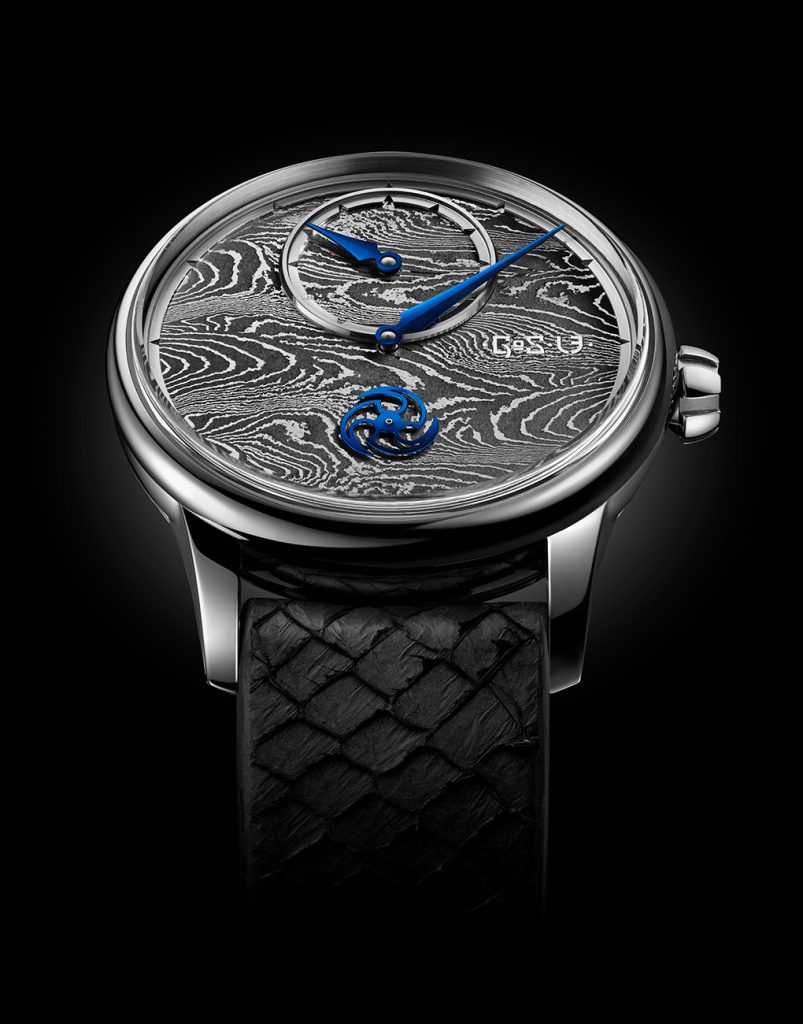
Damascus steel is formed by combining multiple types of steel, often blending high carbon varieties with alloys that contain elements such as nickel. These layers are forged together repeatedly, creating a composite material in which each layer contributes its own properties.
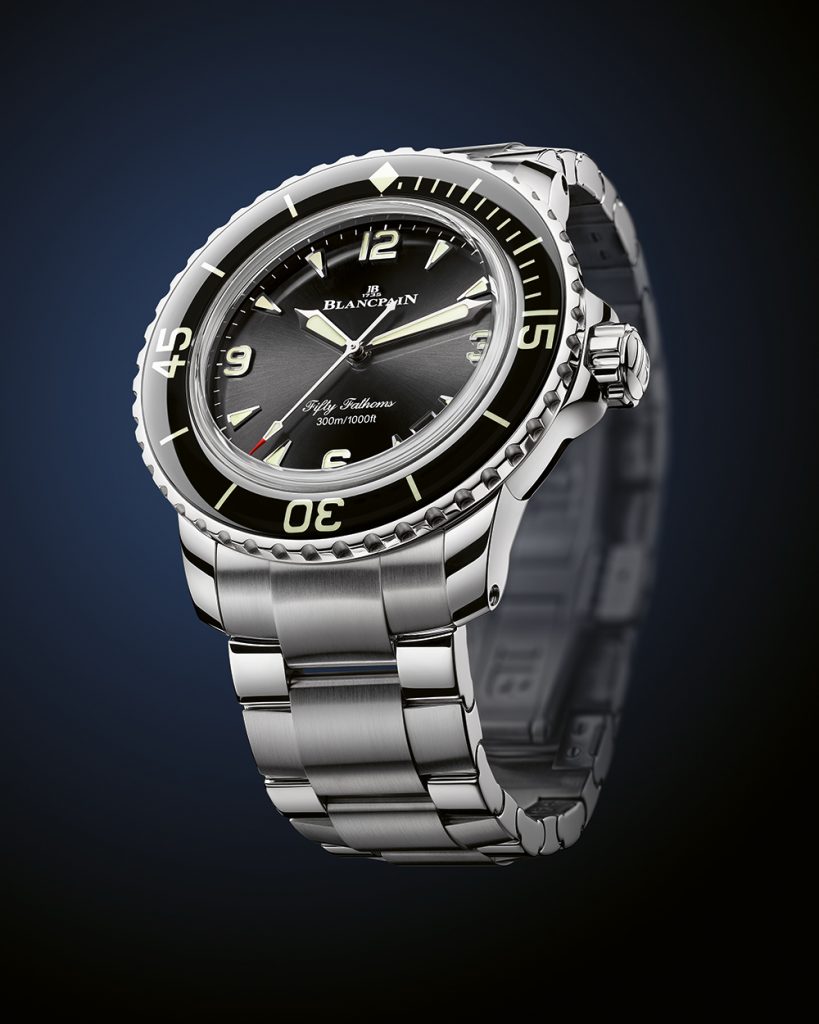
Stainless steel, by comparison, is a single, homogeneous alloy. It is primarily composed of iron with carbon and a significant proportion of chromium, which provides its well known resistance to corrosion. The result is a material that is consistent throughout, both in structure and performance.
Texture and Appearance
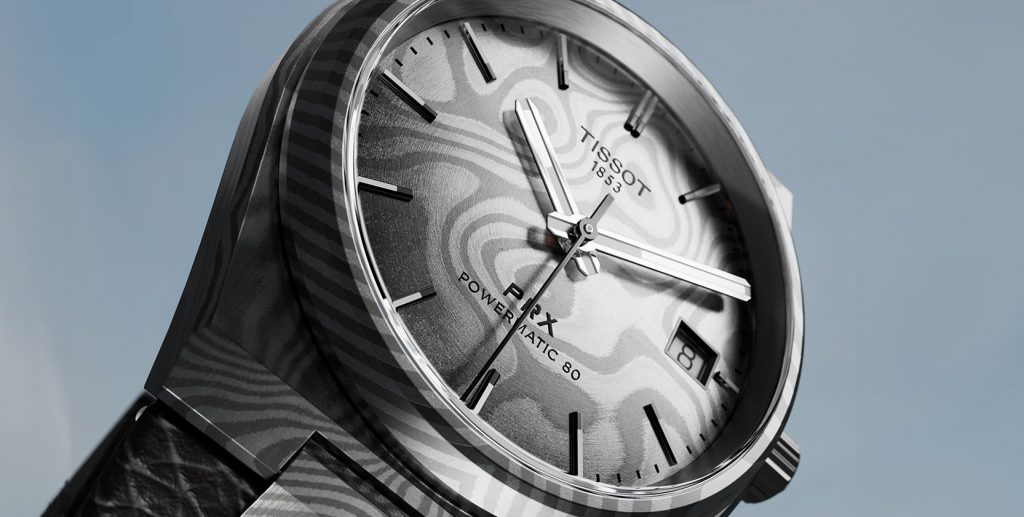
The defining feature of Damascus steel is its surface pattern. It displays flowing, organic lines that resemble ripples or wood grain, created by the layering process and revealed through careful etching. Each piece is unique, carrying its own distinct visual identity.
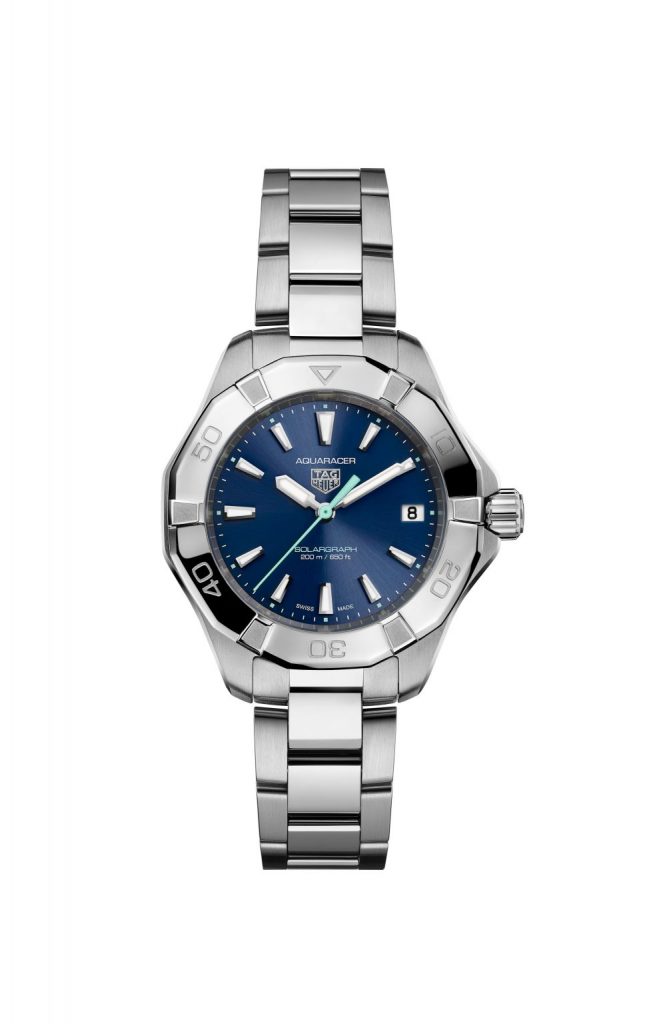
Stainless steel is intentionally uniform. Its surface can be brushed or polished, but it remains consistent and controlled in appearance. It does not attempt to draw attention, instead offering a clean and understated aesthetic.
How They Are Created
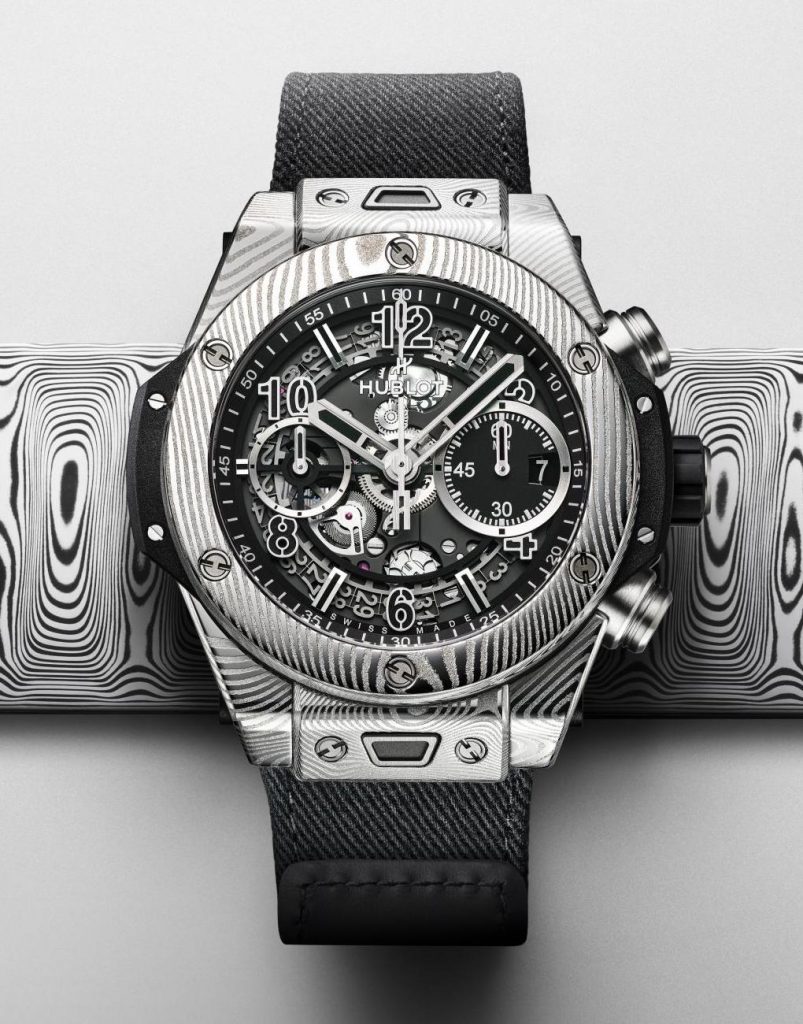
The creation of Damascus steel is a deliberate and intricate process. Layers of different steels are stacked, heated, and forged together, then folded and worked repeatedly to build up the layered structure. The material may be twisted or manipulated to achieve specific patterns before being shaped and etched.
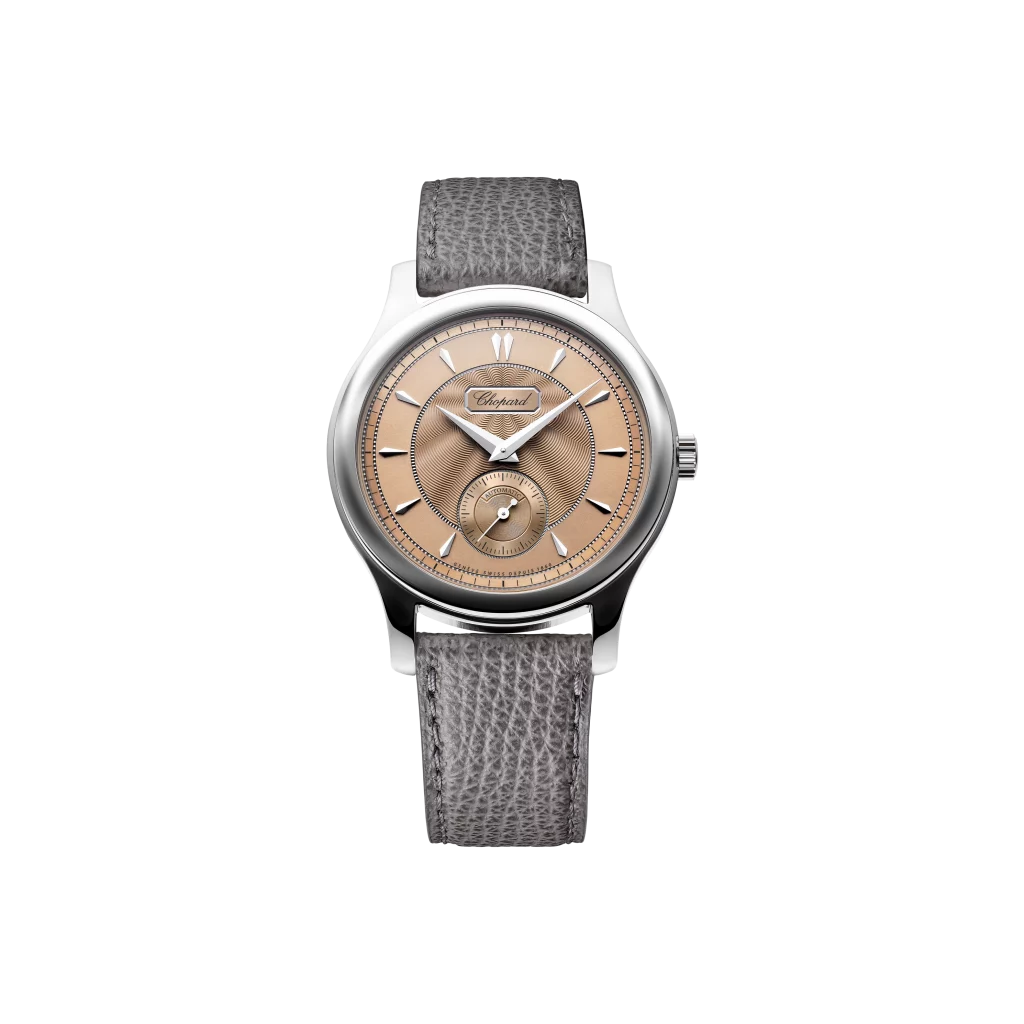
Stainless steel is produced through a more controlled and industrial method. Its elements are melted together to form a uniform alloy, which is then cast and processed to achieve the desired properties. The focus is on precision and repeatability rather than variation.
Performance and Practicality
Damascus steel can offer a balance of hardness and toughness, depending on its composition, though it may require more care, particularly if it lacks strong corrosion resistant elements.
Stainless steel excels in everyday practicality. It resists rust, requires minimal maintenance, and performs consistently across a wide range of conditions.
In the end, the distinction is rather straightforward. Stainless steel is dependable and quietly efficient, while Damascus steel introduces artistry and individuality into the equation. Both are entirely valid, though they appeal to slightly different sensibilities.