

For years, the words “Chinese watch” were enough to make serious collectors reach for their wallets only if they were looking for something inexpensive. China was seen primarily as the manufacturing engine of the watch industry, producing components for other brands rather than creating horological names of its own. That perception is becoming increasingly difficult to defend. A new generation of Chinese watchmakers and independent brands is now doing something far more interesting: designing, engineering and finishing watches with their own ideas, their own aesthetics and, increasingly, their own mechanical solutions. The change did not happen overnight, but it is gathering momentum. CIGA Design winning the 2021 Grand Prix d’Horlogerie de Genève Challenge Prize was an important moment, while Behrens becoming the first Chinese watchmaker to exhibit at Watches and Wonders Geneva in 2026 made the shift considerably harder to ignore.
CIGA Design Is Bringing Design First
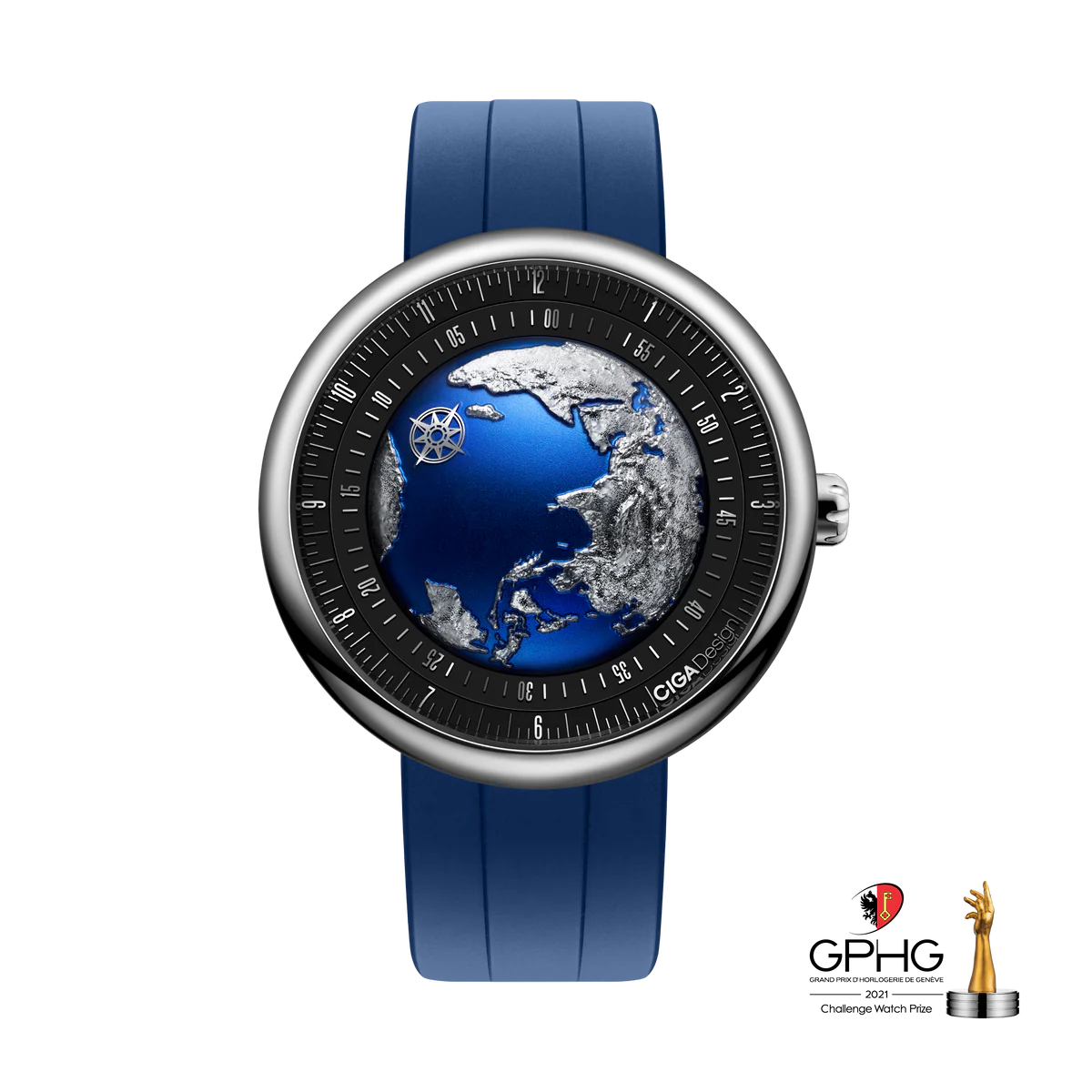
If there is one brand that has made Chinese watchmaking difficult to ignore, it is CIGA Design. Founded by industrial designer Zhang Jianmin, the brand has approached watchmaking less like a traditional Swiss maison and more like a design laboratory. Its watches regularly dispense with conventional ideas about what a dial should look like, with skeletonised constructions, unconventional displays and sculptural cases becoming part of its visual language. The Blue Planet was the breakthrough. Its miniature representation of Earth helped it win the Challenge Prize at the 2021 GPHG, putting Chinese watch design on an international stage. Its current collection continues that experimental approach with watches such as the Edge, Hunter and various tourbillon creations.
Also Read: Jaeger-LeCoultre Appoints Robert Pattinson As Global Ambassador
Atelier Wen Wants China On The Dial
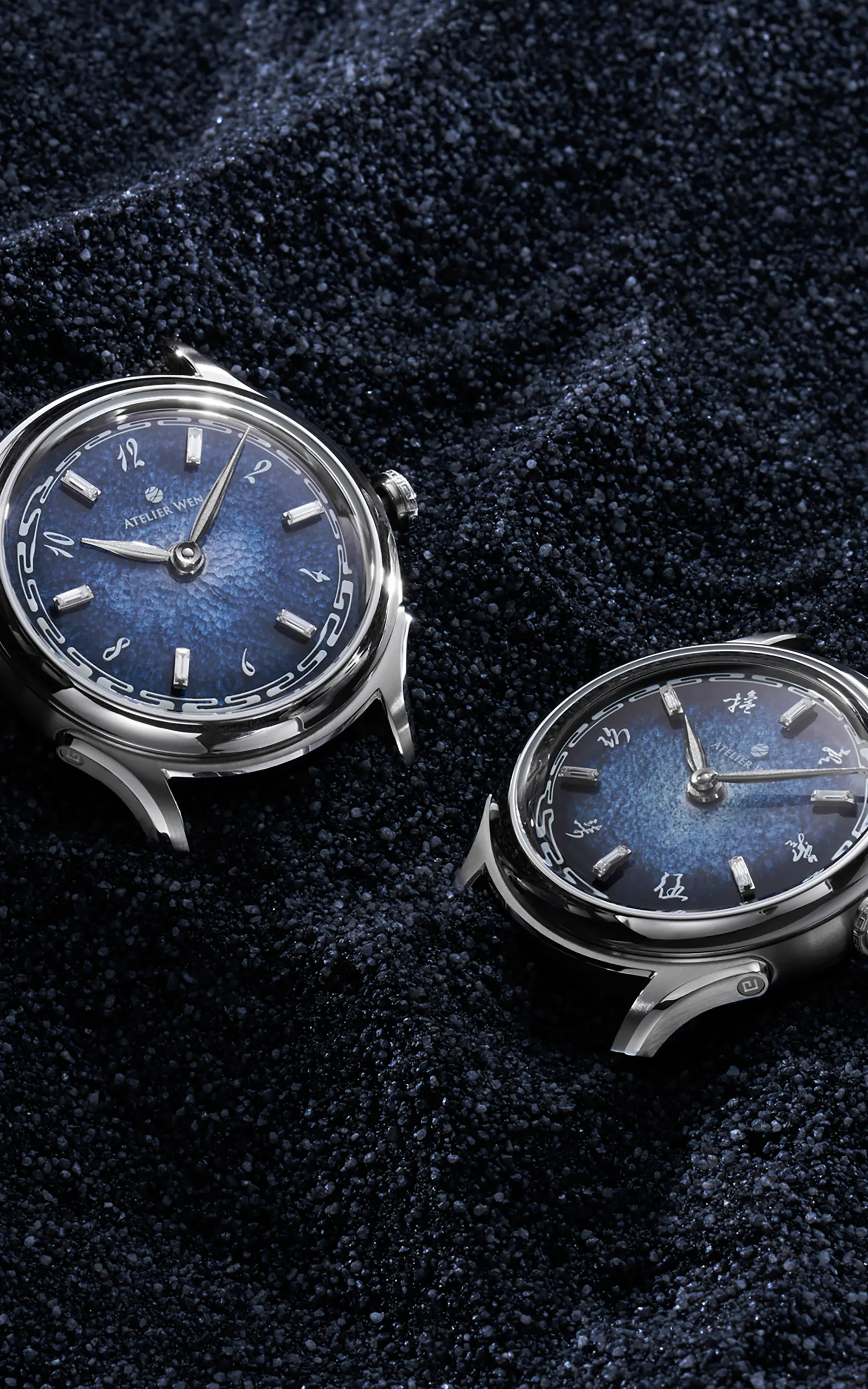
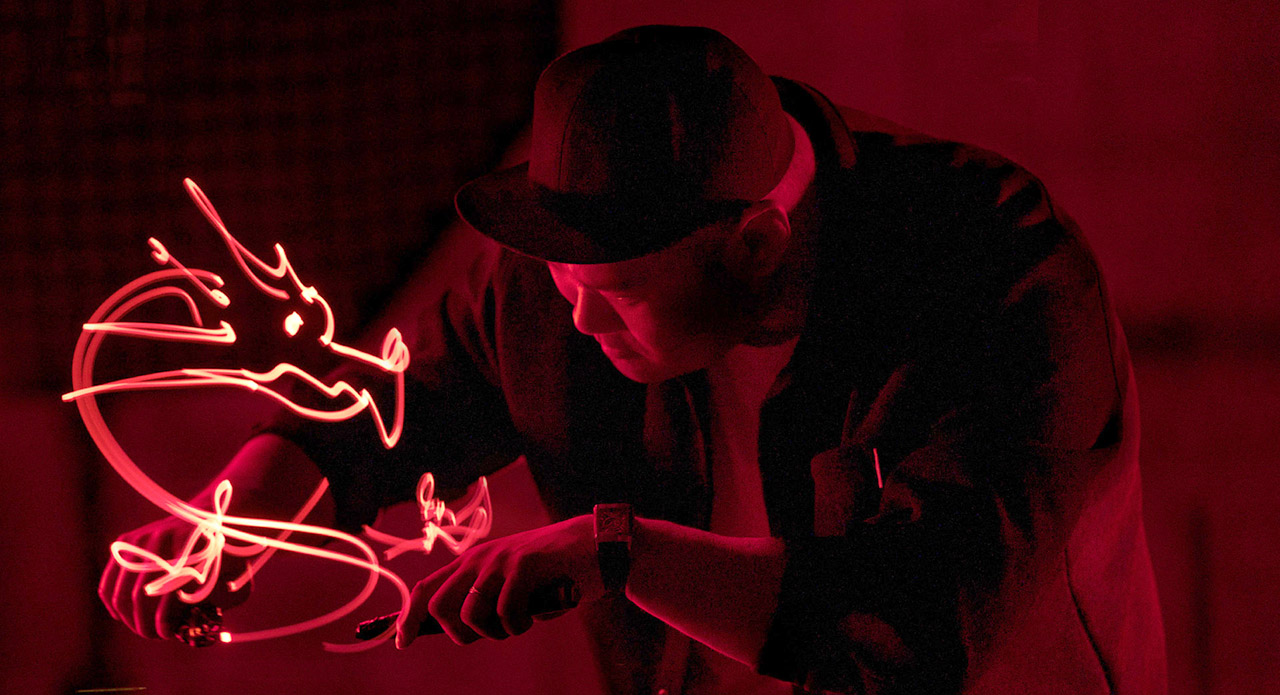
Atelier Wen takes a different route. Founded by French entrepreneurs Robin Tallendier and Wilfried Buiron, the brand’s entire philosophy is built around presenting Chinese craftsmanship and culture through contemporary watchmaking. Even its name combines the French word for workshop with the Chinese character 文, meaning culture. Its watches draw from Chinese architecture, mythology, traditional crafts and decorative techniques rather than simply putting a dragon on the dial and calling it cultural representation. The Perception collection, for instance, showcases detailed Chinese craftsmanship, while the brand works with Chinese designers, artisans and manufacturers across its production. Atelier Wen’s own ambition is quite straightforward: prove that Chinese craftsmanship can eventually command the same respect afforded to Swiss, German and Japanese watchmaking.
Logan Kuan Rao Makes Watches Himself
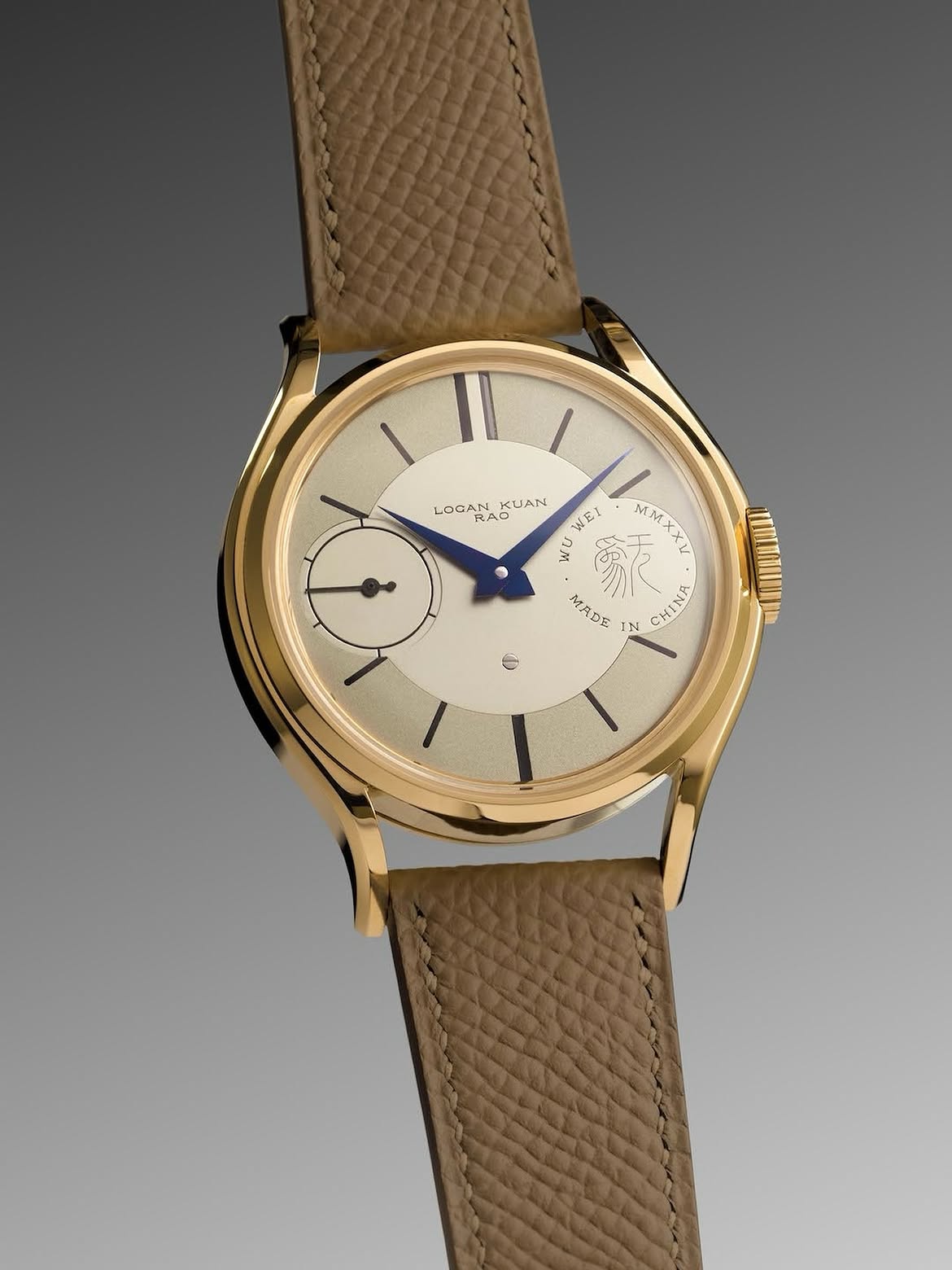
Then there is Logan Kuan Rao, who takes the independent watchmaking idea to its slightly obsessive extreme. A materials science graduate from Imperial College London who later studied product design at the Royal College of Art, Rao taught himself watchmaking and established a one person workshop in Guangzhou. He makes almost everything himself, including the movement, dial, hands and case, with components such as jewels, mainsprings and shock absorbers sourced externally. His Orca became known for its whale shaped movement bridge, while his later work has pushed further into experimental mechanics, including an Equal Push escapement.
Kiu Tai Yu Was Doing This First
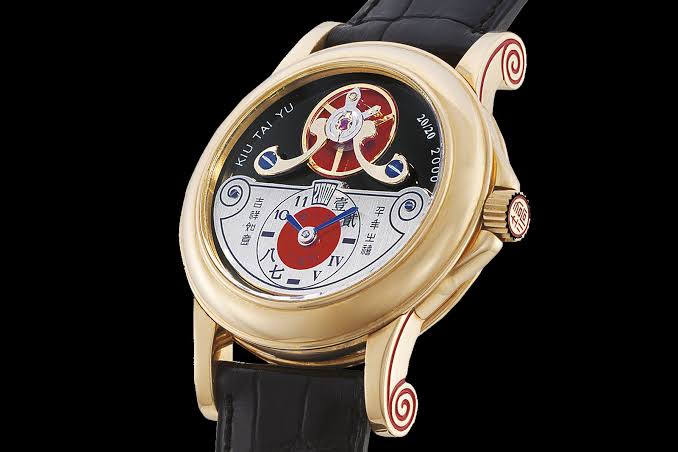
Before the current crop arrived, there was Kiu Tai Yu. His story is important because it shows that Chinese independent watchmaking did not suddenly materialise with the arrival of Instagram and luxury microbrands. Kiu was self taught and became the first Chinese watchmaker admitted to the Académie Horlogère des Créateurs Indépendants, as well as the first Chinese watchmaker to create a tourbillon, which he completed in 1990. In 1993, he developed his own “mystery tourbillon”, designed to appear as though the tourbillon cage was floating without conventional bridges. His work in the 1980s, 1990s and 2000s helped inspire a later generation of Chinese independent watchmakers.
Behrens Has No Interest In Playing Safe
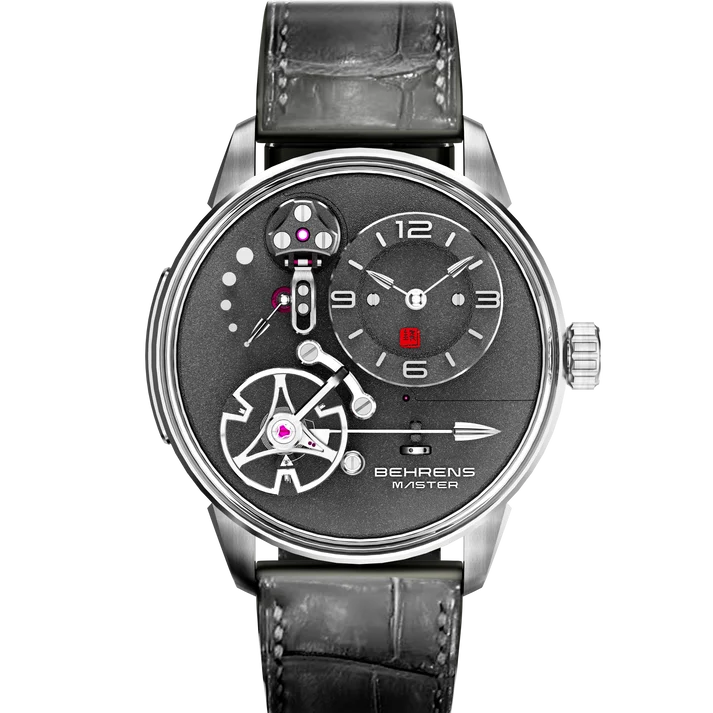
If CIGA is the designer and Rao is the obsessive craftsman, Behrens is the one who appears to have looked at conventional watchmaking and decided it needed considerably more science fiction. Founded by Lin Bingqiang in Shenzhen in 2012, Behrens has built its identity around original mechanical concepts, unusual displays and futuristic forms. Its Apolar explored an Earth Moon mechanical relationship, while Project One introduced an Earth Mars system. The brand subsequently developed its own BM01 and BM02 movements and has collaborated with independent names including Konstantin Chaykin. In 2026, it became the first Chinese watchmaker to exhibit at Watches and Wonders Geneva, an achievement that says rather a lot about how far the category has travelled.