Expressionist Architecture Explained: Origins, Characteristics, And Iconic Buildings
Expressionist architecture emerged from emotional and artistic rebellion using sculptural forms dramatic materials and symbolic design to create iconic buildings that continue to shape modern expressive architecture
Expressionist architecture does not simply stand there looking useful. It feels something and it wants you to feel it too. These buildings twist soar melt and surge as if caught mid emotion. Straight lines were deemed far too sensible for a movement obsessed with drama psychology and inner experience. Emerging from a world shaken by war and social upheaval Expressionist architecture turned concrete brick and glass into emotional instruments. It is architecture with mood swings and that is precisely the point.
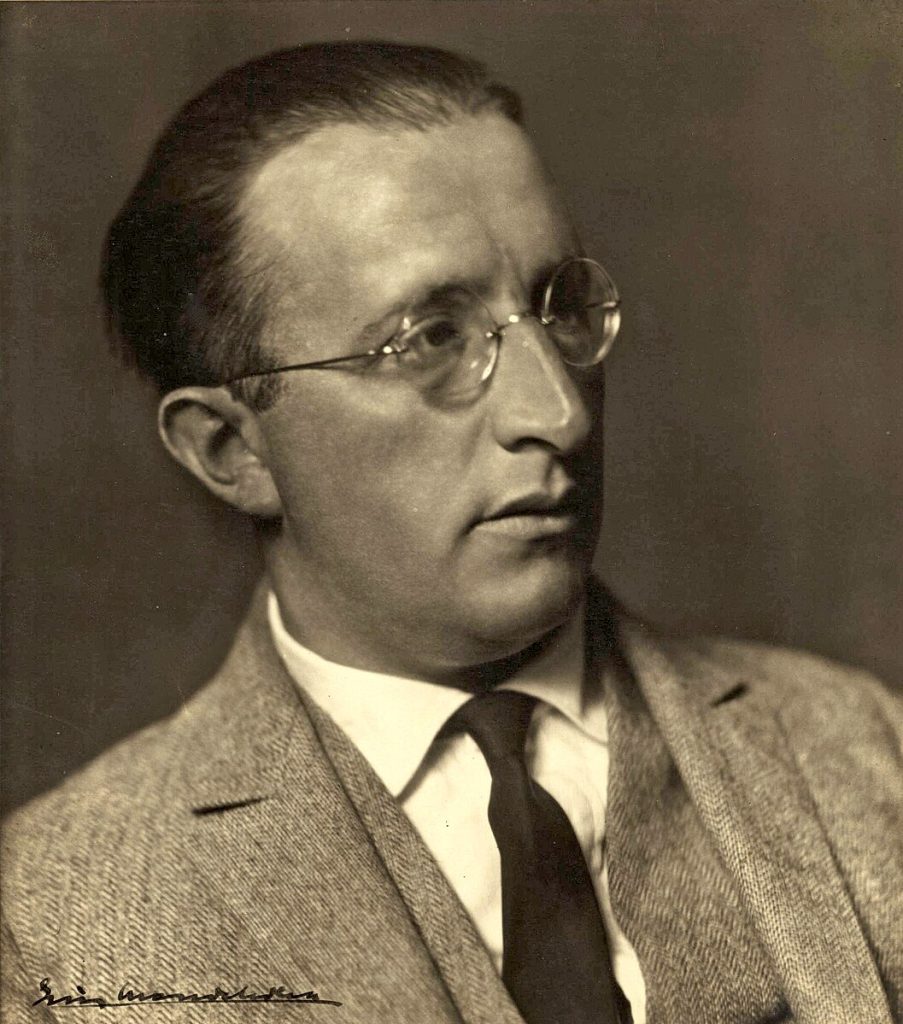
What Is Expressionist Architecture
Expressionist architecture is an early twentieth century movement that prioritised emotional impact symbolic form and artistic freedom over rational order and strict function. Instead of clean geometry and restraint Expressionist buildings embrace sculptural shapes organic curves and dramatic massing. The goal was not efficiency but expression using architecture to communicate ideas feelings and cultural anxieties.
The Origins Of Expressionist Design
The movement emerged primarily in Germany and Northern Europe following the First World War. Artists and architects sought new ways to express trauma hope and transformation. Influenced by Expressionist art theatre and film architects rejected classical tradition and industrial uniformity. Visionary drawings and unbuilt projects played a significant role in shaping the movement’s identity pushing architecture toward artistic experimentation.
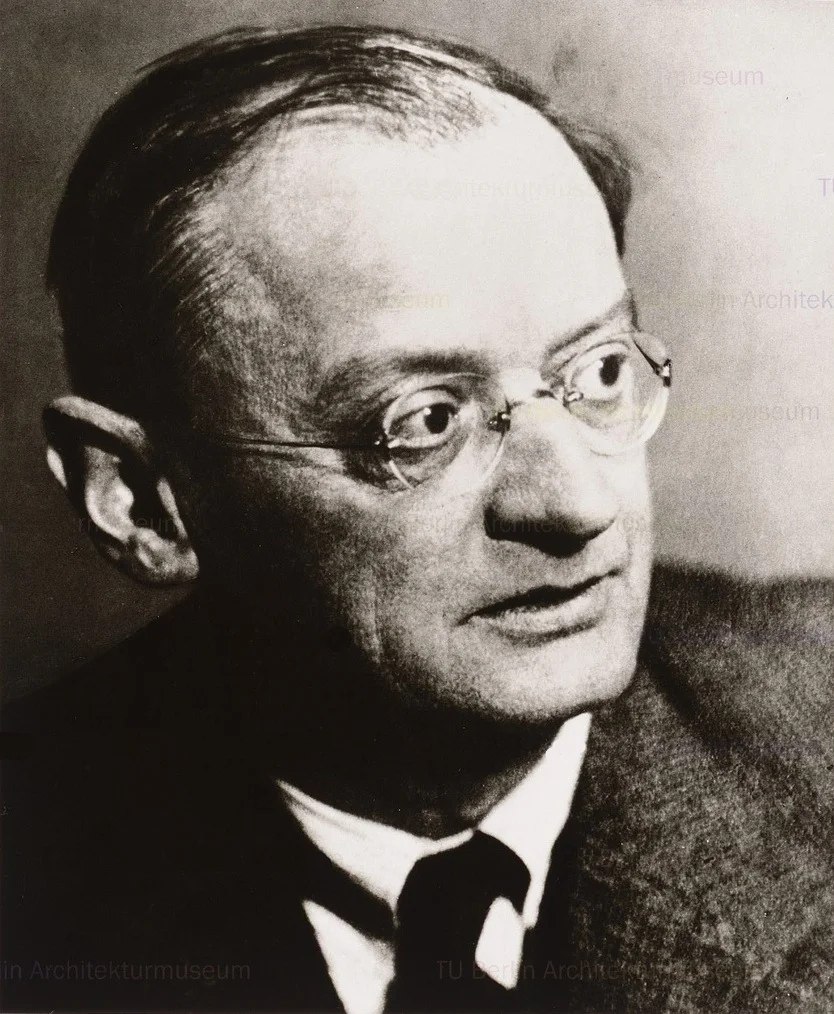
Key Characteristics Of Expressionist Architecture
Expressionist buildings are defined by dynamic forms asymmetry and strong visual gestures. Curves sharp angles and unconventional silhouettes dominate. Materials such as brick concrete and glass are manipulated to enhance texture and drama. Light is used symbolically creating spaces that feel spiritual theatrical or unsettling. Structure becomes part of the emotional narrative rather than a hidden technical system.
Also Read: Deconstructivism Architecture Explained: Meaning, Characteristics, And Contemporary Examples
Expressionism And Its Influence On Modern Architecture
While the original Expressionist movement was short lived its influence spread widely. Modern architects adopted its emphasis on form narrative and emotional impact. Expressionist ideas can be seen in later movements such as organic architecture brutalism and deconstructivism. The movement expanded the role of architecture from shelter to storytelling.
Modern Interpretations Of Expressionist Architecture
Contemporary architects reinterpret Expressionist principles through advanced materials and digital design. Buildings such as Zaha Hadid’s cultural projects and Santiago Calatrava’s sculptural structures carry forward Expressionism’s emotional intensity. Modern Expressionism often balances dramatic form with structural innovation and sustainability proving that expressive architecture can also be functional.
The Cultural Significance And Criticism
Expressionist architecture has always divided opinion. Critics argue that emotional form can compromise practicality. Supporters believe that architecture should provoke inspire and challenge. Regardless of viewpoint Expressionism reshaped architectural discourse by insisting that buildings could communicate meaning beyond function.
Top Expressionist Buildings That Turned Emotion Into Architecture
Einstein Tower, Potsdam, Germany
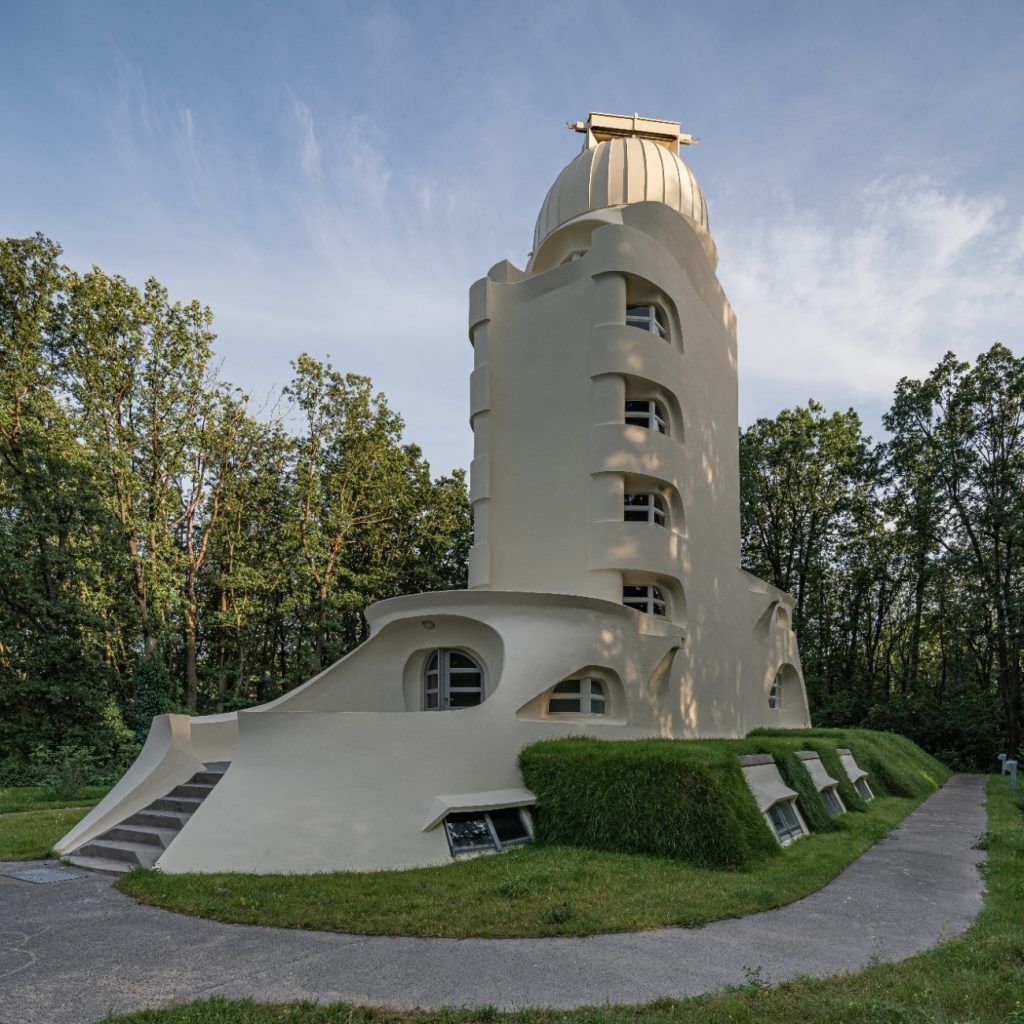
The Einstein Tower by Erich Mendelsohn remains the most iconic expressionist building ever constructed. Completed in the early twentieth century its fluid sculptural form appears molded rather than built. Curving walls flowing surfaces and dynamic massing give the structure a sense of movement and energy. Designed as an astrophysical observatory the building demonstrates how expressionist architecture could merge scientific purpose with emotional form turning function into visual poetry.
Chilehaus, Hamburg, Germany
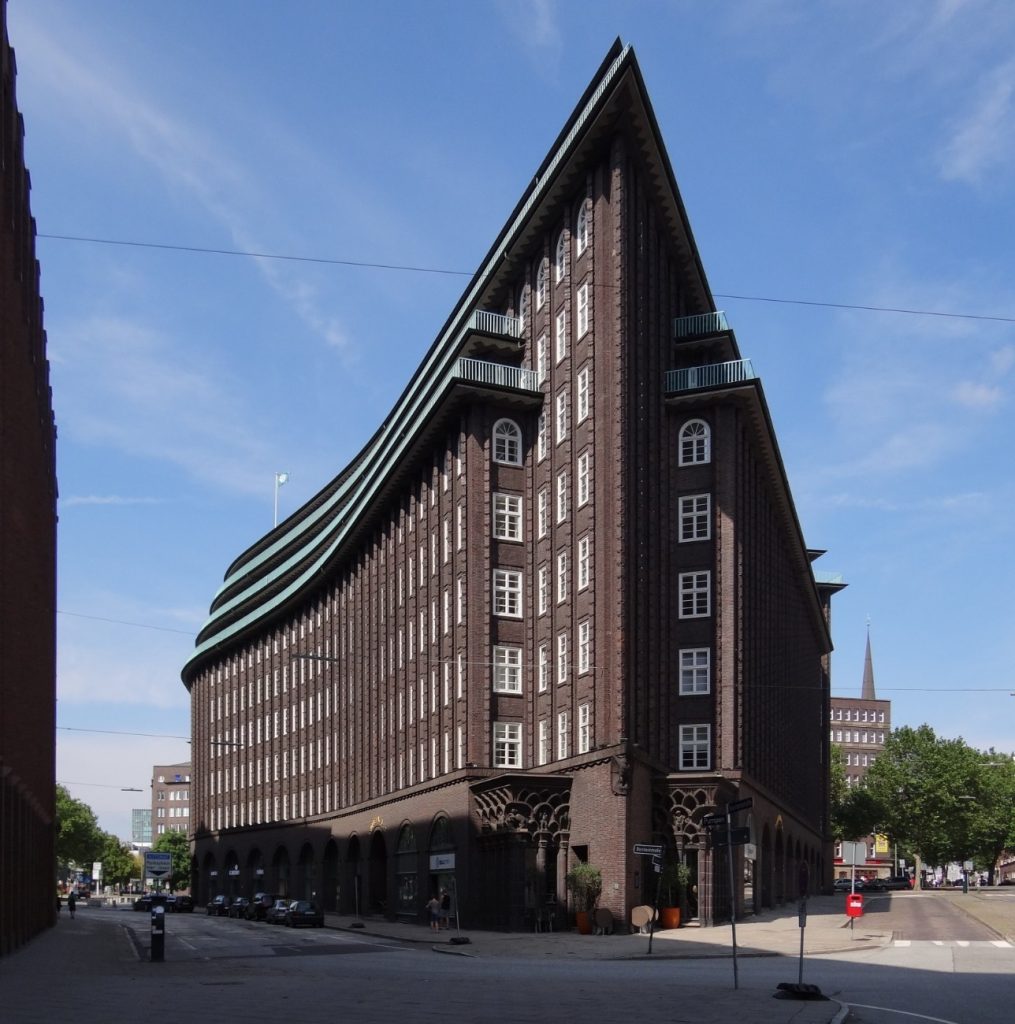
Chilehaus represents expressionist architecture applied to commercial urban design. Designed by Fritz Höger this brick skyscraper features sharp angular forms and a dramatic prow like corner that resembles the bow of a ship cutting through the city. The building’s rhythmic brickwork and powerful silhouette convey movement strength and ambition. Chilehaus proves that expressionism could thrive beyond cultural buildings shaping everyday urban environments.
Glass Pavilion, Cologne, Germany
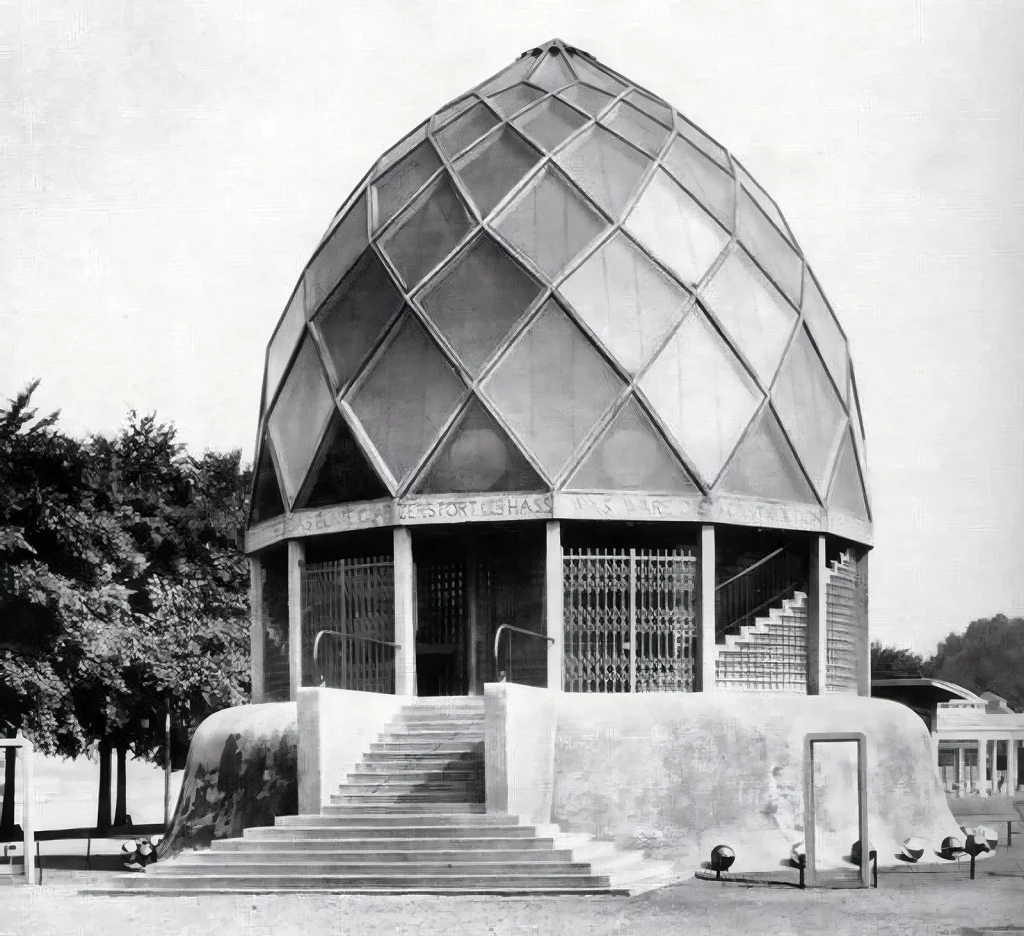
Bruno Taut’s Glass Pavilion built for the 1914 Werkbund Exhibition embodied the spiritual ideals of expressionist architecture. Constructed entirely of glass the pavilion used colour light and reflection to create an immersive emotional experience. Although temporary its influence was profound demonstrating how transparency and material experimentation could evoke wonder and transcendence. The pavilion became a manifesto for expressive modern design.
Centennial Hall, Wroclaw, Poland
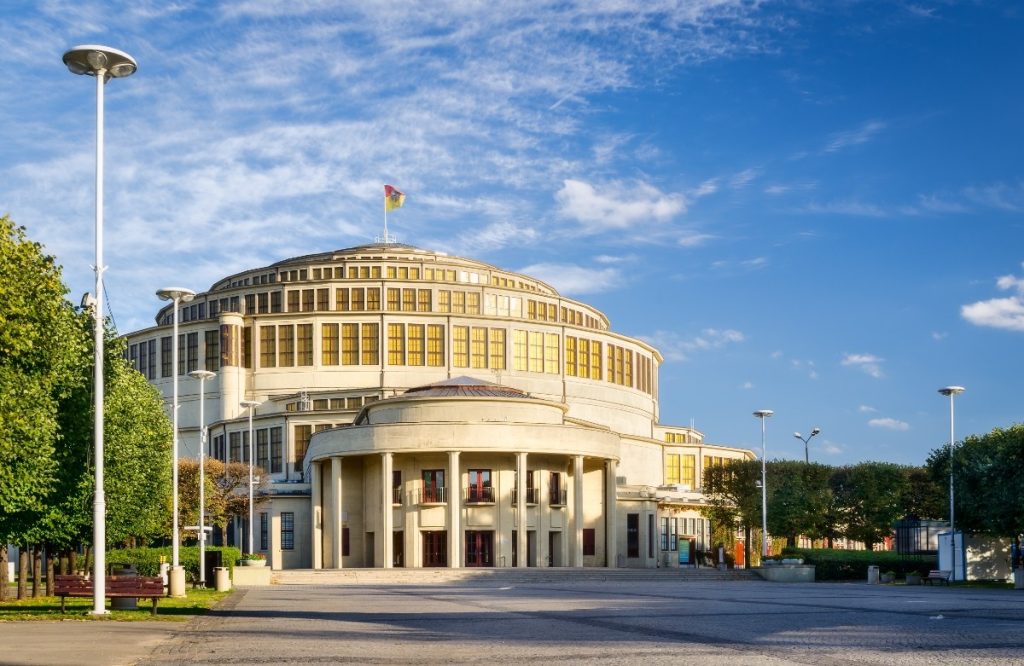
Centennial Hall by Max Berg blends expressionist ambition with structural innovation. Its vast concrete dome created a powerful interior space that evokes monumentality and emotion through scale and light. The building’s bold form and material honesty reflect expressionist ideals while anticipating later modernist techniques. It remains a landmark of early twentieth century architecture demonstrating how expressionism could achieve both emotional impact and engineering excellence.