Deconstructivist architecture looks like a building mid argument with itself. Walls tilt collide and appear to be moments away from rebellion. Nothing lines up politely and nothing behaves as expected. This is architecture that refuses to sit still or play by the rules. Emerging at the end of the twentieth century deconstructivism arrived like a loud disruptive voice in a room full of polite modernism. It questioned certainty mocked symmetry and proved that buildings could express tension instability and intellectual ambition all at once. Love it or loathe it deconstructivism made architecture exciting again. This type of an architectural movement emerged in the late twentieth century challenging traditional ideas of order structure and harmony. Influenced by philosophical theory particularly the ideas of Jacques Derrida the style rejects clear hierarchy and stable forms. Instead it embraces fragmentation distortion and unexpected relationships between elements. Deconstructivist buildings appear dynamic unpredictable and intentionally incomplete creating a sense of motion and disruption.
The Origins And Intellectual Foundations
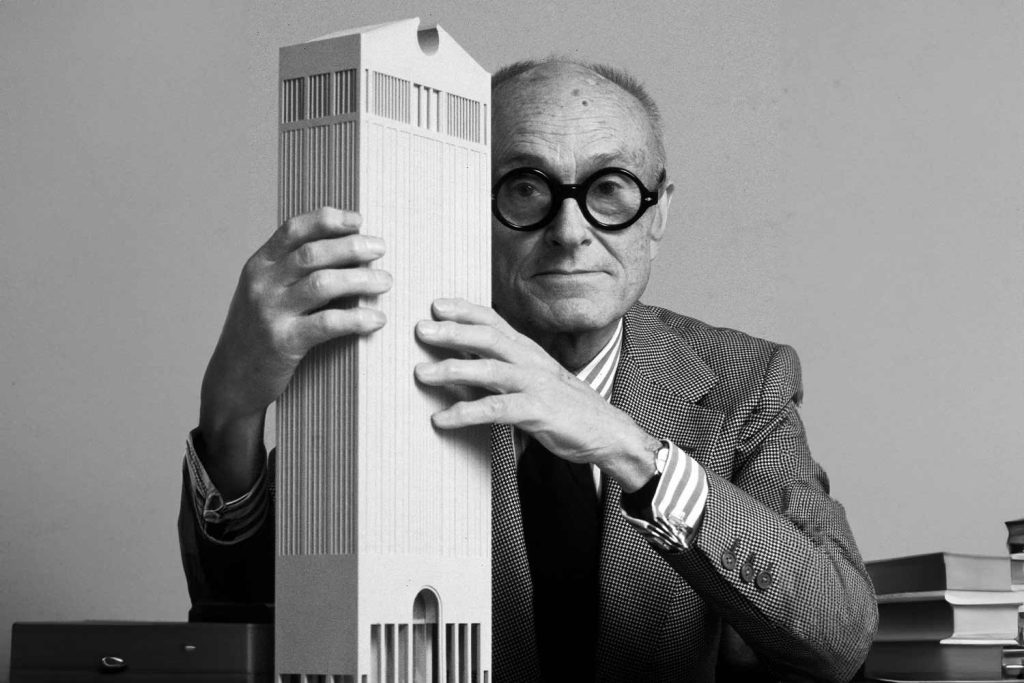
The roots of deconstructivism lie in postmodern thought and critical theory. Architects sought to break free from the rigid logic of modernism which prioritised function clarity and efficiency. The movement gained prominence through the 1988 exhibition at the Museum of Modern Art in New York curated by Philip Johnson and Mark Wigley. This exhibition positioned deconstructivism as a serious architectural discourse rather than mere visual experimentation.
Key Features Of Deconstructivist Architecture
Deconstructivist buildings are characterised by fragmented forms sharp angles overlapping volumes and a deliberate sense of instability. Traditional elements such as walls roofs and floors are reimagined as abstract planes. Materials like steel glass and concrete are used to emphasise tension and contrast. Spatial organisation is often complex challenging conventional movement and perception. The result is architecture that feels more like a sculptural composition than a static building.
Modern Interpretations Of Deconstructivism
In contemporary practice deconstructivism has evolved from radical rebellion into a sophisticated design language. Advances in digital modelling and construction technology allow architects to realise complex geometries with precision. Modern interpretations often balance dramatic form with structural logic and sustainability. Architects now use deconstructivist principles to create cultural landmarks airports and urban icons that push boundaries while remaining functional.
The Cultural Impact And Criticism
Deconstructivism has always been polarising. Critics argue that it prioritises form over function and creates spaces that can be disorienting. Supporters counter that the style expanded architectural expression and challenged complacency. Regardless of opinion deconstructivism forced architecture to engage with philosophy emotion and narrative in new ways. It questioned the idea that buildings must be orderly to be meaningful.
Iconic Deconstructivist Buildings
Guggenheim Museum, Bilbao, Spain
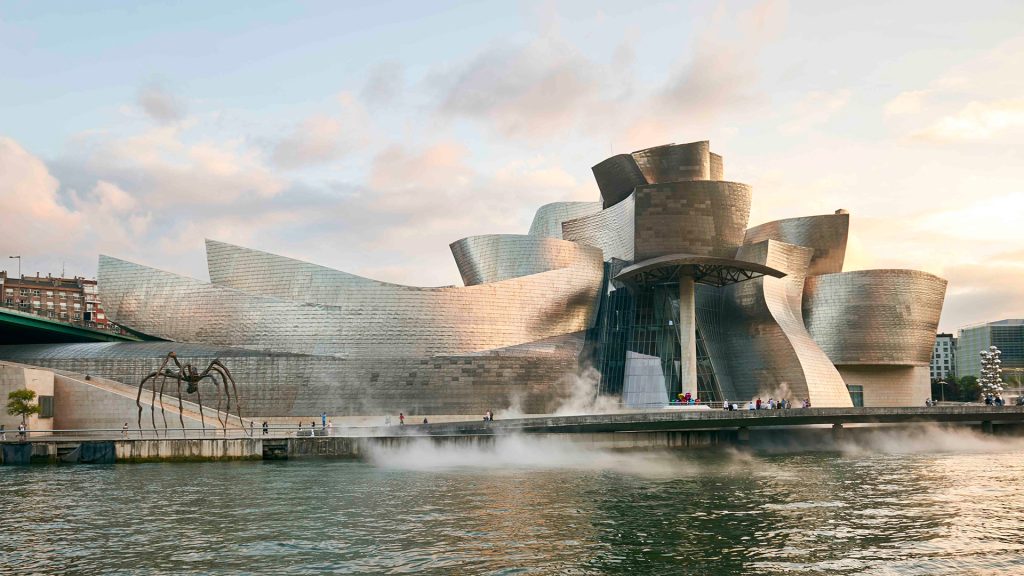
The Guggenheim Museum Bilbao stands as the most influential deconstructivist building ever constructed. Designed by Frank Gehry its swirling titanium forms shattered conventional museum design and demonstrated architecture’s power to transform an entire city. The building appears in constant motion with fragmented volumes colliding and unfolding along the riverfront. It proved that deconstructivism could be both intellectually provocative and publicly beloved redefining the relationship between architecture culture and urban regeneration.
Jewish Museum, Berlin, Germany
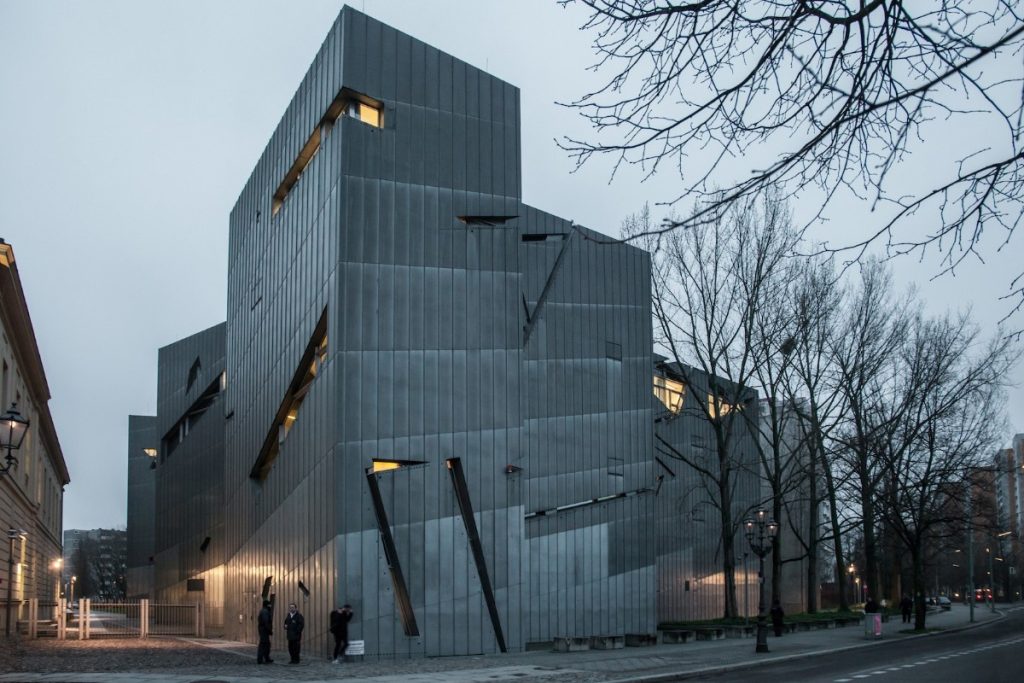
Designed by Daniel Libeskind the Jewish Museum Berlin uses deconstructivist language to express history trauma and memory. Sharp angles fractured geometry and voids cut through the building creating emotional spatial experiences. The architecture deliberately disrupts movement and orientation forcing visitors to engage physically and psychologically with the narrative. It remains one of the most powerful examples of architecture used as a storytelling medium.
Vitra Fire Station, Weil am Rhein, Germany
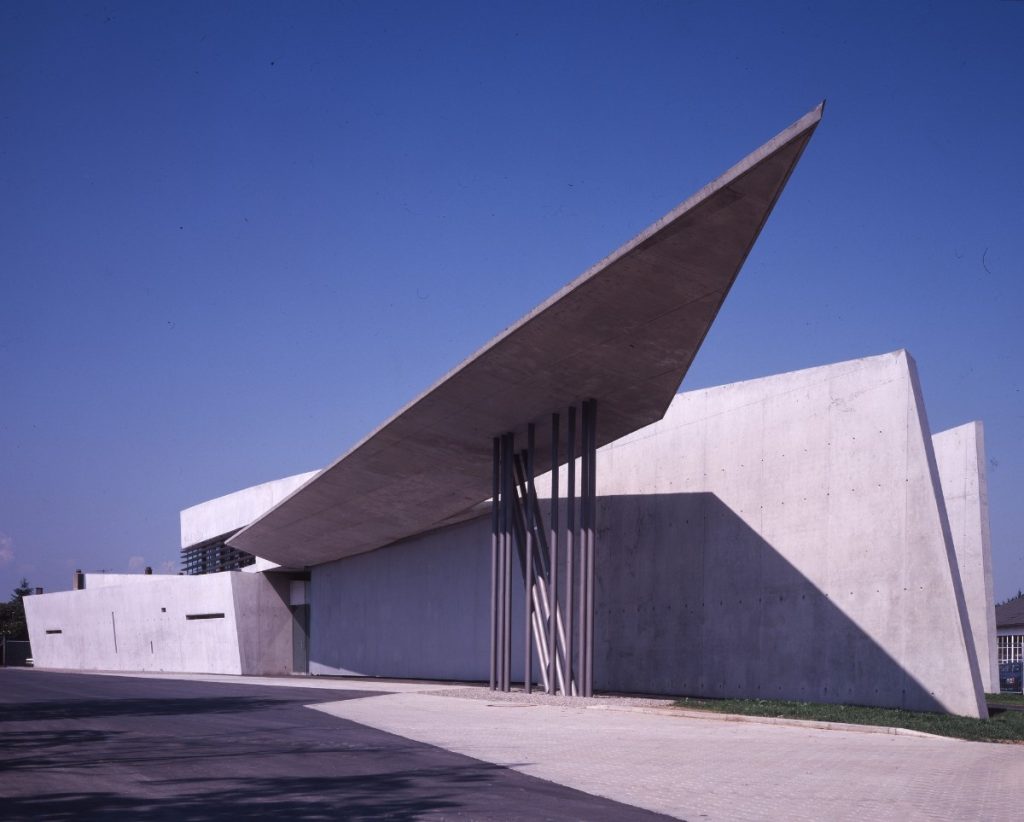
Zaha Hadid’s Vitra Fire Station marked her transition from visionary drawings to built reality. The building’s sharp lines dynamic planes and dramatic tension create a sense of frozen motion. Although modest in scale the structure introduced deconstructivist principles into functional architecture. It announced a new architectural voice that would later redefine global contemporary design.
Wexner Center for the Arts, Columbus, Ohio, United States
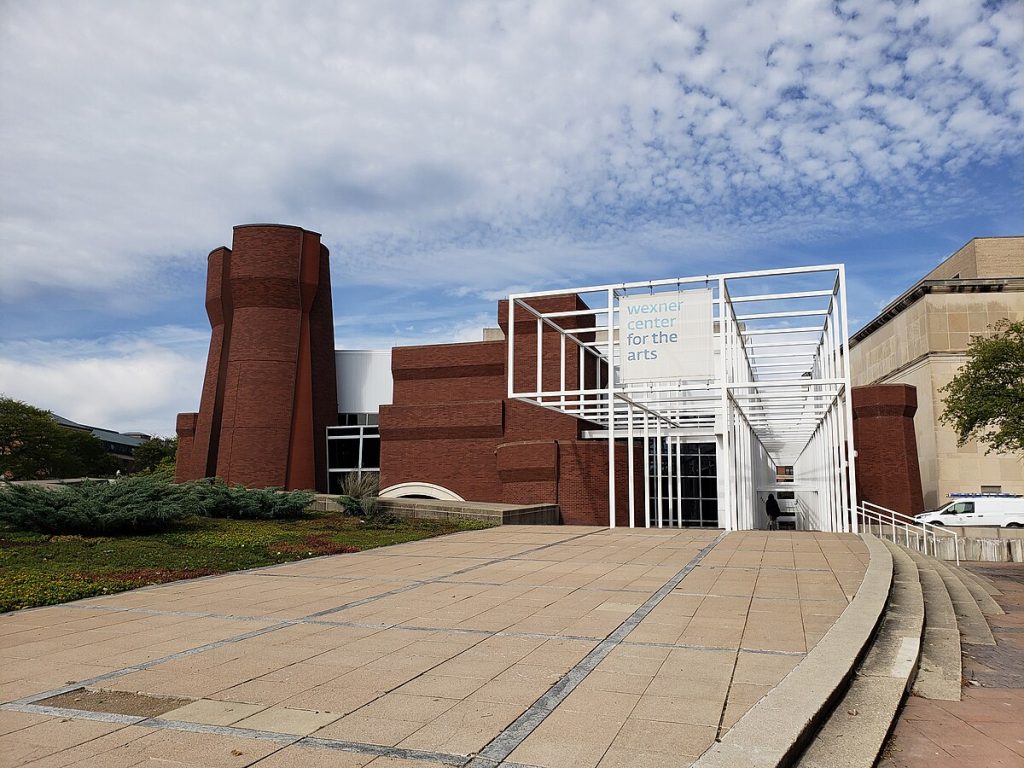
Peter Eisenman’s Wexner Center explores deconstruction through conceptual layering and dislocation. Fragmented grids incomplete forms and intersecting geometries challenge traditional architectural expectations. The building deliberately avoids visual closure encouraging interpretation and debate. It represents the theoretical heart of deconstructivism emphasising intellectual exploration over visual comfort.
CCTV Headquarters, Beijing, China

Designed by OMA under Rem Koolhaas the CCTV Headquarters reinterprets deconstructivism for the twenty first century. Its looping structure defies conventional skyscraper form replacing vertical stacking with continuous circulation. The building combines radical geometry with advanced engineering demonstrating how deconstructivist ideas evolved into large scale urban infrastructure. It stands as a symbol of architectural experimentation on a global stage.
Why These Buildings Still Matter
These deconstructivist landmarks changed how architects think about structure space and meaning. They challenged assumptions expanded formal vocabulary and embraced complexity. Even decades later they continue to influence contemporary architecture proving that controlled chaos can become lasting cultural significance.