Top Architecture Duos Redefining Contemporary Architecture
One idea sharpened and challenged by two distinct minds, where design is shaped through dialogue, trust, creative friction, and the rare ability to think together without losing individual voice
Architecture is often presented as the work of a single genius standing heroically over a sketchbook. In reality some of the most interesting buildings in the world were born from conversation disagreement compromise and the occasional stubborn refusal to back down. When two architects think together something different happens. Ideas are tested challenged and refined until only the strongest survive. The result is architecture with depth balance and a clarity that rarely comes from working alone. These five duos prove that partnership when done right can be one of the most powerful design tools there is.
Kazuyo Sejima and Ryue Nishizawa
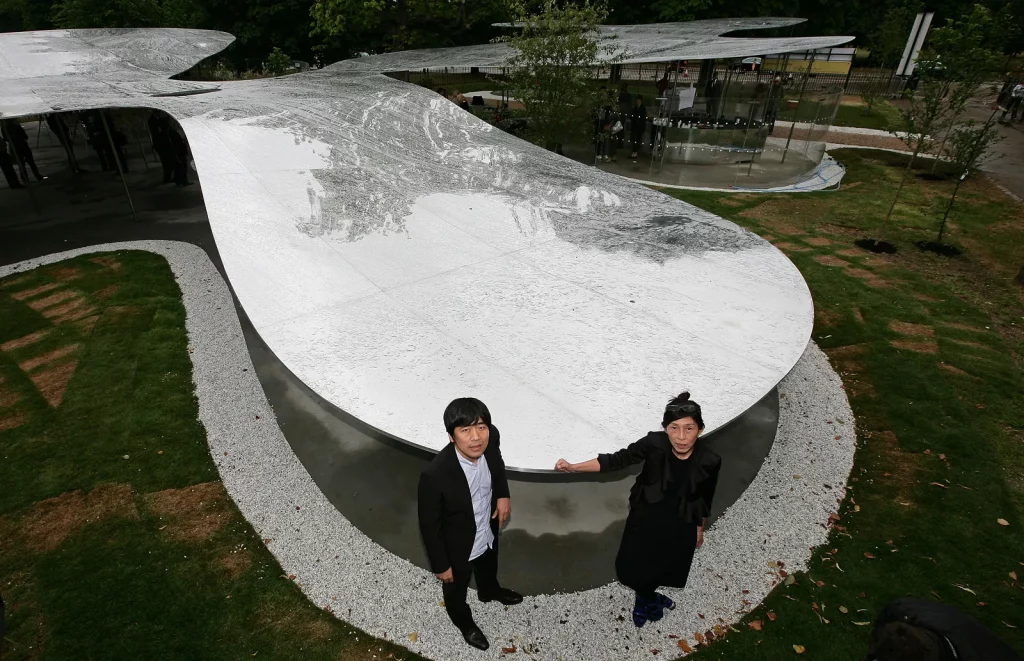
Working together as SANAA Kazuyo Sejima and Ryue Nishizawa redefined what modern architecture could feel like. Their buildings appear almost weightless dissolving boundaries between inside and outside. Using transparency reflection and minimal structure they create spaces that feel calm open and quietly radical. Their work shows how restraint clarity and collaboration can produce architecture of remarkable elegance and influence.
Jacques Herzog and Pierre de Meuron
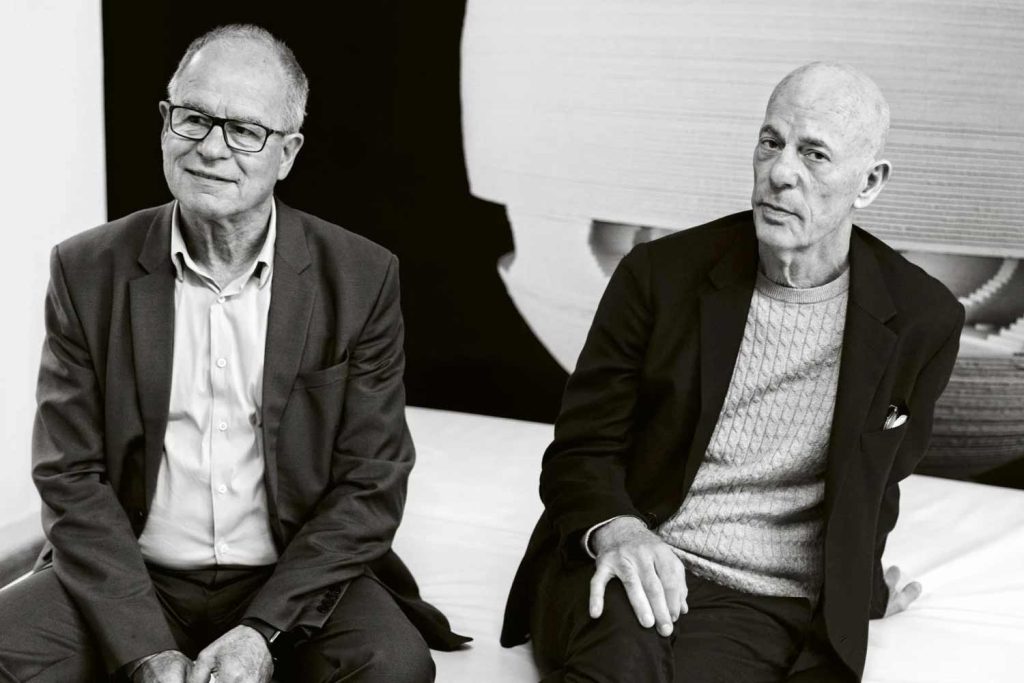
Jacques Herzog and Pierre de Meuron built a practice on curiosity experimentation and constant reinvention. They never repeat themselves and never settle for the obvious. From museums to stadiums their work explores texture surface and material in ways that challenge expectation. Together they proved that collaboration could produce architecture that is both intellectually rigorous and visually unforgettable.
Raili Pietilä and Reima Pietilä
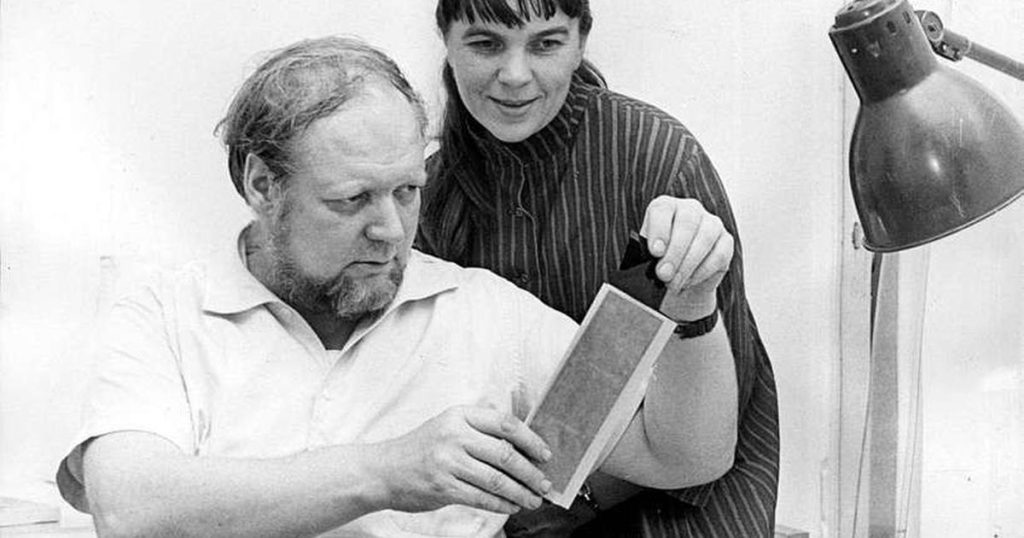
Raili and Reima Pietilä rejected rigid modernism in favour of architecture inspired by landscape language and culture. Their work feels expressive complex and deeply rooted in place. They treated architecture as a living system rather than a static object. Through their partnership they showed how intuition emotion and regional identity could coexist with modern design principles.
Alison and Peter Smithson
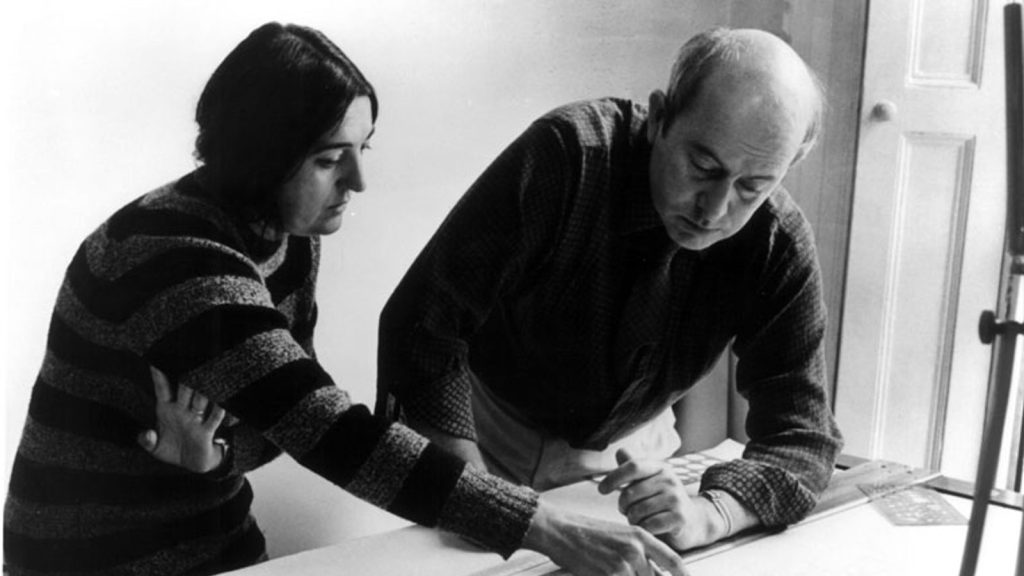
Alison and Peter Smithson challenged how cities were planned and how people lived within them. Their ideas were bold controversial and often ahead of their time. They questioned traditional urban hierarchies and explored new forms of collective living. Together they reshaped architectural discourse even when their buildings divided opinion.
Also Read: Top 5 Italian Architects Who Changed The Landscape Of Modern Architecture
Denise Scott Brown and Robert Venturi
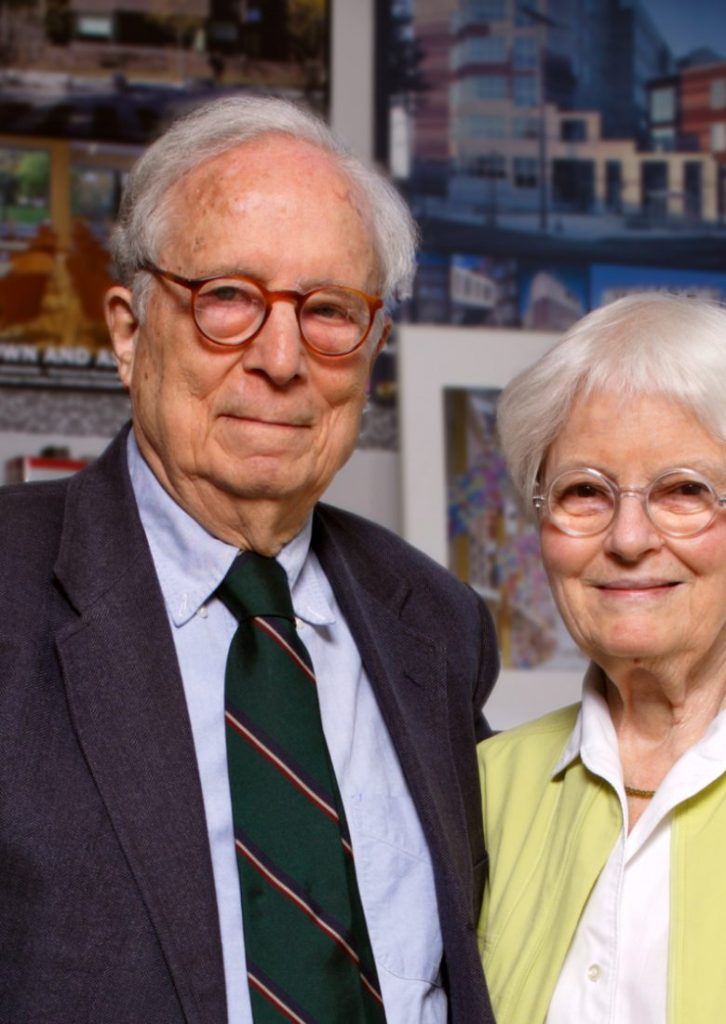
Denise Scott Brown and Robert Venturi altered architectural thinking as much through writing as through buildings. They challenged modernist purity and embraced complexity contradiction and everyday culture. Their partnership reshaped how architects view symbolism context and popular influence. They proved that architecture could be intellectually playful and culturally aware without losing seriousness.
These duos show that architecture thrives on dialogue. Two voices sharpen ideas expose weaknesses and push projects further than one mind alone. In a discipline built on collaboration the most enduring work often comes from those who were willing to share authorship and think together.