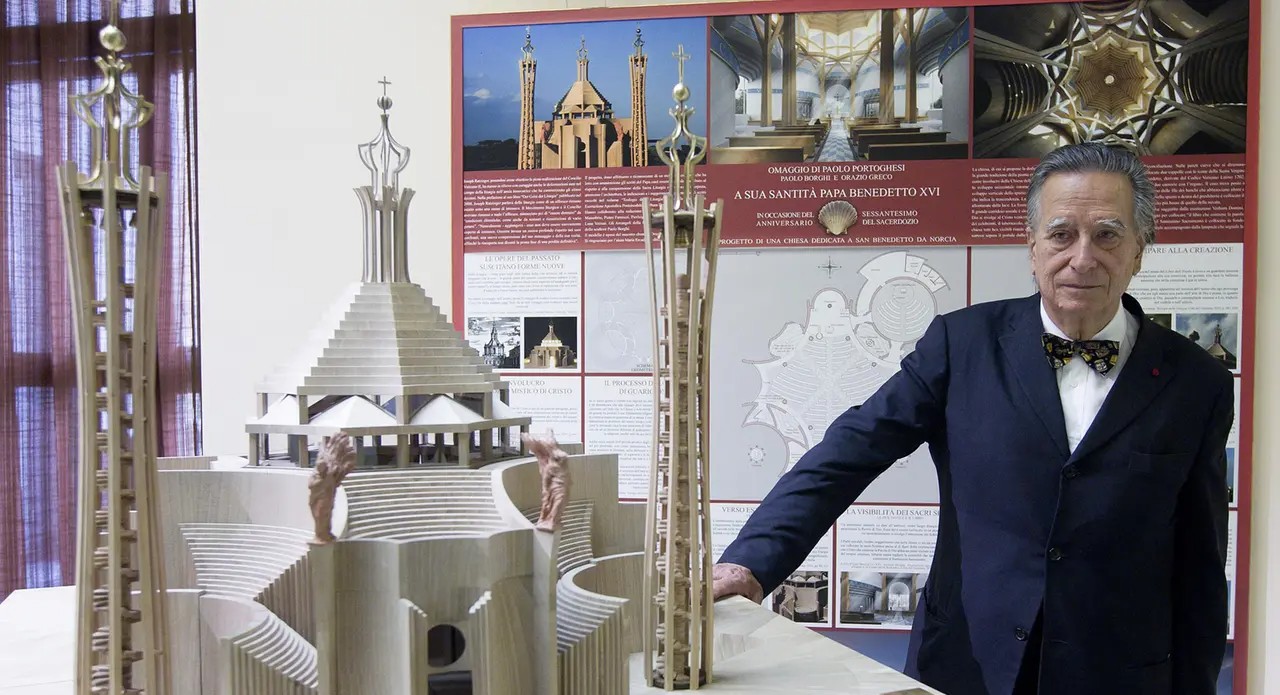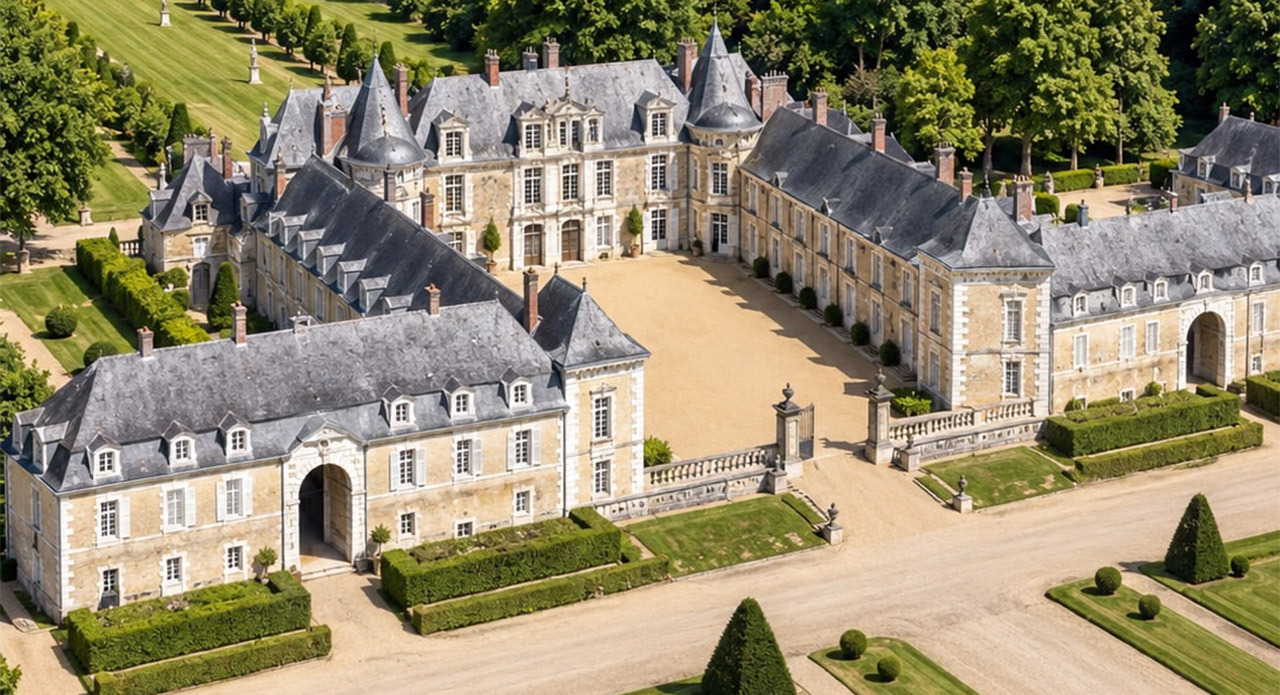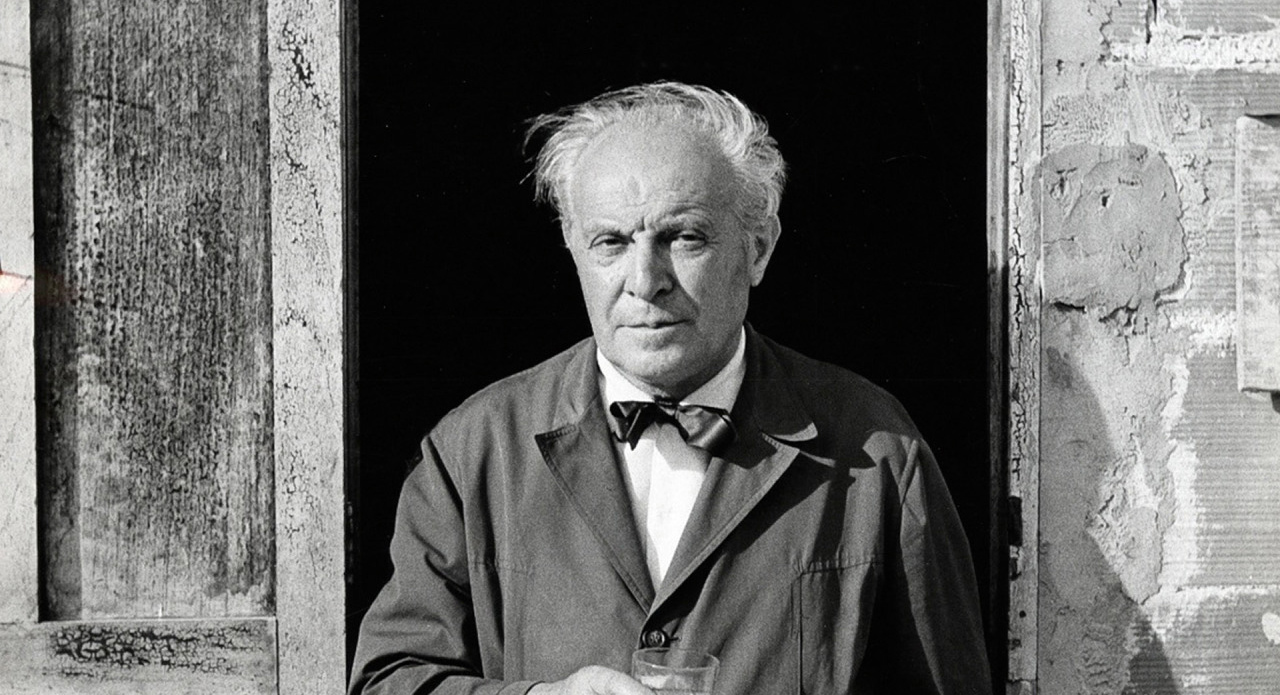


Italy does not treat architecture as a profession, but as a cultural obligation. This is a country where stone remembers centuries hands understand materials instinctively and buildings are expected to age with grace rather than chase novelty. Even when Italian architects pushed into modernity they carried history with them whether they liked it or not. The result is an architecture that feels grounded confident and impossibly refined. The following five figures did not merely design buildings they changed how the world understands space structure and beauty.
Leon Battista Alberti

Leon Battista Alberti approached architecture as both science and art. He believed beauty could be rational measured and taught, and his writings laid the intellectual foundations of Western architecture influencing centuries of design thinking. Alberti did not just shape buildings but shaped how architects think. Proportion harmony and order became tools rather than instincts and architecture emerged as a discipline with authority.
Gian Lorenzo Bernini

Refusing to let architecture stand still, Bernini’s buildings twist, swell, and perform creating spaces filled with drama and tension. Working across architecture sculpture and urban design he transformed cities into theatrical experiences. The architect showed that his creations could move people emotionally not just physically. His influence still echoes wherever buildings aim to inspire awe rather than obedience.
Carlo Scarpa
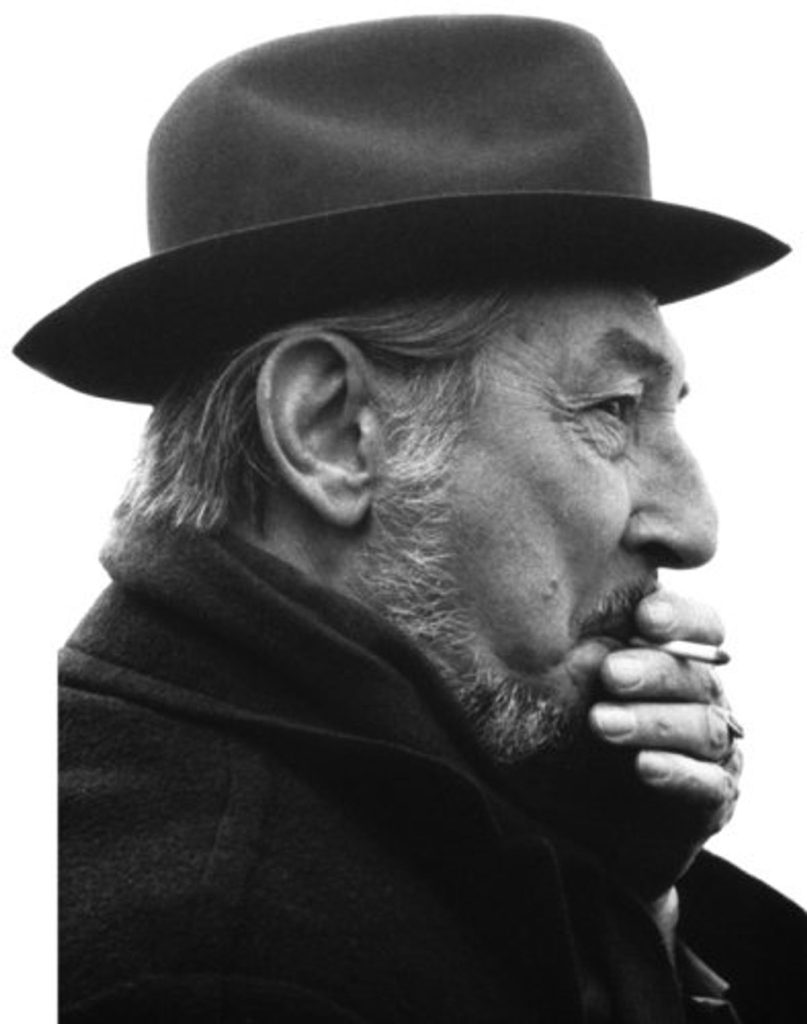
Treating architecture as a craft, Scarpa practiced at the scale of the hand, every joint material transition and surface was considered with obsessive care. His renovations and museums reveal a deep respect for history combined with precise modern intervention. He proved that modern architecture could be intimate tactile and deeply intellectual at the same time.
Gio Ponti
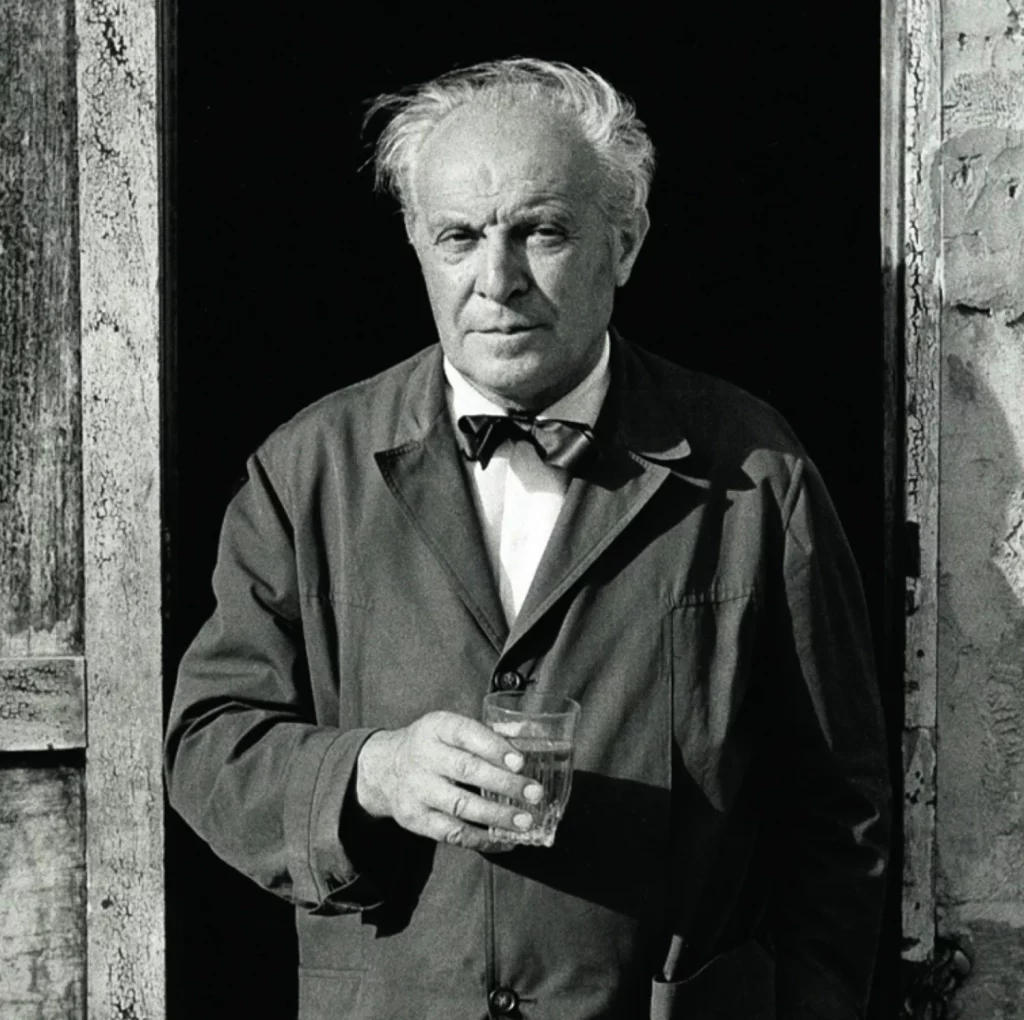
Believing modern architecture should be light optimistic and refined, Ponti’s work bridged tradition and innovation with remarkable ease. From furniture to skyscrapers; Ponti brought Italian elegance into modern life. He understood that beauty and functionality were not opposites but partners. His influence shaped not just buildings but how modern Italians lived.
Angelo Mangiarotti
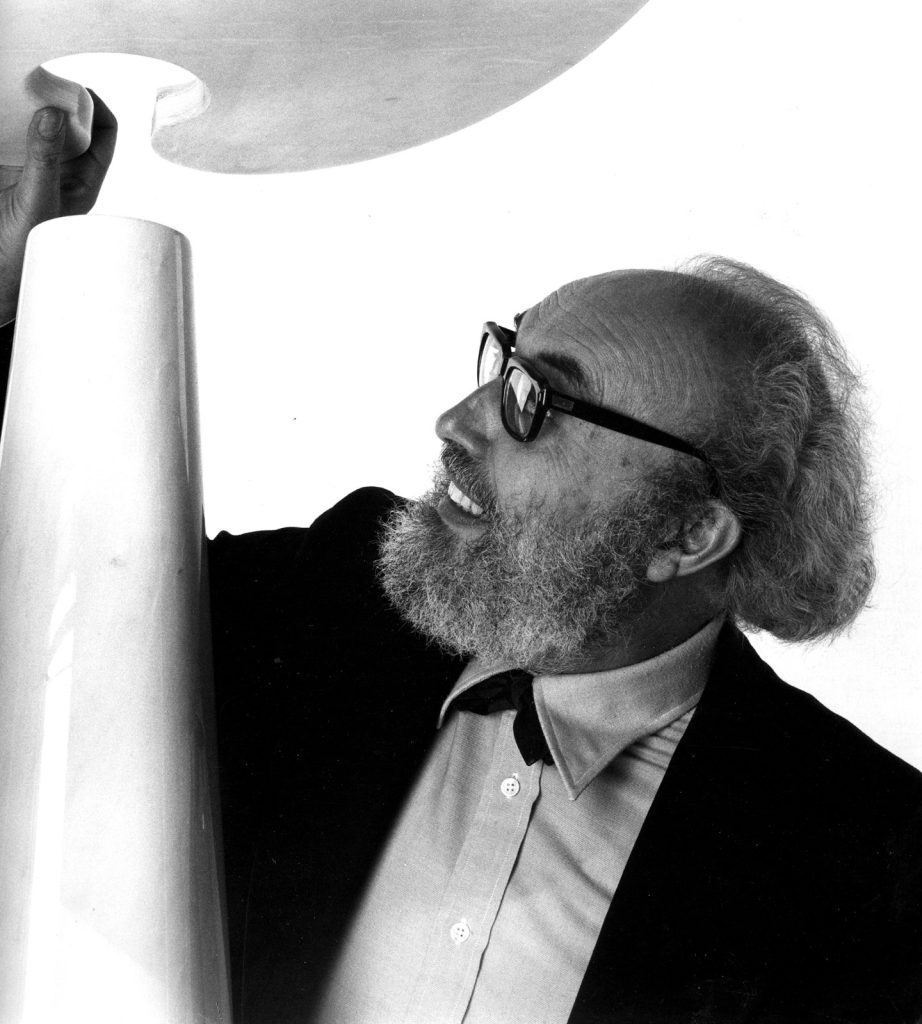
Merging structural logic with sculptural expression, Mangiarotti’s work often celebrates joints gravity and the honest behaviour of materials. He believed architecture should be assembled intelligently rather than disguised. His designs feel rigorous yet expressive showing how engineering clarity can become visual poetry.