Top Belgian Architects Who Shaped Modern Architecture
Belgium may be a small country on the map, but its contribution to the world of architecture has been remarkably influential. Sitting at the crossroads of European cultures, Belgium developed an architectural identity that constantly balanced heritage with experimentation. From the flowing curves of Art Nouveau to the raw power of concrete modernism and the […]
Belgium may be a small country on the map, but its contribution to the world of architecture has been remarkably influential. Sitting at the crossroads of European cultures, Belgium developed an architectural identity that constantly balanced heritage with experimentation. From the flowing curves of Art Nouveau to the raw power of concrete modernism and the refined minimalism of contemporary design, Belgian architects have repeatedly challenged the traditional boundaries of what a building should be. Rather than chasing spectacle alone, many of the country’s leading architects focus on atmosphere, materiality and the emotional experience of space. They explore how light enters a room, how materials age over time, how structures interact with landscapes and how architecture can influence the way people live. This unique approach has produced some of the most thoughtful voices in global design, with Belgian architecture becoming recognised for its quiet confidence, technical precision and ability to transform everyday spaces into unforgettable experiences. From sculptural public installations to deeply considered private residences, these architects continue to prove that great architecture is not only about creating objects, but about creating connections between people, places and time.
Gijs Van Vaerenbergh
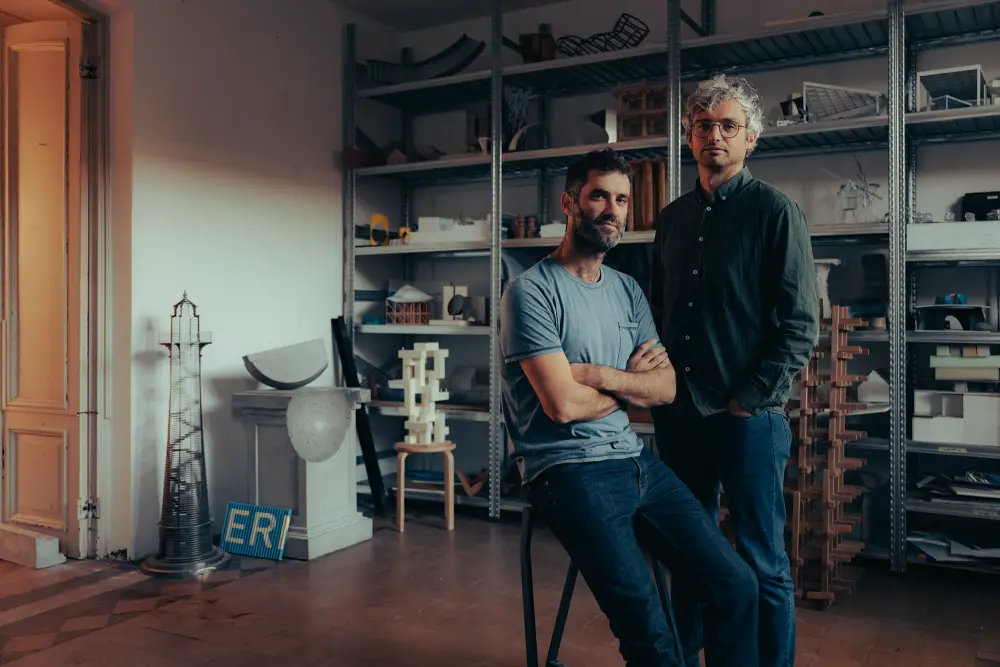
The Belgian duo Gijs Van Vaerenbergh works at the intersection of architecture, art and public space, creating projects that challenge the way people see and interact with their surroundings. Their work often begins with simple structural ideas but transforms them into powerful spatial experiences. Through repetition, transparency and carefully controlled visual effects, they explore the relationship between what is solid and what appears to disappear. Their installations question the traditional boundaries of architecture, showing that a structure does not always need to be enclosed to create a meaningful place.
Also Read: Top Sports Centres That Have Become Global Architectural Icons
Vincent Van Duysen
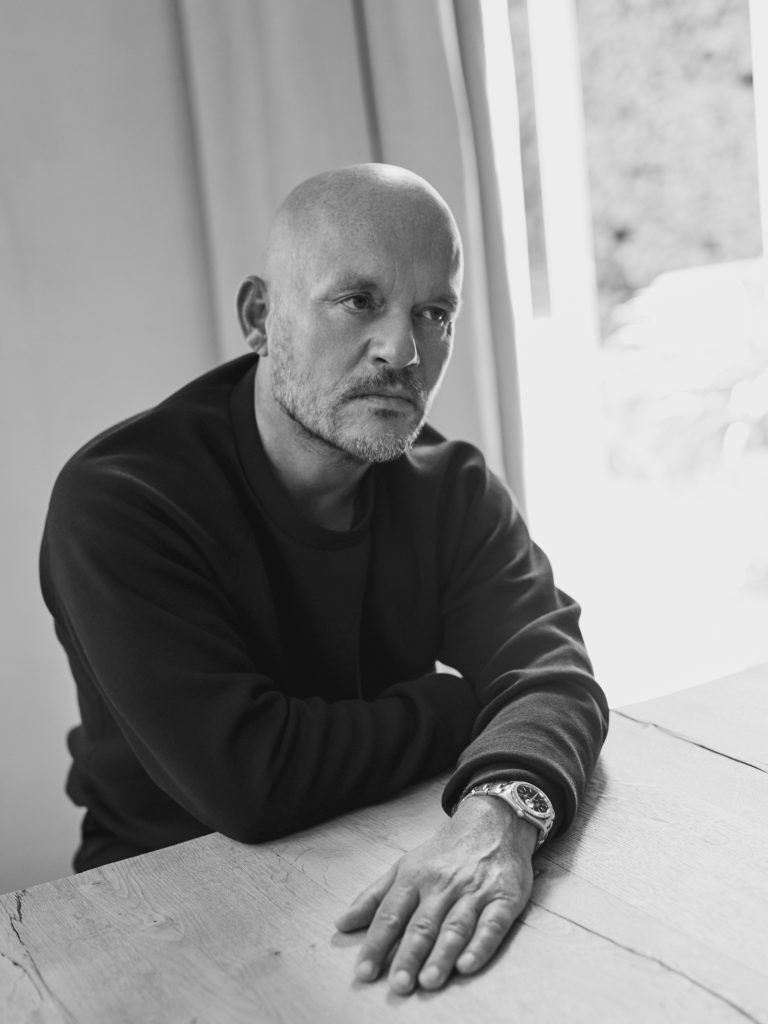
Vincent Van Duysen has become one of Belgium’s most recognised contemporary architectural voices, known for spaces defined by restraint, balance and timeless elegance. His architectural language focuses on proportion, natural materials and atmosphere rather than unnecessary decoration. Moving seamlessly between architecture, interiors and product design, Van Duysen creates environments where stone, wood, light and texture work together. His projects demonstrate that luxury does not always come from excess; sometimes it is found in simplicity, silence and perfectly considered details.
Juliaan Lampens
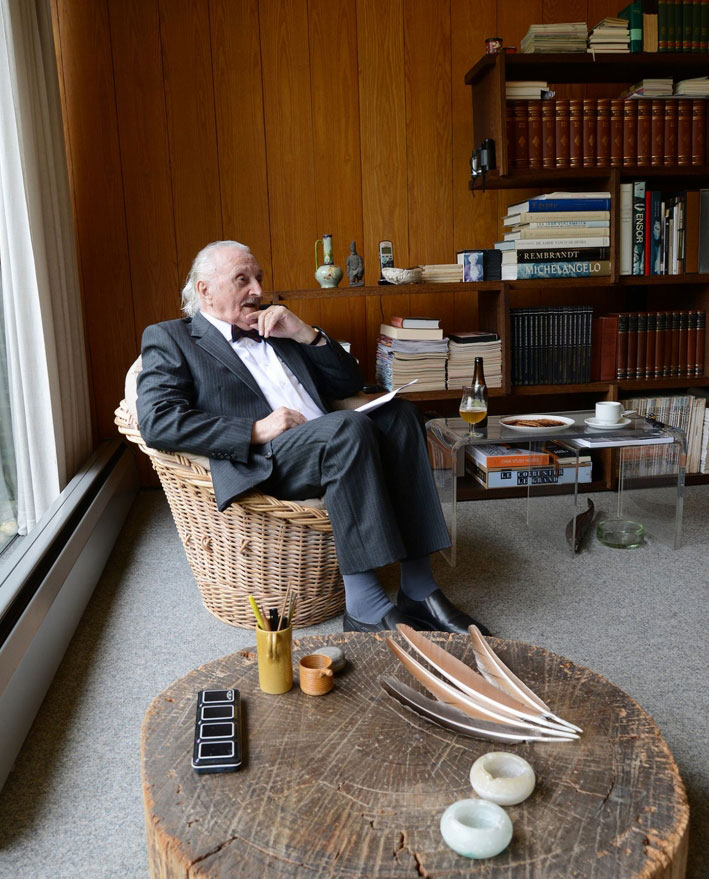
A major figure in Belgian modern architecture, Juliaan Lampens challenged traditional ideas of domestic and public space through his bold use of concrete and open spatial arrangements. His work explored brutalist principles while creating environments that felt deeply connected to human activity. Rather than separating architecture, furniture and daily life, Lampens often designed them as one complete system. His buildings remain powerful examples of architecture as a sculptural and social experience.
Xaveer De Geyter
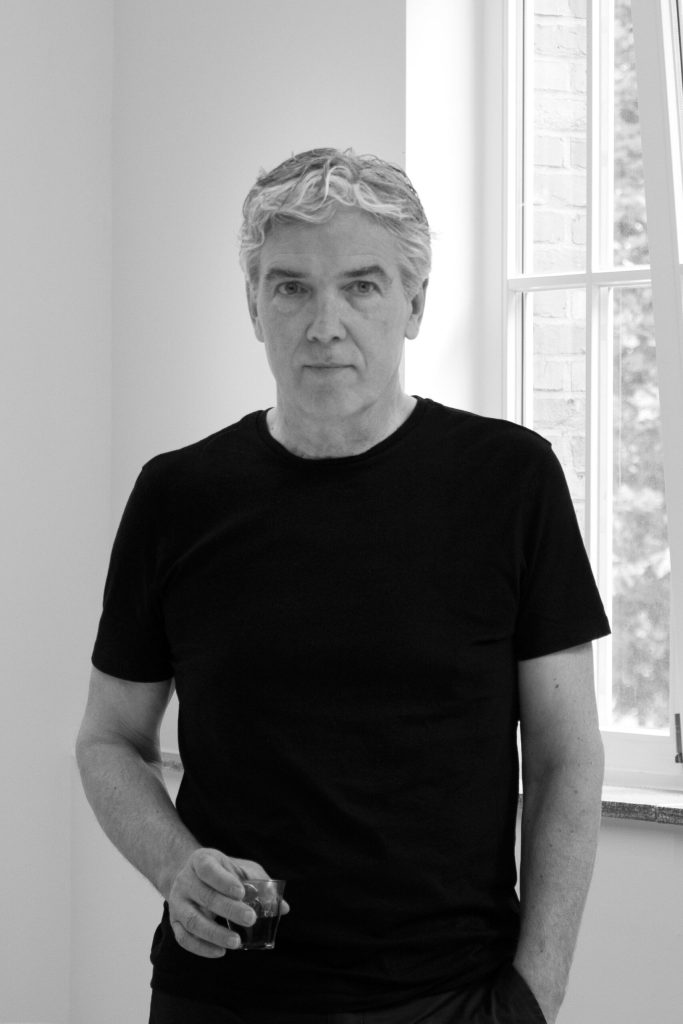
Xaveer De Geyter is one of Belgium’s influential contemporary architects known for exploring the relationship between architecture, landscape and urban development. After working with Office for Metropolitan Architecture, De Geyter founded his own practice and developed a reputation for projects that question how cities evolve. His approach combines research, planning and architectural experimentation, creating buildings that respond to complex urban conditions rather than simply filling space. His work often investigates density, infrastructure and the changing relationship between people and the modern city.
Bob Van Reeth

Bob Van Reeth played a significant role in shaping contemporary Belgian architecture through his belief that buildings must respond to their surroundings. As the founder of ArchitectenWerk, he promoted an approach where architecture was connected to history, landscape and everyday life. His designs avoid unnecessary spectacle, focusing instead on thoughtful relationships between old and new. Through careful use of materials and context, Van Reeth demonstrated how architecture can respect tradition while moving forward.