Torres del Parque: The Unique Design, History, And Legacy of Bogotá’s Iconic Towers
Torres del Parque proves that the greatest architecture does not fight its surroundings but listens to them, where concrete, brick and nature come together to create a living structure that feels less like a tower and more like a part of the city itself
There are buildings that simply occupy a piece of land, and then there are buildings that seem to understand the place they stand on. Torres del Parque belongs firmly to the second category. Rising above Bogotá with its warm brick curves and terraces, the project does not look like a typical collection of apartment blocks designed to squeeze as many people as possible into the sky. Instead, it feels like a carefully choreographed conversation between architecture, landscape and the city itself. Designed by Colombian architect Rogelio Salmona and completed in the 1970s, Torres del Parque became a defining moment in Latin American architecture, proving that modern buildings did not have to arrive wrapped in glass and steel to announce their importance.
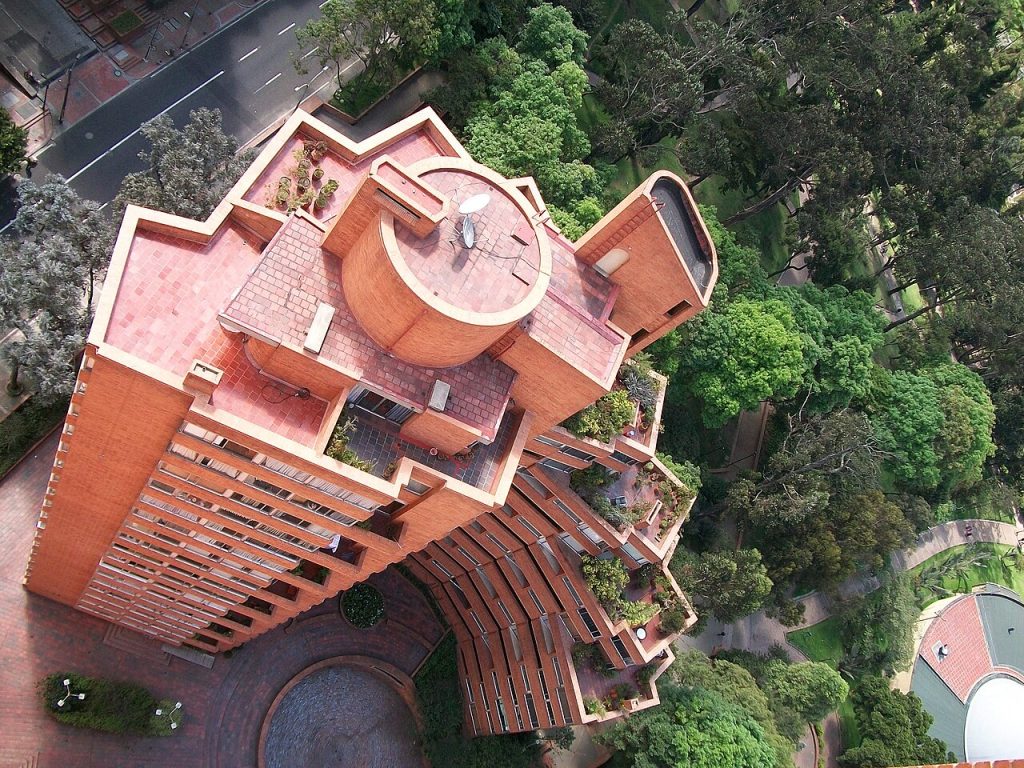
The Story Begins With A Different Idea Of What A City Tower Could Be
When Salmona began designing Torres del Parque, Bogotá was experiencing rapid growth and transformation. Like many expanding cities, the temptation was simple: build higher, build faster and forget everything else. But Salmona had another idea. He believed architecture should not overpower the city but become part of its rhythm.
The project was developed near Plaza de Toros de Santamaría, an area with strong historical character. Instead of creating isolated towers surrounded by empty concrete, Salmona designed a network of curved residential buildings connected through gardens, walkways, terraces and public spaces. The result was not just housing. It was a miniature urban ecosystem.
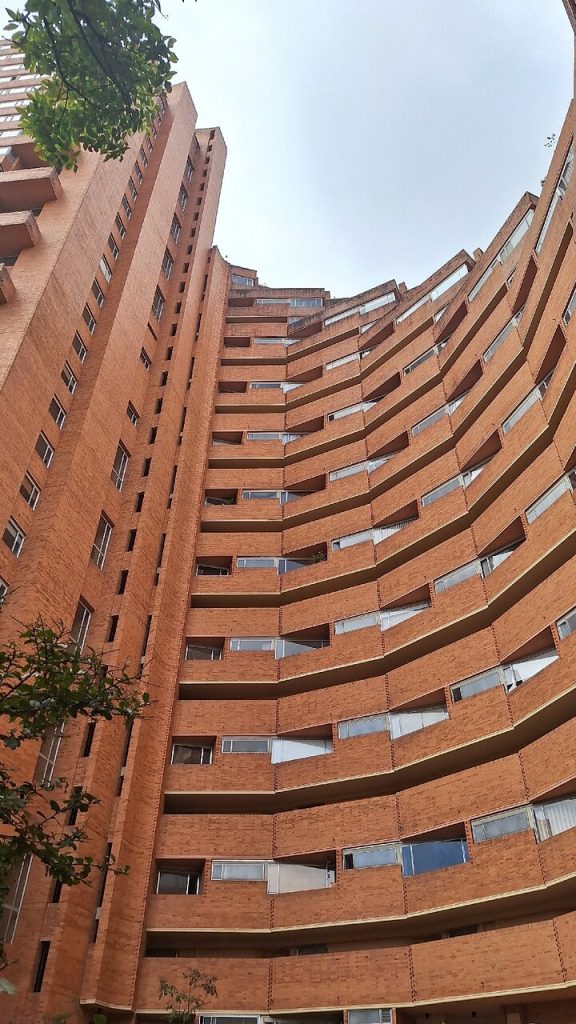
The Curves Of Torres Del Parque Were Designed To Follow Life Rather Than Geometry
Most towers are built like rulers. Straight lines, sharp corners and repetitive floors marching upwards with military discipline. Torres del Parque decided to ignore that rule. The buildings curve and rotate, creating different views, different relationships with sunlight and different experiences from every angle. The apartments were arranged so residents could constantly interact with Bogotá’s landscape, especially the surrounding hills.
The architecture feels almost organic, as if the towers grew from the ground rather than being placed on it. This was one of Salmona’s greatest achievements: making a large residential project feel human. The terraces step back gradually, allowing greenery to enter the design and preventing the towers from becoming overwhelming walls of concrete.
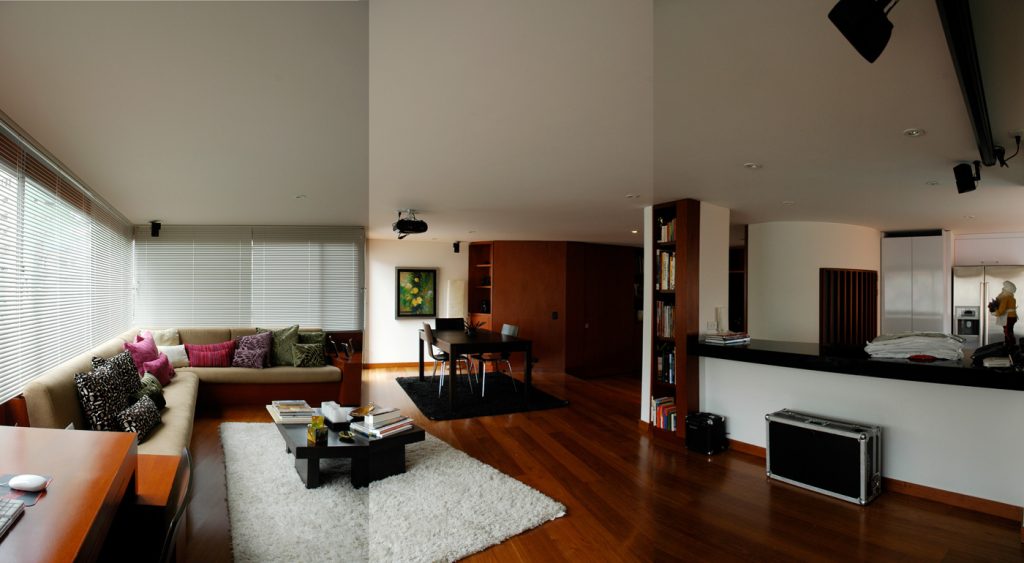
Brick Became The Signature Material That Connected The Building To Colombia
Salmona’s love affair with brick was not simply an aesthetic decision. It was a cultural one. Across Colombia, brick had long been part of everyday construction, but Salmona elevated it into an architectural language. At Torres del Parque, thousands of individual bricks create texture, warmth and depth, changing character throughout the day as sunlight moves across the surfaces.
Morning light reveals details hidden in shadow. Afternoon sun creates dramatic patterns. Evening turns the towers into glowing red structures against Bogotá’s skyline. The material ages gracefully, gaining character instead of losing it. In a world obsessed with buildings that look new forever, Salmona created something that understood beauty comes from time.
Also Read: Inside Zeitz MOCAA: How a Grain Silo Became Africa’s Most Iconic Museum
The Landscape Was Not Decoration But The Heart Of The Design
One of the most remarkable things about Torres del Parque is how much importance it gives to space between the buildings. Gardens, pathways and public areas were treated as essential architectural elements rather than leftover areas. Salmona understood that a city is not made only from buildings. It is made from encounters, movement and the small moments where people cross paths. The project encourages walking, gathering and interaction. The residents are not hidden away inside private towers; they are connected to a larger community. It was architecture designed not just for living, but for belonging.