Why Courtyards Are Making A Comeback In Contemporary Architecture
An old idea that refuses to die, a square of sky that fixes everything, the quiet centre where modern homes finally make sense
Architecture like fashion loves to declare things dead. Columns gone. Ornament finished. Courtyards apparently irrelevant. And yet here we are again building houses offices hotels and even apartment blocks around a hole in the middle. A deliberate one. An intentional slice of sky. Because after decades of glass boxes that glare heat up and shout look at me we have realised something rather obvious. Humans do not actually want to live inside a fish tank.
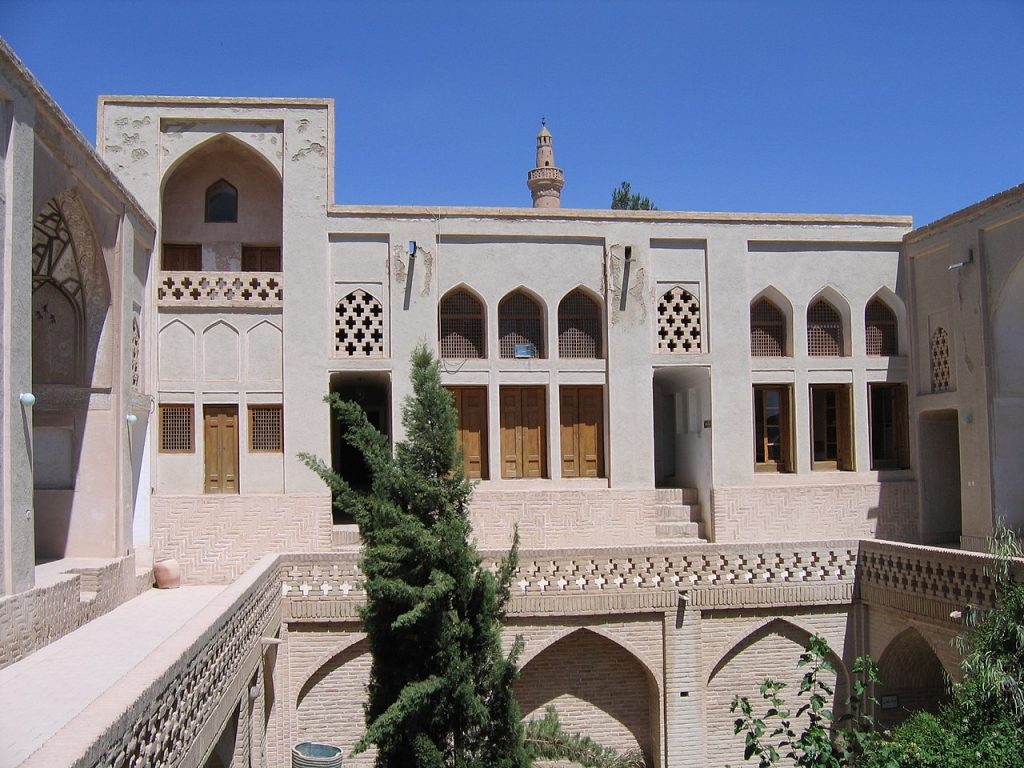
Ancient wisdom beats shiny nonsense
Courtyards are older than most civilisations that thought they were clever. From Roman villas to Indian havelis to Moroccan riads this was architecture doing its job properly. Light came in. Hot air escaped. Privacy was protected. Life happened in the middle rather than being flung at the street like a shop display. Modern architecture forgot this while it was busy showing off. Full height glass everywhere. No breathing space. No shade. Then the air conditioner went mad the electricity bill exploded and suddenly everyone remembered that a hole in the middle might actually be rather brilliant.
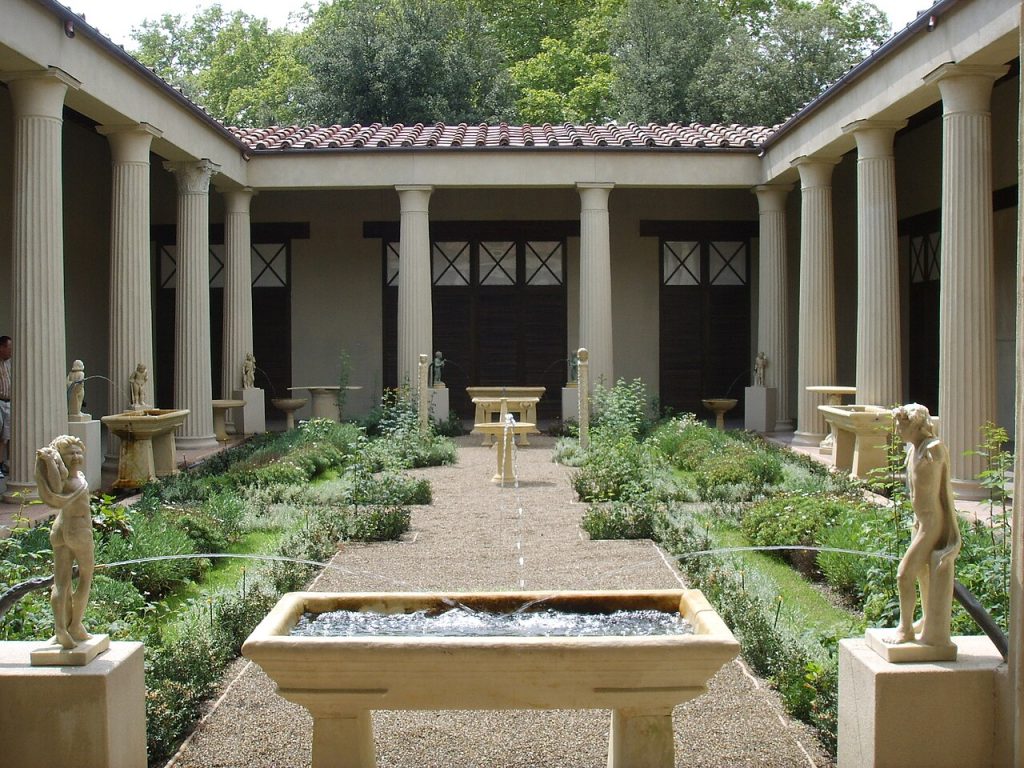
Light without the glare
The modern courtyard is not about nostalgia. It is about control. It brings daylight deep into a building without turning the interior into a greenhouse. Unlike massive street facing windows it gives you soft reflected light. The sort that architects like and photographers dream about. It also means rooms can open inward rather than constantly fighting the outside world. Bedrooms living areas kitchens all getting light without being on display to neighbours who seem to enjoy staring.
Ventilation that actually works
Here is the part where the courtyard quietly humiliates mechanical systems. Warm air rises. Cool air follows. With a courtyard this happens naturally. Air moves. Houses breathe. The building stops feeling like a sealed lunch box. In warm climates this matters enormously. In dense cities it is priceless. Architects are rediscovering that passive cooling is not a buzzword. It is physics doing you a favour.
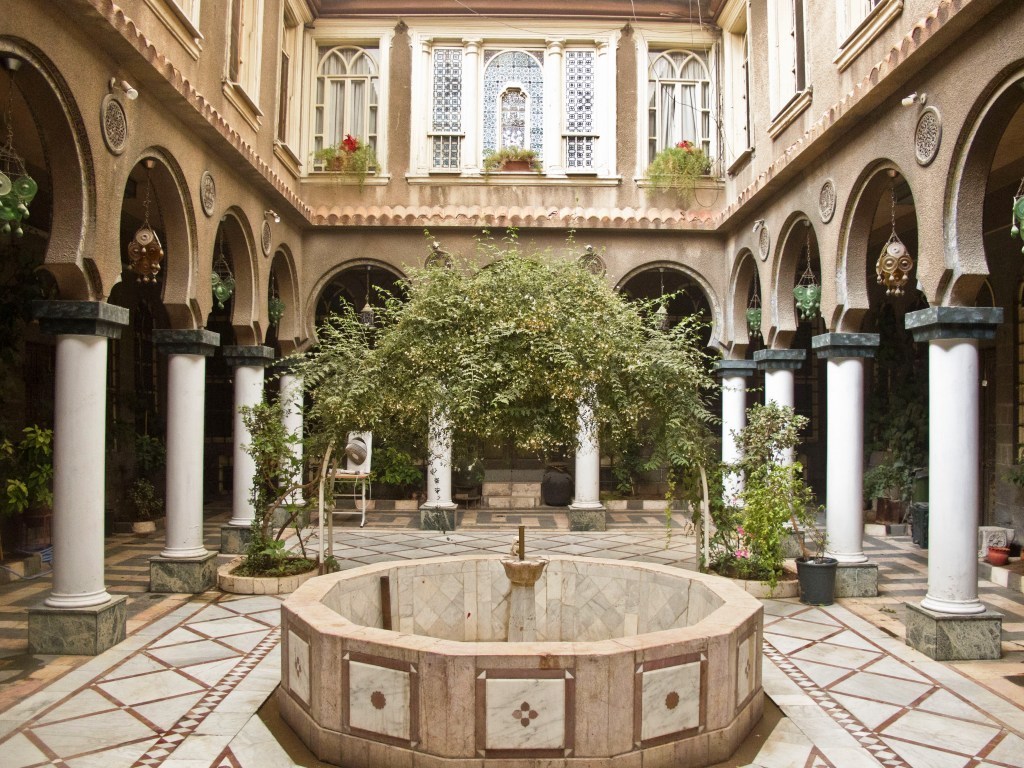
The emotional centre of the home
Here is where it gets properly interesting. Courtyards are not just functional. They are emotional. They become the heart of the building. Morning coffee happens there. Kids play there. Rain becomes an event instead of a nuisance. Modern architects love this because it gives structure to space. Instead of endless corridors and rooms floating aimlessly the courtyard anchors everything. You know where you are. You know where home is.
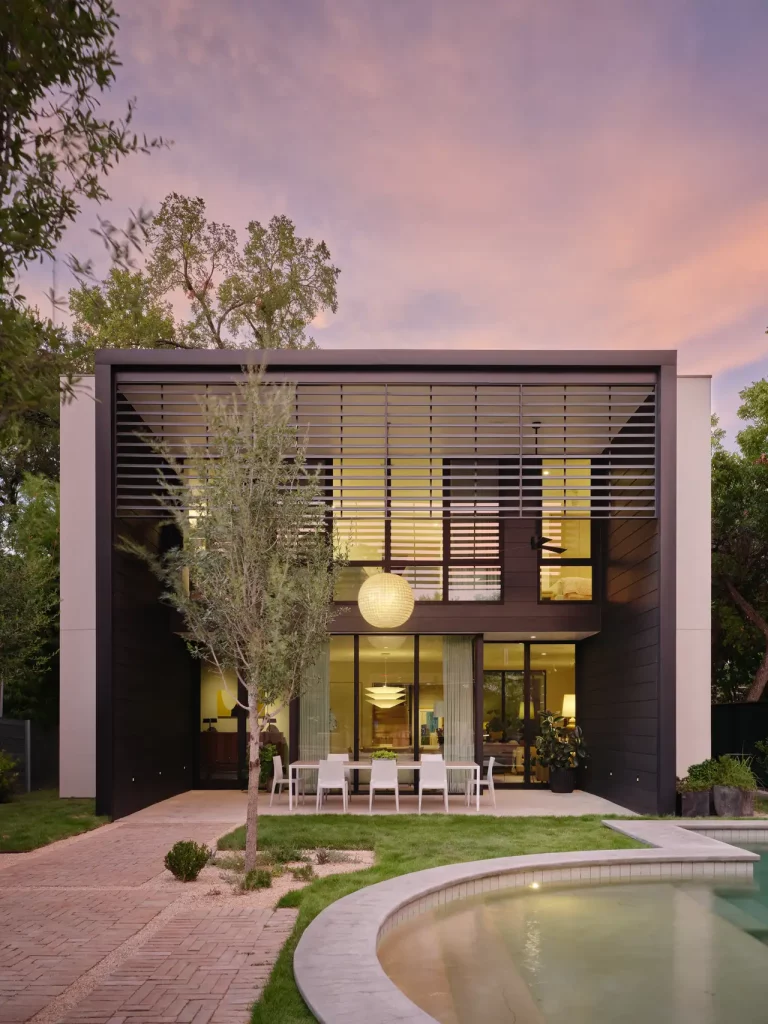
Sustainability without shouting about it
Courtyards tick all the sustainability boxes without screaming about it. Reduced reliance on artificial lighting. Better thermal performance. Improved air quality. Even water harvesting when designed cleverly. The difference is that none of this feels worthy or dull. It feels good. And when sustainable design feels good people actually want to live with it.
The comeback of courtyards is happening because cities are denser homes are smarter and people are tired of architectural gimmicks. We want buildings that work quietly in the background while life takes centre stage. The courtyard does exactly that. It does not demand attention. It earns respect. In a world obsessed with more glass more height more drama the courtyard simply opens a square of sky and says relax this is how buildings are supposed to feel.