Everything You Know About The Cannes Film Festival Is A Cover Story
How a cholera quarantine, a fascist film festival, and one bowl of fish soup conspired to create the most famous two weeks in cinema
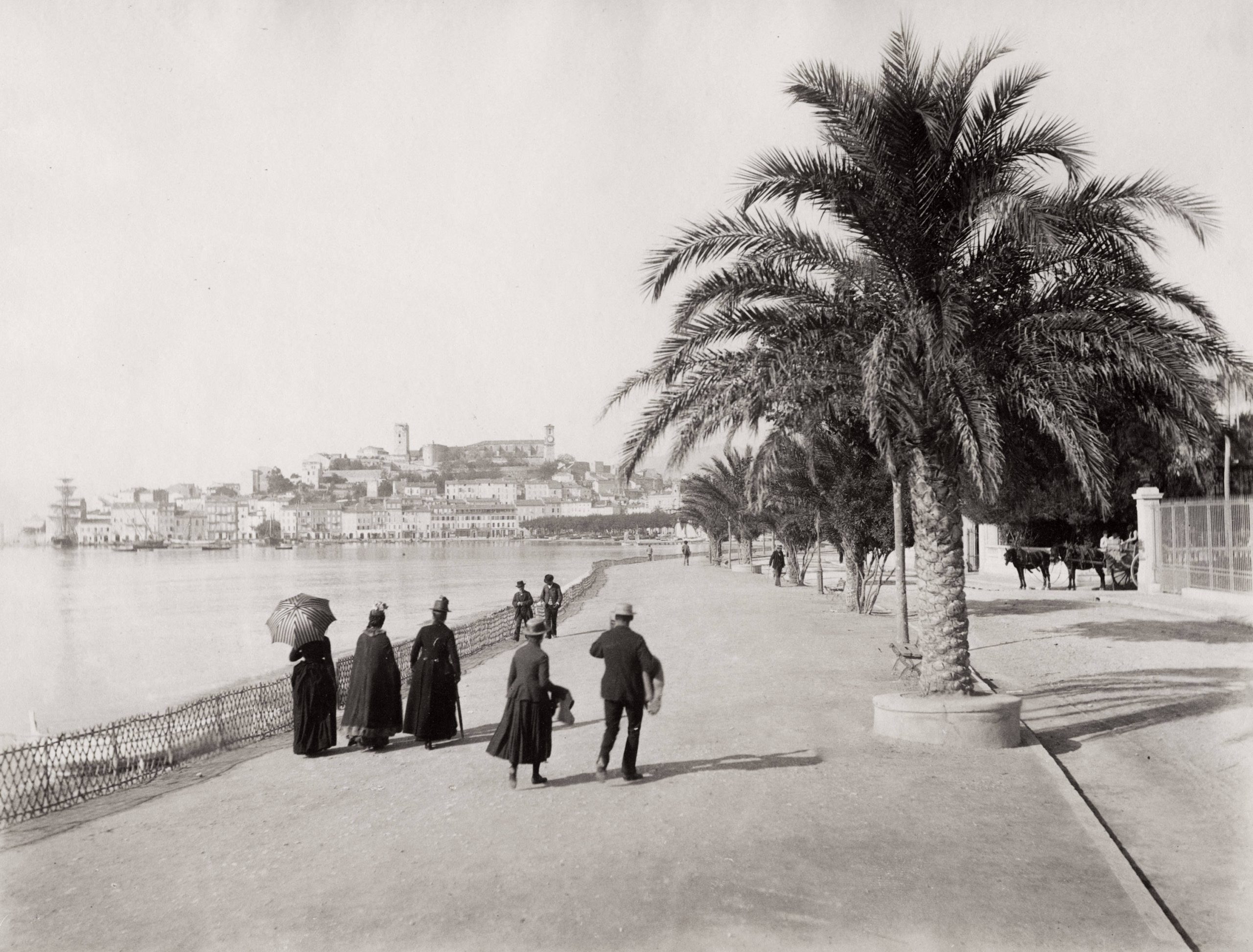
Before the red carpet, before the Palme d’Or, before the paparazzi and the superyachts and the diamonds, there was a fishing village of roughly three hundred souls living in very ordinary Provençal houses. That was Cannes. In 1834.
The “Accidental Patron” Of Cannes
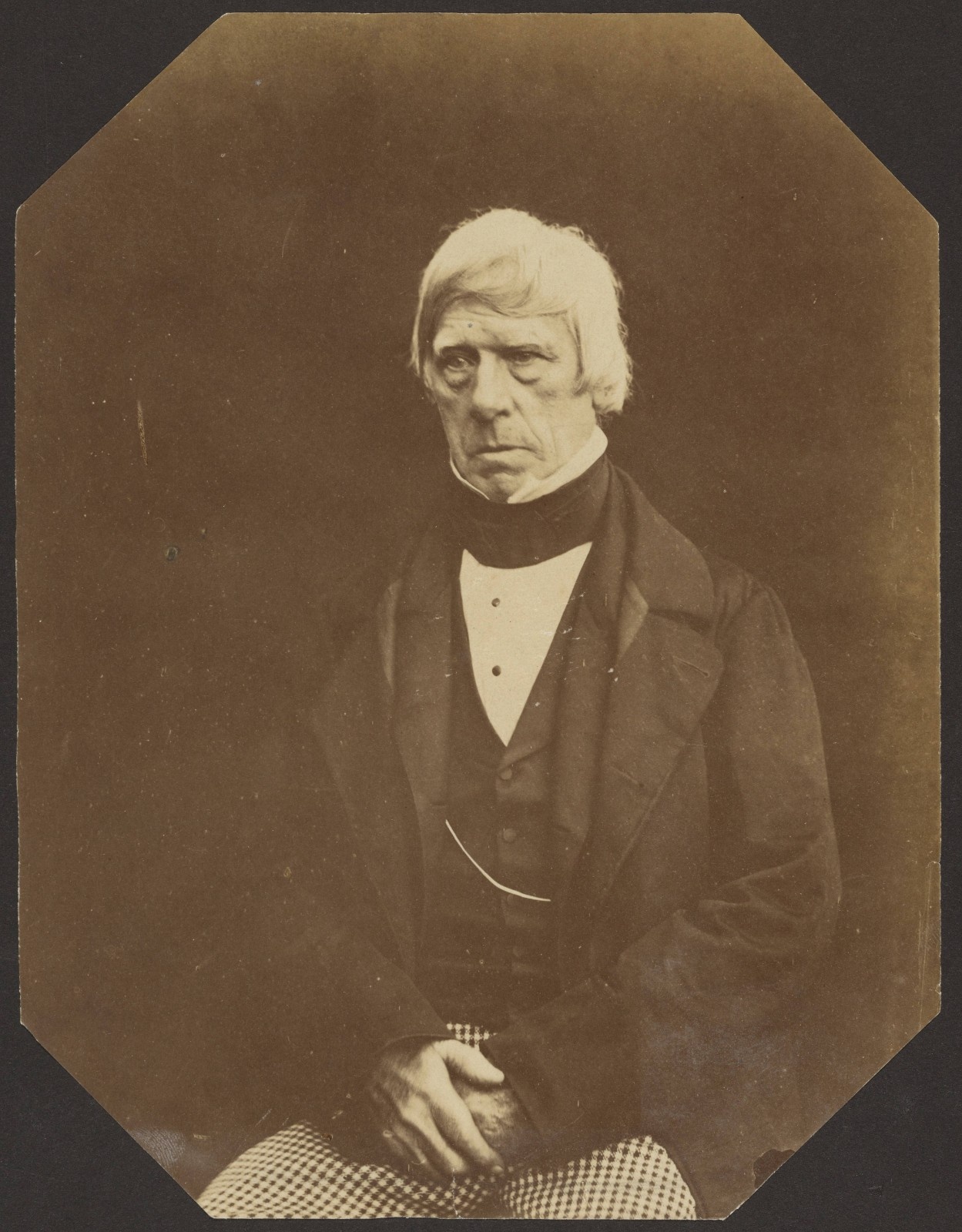
The man who changed everything was not a filmmaker, not a producer, not even French. He was a Scottish-born politician named Henry Brougham, a lawyer, abolitionist, Lord Chancellor of England, and the kind of man who, according to the historian Macaulay, could not enter any town without crowds cheering. In 1834, en route to Italy with his ailing daughter, Brougham found his path blocked near the River Var by a cholera quarantine. Unable to proceed, he stopped at the small fishing village of Cannes, took a room, and ate. A thick bowl of local fish soup, by some accounts, sealed his fate. He never really left.
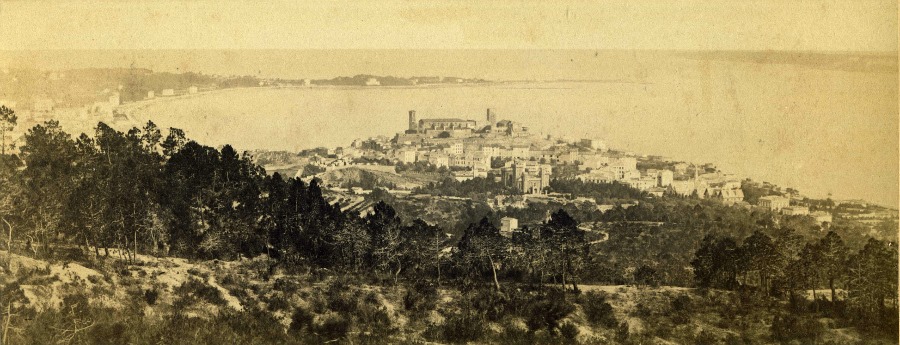
Brougham built a villa in the Croix-des-Gardes district, returned every winter for thirty-four years, and did what powerful men with powerful connections have always done – he talked about the place constantly. Wealthy British aristocrats and industrialists followed, then built their own winter retreats, and the sleepy village began its long, unstoppable transformation. Today, a gleaming white marble statue of Lord Brougham stands in Cannes, watching over a city that would almost certainly still be selling fish if he had simply taken a different road.
Cannes Film Festival: A Festival Born From Fury
The Cannes Film Festival, now the most prestigious in the world, exists because someone cheated at Venice. By the late 1930s, the Venice Film Festival had become something closer to a propaganda exhibition. Under the shadow of Mussolini and Hitler, award outcomes were increasingly shaped by political pressure rather than artistic merit. In 1937, Mussolini’s government had meddled to ensure a French pacifist film, La Grande Illusion, did not win the top prize. The following year, the situation grew worse. Jury members from France, Britain, and America watched the prizes go to films favouring the fascist powers and walked out in protest.
It was France’s Education Minister Jean Zay who decided that protest was not enough. Zay, a reformist and the son of Jewish heritage from Alsace-Lorraine, had a broader vision. To organise a genuinely free international festival, one where art answered only to itself. Working alongside diplomat and historian Philippe Erlanger, who conceived the original idea, and film journalist Robert Favre Le Bret, Zay made it official policy. The Americans and British backed the idea. A rival festival would be born on French soil.
And So, The Cannes Film Festival Was Born
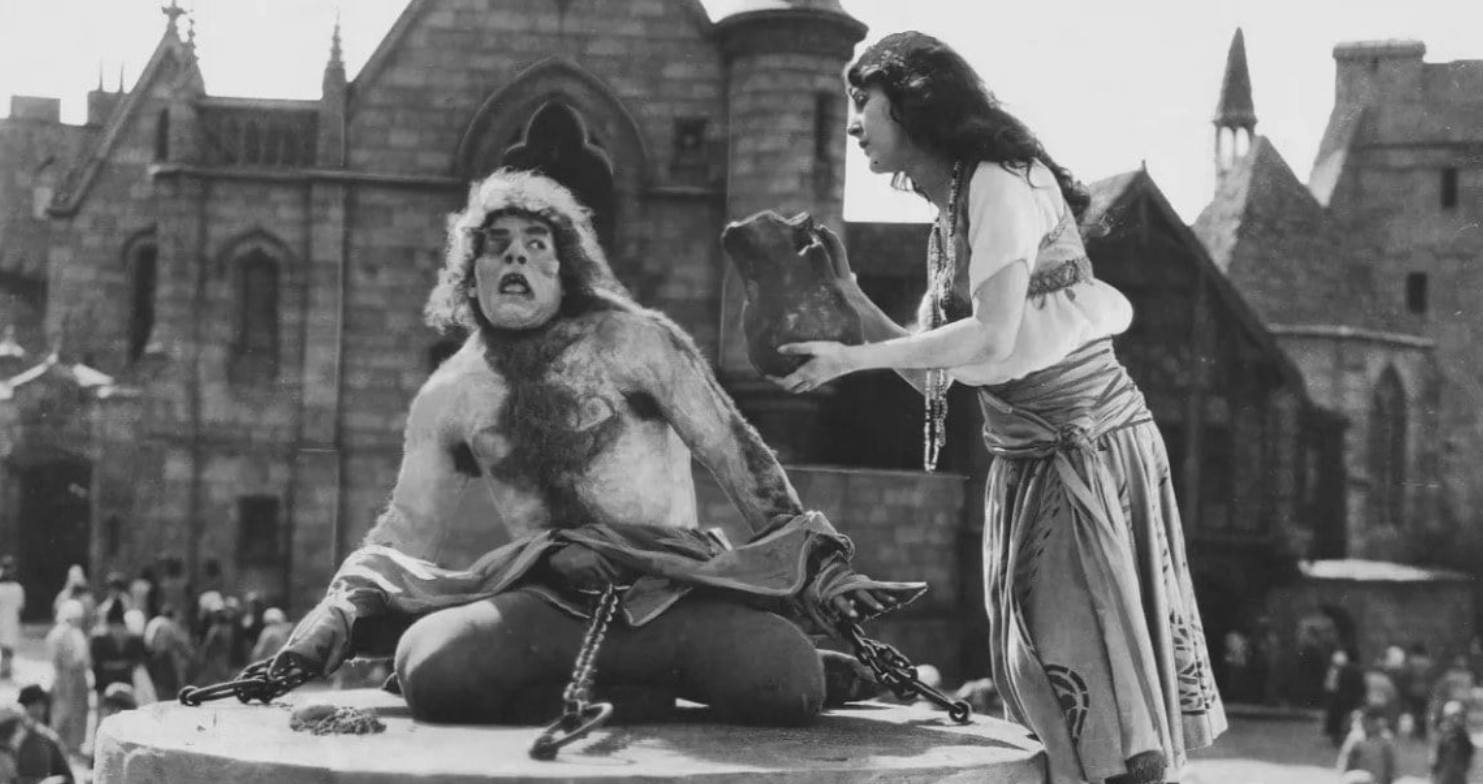
Ten French cities were considered. Biarritz, on the Atlantic coast, was chosen first then lost the bid when the money did not materialise. Cannes, its supporters lobbying hard and its city hall offering to fund a dedicated venue, won on May 31, 1939. The festival was scheduled to open on September 1st of that year, with the legendary Louis Lumière as honorary president. MGM chartered a transatlantic ocean liner to bring American stars Gary Cooper, Tyrone Power, Norma Shearer and others, directly to the Côte d’Azur. A poster was commissioned, invitations sent, and a cardboard replica of Notre Dame Cathedral was erected on the beach to promote The Hunchback of Notre Dame. On September 1st, German troops invaded Poland. A single private screening was held. Then everything stopped. The festival was cancelled. France declared war.
The Man Who Never Got To See Cannes
Jean Zay never saw Cannes happen. He never saw his cultural vision come to life.
After France fell, the Nazi-backed Vichy government targeted him. He was arrested in 1940 on fabricated charges of desertion, sentenced to exile in a penal colony, and held in France. In late June 1944, just weeks after D-Day, three members of the pro-Vichy militia came to his prison under false pretences, drove him to a forest, and murdered him. He was forty years old.
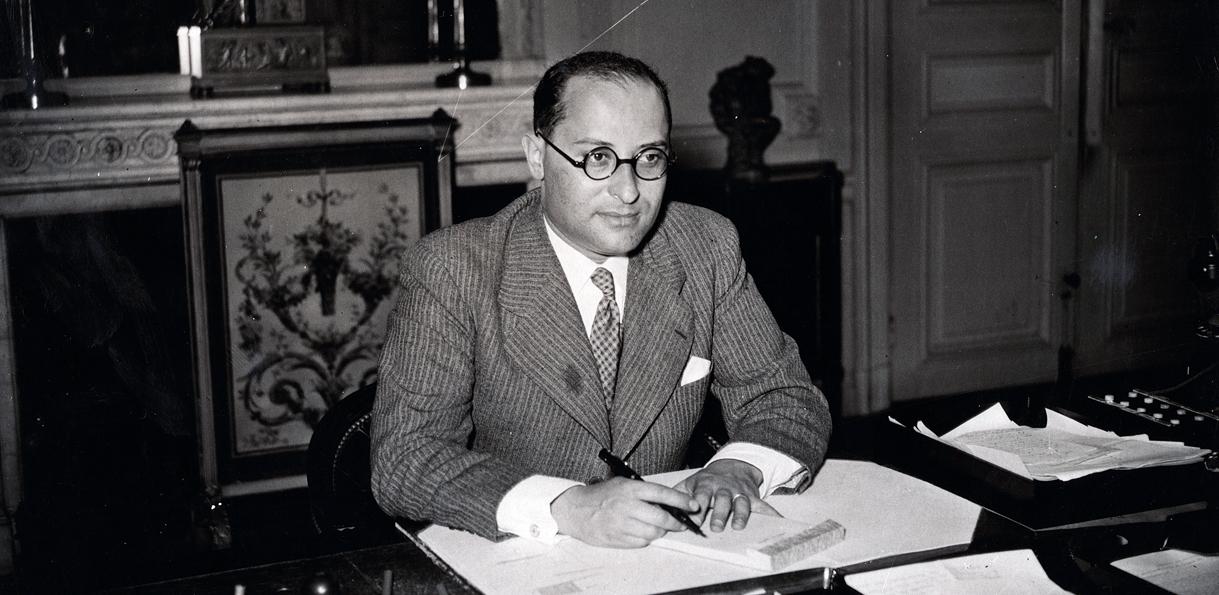
It was not until 1946, more than a year after the war ended, that the Festival de Cannes finally opened nineteen countries represented, an international jury, screenings held in the Municipal Casino. Every nation that presented a film left with a Grand Prix. This led to a massive tie that saw 11 different films win the festival’s highest honour, including Chetan Anand’s Neecha Nagar. The first edition was, by all accounts, a celebration that cinema had survived at all.
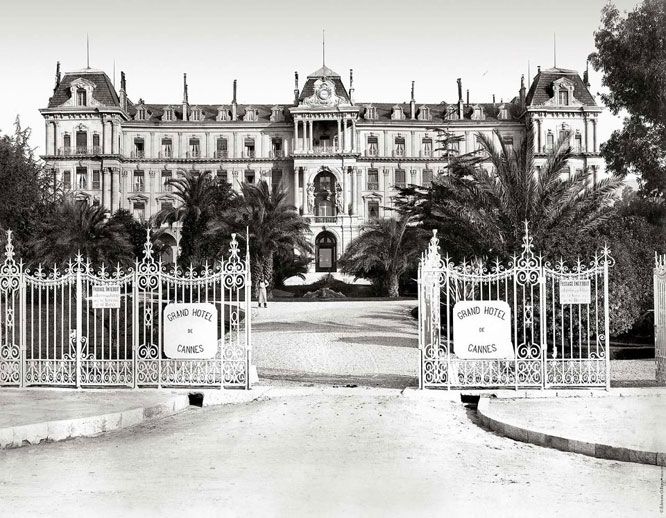
In 2015, Jean Zay’s remains were transferred to the Panthéon in Paris, where France keeps its greatest heroes. He rests among Jean-Jacques Rousseau, Victor Hugo, Marie Curie, and resistance leader Jean Moulin. The man who conceived Cannes had been largely forgotten by the cinephiles who built their careers on the festival his idea created. His daughters spent years correcting that.
Cannes: Then And Now
The Promenade de la Croisette
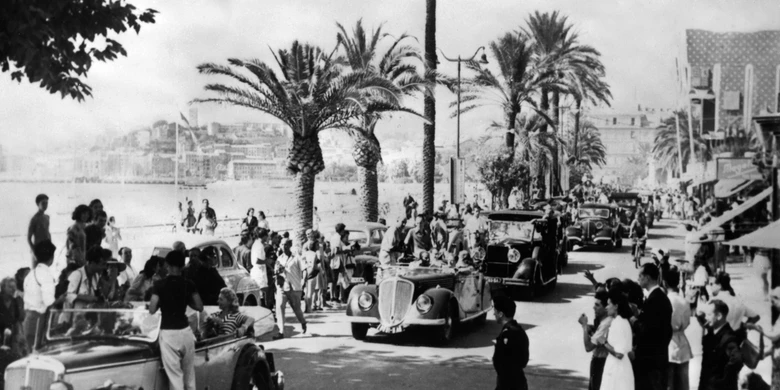
The Croisette is arguably the most glamorous stretch of road on the planet. Lined with palm trees, facing the Mediterranean, it is home to the Palais des Festivals, the grand hotels – the Carlton, the Martinez, the Majestic, and a concentration of luxury that is difficult to fathom. Chanel, Dior, Prada, Louis Vuitton, Chopard, Rolex, Hermès, Gucci, Valentino – the Croisette reminds you of a super exclusive VVIP guest list of a fashion week afterparty. Cannes reportedly has the highest density of luxury goods shops per square metre anywhere in France outside Paris – much of it compressed into that single seafront boulevard.
Crime In Cannes
It is also, for this exact reason, one of the most consistently robbed places on earth. In 2013, a single masked thief walked into the Carlton Intercontinental Hotel in Cannes, before an exhibition opened to the public, and made off with bags containing €103 million (approximately $136 million) in diamonds and jewels from a private sale organised by the diamond house of Israeli billionaire Lev Leviev. French police dubbed it the “Heist of the Century,” and investigators suspected ties to the Pink Panthers, an international network of jewel thieves that Interpol estimates has stolen over €330 million worth of gems since 1999.
It remains one of the largest jewellery heists in recorded history.
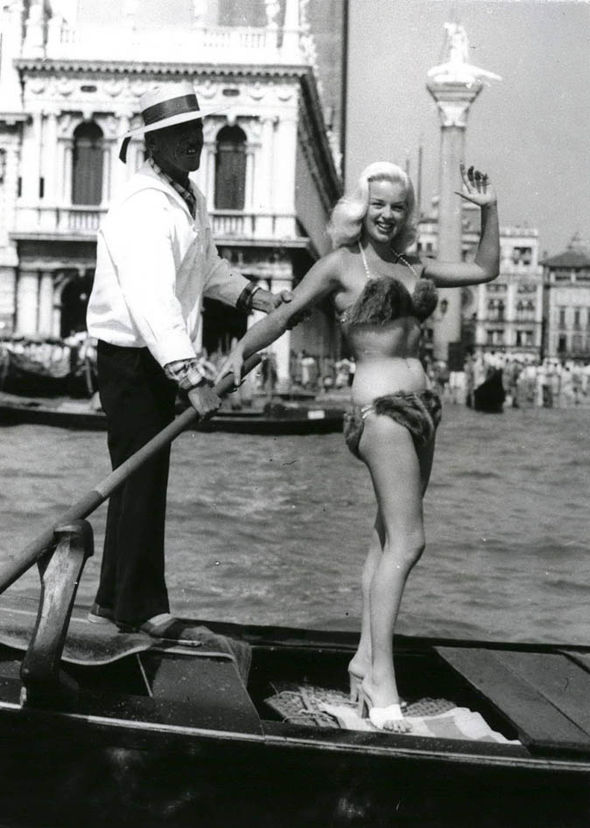
Two years later, in May 2015, armed robbers targeted the Cartier boutique on the Croisette just days before the festival opened and took €17.5 million in watches and jewellery.
Also Read: The Louvre’s Stolen Jewels Reappear In Paris In The Most Unexpected Way
The Love Story The Croisette Gave The World
While filming To Catch a Thief on the French Riviera in 1954, Grace Kelly fell in love with the coastline. She returned to Cannes the following May as part of the American delegation to the 1955 festival, and Paris Match arranged a photo opportunity with Prince Rainier III of Monaco at his palace.
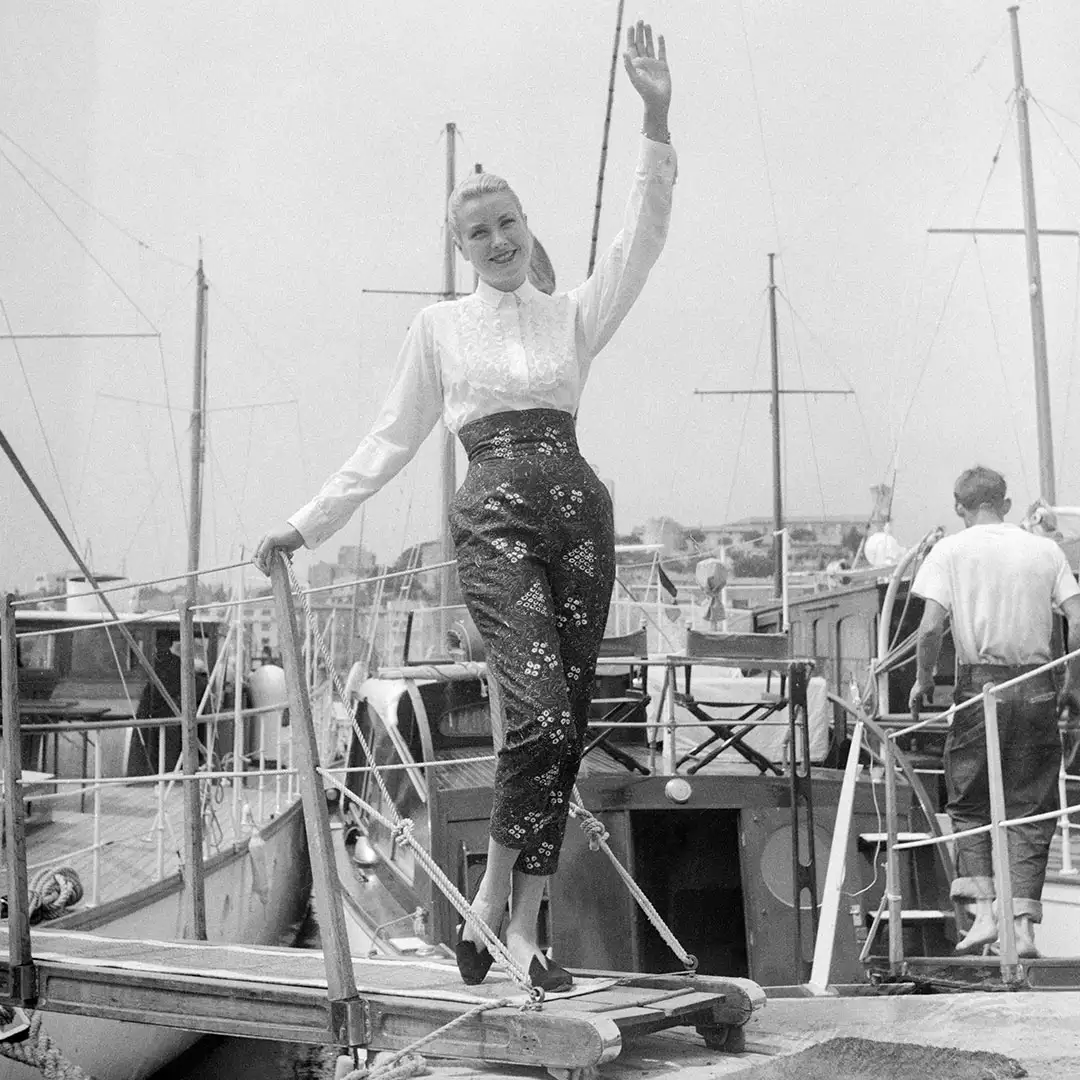
The day very nearly unravelled before it began. A power outage at Kelly’s hotel meant she could not iron her clothes or style her hair. She arrived in the only unwrinkled outfit she could find – a floral silk taffeta dress she did not particularly like, with her hair pulled back and pinned with a small flower. Rainier was an hour late. Their formal introduction lasted ninety minutes instead of the expected few, and something entirely unscripted happened.
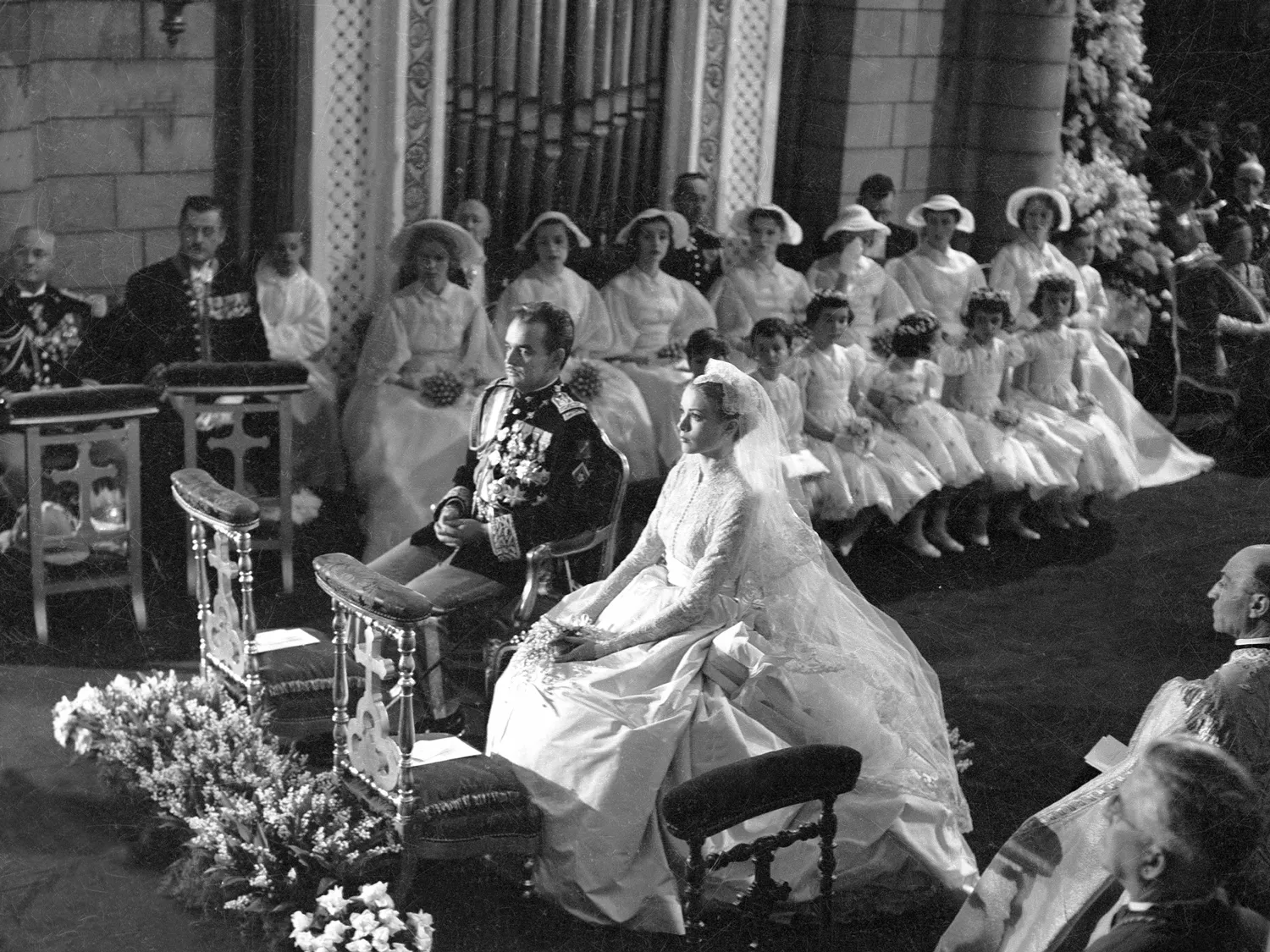
They married in April 1956, in what became one of the most watched events in television history. Grace Kelly retired from acting at twenty-six. Cannes, and the Riviera it sits upon, had written another story more compelling than anything in competition.
What Cannes Has Become In 2026
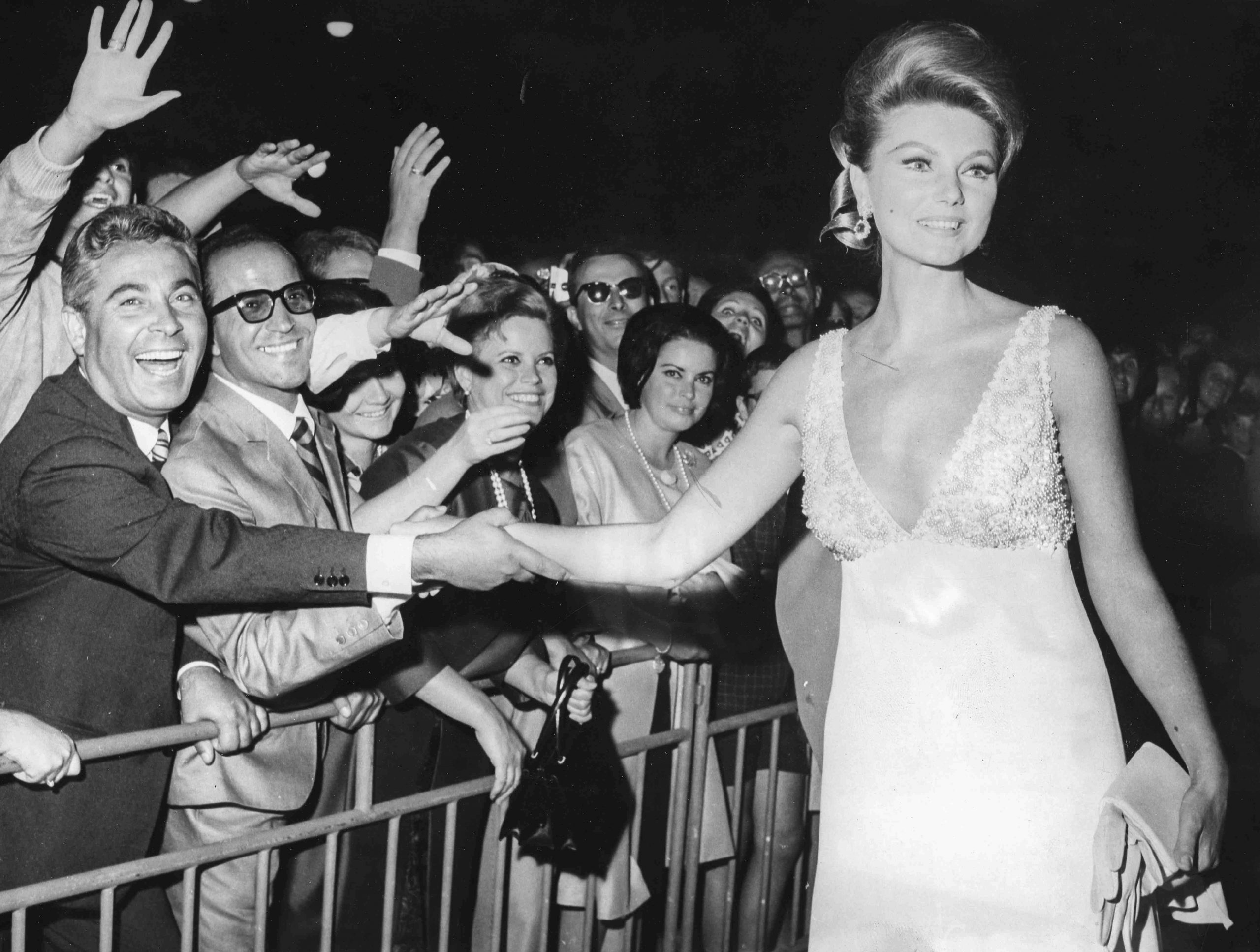
The festival that nearly didn’t happen has become the world’s most important cinema event. Held each May at the Palais des Festivals et des Congrès, a building the city committed to constructing before it had even won the bid, draws tens of thousands of industry professionals, journalists, buyers, sellers, and the merely desperate to be seen, all to a city of fewer than 75,000 permanent residents.
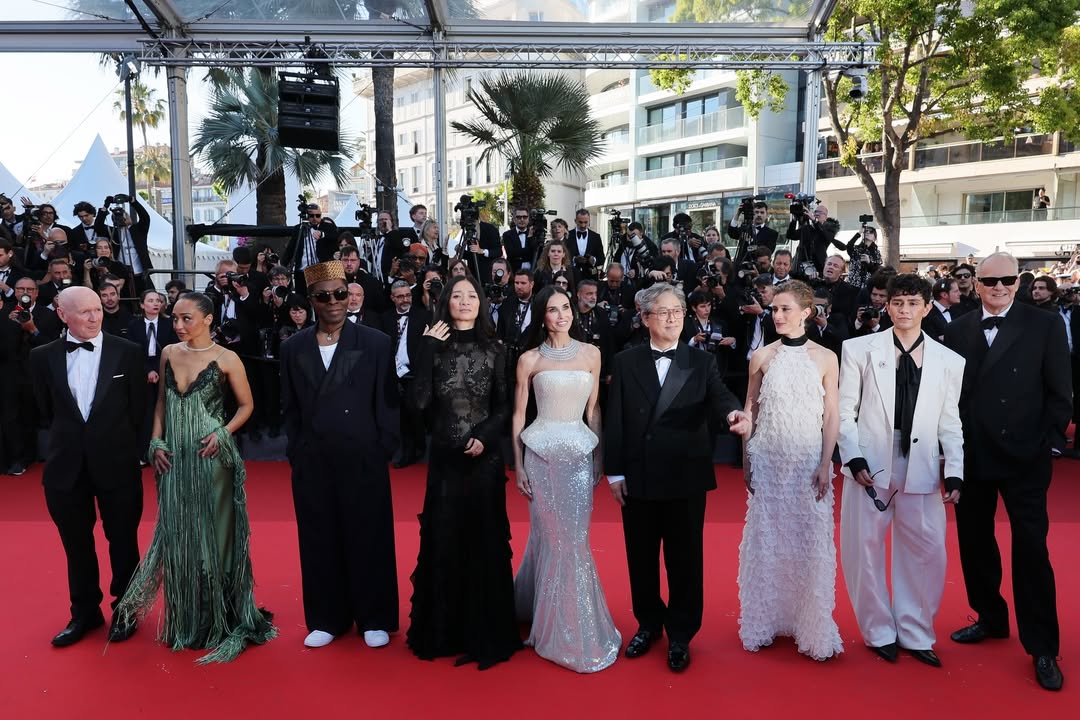
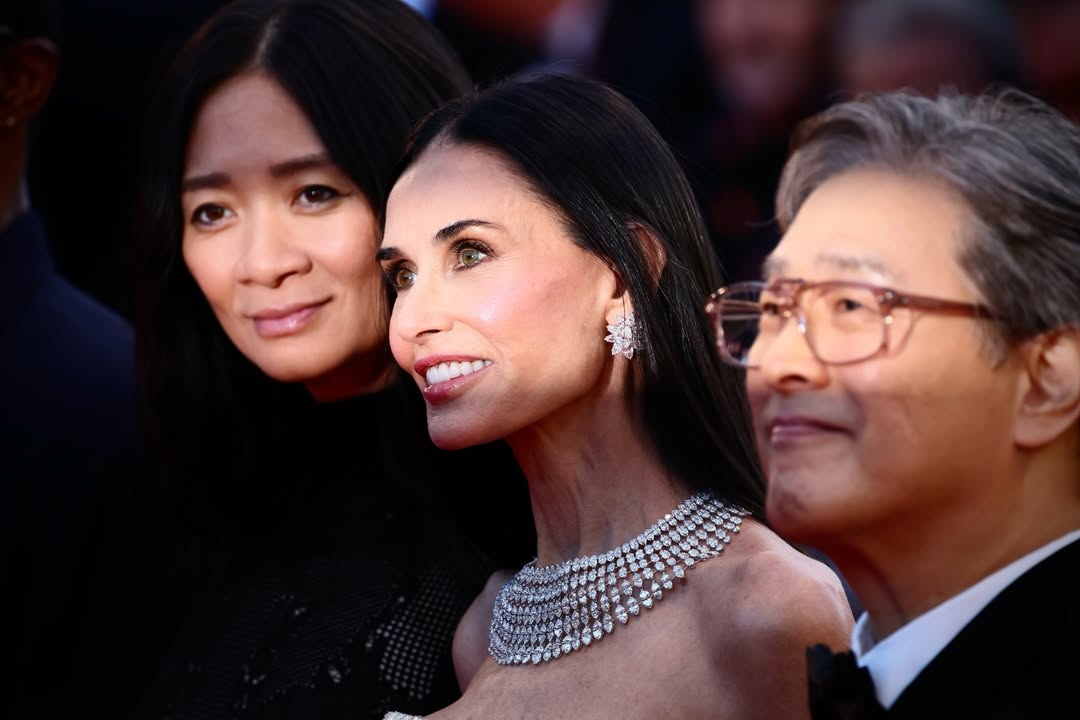
The Marché du Film, established in 1959, turned Cannes into the global marketplace for cinema commerce. The Palme d’Or remains the most coveted prize in film. The red carpet is a theatre of its own, with the world’s finest jewellery and fashion houses dressing actors in pieces worth the GDP of small nations.
The Riviera myth that Lord Brougham set in motion with his fish soup and his villa has never really been interrupted. The crowned heads of Europe who wintered here in the nineteenth century gave way to industrialists, then to film stars and oil money and oligarchs, then to the global luxury industry that set up permanent residence on the Croisette. The names above the boutiques have changed. The general disposition toward excess has not.
Somewhere in Paris, at the Panthéon, Jean Zay rests among France’s immortals. The festival he imagined in outrage at Venice, that was supposed to open and didn’t, that finally opened in 1946 and became everything he had hoped, runs every year without him.
It is, in its strange way, exactly what he wanted. Politics-free, art-first, and watched by the entire world.
Also Read: The Rise, Ruin, Redemption Of Coco Chanel