9 Interior Design Trends Dominating 2026
In 2026, interior design shifts its focus from flawless finishes to meaningful presence, according to Sheena Rawla, Lead Designer at Isprava. She shares her insights on the trends poised to redefine the design landscape in the year ahead
If 2025 was about perfection, then 2026 is about meaning.
We are stepping into a more emotionally intelligent era of design, one that asks not how a space photographs, but how it makes us feel. After years of curated minimalism and visual discipline, our homes are beginning to loosen their collars. They are becoming warmer, more expressive, and deeply personal.
In 2026, interior design is less about perfection and more about presence.
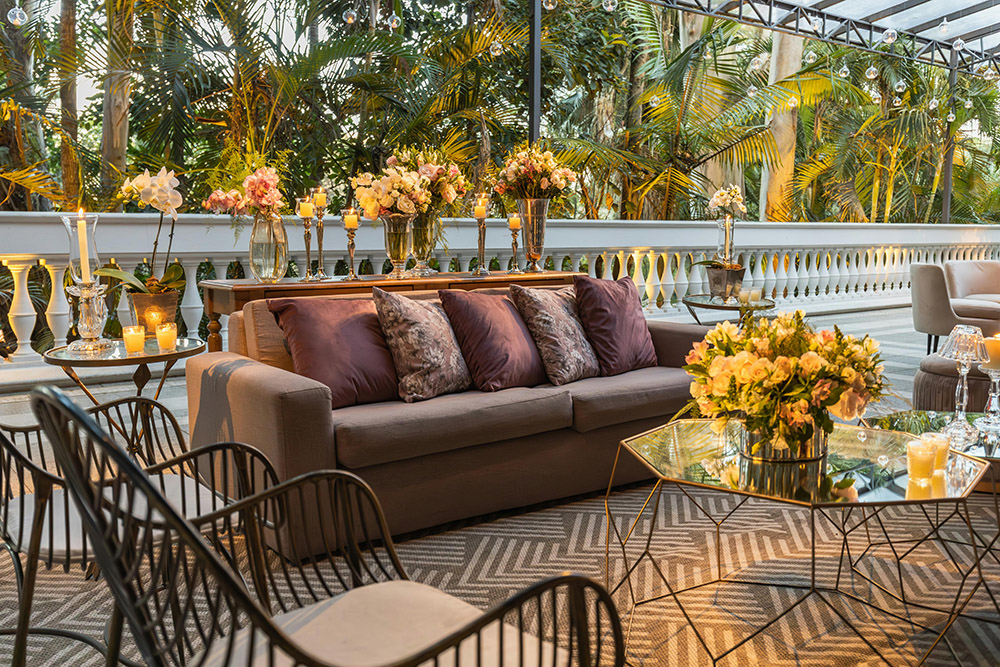
At the heart of this shift is storytelling. Homes are no longer blank canvases waiting to be styled; they are narratives shaped by memory, emotion, and lived experience. Design choices now reflect a collective desire for spaces that uplift, ground, and restore us spaces that allow us to be ourselves.
Interior Design 2026: Biggest Home Décor Trends
1. Gentle Clutter
One of the most noticeable shifts in 2026 is the move away from pristine, untouched interiors. In its place comes what I like to call gentle clutter.
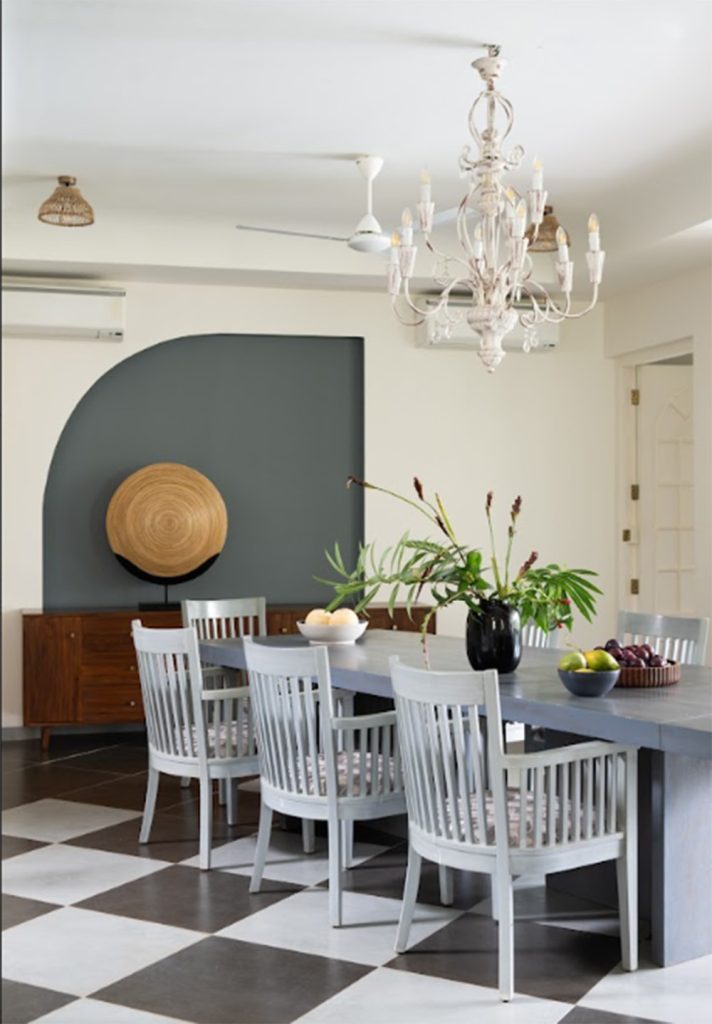
This isn’t excess for the sake of it, nor is it chaos. Its accumulation is slow, meaningful, and deeply personal. Books stack up because they are read and reread. Ceramics sit imperfectly because they are used. Art is collected over time rather than purchased in one sweep. Travel finds and heirlooms find their place naturally.
2. Natural Materials
Natural materials continue to dominate in 2026, but their role has deepened. Stone, plaster, raw timber, linen, and clay are no longer accents, they are the architecture of the room itself.
What matters is how they are used. Surfaces are left imperfect, celebrating cracks, grains, and variations. Plaster walls reveal their hand-applied texture. Timber shows its knots and irregularities. Stone feels weighty and grounding underfoot.
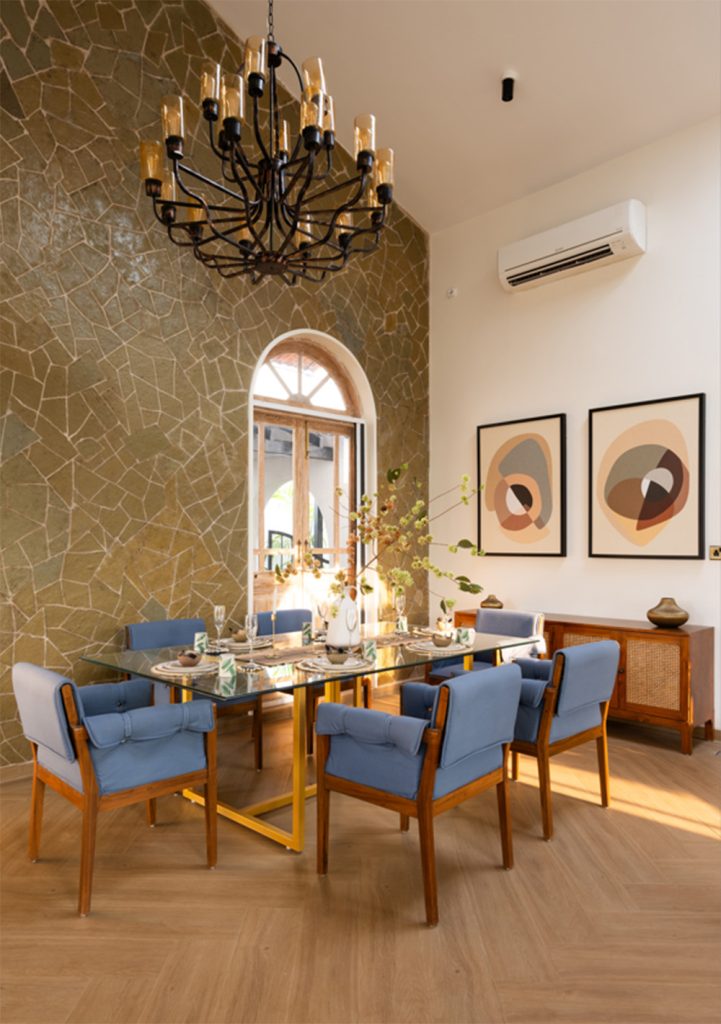
Rather than ornamentation, texture becomes the primary language. These materials carry an emotionally restorative quality, reinforcing a deeper connection between space and dweller. They remind us to slow down, to touch, and to feel.
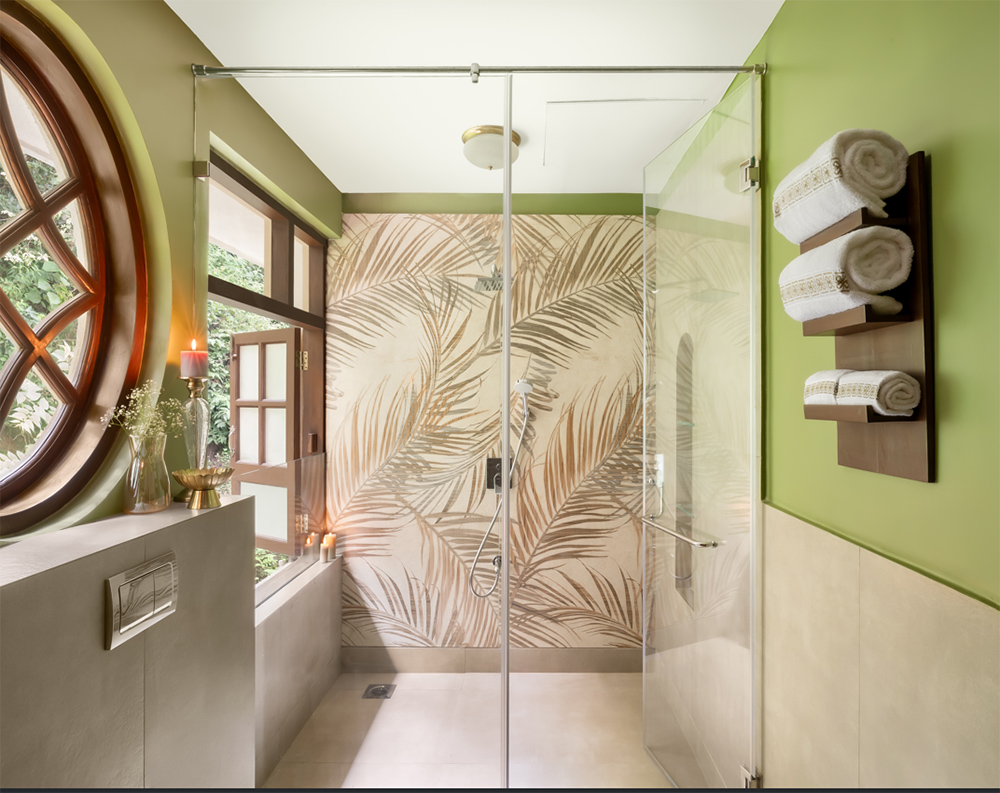
3. Lighting As An Emotional Experience
Lighting in 2026 moves beyond function to become a central emotional device. It is designed to be experienced as much as it is seen.
Sculptural pendants, expressive floor lamps, and art-like wall lights anchor rooms with confidence. These pieces favour bold forms, tactile materials, and a sense of movement. Instead of harsh overhead illumination, lighting is layered—creating atmosphere, intimacy, and depth.
Also Read: Inside Vayu’s New Lodhi Market Store Where India’s Material Traditions Breathe In Collectables
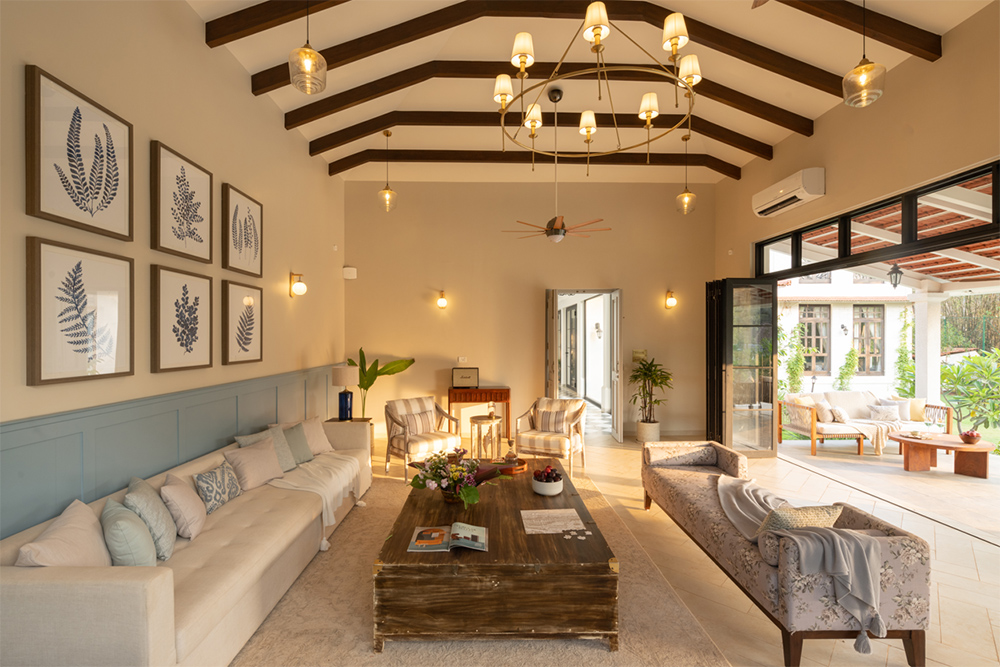
Good lighting now shapes how we inhabit a space throughout the day, softening edges, highlighting texture, and allowing rooms to transition seamlessly from morning clarity to evening warmth.
4. The Soft Return Of Ornament
After years of restraint, ornament is returning but softly. Decorative trims, tassels, fringe furniture, and passementerie are reappearing on cushions, lampshades, and upholstery.
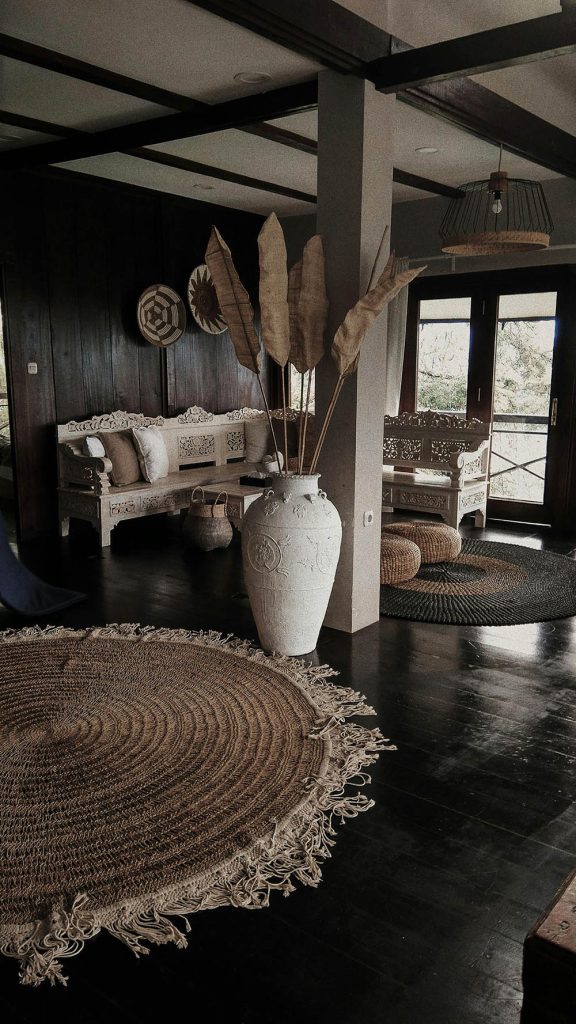
Applied sparingly, these details introduce movement and tactility, echoing a broader return to craft and detail. Ornament in 2026 is not about excess; it’s about intention. It adds rhythm without noise.
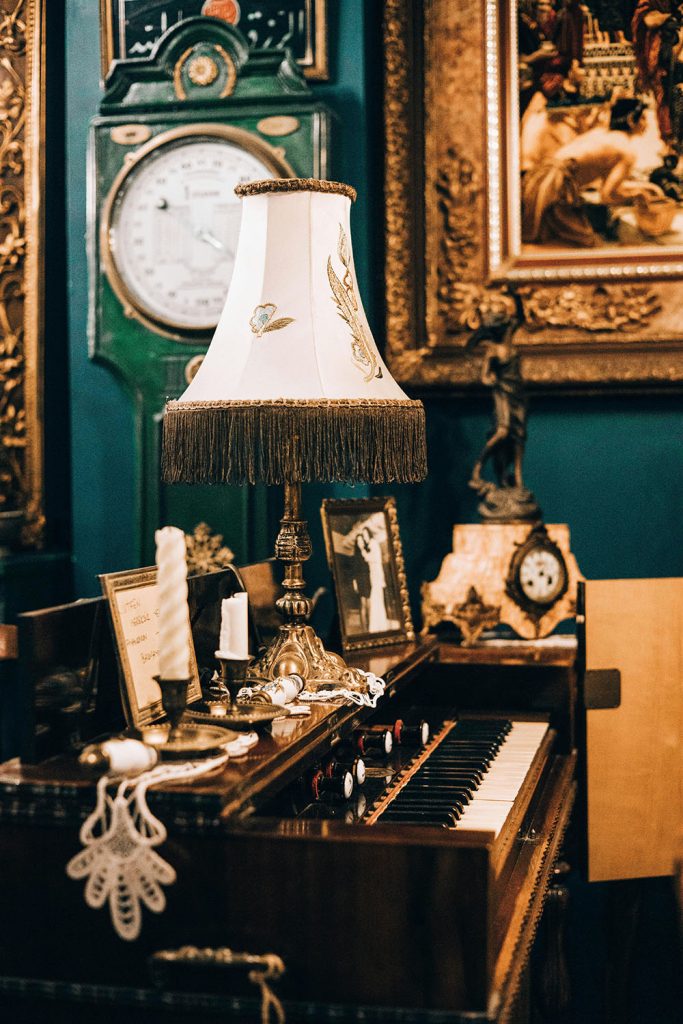
5. Quiet Craftsmanship And Enduring Quality
Craftsmanship has always been cyclical, but in 2026 it feels more assured and less performative.
Quality reveals itself quietly through joinery, material selection, and finish. Handmade elements are integrated seamlessly rather than showcased. The skill lies in what you notice slowly, not immediately.
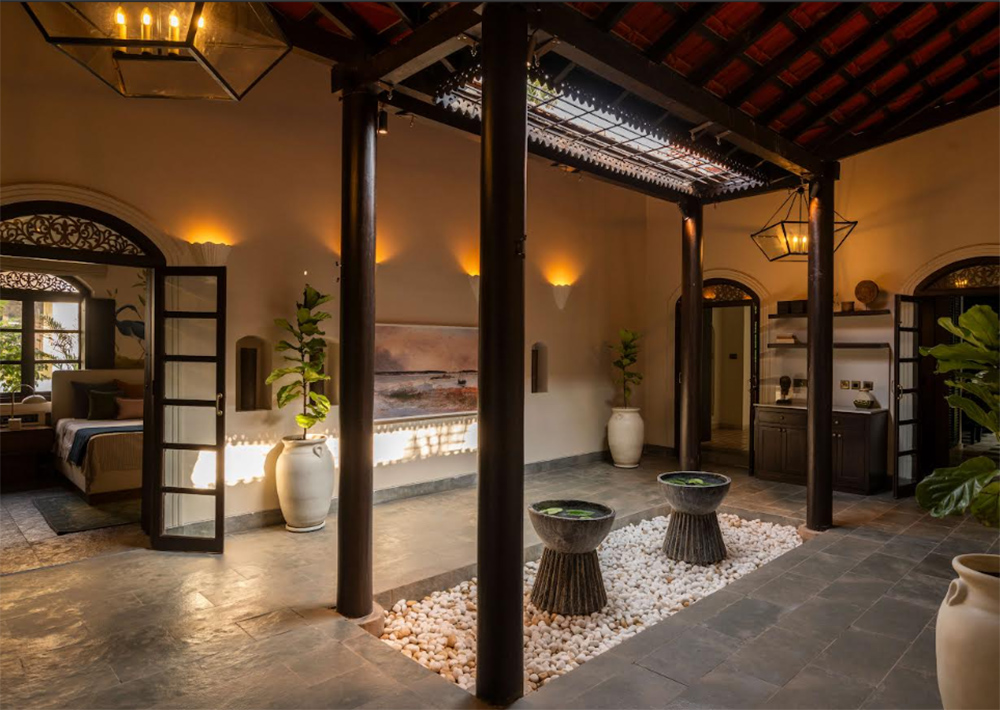
This shift reflects a growing appreciation for longevity and restraint. Design is no longer trying to impress at first glance—it’s meant to be lived with, noticed over time, and valued for its endurance.
6. Warm Neutrals
Soft, calming interiors continue to resonate as our lives grow louder and faster.
Whites, influenced by Pantone’s Colour of the Year Cloud Dancer, are less stark and more enveloping. Tonal layering replaces contrast, creating depth without visual clutter. These interiors prioritise rest and balance, offering visual relief and emotional calm.
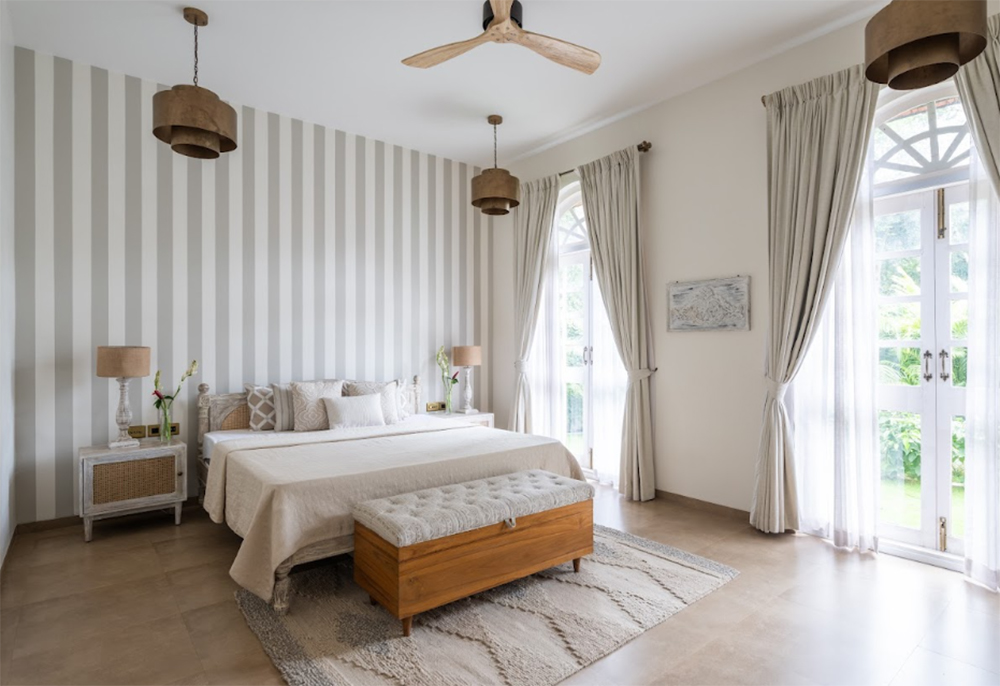
They are spaces that allow the mind to pause.
7. The Rise of Rich Browns
Brown takes on a richer, more sophisticated role in 2026, evolving into deep chocolate and espresso tones a natural progression from Pantone’s 2025 Colour of the Year, Mocha Mousse.
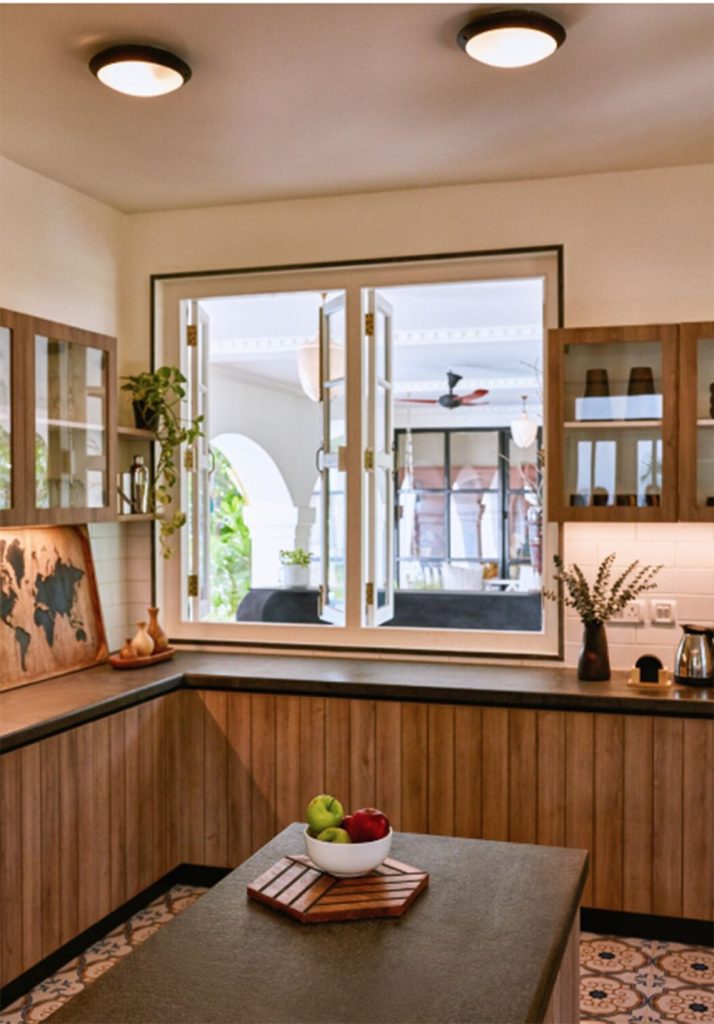
Used on walls, upholstery, and wood finishes, these deeper browns bring warmth without heaviness. They offer an alternative to black, retaining depth while feeling softer and more inviting. Paired with lighter neutrals, they create spaces that feel grounded, intimate, and quietly luxurious.
8. Sun-Faded Palettes
There is something inherently hopeful about warm, sun-faded palettes. In 2026, colour reflects a gentle optimism of ochres, olive greens, mustard yellows, and softened terracottas.
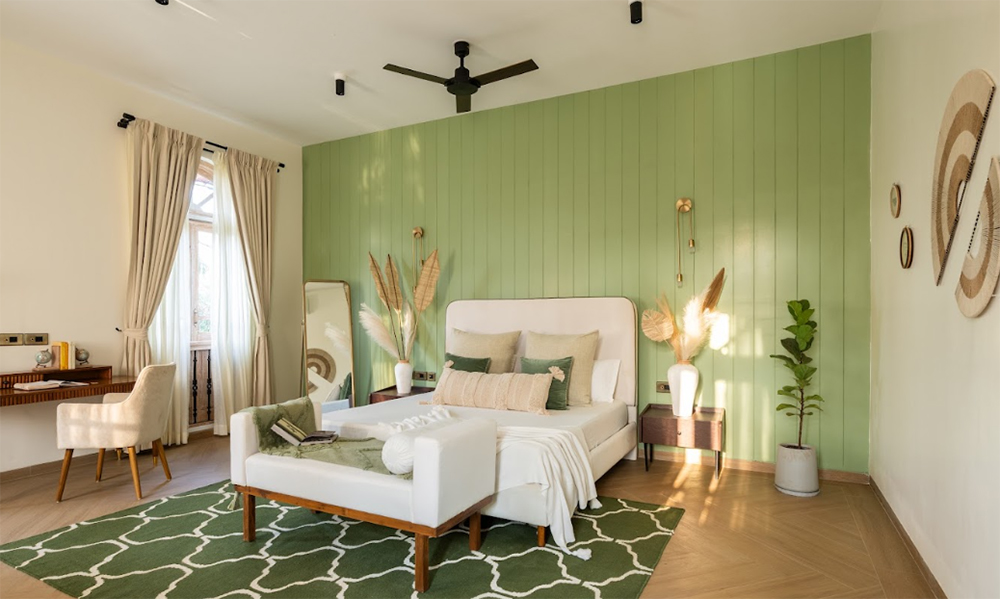
These hues work best when layered subtly, creating interiors that feel weathered rather than new. Often used in spaces connected to nature, they evoke ease and familiarity, like sunlight filtering through linen curtains. The effect is comforting, not performative.
9. Confident Eclecticism
Eclectic interiors become more confident and deliberate in 2026. Mixing eras, styles, and references is embraced with clarity rather than caution.
Old and new sit side by side. Contrast becomes a defining feature rather than a risk. A contemporary sofa might share space with an inherited chair or a vintage rug. The resulting tension feels personal, not curated spaces that reflect lives rather than trends.
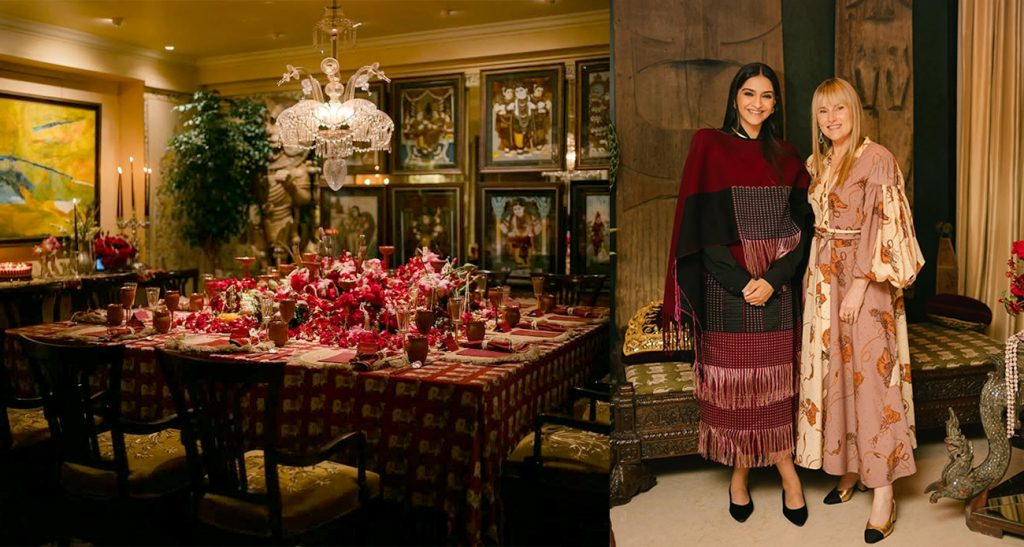
Ultimately, the defining trend of 2026 is emotional intention. We are throwing out the rulebook, scrapping perfection, and making room for personality. Homes are becoming more forgiving, more expressive and more human. And perhaps that is what makes this moment in design feel so meaningful.
In 2026, interiors are no longer just about how they look but how they hold us, restore us, and allow us to feel at home.
Also Read: The Rise Of Conscious Luxury Decor
Sheena Rawla is an interior architect, stylist and lead designer of Isprava Group