

Once upon a time luxury real estate was simple. You bought a big house in the right postcode. It had marble somewhere a swimming pool somewhere else and possibly a view that made visitors feel slightly inadequate. That was enough. You locked the door, and flew off somewhere glamorous; congratulated yourself on a job well done. That world is gone.
Today, the ultra wealthy do not just want a home. They want an experience that starts the moment they arrive and does not politely stop when the valet parks the car. This is where branded residences storm in like a well dressed orchestra conductor taking charge of a previously chaotic performance. At its core, a branded residence is a private home tied to a luxury brand often from hospitality, fashion, automotive or even yachting. Think five-star hotel service without having to share the lobby with anyone wearing flip flops. The promise is simple but seductive. You get design credibility service excellence and a lifestyle that runs on autopilot.
What has changed is not just the product but the mindset of buyers. The modern luxury consumer is time poor taste rich and entirely uninterested in managing plumbers, gardeners or security staff. They want the assurance that everything will work perfectly without them having to think about it. Branded residences sell peace of mind dressed in Italian leather. Developers love them because brands bring instant recognition trust, and pricing power. Buyers love them because they know exactly what they are getting. A residence branded by a legendary hotel group does not need much explanation. The name alone tells you how the lobby smells, how the staff behaves, and how the Sunday morning breakfast feels. That consistency is gold.
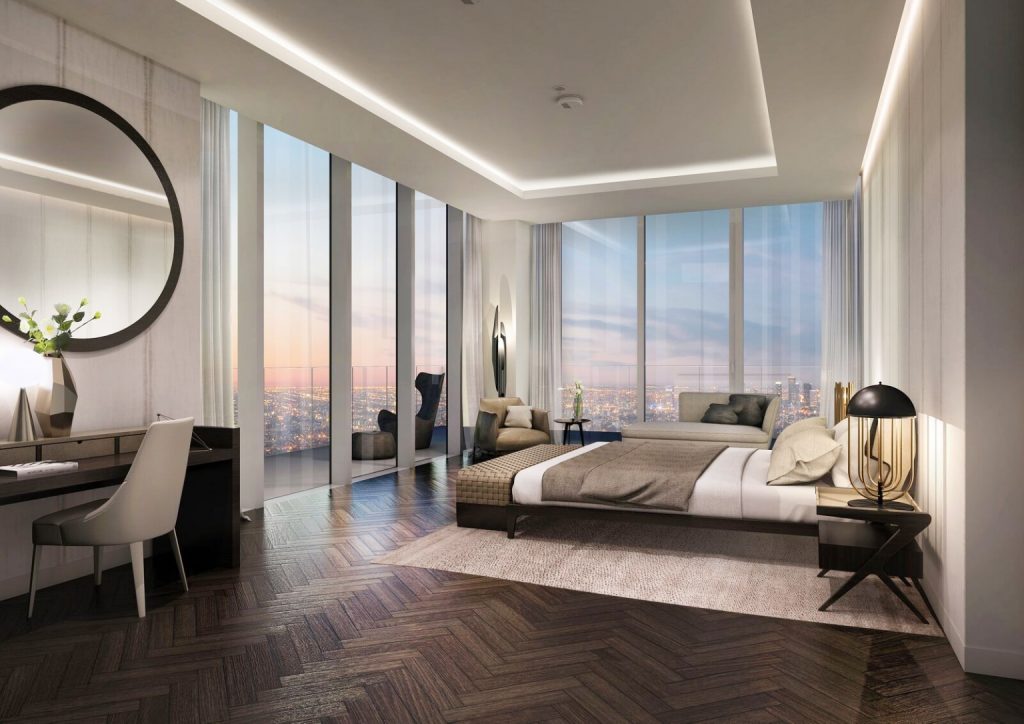
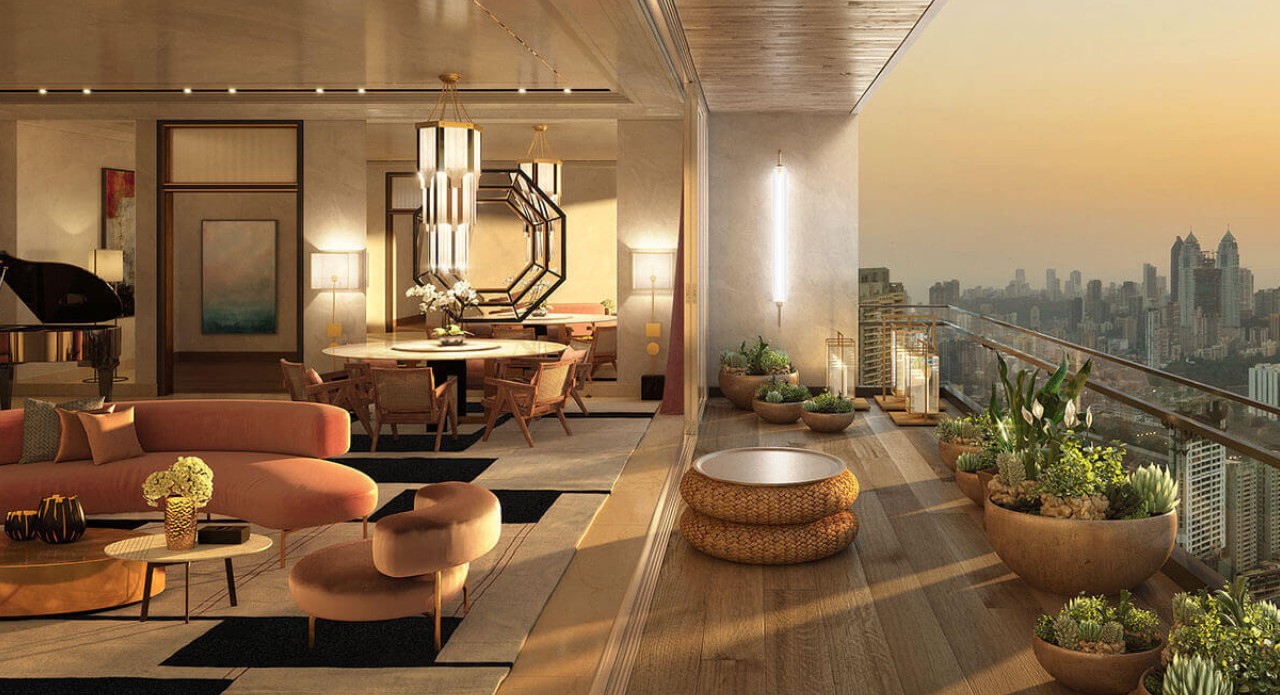
But the real shift is experiential. These homes are not just places to sleep. They are lifestyle ecosystems. Residents get access to private spas, concierge teams, personal chefs, curated events, and wellness programmes that sound suspiciously like something invented in Switzerland. Your home now behaves like a private members club that just happens to have bedrooms. Location still matters but experience matters more. A branded residence in an emerging city can outperform a traditional luxury home in a prime market simply because it offers a global standard of living. Buyers in Mumbai, Dubai, Miami or London increasingly want homes that feel familiar in service even if the skyline outside changes.
There is also an emotional factor at play. Ownership of a branded residence feels like belonging. You are not just buying square footage. You are buying entry into a tribe that understands quality in the same way you do. It is subtle but powerful and brands know it. Critics argue that branding dilutes individuality by saying everyone ends up living in beautifully designed but slightly predictable spaces. Branded residences are not about conformity, but about reliability. You can still customise the art, the furniture, and the wine cellar. What you are outsourcing is the boring stuff. And frankly nobody dreams of managing air conditioning systems.
Financially these properties tend to command a premium and hold value well especially when the brand is credible and actively involved. Buyers are not just paying for a logo. They are paying for operational excellence long term maintenance and a living experience that does not deteriorate over time. In the end branded residences reflect a broader truth about modern luxury. The new status symbol is not excess but effortlessness.
It is not about showing how much you own but how little you need to worry about. Homes have stopped being static assets. They are now experiences that run quietly in the background making life smoother calmer and far more enjoyable. And once you have lived that way going back to ordinary luxury feels like swapping a grand tourer for a shopping trolley.