

In 2026, white did something rather outrageous. It stopped being polite. For decades it had lurked in the background like a well behaved butler, holding coats while louder colours showed off. Then suddenly it stepped into the spotlight, calm as you like, and made everything else look slightly desperate. White did not shout, it did not sparkle, and it certainly did not beg for attention. It simply stood there, immaculate and unbothered, quietly suggesting that if you needed colour to prove your luxury, you probably did not have much luxury to begin with. This was not minimalism for monks or galleries that smell faintly of echo. This was confidence in its purest form, the sort that knows it has already won and does not need to check the mirror.

Redefining Luxury Through Precision and Restraint
Luxury evolved away from ornament and visual weight toward accuracy and intention. White demanded discipline. With no colour to distract the eye, proportion, material quality and craftsmanship carried the entire story. This insistence on perfection made white the most demanding and therefore the most exclusive choice. In a world saturated with stimulation, restraint itself became a mark of privilege.
Fashion Discovers Strength In White
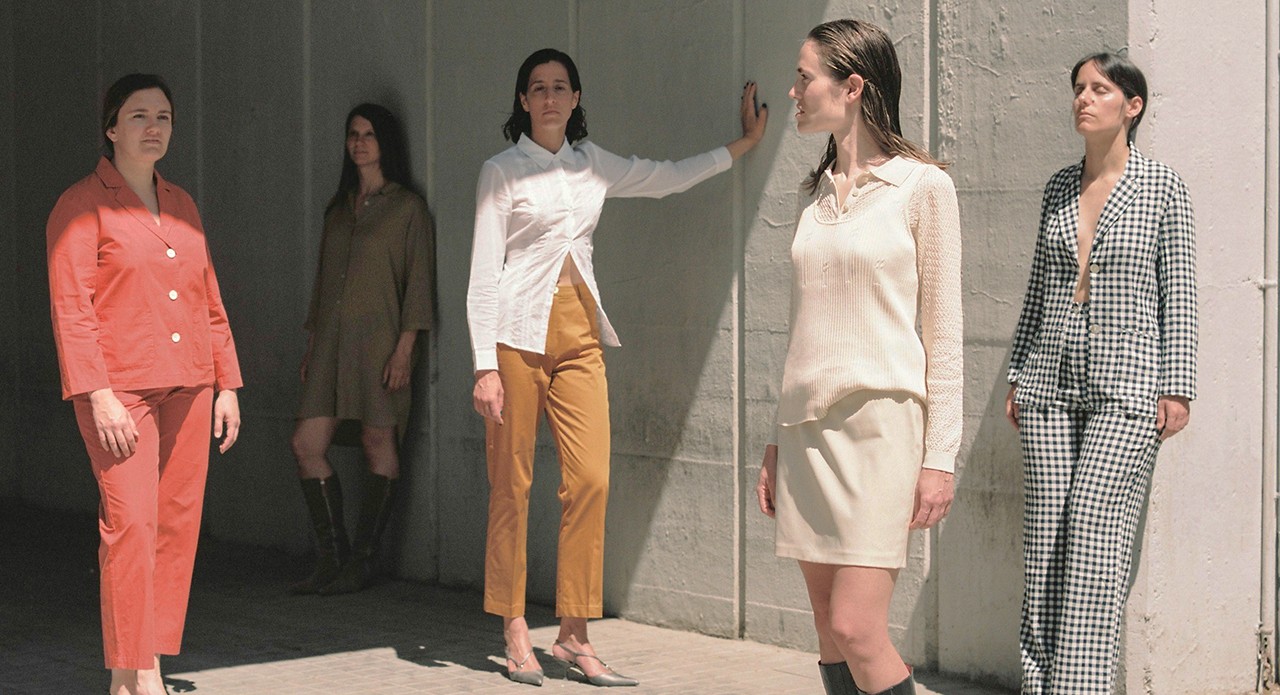
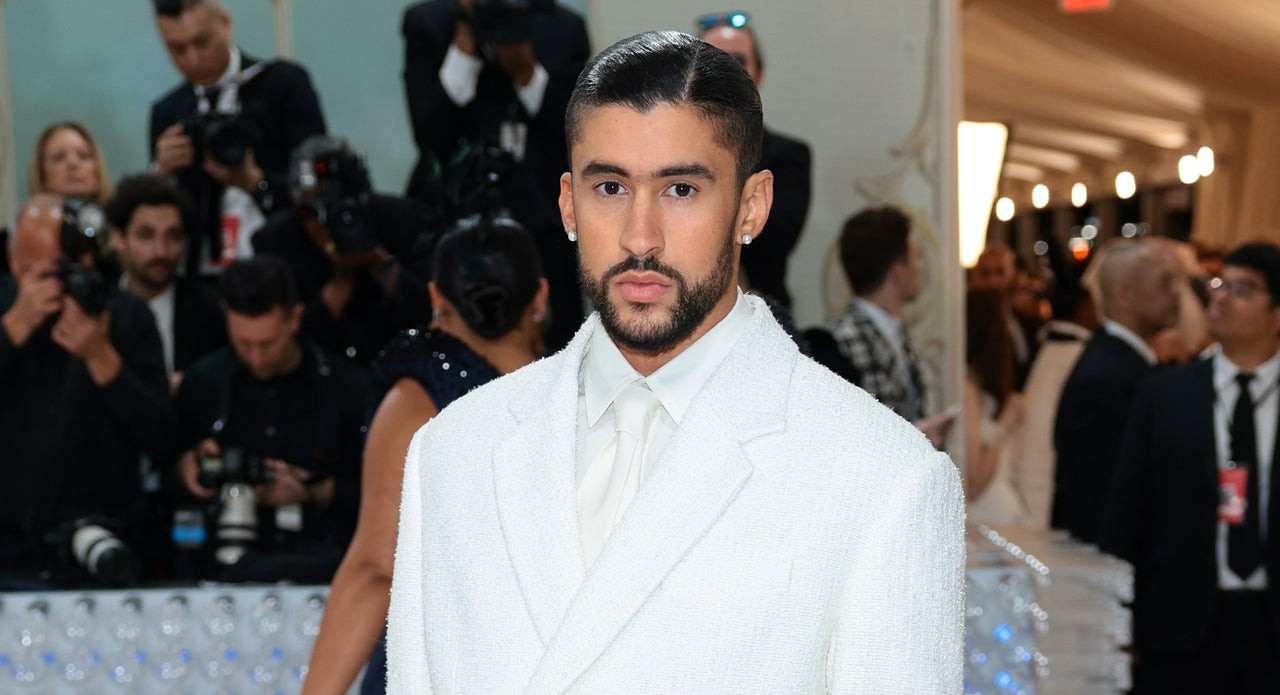
In fashion, white shed its reputation for fragility and emerged as a symbol of confidence. Designers presented white as an everyday statement rather than a seasonal indulgence. Structured tailoring, advanced textiles and sculpted silhouettes proved that white could be commanding and practical. On white fabric, construction spoke louder than colour, turning craftsmanship into the ultimate luxury signal.
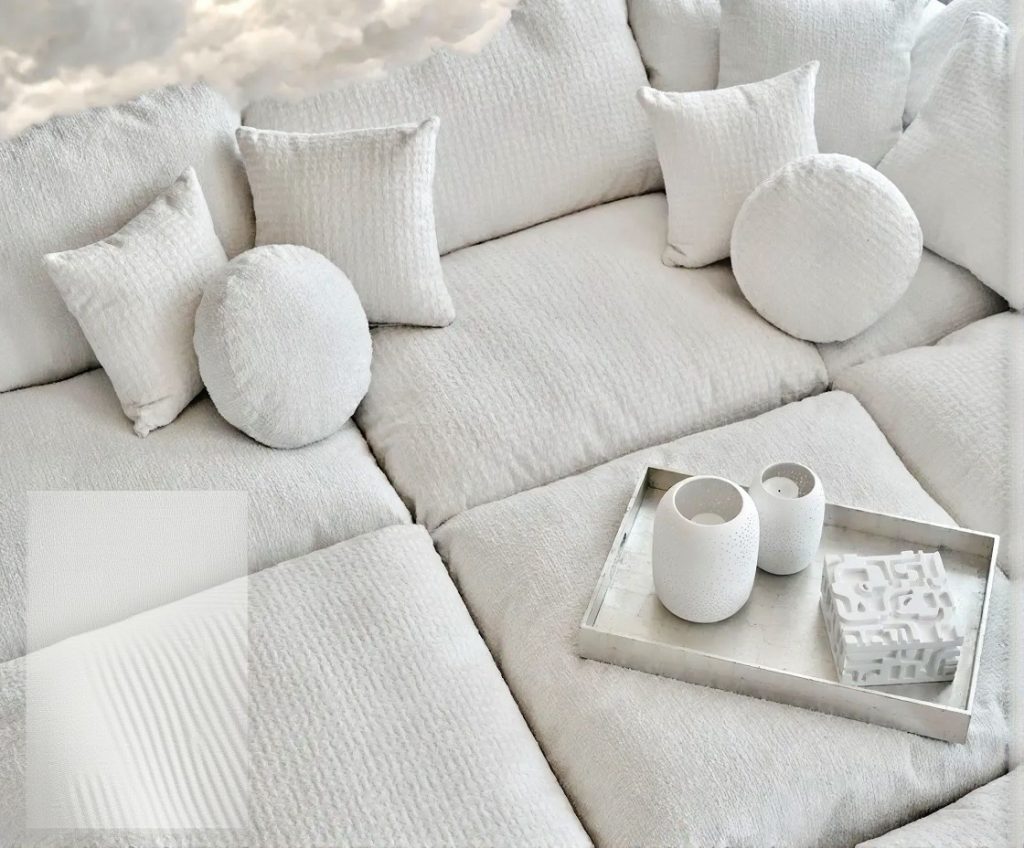
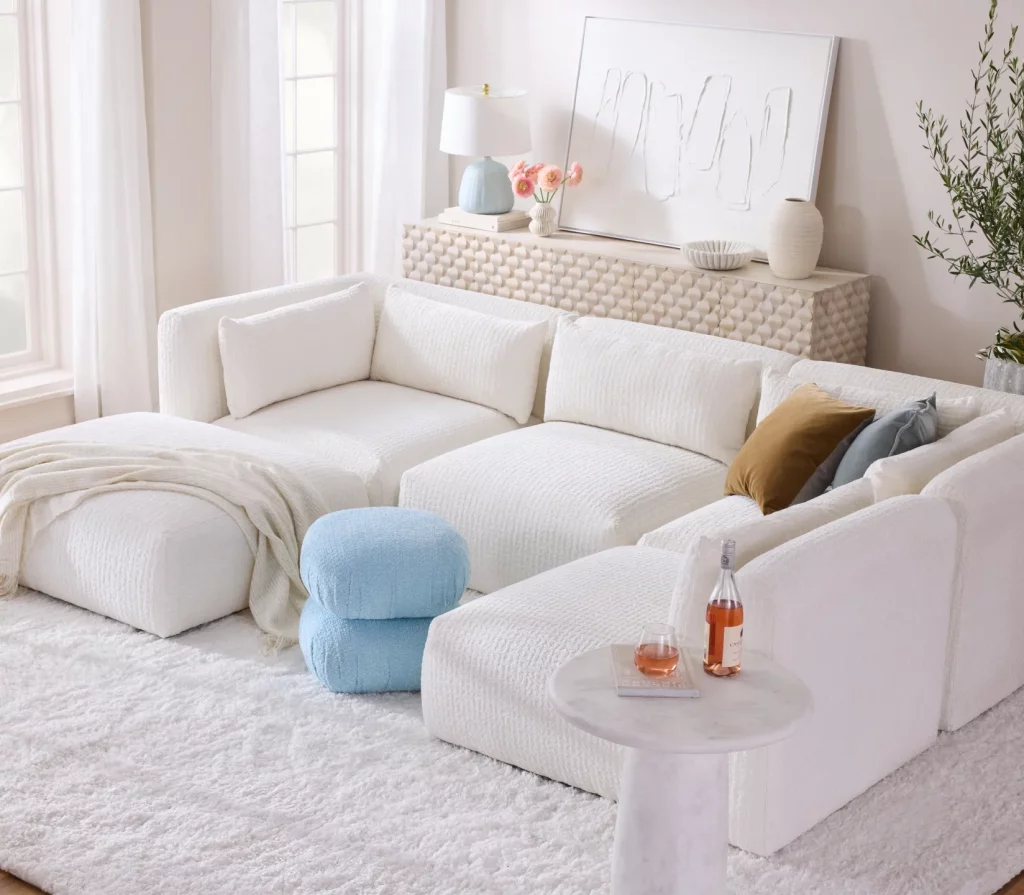
Interiors Designed For Calm And Clarity
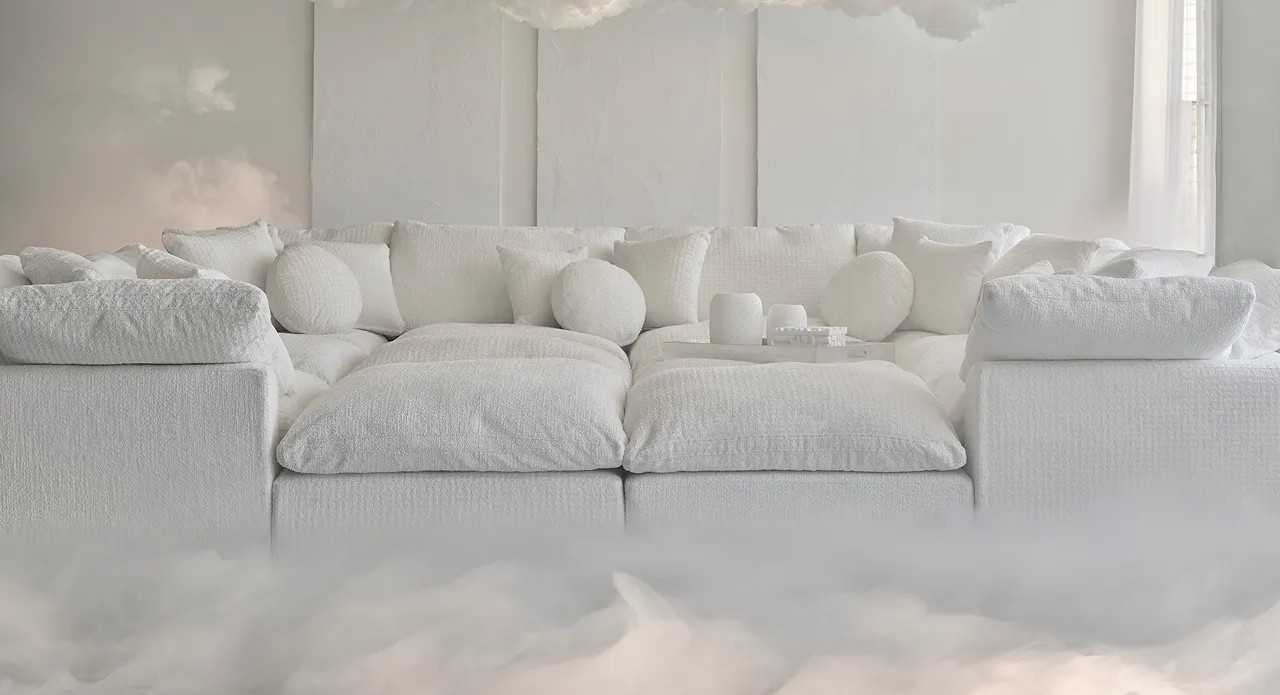
White dominated luxury interiors, not as emptiness but as layered richness. Variations of stone, linen, plaster and wood created depth without visual noise. Natural light became a defining feature, shaping spaces throughout the day. These environments offered calm rather than spectacle, reflecting a growing desire for homes and hotels that restore rather than impress.
Technology Finds Elegance In Visual Silence
In technology, white became synonymous with intelligence and refinement. Devices and digital interfaces used white space to communicate ease, clarity and purpose. In contrast to cluttered screens and aggressive visuals, white suggested thoughtful design and respect for the user. Visual calm itself became a premium feature in an overstimulated digital world.
Automotive Design Moves Toward Controlled Sophistication
Luxury automobiles embraced white as a statement of precision and confidence. Clean exteriors paired with refined interiors emphasized innovation and performance without aggression. White conveyed control and efficiency, appealing to buyers who valued intelligence and refinement over loud displays of power.
Also Read: I’ve Survived 17 Delhi Winters And These Are The Wardrobe Staples I Can’t Live Without
The Psychology of Reset and Renewal
Psychologically, white represented a fresh beginning. After years defined by uncertainty and overload, people gravitated toward spaces and objects that felt open and restorative. White offered optimism without chaos and simplicity without emptiness, creating an emotional balance that felt deeply modern.
Why White Became the Luxury Code of 2026
White did not rise because it was fashionable. It rose because it reflected a fundamental shift in how luxury was defined. In 2026, true luxury meant choosing less but choosing better. White, with its clarity, discipline and confidence, became the ultimate expression of that philosophy.