How Couture Embroidery Techniques Are Inspiring Luxury Interiors
Luxury homes are embracing couture embroidery through embellished furnishings, hand-stitched textiles and heritage craftsmanship that add texture and character to contemporary interiors
Behind every unforgettable couture creation lays intense handwork, often measured not in hours but in hundreds of painstaking stitches.
Tiny pearls painstakingly stitched onto silk, metallic threads catching the light on evening gowns, and intricate floral motifs reserved for the ateliers of Paris. Today, that same craftsmanship is finding an unexpected second home in the form of luxury interiors.
Designers are increasingly looking beyond fashion for inspiration, borrowing embroidery techniques that have long defined haute couture and translating them into living spaces. The result is a growing appreciation for homes that feel layered, tactile and deeply personal.
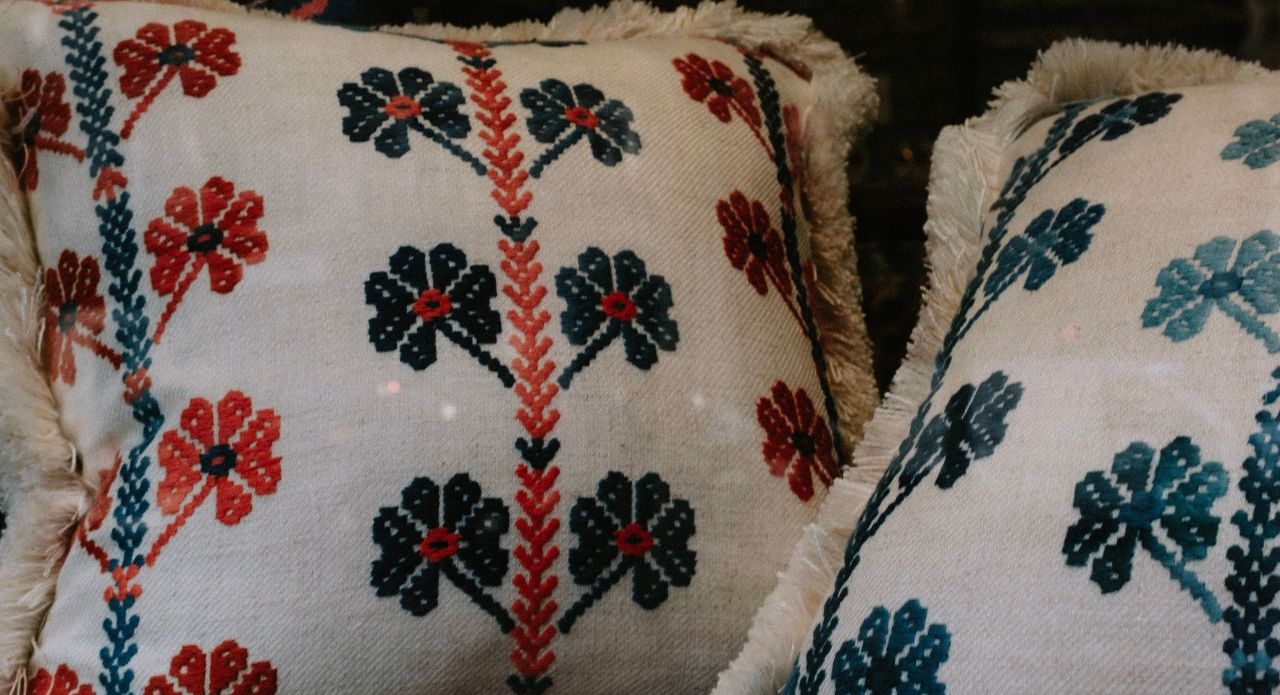
Threads Beyond The Runway
Luxury interiors have always celebrated craftsmanship, but embroidery introduces a distinctly intimate quality. A hand-embroidered headboard, for instance, carries the same sense of individuality as a well-crafted couture gown. Cushions adorned with Kantha stitch, intricate embroidery and satin detailing bring depth to spaces that might otherwise rely solely on colour or furniture silhouettes.
Techniques such as tambour beading and couching, widely used by couture houses for their intricate embellishments, are now appearing on wall panels, lampshades and upholstered furniture. Metallic threads woven into textiles create a soft shimmer under ambient lighting, while raised embroidery lends a sculptural dimension that feels almost artistic.
Also Read: Fendi’s Couture Homecoming Turns Rome Into the Season’s Most Powerful Runway
British interior design house Beaumont & Fletcher has notably championed couture embroidery in interiors, using hand-embroidered fabrics to transform screens, curtains and furniture into statement pieces. Their work underscores a broader shift in luxury: moving away from mass-produced perfection towards objects that bear the unmistakable mark of the artisan.
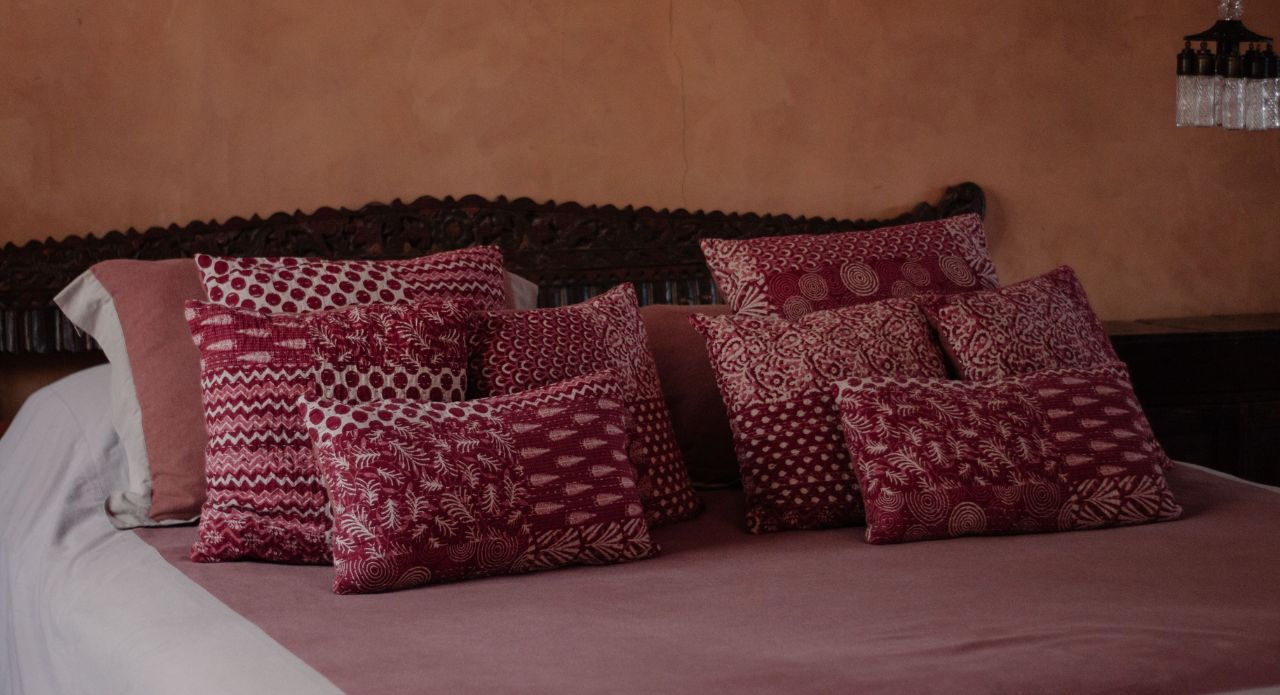
Homes Rich With Texture
Texture has become one of the defining elements of contemporary luxury, and embroidery offers it in abundance. Unlike printed patterns, embroidered surfaces invite touch. They age gracefully and often become conversation starters within a room.
Interest in artisanal interiors has also grown alongside a renewed appreciation for heritage crafts. Indian techniques such as zardozi, dabka and aari work are increasingly influencing global design conversations, proving that embroidery is as much about cultural storytelling as decoration. A velvet armchair edged with metallic thread or a silk lampshade featuring hand-stitched florals can instantly evoke the romance of couture.
Also Read: Paris Haute Couture Week Opens With Creative Shake-Up and Couture Spectacle
Perhaps that is why embroidery feels so relevant today. Homes are no longer being designed merely to impress but they are being curated to reflect personality and memory. Couture has always excelled at telling stories through stitches.