The Luxury Of Silence
Filmmaker and photographer Sunhil Sippy reflects on the evolution of Indian aesthetics—and the quiet clarity that shaped his creative voice
Over the past 25 years, I lived a glamorous life directing TV commercials for some of the country’s biggest brands and working closely with India’s popular celebrities. It was a heady time, especially in the early 2000s, when creatives still held the power. Yet the industry carried an unspoken divide—one voice rooted in Indian nuance and another aspiring toward a global, distant aesthetic that felt perpetually out of reach.
India’s Homegrown Visual Language
Back then, international technicians were prized additions to any production—“a foreigner’s eye on India” was practically a pitch in itself. But the landscape shifted as India grew more confident about its own identity. Slowly, our cultural sensibilities entered both craft and technique. We embraced our emotional depth and our peculiarities; what was once softened became a creative strength. Suddenly, a local eye on a local world began drawing global attention.
This creative evolution mirrored India’s emergence as a global cultural force. Authentic, intimate storytelling began resonating with a more discerning audience. Traditional formats—the full-page ad, the billboard, the 30-second spot—stopped being essential for brand-building. Honesty became connection. But this freedom demanded responsibility: the old gatekeepers were fading, yet owning one’s voice required courage, stamina and clarity. I realised that true luxury was rooted in identity—and identity thrived only in authenticity.
Photography And Freedom
Photography entered my life softly in 2008 and grew into an unexpected anchor. Walking the city’s streets became a release from studio confines and strict briefs. While big productions had their own thrill, nothing matched the peace of responding instinctively to everyday life. Working without scripts, expectations or deadlines became a profound luxury—one that shaped my artistic voice.
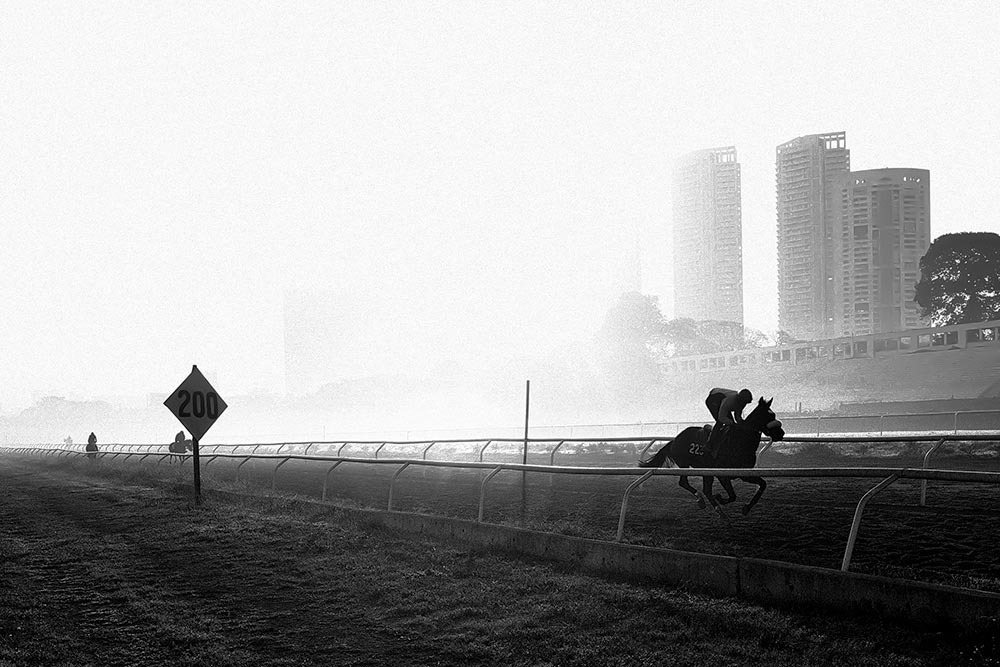
In 2021, my first monograph, The Opium of Time, went to press. It was my first real act of belief—trusting that my inner world could resonate with others. The risk paid off. Around the same time, my long-term work at the Mahalakshmi Racecourse gathered weight. With the monograph selling out, I felt ready to begin a new photographic narrative, RACEDAY. That step—pure, intuitive—opened the door to an unexpected long-term partnership.
Partnership Rooted In Trust
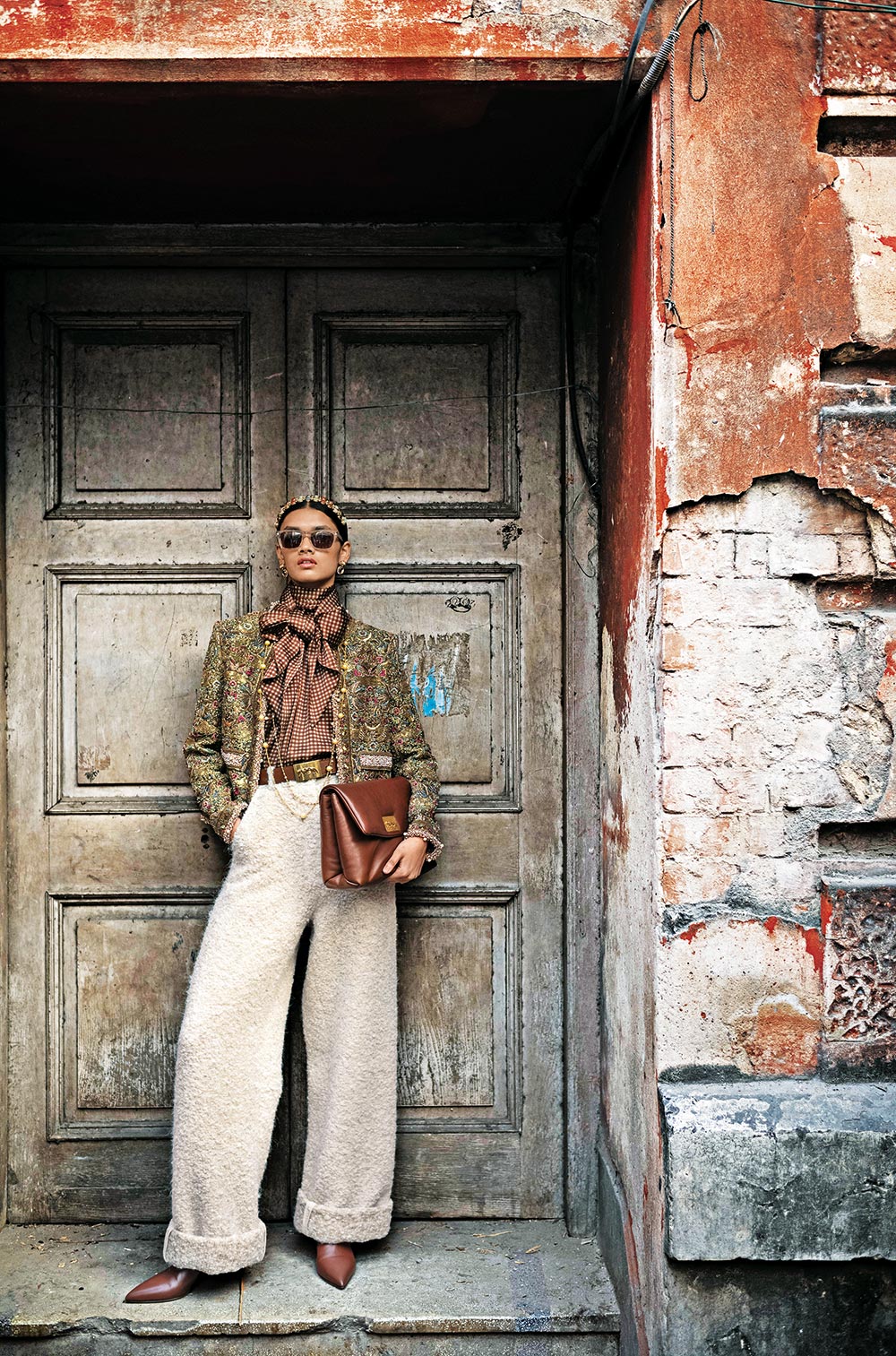
I found a similar conviction and energy when I began collaborating with Sabyasachi. Though the worlds I captured for him were far from the anonymity of the streets, they shared the same unpredictability and pulse. Our shared approach was to observe and document without agenda. Nearly three years later, we have built a vast body of work, including his 25th anniversary campaign shot on the streets of Kolkata—the perfect intersection of our sensibilities.
He celebrates creativity at every level—from senior team members to local artisans. He nurtures people, and with his trust, I grew more comfortable in my own skin. As my responsibilities expanded, I realised how deeply my global exposure, education abroad and early travels shaped this partnership. He offered me an immense canvas—Kolkata’s streets, New York’s glamorous parties, intimate moments from his creative process—while framing deeply local narratives for a global audience. It was a world I instinctively understood.
The Luxury Of Flow
When I reflect on this journey, it still feels slightly unreal. But I’ve learned that when a camera rests in my hands, the noise inside me falls silent. I surrender, I trust, and silence becomes my guide—allowing me to record local narratives ready for global eyes.
I’ve often wondered what luxury truly means. Ultimately, it is this silence—the rare state of flow where instinct leads and the shutter follows. And what greater luxury exists than earning the privilege to speak in a voice that finally feels like your own?