Why Billionaires Never Stop Buying Homes In This Timeless Architecture Style
From centuries old European estates to minimalist tropical retreats, the world's wealthiest homeowners continue to return to a handful of architectural styles that transcend trends, market cycles, and fleeting notions of luxury
The trouble with modern luxury real estate is that much of it ages about as gracefully as a nightclub VIP section. One minute it is the hottest address in town, draped in fashionable materials and clever marketing jargon. Ten years later it looks like a forgotten technology conference. True wealth, however, rarely falls for fashion.
The people who can buy virtually anything have a habit of purchasing the same things repeatedly. Not because they lack imagination. Quite the opposite. They have seen enough of the world to recognise permanence when it appears. They understand that genuine luxury is not measured by the number of smart home controls hidden inside a wall panel. It is measured by whether a house still looks magnificent fifty years later. Which is why, from the English countryside to the Amalfi Coast and the mountains of Switzerland, certain architectural styles continue attracting billionaires decade after decade. They are not simply homes. They are statements of permanence disguised as buildings.
Georgian Architecture
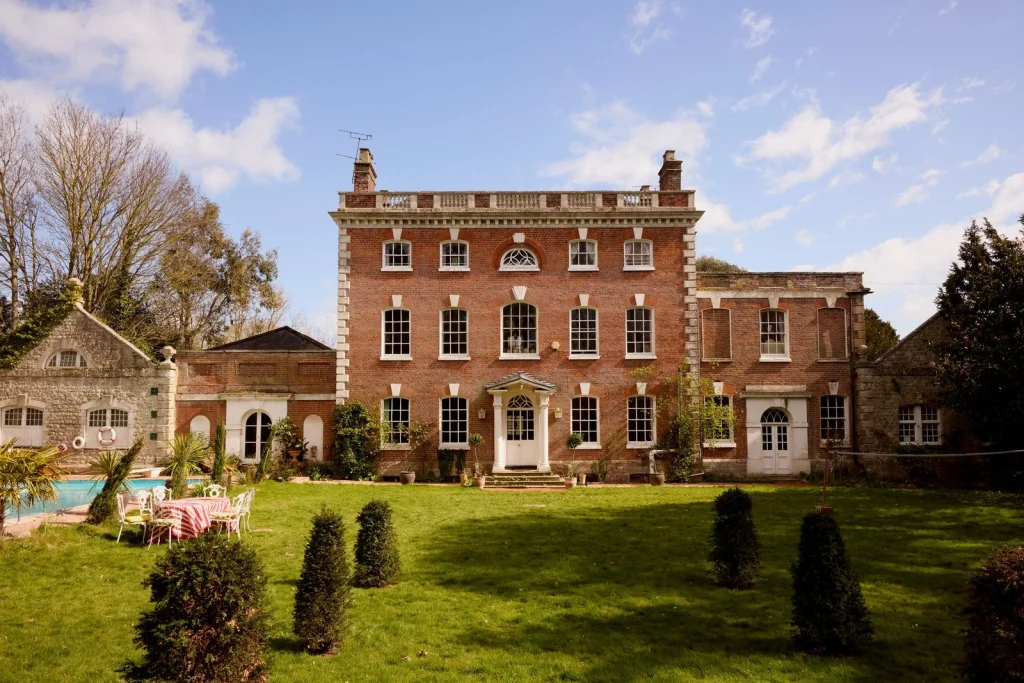
If architecture had a perfect wristwatch equivalent, it would be a Patek Philippe Calatrava. Nothing excessive. Nothing trendy. Just proportion, balance, and confidence refined over centuries. Georgian architecture emerged in eighteenth century Britain and remains one of the most coveted residential styles in the world. Symmetrical façades, sash windows, grand entrances, and disciplined proportions create homes that feel reassuringly permanent. Billionaires continue to acquire Georgian townhouses in London and country estates across England because these properties possess something increasingly rare: gravitas. They look as relevant today as they did two hundred years ago. Trends arrive and disappear. Georgian architecture simply remains.
Also Read: Bijoy Jain And Studio Mumbai: The Indian Architect Redefining Sustainable Luxury Design
Mediterranean Villa Architecture
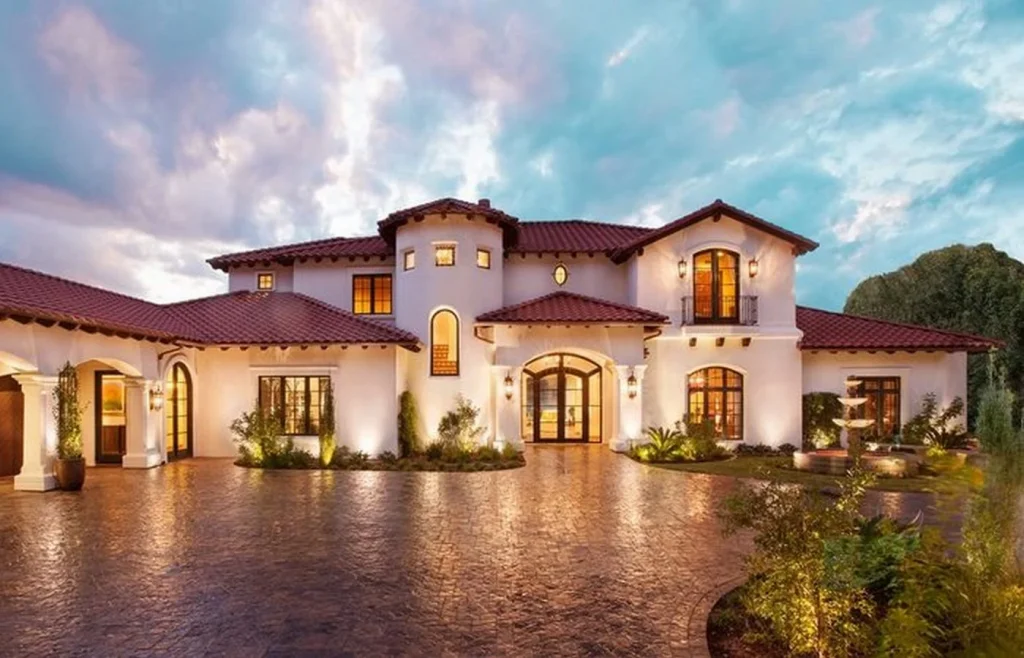
The Mediterranean villa understands something many modern homes forget. Luxury is supposed to slow you down. Whether perched above the Amalfi Coast, hidden among the vineyards of Tuscany, or overlooking the sea in Mallorca, these homes are designed around climate, landscape, and the art of living well. Thick stone walls keep interiors cool, courtyards encourage long afternoons outdoors, and shaded terraces transform meals into occasions. There is an effortless elegance to Mediterranean architecture. It does not try to impress with size alone. Instead, it seduces through atmosphere. Wealthy buyers return to this style repeatedly because it offers what many luxury properties promise but few deliver: genuine pleasure in everyday living.
Alpine Chalet Architecture
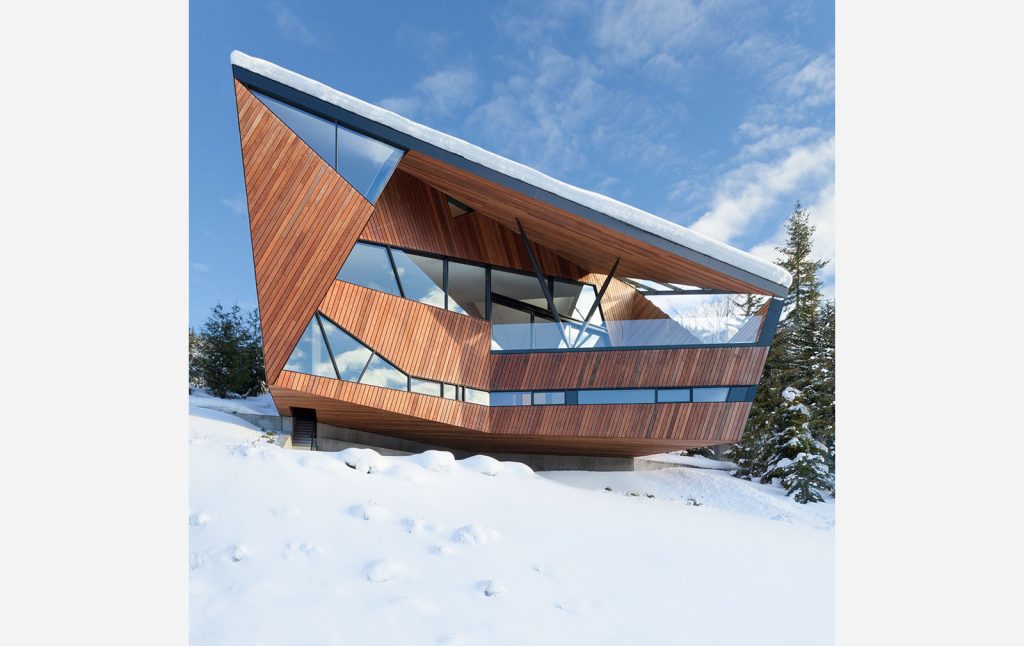
A great Alpine chalet feels less like a house and more like a sanctuary. Originally conceived for survival in harsh mountain conditions, the style has evolved into one of the most desirable forms of luxury real estate on the planet. Massive timber beams, natural stone foundations, pitched roofs, and expansive fireplaces create interiors that feel both monumental and deeply comforting. Destinations such as St. Moritz, Gstaad, and Courchevel have transformed the chalet into a symbol of discreet wealth, where craftsmanship often matters more than spectacle. The appeal lies in its authenticity. Every beam, every stone, every hand finished detail feels connected to the landscape. In an era obsessed with visibility, the chalet remains one of luxury’s most private pleasures.
Modern Tropical Architecture
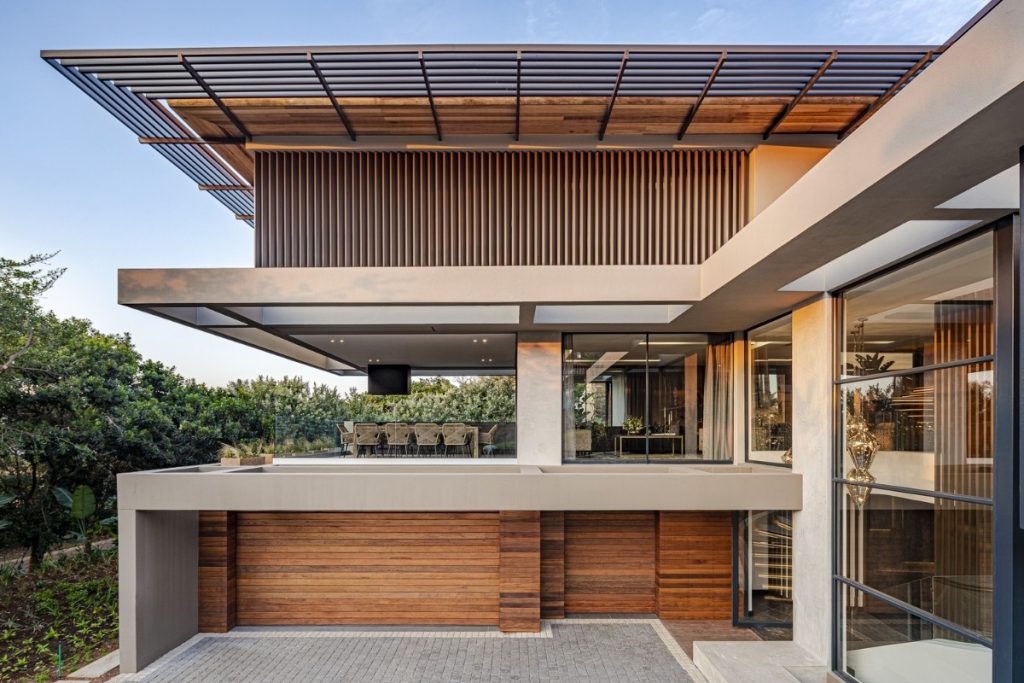
Few architectural styles have risen faster among the global wealthy than modern tropical design. Found throughout Bali, Goa, Phuket, Costa Rica, and increasingly across luxury developments worldwide, these homes blur the boundary between indoors and outdoors. Floor to ceiling glazing, open pavilions, natural materials, reflecting pools, and lush landscaping create an environment where nature becomes part of the architecture itself. Yet beneath the visual serenity lies remarkable intelligence. Deep overhangs provide shade, cross ventilation reduces dependence on air conditioning, and local materials respond naturally to climate conditions. Billionaires are drawn to tropical architecture because it feels liberating. It replaces formality with freedom while delivering a level of comfort that feels almost effortless.
Indian Courtyard Architecture
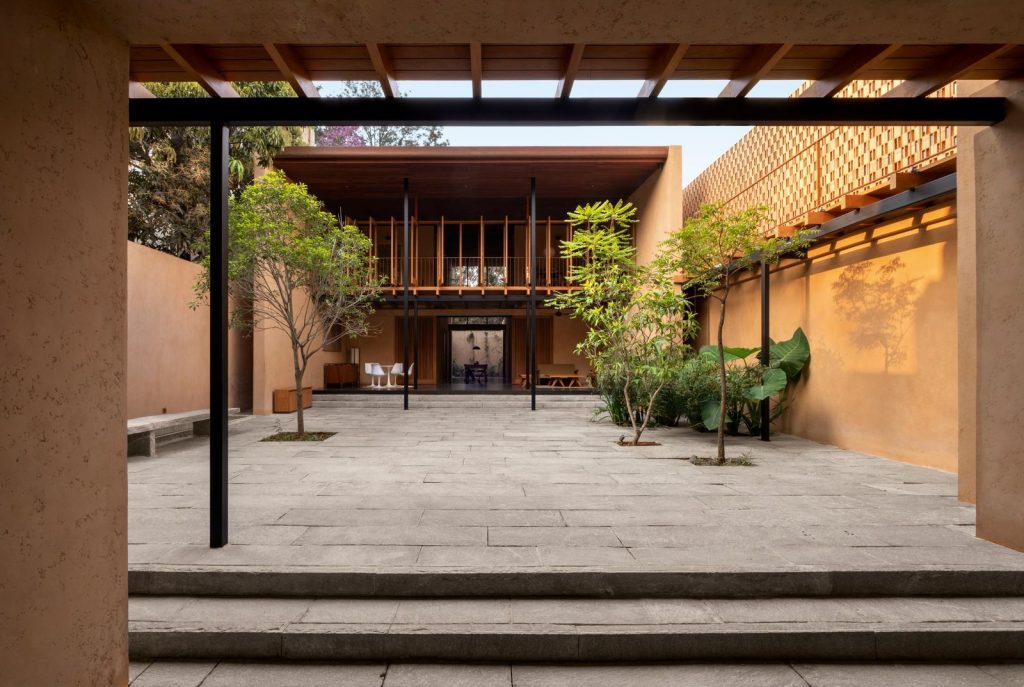
Long before sustainability became fashionable, India had already solved many of architecture’s most important challenges. Traditional courtyard houses, from Rajasthan’s havelis to the ancestral homes of southern India, were designed around light, airflow, privacy, and community. Today, a new generation of architects is reinterpreting this language for contemporary luxury living. Central courtyards become tranquil gardens, water features cool interiors naturally, and carefully framed openings create an ever changing dialogue between light and shadow. These homes feel rooted rather than manufactured. They acknowledge local climate, craftsmanship, and culture without sacrificing modern comfort. For affluent buyers seeking authenticity rather than imported trends, the courtyard house offers something profoundly valuable: a sense of belonging. In many ways, it represents the future of luxury by reconnecting with the wisdom of the past.