Thermal Glow: When Light, Heat And Ice Rewire How Skin Behaves
Thermal glow is not just a trend; it is biology at work. This article explains how controlled light, heat and cold serve as physical signals that retrain the skin’s circulation, collagen and barrier function
In dermatology, temperature and light are not accessories; they are physical signals that change how skin behaves. Heat, cold and specific wavelengths of light can alter microcirculation, mitochondrial activity, barrier lipids and even inflammatory pathways. What beauty is now calling the “thermal glow” is simply the visible result of using these stimuli in a controlled way: skin that looks smoother, better hydrated and more evenly lit because its underlying biology is performing more efficiently.
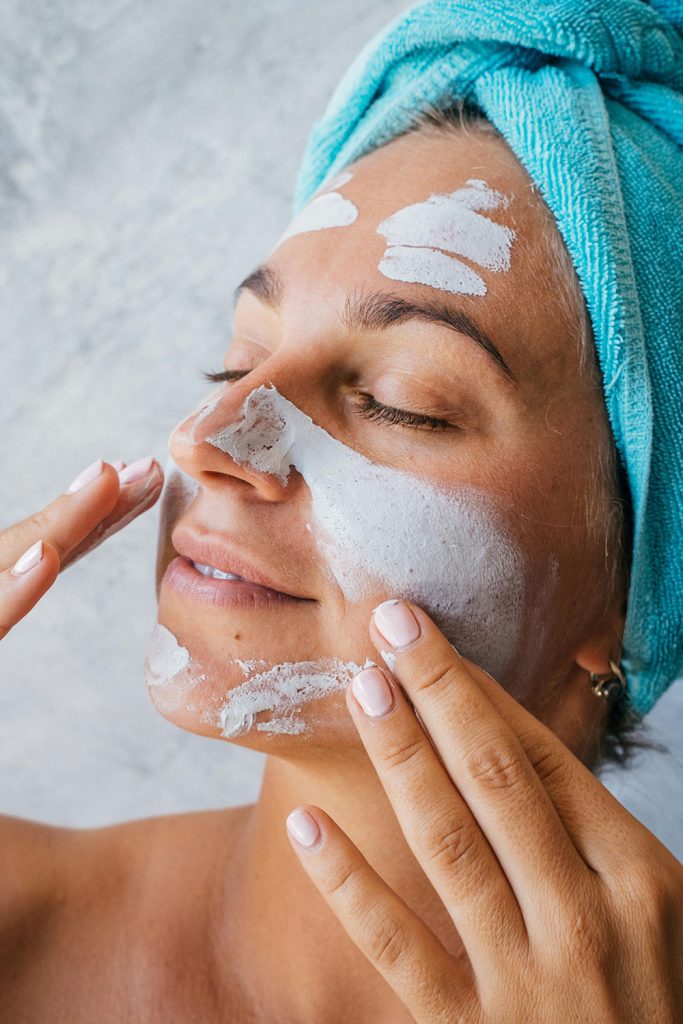
At the centre of this movement are high-performance LED devices, such as the Qure LED mask. These masks are designed around photobiomodulation: red and near-infrared wavelengths are absorbed by an enzyme in the mitochondria called cytochrome c oxidase. That interaction increases ATP – the cell’s energy currency – and encourages fibroblasts in the dermis to make more collagen and elastin, while supporting repair processes. Over time, the surface reads as finer lines, a tighter grain and a quiet, expensive-looking luminosity rather than a greasy shine.
Also Read: The Bridal Skincare Diet: The Glow That Begins Long Before The Wedding Day
Blue LED light plays a complementary role for breakout-prone skin. It is absorbed by porphyrins produced by C. acnes bacteria. Once activated, these porphyrins generate reactive oxygen species that selectively damage the bacteria, helping to reduce inflammatory lesions without the collateral dryness that often comes with aggressive acne treatments. In practice, a device that can alternate red and blue modes allows you to push collagen and clarity at the same time – particularly useful in winter, when heavier textures and stress can trigger congestion.
The “thermal” aspect is more than just comfort. Gentle, controlled warmth from LED or thermal therapy tools causes mild vasodilation in the skin’s microvasculature. Blood flow increases, bringing oxygen and nutrients closer to the epidermis. At the same time, warmth can increase the fluidity of stratum corneum lipids, which is why applying LED over a humectant-rich serum often seems to enhance product absorption and reduce that tight, dehydrated feeling. Used correctly, you’re not overheating the skin; you’re nudging circulation and barrier lipids into a more flexible, functional state.
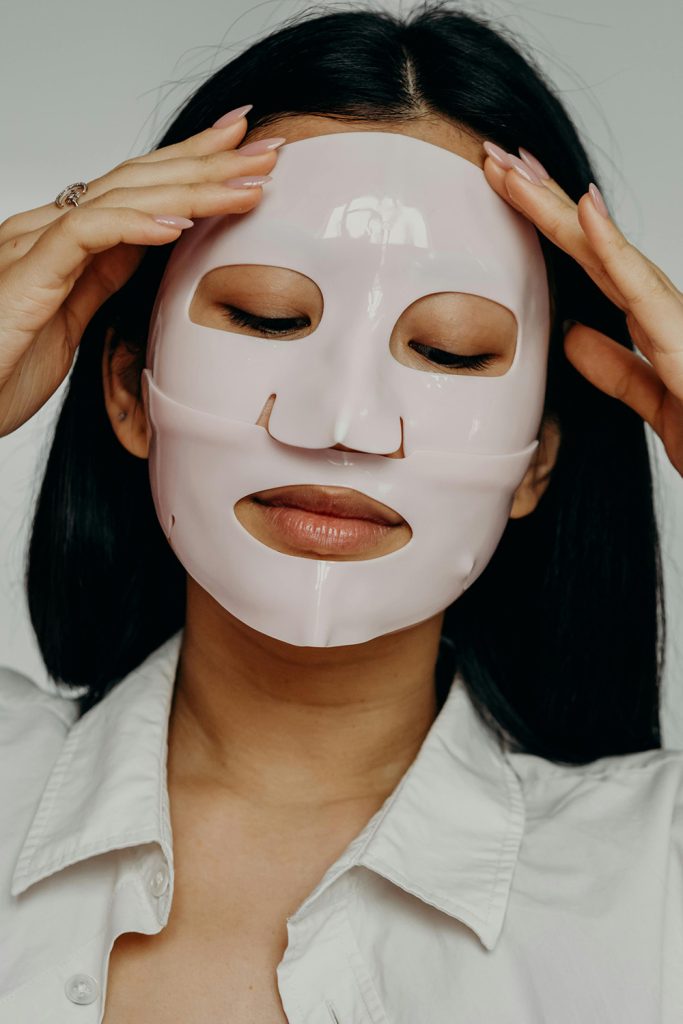
Luxury skincare is now pairing this cocooning warmth with precisely engineered cold. Cryo-inspired formulas like the Clarins Cryo-Flash Instant Lift Effect & Glow Boosting Mask are designed to reproduce, in a topical format, the effects of in-clinic cryotherapy. The gel-cream mask rapidly drops skin temperature using cooling actives and botanicals, triggering vasoconstriction at the surface. Puffiness is reduced, facial contours look more sculpted, and pores appear more refined. As the skin gradually rewarms, there is a rebound in circulation – a kind of “vascular workout” that leaves the complexion clearer and more luminous.
Also Read: 7 Luxury Face Masks That Lift, Firm, and Transform Like Couture
Cooling has a biochemical dimension as well. Lower surface temperature can help modulate the release of pro-inflammatory mediators, which is why cryo masks and chilled tools often leave sensitive or redness-prone skin looking calmer and more even. When combined with mineral-rich thermal waters and modern barrier creams, this alternation of warm and cold behaves less like a quick fix and more like training for the skin’s architecture.
The most refined routines choreograph these technologies rather than using them in isolation: an LED session over a hydrating serum to energise, a period of gentle warmth to open and infuse, followed by a cryo mask to sculpt, de-puff and “seal” the effect. The resulting glow is not theatrical or metallic; it is the quiet brightness of a complexion whose circulation, collagen and barrier function have all been strategically engaged. In other words, thermal glow is not a filter – it is physics, written directly into the skin.
Also Read: 8 Japanese Skincare Products I Bought (And Loved) In Japan: Local Favourites, Dermatologist-Approved