Your Skin Is Suffering In This Heat, Here’s What To Do About It
It's boiling outside and your skincare routine needs to change. Here's where to start
Every summer, dermatologists across India see a spike in patients walking in with rashes, breakouts, and sunburns that could have been avoided. This year, with temperatures hitting record highs across the country, skin is taking a serious beating and most people don’t realize how much the heat is actually affecting it.

The damage is more than surface level. According to Dr. Sandeep Arora, Senior Consultant in Dermatology at Apollo Spectra Hospital, Delhi, extreme heat increases swelling, oil production, dehydration, sun sensitivity, and irritation. “Extreme level of heat can impact the skin by increasing swelling, production of oil, dehydration, sensitivity of sun, and irritation as well. During the period of heatwave, the skin barrier may become weak, automatically leading to rashes acne flare-ups, tanning, sunburn, itching, and fungal infections, mainly in skin folds. People suffering from eczema, sensitive skin may also notice worsening redness and inflammation.” Add pollution and sweat to the mix, and things go out of hand. “Heat combined with pollution and sweat clogs pores, making regular cleansing and hydration essential.”
You’re Probably Making These Mistakes
Most people assume their regular routine is good enough. It isn’t, at least not during a heatwave. Dr. Arora points to a few habits that quietly make things worse. He says, “The biggest problem includes skipping sunscreen indoors or on cloud days, using heavy creams in humid weather, over-washing the face, scrubbing aggressively, and ignoring sweat-soaked clothes for long duration.” There’s also the issue of overloading the skin with actives. “Most of the people also use too many active ingredients like retinol, acids, or strong exfoliants during extreme heat conditions, which can impact the skin. Not drinking enough amount of water, avoiding moisture completely and applying makeup over sweaty kind of skin can further worsen acne and sensitivity as well.”
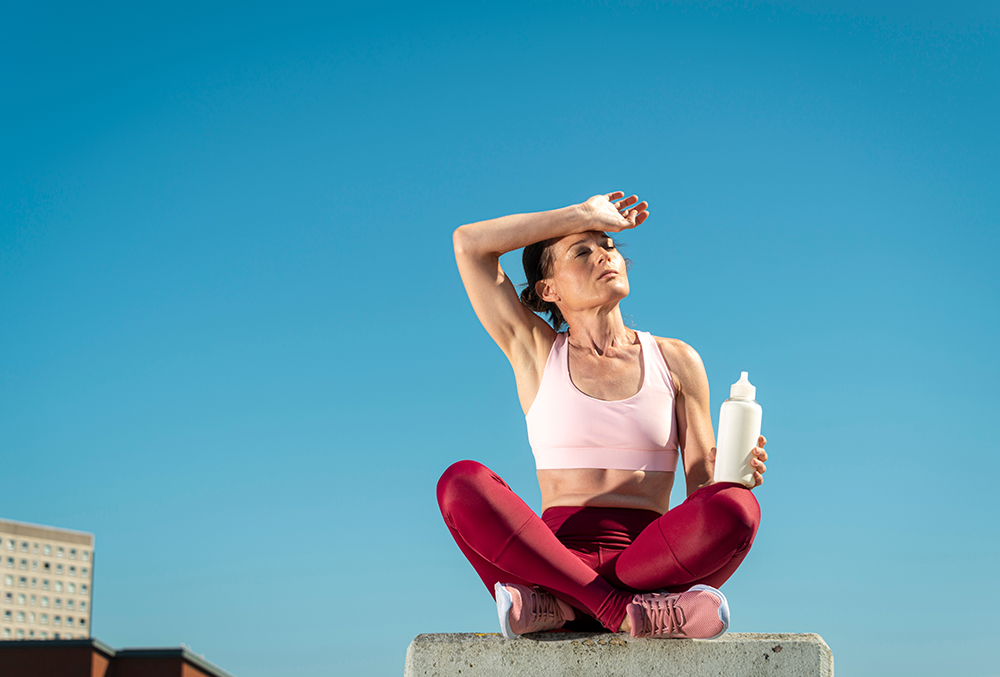
What Your Skin Actually Needs
Dr. Arora’s advice is to keep it simple. A gentle cleanser, a lightweight moisturiser, and a broad-spectrum sunscreen reapplied through the day, are the foundation. Loose cotton clothing, a hat or scarf when stepping out, and avoiding peak sun hours between 11 am and 4 pm make a real difference.
Showering after heavy sweating helps prevent the build-up that leads to fungal infections and breakouts. Diet plays a bigger role than most people credit. Dr. Arora adds, “Staying hydrated with water, coconut water, fruits, and ORS if required. Always include antioxidant-rich foods like berries, citrus fruits, cucumber, watermelon, and leafy greens. Other factors such as adequate amount of sleep, reduced alcohol/caffeine and timely medical treatment of rashes or infections also support health skin.”

6 Things To Do Right Now
- Switch to a lightweight moisturiser.
- Drop anything heavy or oil-based until temperatures cool down.
- Reapply sunscreen every two hours, even if you’re indoors or heading out briefly on a cloudy day.
- Pause the actives – retinol, AHAs, and strong exfoliants are too harsh for heat-stressed skin. Give them a break.
- Hydrate with more than just water. Coconut water, watermelon, and cucumber support skin from within, not just outside.
- Shower after sweating and change clothes promptly. Sweat sitting on skin for too long is one of the fastest routes to breakouts and fungal flare-ups.
Also Read: 8 Japanese Skincare Products I Bought (And Loved) In Japan: Local Favourites, Dermatologist-Approved