Paris Couture Week 2026: How Indian Designers Are Emerging As Global Luxury Fashion Power Players
Discover how Indian designers at Paris Couture Week 2026 are influencing global luxury fashion through craftsmanship, heritage, innovation and exclusivity.
Paris couture, to be held between July 6 and 9, is hosted across some of Paris’s iconic venues, including the Printemps Haussmann Rooftop and locations organised by the Fédération de la Haute Couture et de la Mode. Paris couture has represented the pinnacle of European luxury for decades, with houses such as Chanel, Dior and Schiaparelli showcasing some of the world’s most exclusive creations. This July, four Indian designers, including Manish Malhotra, who will feature on July 8, along with Vaishali S, Rahul Mishra and Gaurav Gupta, will showcase their creations on one of fashion’s most influential stages, no longer participating in the conversation from a distance but increasingly becoming part of its institutional core.
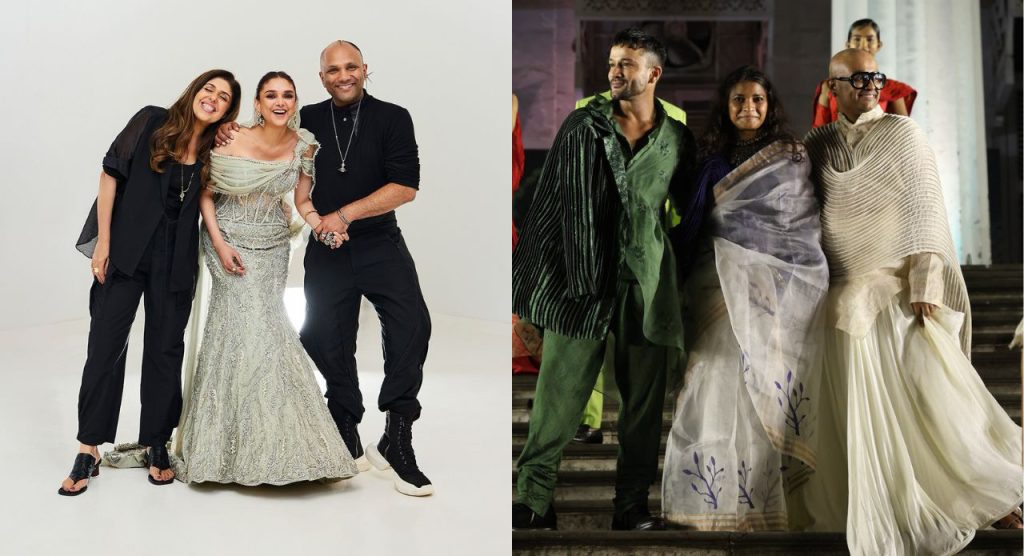
The road to Paris Couture Week did not unfold for Indian designers overnight. It was paved decades ago through Indian embroidery adorning European luxury collections, artisanal techniques finding their way into the global fashion houses and indigenous design codes, ranging from the Kolhapuri chappal to sophisticated hand embroidery, attracting global attention.
Whether through Chanel’s India-inspired Paris-Bombay collection, Dior’s celebration of Indian craft in Mumbai or the recent spotlight on Kolhapuri sandals in luxury fashion, Indian aesthetics have steadily moved from the margins of inspiration to the centre of conversation across the globe.
What Makes Indian Couture a Global Pick?
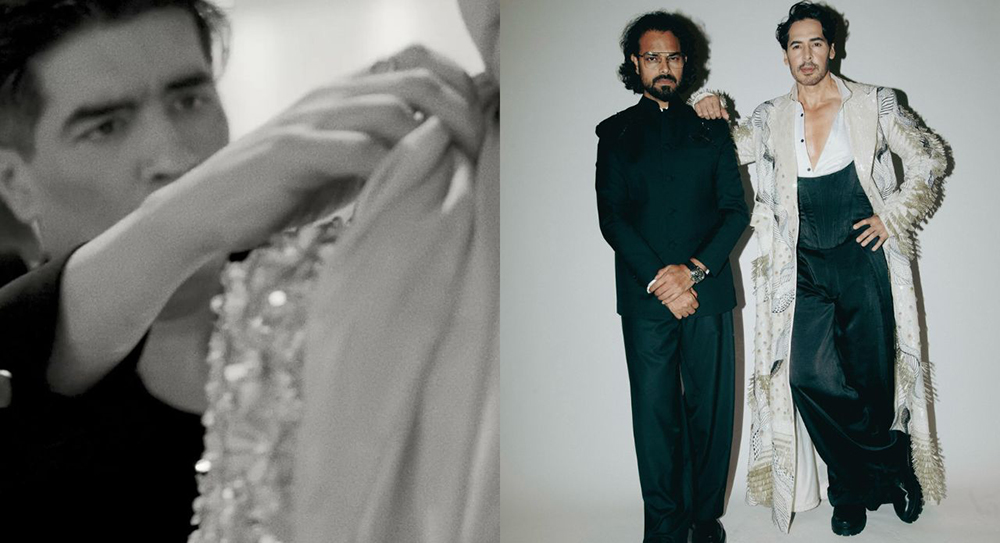
Craftsmanship That Luxury Houses Already Depend On
Long before Indian designers appeared on the Paris couture calendar, Indian ateliers were creating intricate embroidery and handwoven designs for major European luxury houses such as Chanel and Dior. What is changing now is that Indian designers are receiving recognition not only as artisans but as creative authors.
Couture’s Return to Slow Luxury
With a growing number of consumers of premium couture seeking handmade, limited-production pieces over mass-produced fashion, India’s artisanal ecosystem has become a competitive advantage. Industry leaders have pointed to India’s deep heritage of handcraft, embroidery and made-to-order production as organically aligned with the global inclination towards a slower and personalised form of luxury.
High on Celebrity Quotient
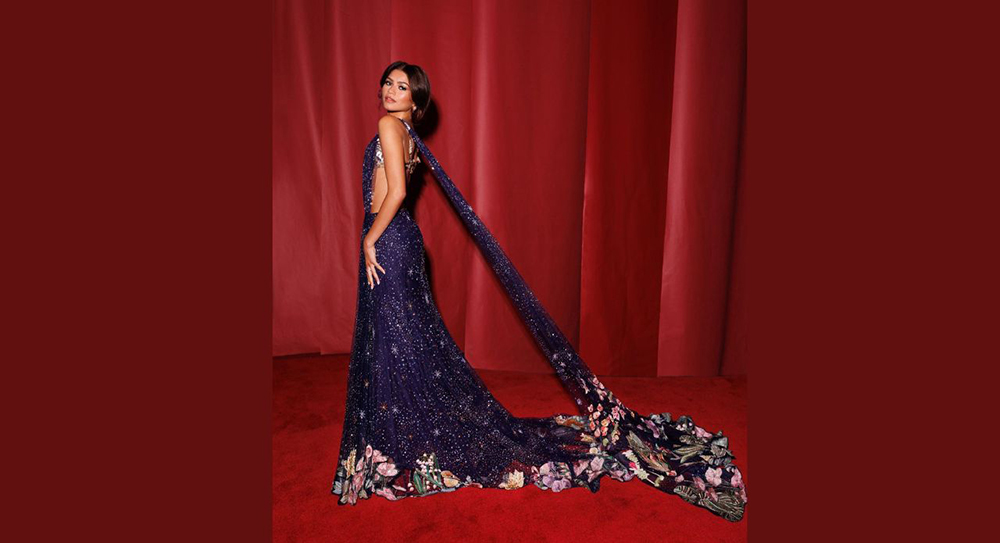
Global visibility for Indian designers has accelerated through celebrity dressing. In recent years, celebrities such as Beyoncé, Cardi B, Zendaya and several international red-carpet attendees have worn creations by Indian designers, helping transform Indian couture from a niche category into a visible force within the global couture culture.
Paris Changes Everything
The official Paris Haute Couture calendar remains one of fashion’s most exclusive institutions. Inclusion on such a platform signifies creative credibility, commercial relevance and peer recognition. The presence of four Indian designers takes the narrative one step beyond positioning India merely as a production hub and instead presents it as a source of luxury intellectual property, design language and cultural influence.