PM Modi’s Independence Day Look Is A Lesson In India’s Textile Luxury
PM Modi’s latest look brings Indian craftsmanship and homegrown design into focus, proving that political style can carry a distinctly Indian identity
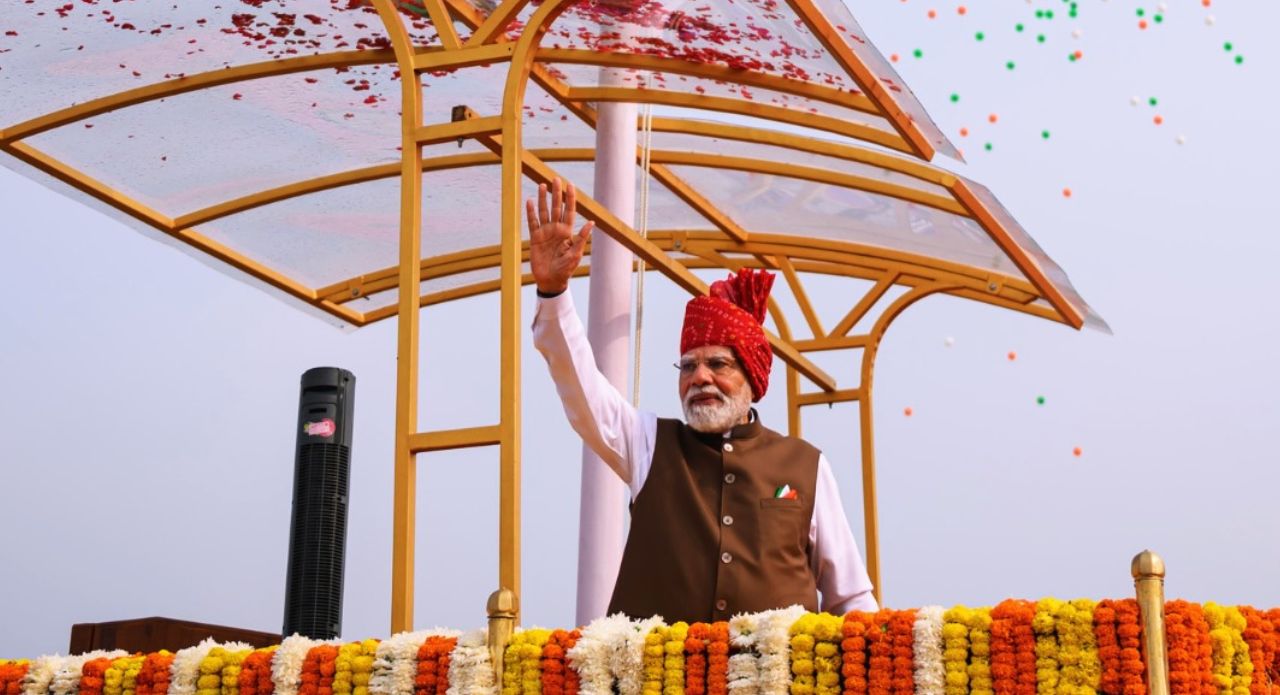
Every Independence Day, the colours of the Indian flag find their way into homes, streets and public spaces. This year, they also found expression in Prime Minister Narendra Modi’s traditional ensemble, which brought India’s textile heritage into focus and turned a ceremonial look into a quiet showcase of craft, colour and regional identity.
At the Red Fort on August 15, the Prime Minister appeared in a red Bandhani safa with a long, flowing tail, paired with a white kurta and churidar and a chocolate-brown Nehru jacket. A tricolour pocket square provided the clearest nod to the national flag, while the overall look kept the patriotic reference understated. The safa drew attention to Rajasthan’s long-standing tie-and-dye tradition, while the use of khadi connected the occasion to one of India’s most enduring textile symbols.
When Craft Carries History
Bandhani, also known as Bandhej, is recognised by its distinctive dotted patterns created by tightly tying sections of fabric before dyeing. The technique has been practised across parts of western India for generations, with Gujarat and Rajasthan particularly known for their distinctive interpretations.
Its appeal today extends well beyond traditional attire. Bandhani has increasingly found a place in contemporary wardrobes and luxury fashion, where handcrafted irregularities, labour-intensive techniques and regional provenance have become part of what makes a textile desirable.
Also Read: How Tata Trusts’ Antaran Is Giving Indian Handlooms a Modern Makeover
Khadi carries a different but equally powerful history. Once closely associated with India’s freedom movement and Mahatma Gandhi’s philosophy of self-reliance, the hand-spun and handwoven fabric has evolved into a material that continues to find relevance in contemporary Indian design.
The New Language Of Luxury
What makes traditional Indian textiles compelling in the luxury space is not simply their age. It is the human work embedded within them. A handwoven fabric, an intricate dyeing process or a craft technique passed between generations carries a sense of provenance that mass-produced luxury often struggles to replicate.
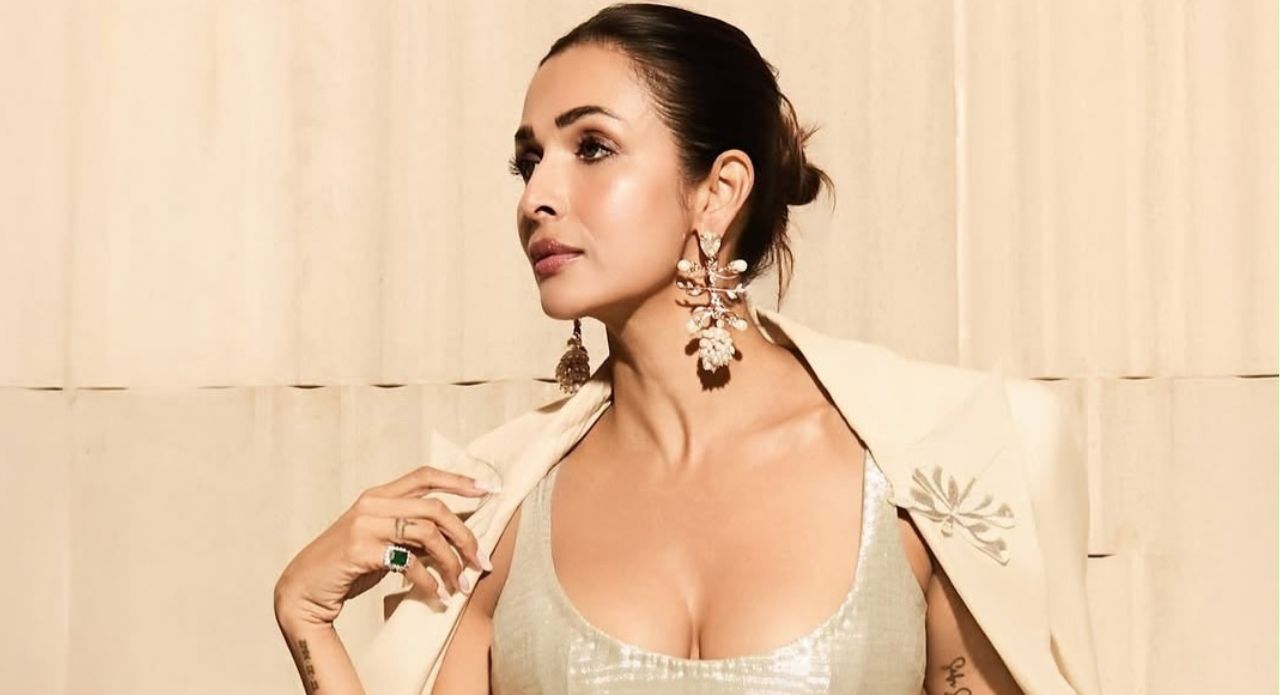
Designers such as Arpita Mehta have brought Bandhani into contemporary ceremonial dressing, using the traditional craft alongside Banarasi, tissue and Kantha in her latest collection. Rahul Mishra has continued to explore handloom, cotton and khadi through a modern luxury vocabulary, while Sanjay Garg’s Raw Mango has built a distinctive design language around handloom, cloth, colour and regional craft. Their work reflects a wider shift in which Indian textiles are being treated not simply as heritage to preserve, but as material for contemporary luxury and global fashion.
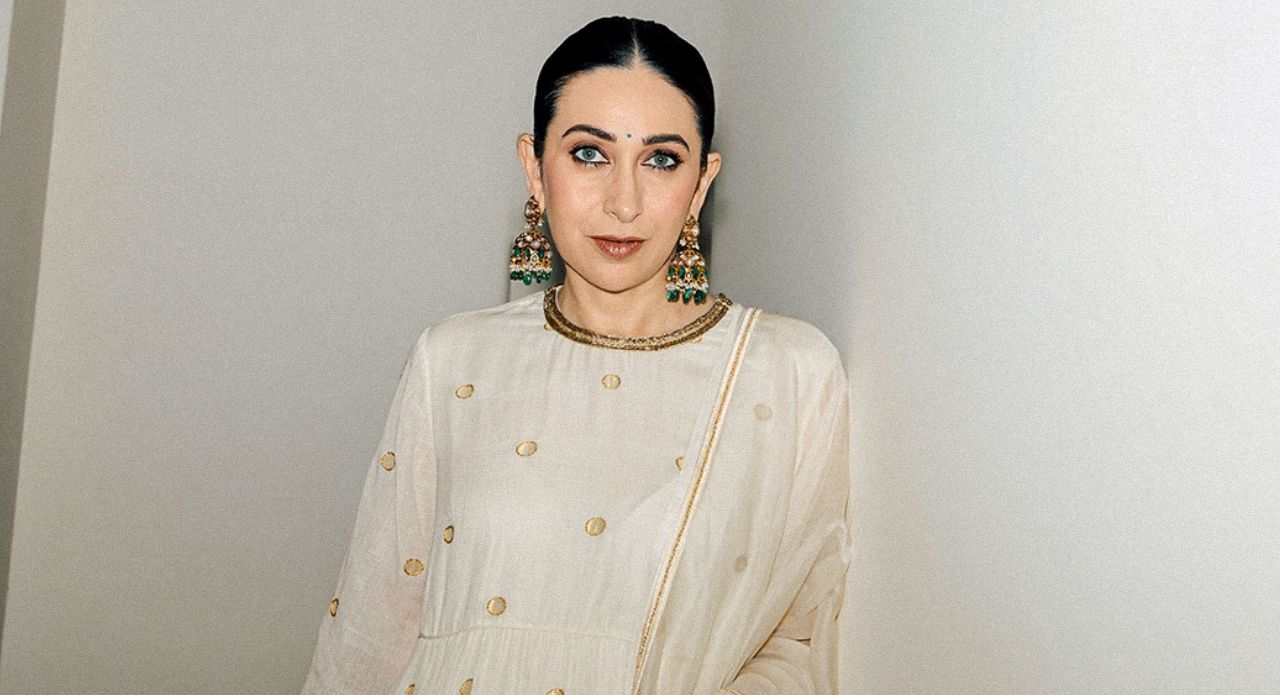
Prime Minister’s Independence Day ensemble taps into that larger cultural movement. The tricolour pocket square gives the look its immediate symbolism, while the Bandhani safa brings texture, regional identity and history into the frame. This is a reminder that India’s luxury story does not always begin with a fashion house or a runway. Sometimes, it begins with a piece of fabric, a regional technique and the hands that have kept it alive.
Also Read: How Modern Indian Textiles Are Shaping Contemporary Fashion
As Indian fashion increasingly looks to craft for its most distinctive expressions, traditional textiles are gaining a new kind of status. Their value lies not only in what they look like but in the stories, skills and cultural memory woven into every piece.