Why Is Dinner At Sublimotion USD 2,400? Inside the World’s Most Exclusive Dining Experience
There are restaurants where you go to eat, restaurants where you go to be seen, and then there are restaurants where dinner feels like someone has accidentally combined a Michelin-starred kitchen, a theatre, and a technology laboratory
At the world’s most expensive restaurant, Sublimotion, the food is only part of the story. In fact, calling it dinner feels almost unfair. This is a roughly two-and-a-half-hour production in which a handful of guests are taken through a multi-course tasting menu surrounded by theatrical storytelling, cutting-edge technology and visual effects designed to turn every course into an event. You don’t simply sit down, order something involving truffle and wait for it to arrive. You enter a carefully choreographed world where gastronomy becomes performance art, and where the bill can resemble the budget for a rather agreeable luxury holiday.
The conventional restaurant experience is wonderfully simple. You sit down, someone hands you a menu, you choose something you can’t pronounce, and eventually a waiter arrives carrying a plate that appears to contain three peas arranged in the shape of the Eiffel Tower. Here, however, simplicity has been firmly shown the door. The meal unfolds as an immersive experience, with each course contributing to a larger narrative. Food, lighting, sound, technology and visual effects work together to create an evening that feels closer to entering another world than merely going out for dinner.
Two And A Half Hours Of Gastronomy And Theatre
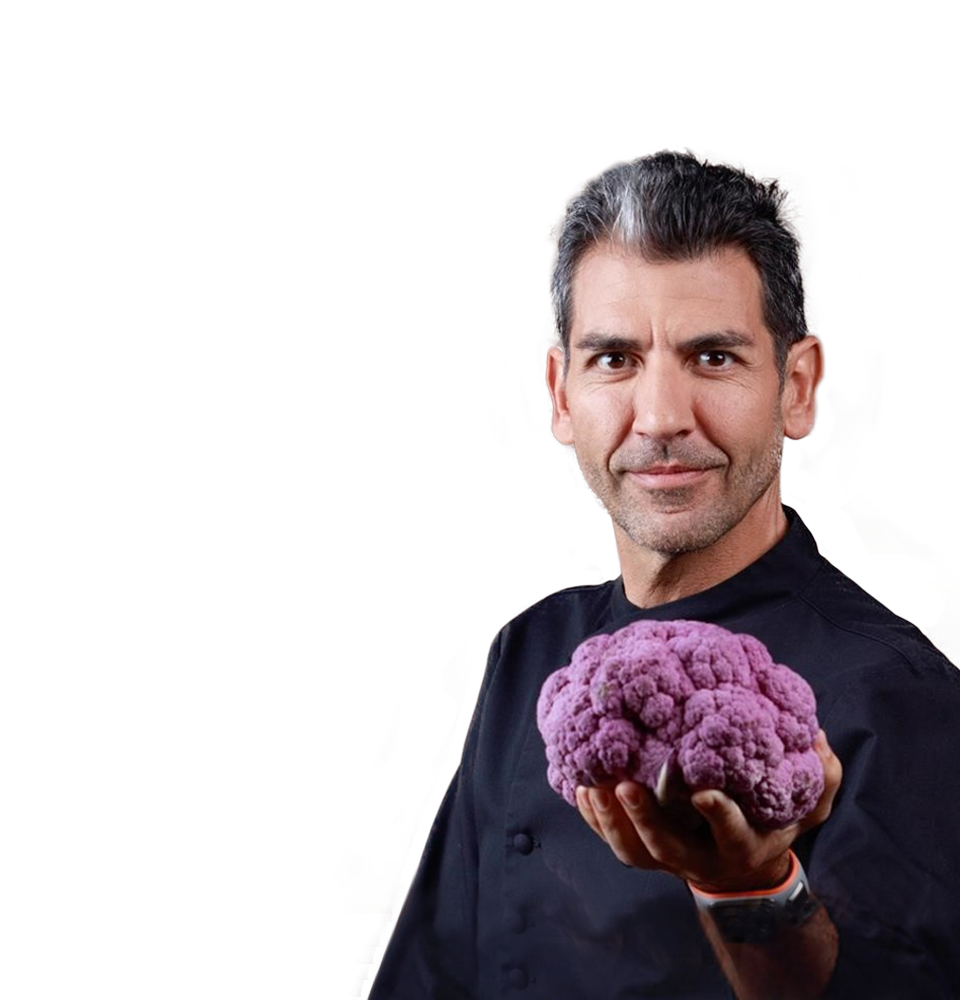
The experience lasts around 2.5 hours, giving guests considerably more than the usual sequence of starter, main course and dessert. The multi-course tasting menu becomes the backbone of the evenThe ing, while the surrounding production continually changes the atmosphere. Instead of simply presenting food, the Sublimotion builds anticipation around it, using theatrical storytelling and visual effects to make each stage of the meal feel distinct. It is essentially fine dining with the production values of a major show, except here you are sitting at the table rather than in row G.
Technology Has Joined The Tasting Menu
Technology plays a central role in the experience, transforming the dining room into part of the performance. Cutting-edge visual effects and carefully controlled environments create moments that are designed to surprise the senses alongside the food itself. The result is a form of dining in which the guest is not merely looking at the plate. The entire environment becomes part of the course. It is an increasingly familiar direction for luxury hospitality, where technology is no longer simply there to make a reservation or summon a car but to create an experience that cannot easily be reproduced at home.
Also Read: Where the World’s HNIs Are Traveling This August: 7 Must-Attend Events
When There Are Only A Handful Of Guests, Everything Feels More Exclusive
The restaurant serves only a small number of diners each evening, and that scarcity is an important part of the appeal. There is no sense of a cavernous dining room packed with hundreds of people simultaneously photographing their amuse-bouches. Instead, the limited number of guests allows the experience to feel intensely curated and personal. Every diner becomes part of the production rather than simply another customer occupying table 42.
The Price Is Part Of The Experience
Naturally, something this elaborate does not come with the sort of bill you would casually settle using the change left over from lunch. The cost is comparable to a luxury holiday, placing the experience firmly within the realm of ultra-luxury travel and hospitality. But that is precisely the point. You are not paying solely for ingredients. You are paying for access to an experience combining gastronomy, technology, art and theatre in a format designed to be remembered long after the final course disappears.
Fine Dining Has Become An Immersive Art Form
The most fascinating aspect of this new breed of restaurant is that it challenges the traditional definition of fine dining. For centuries, luxury dining was primarily about ingredients, technique, service and setting. Now, the boundaries are expanding. A restaurant can be a theatre, an art installation, a technological showcase and a culinary laboratory simultaneously. And perhaps that is where the future of ultra-luxury dining is heading. Because when guests can already order extraordinary food in almost every major city, simply serving an excellent meal is no longer enough.