The Rise of Private Luxury Travel: When Privacy Becomes the Ultimate Status Symbol
As luxury travellers grow increasingly immune to traditional displays of wealth, privacy, purpose, meaningful experiences and authentic human connection are emerging as the new markers of status, transforming the future of high-end travel
There was a time when luxury travel was gloriously uncomplicated. You booked the largest suite in the hotel, arrived in a chauffeur-driven limousine, ordered champagne with a price tag that could fund a small nation and made absolutely certain that everyone knew about it. Luxury was visible. It was loud. It sparkled. Today, however, something fascinating is happening. The world’s wealthiest travellers are moving in precisely the opposite direction. They are abandoning crowded hotspots for secluded villas, replacing hotel lobbies with private estates and trading visibility for invisibility. The greatest luxury in 2026 is no longer being seen. It is having the freedom not to be. Beneath this shift lies a profound psychological transformation that is reshaping hospitality. Affluent travellers are making decisions not based on amenities alone, but on how experiences make them feel. They seek privacy in an age of constant exposure, genuine connection in an increasingly digital world and meaningful experiences that reflect their values rather than simply their bank balances.
The Challenge Of Surprising The Wealthy
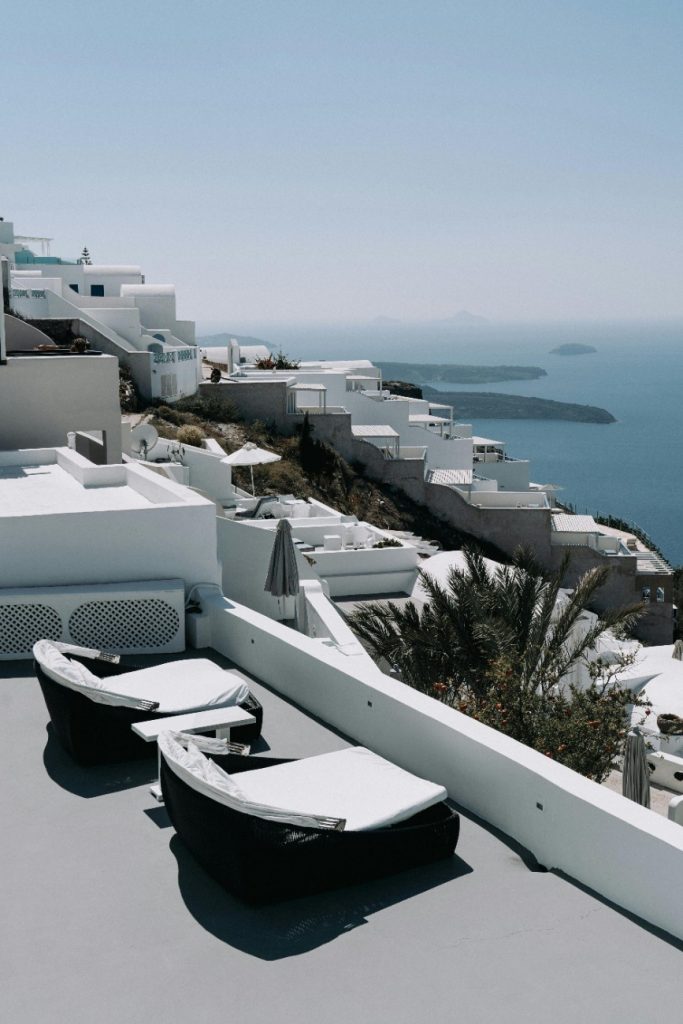
The luxury travel industry faces a peculiar problem. Its best customers have already experienced almost everything. They have stayed in overwater villas in the Maldives, chartered superyachts in the Mediterranean, flown privately across continents and dined at the world’s most celebrated restaurants. Conventional luxury no longer creates excitement because it has become familiar. This is why affluent travellers are increasingly difficult to surprise. The challenge today is not delivering luxury but delivering wonder. Modern travellers seek experiences that feel unique, personal and impossible to replicate. The destination matters, but the story matters more. The brands that succeed will be those capable of creating moments that remain memorable long after the holiday photographs have been forgotten.
The Shift Away From Obvious Luxury
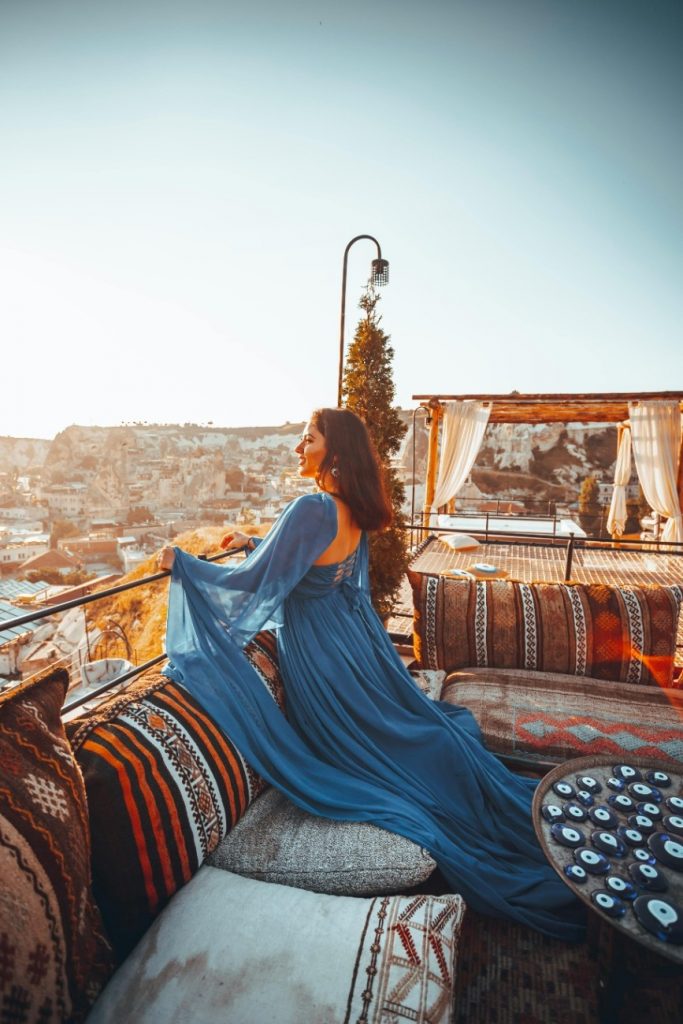
Perhaps the most intriguing change is the growing rejection of overt displays of wealth. Once upon a time, luxury depended on visibility. Logos were bigger, yachts were larger and hotel suites became increasingly extravagant. Today’s affluent traveller often prefers discretion over display. Quiet luxury has extended beyond fashion and into travel. Hidden retreats, invitation-only experiences and private residences have become more desirable than crowded luxury resorts filled with influencers documenting every moment. Wealth remains present, of course, but it has become considerably more subtle. Luxury is no longer about impressing strangers. It is about creating personal satisfaction without requiring external validation.
Also Read: Inside The New La Dolce Vita Orient Express: Rome To Istanbul Journey Redefines Luxury Rail Travel
Why Human Connection Matters More Than Ever
Despite living in the most connected period in human history, many travellers feel increasingly disconnected from genuine human interaction. Luxury hospitality is responding by creating experiences centred around authentic relationships and meaningful encounters. Whether it is sharing a meal with local families, meeting artisans preserving centuries-old traditions or engaging with conservationists protecting fragile ecosystems, travellers increasingly value people over possessions. The most memorable moments are often the least extravagant. Human connection creates emotional resonance, and emotional resonance creates lasting memories. For many affluent travellers, that has become far more valuable than another lavish suite or upgraded room category.
Privacy Has Become The New Ultimate Luxury
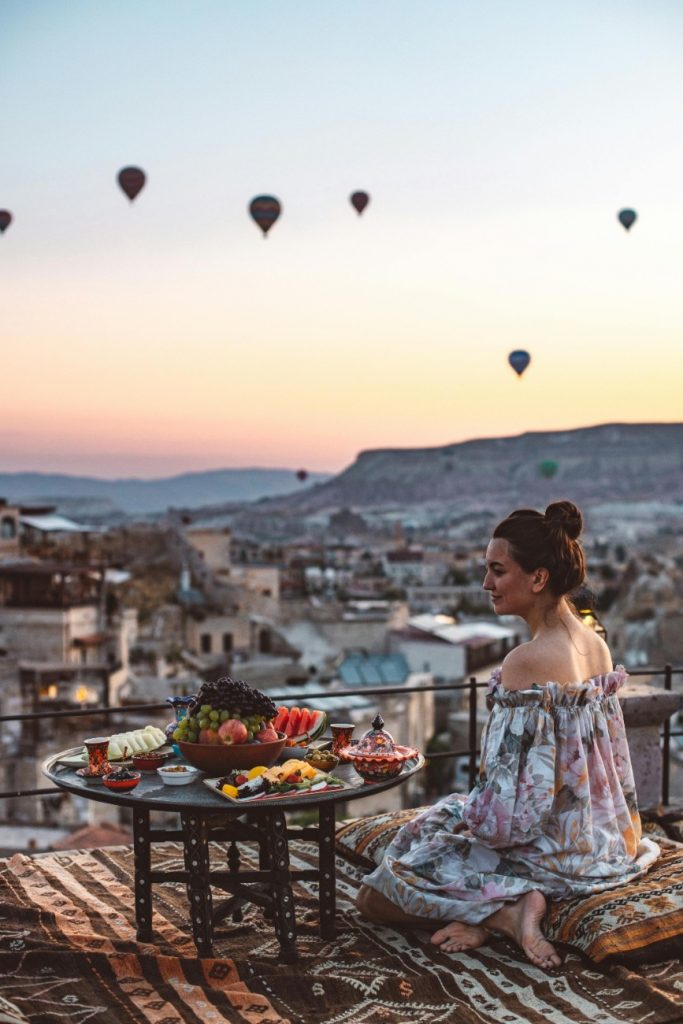
Nothing illustrates the evolution of luxury travel better than the growing demand for privacy. In a world where every movement can be photographed, shared, tagged and scrutinised, privacy has become extraordinarily valuable. The wealthy are increasingly seeking destinations that offer complete discretion. Private islands, exclusive-use villas, remote safari lodges and private aviation terminals are no longer merely symbols of status. They are sanctuaries from constant visibility. For many travellers, the ability to spend time without interruption, observation or expectation has become the ultimate indulgence. Ironically, in an era obsessed with being noticed, true luxury now lies in disappearing completely.
Also Read: Gurgaon’s Best Bars And Restaurants To Hide From The Heatwave
Wellness Is No Longer A Bonus
Luxury travellers once viewed wellness as an optional enhancement. Today it is an expectation. The modern affluent traveller wants more than relaxation. They want transformation. Sleep programmes, longevity treatments, personalised nutrition plans, mental wellbeing retreats and holistic health experiences have become central pillars of luxury travel. Guests increasingly expect holidays to improve their lives rather than simply distract them from daily routines. The objective is no longer excess. It is optimisation. Luxury hospitality is evolving from a provider of comfort into a facilitator of wellbeing, and travellers are embracing the shift enthusiastically.
Sustainability Is Becoming A Deciding Factor
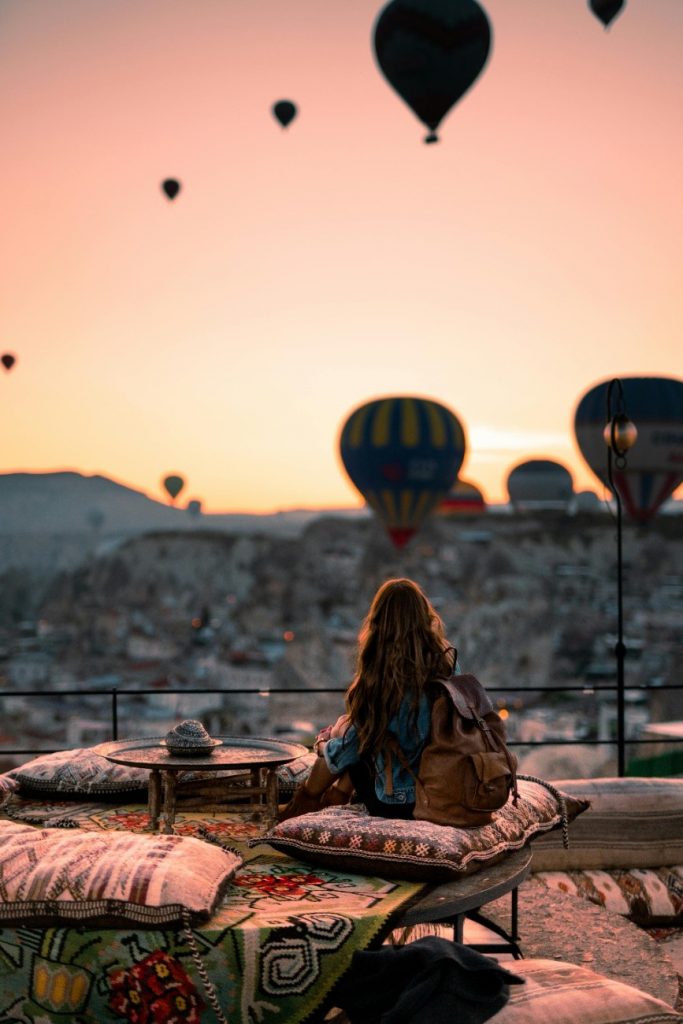
Environmental responsibility has moved from the margins of luxury travel to the very centre of decision-making. Affluent travellers increasingly want to understand the impact of their journeys. They care about local communities, sustainable sourcing and environmental stewardship. Empty sustainability claims are no longer enough. Travellers expect genuine commitments and measurable action. Luxury and responsibility are no longer viewed as opposing concepts. Instead, the most successful hospitality brands are demonstrating that exceptional experiences and environmental consciousness can coexist. For many travellers, sustainability has become an essential part of the luxury equation.
Experiences Have Overtaken Amenities
The hospitality industry has quietly undergone a fundamental transformation. Hotels no longer simply sell rooms. Airlines no longer merely sell seats. The true product today is experience. Whether it is a private wildlife encounter, an expedition into remote wilderness, a behind-the-scenes cultural immersion or an extraordinary culinary journey, travellers increasingly remember what they did rather than where they slept. Accommodation, transportation and service remain important, but they have become supporting characters. The experience itself has emerged as the star of the story, and luxury brands are investing heavily in creating moments that feel genuinely unforgettable.
The New Meaning Of Loyalty
Traditional loyalty programmes once relied on points, upgrades and exclusive privileges. While these still matter, they are no longer enough to secure long-term relationships with affluent travellers. Loyalty today is increasingly driven by alignment. Travellers gravitate towards brands that reflect their personal values, understand their aspirations and consistently deliver experiences that feel relevant to their lifestyles. Emotional connection has become more powerful than transactional rewards. The hospitality brands that thrive in the future will not necessarily be those with the largest loyalty programmes. They will be the ones that create the strongest sense of belonging.
The future of luxury travel will not be defined by larger suites, faster jets or grander resorts. It will be defined by understanding human psychology. As affluent travellers become more selective, more experienced and more value-driven, privacy, purpose, authenticity and emotional connection are emerging as the true currencies of luxury. In a world where everyone is trying desperately to be seen, the ultimate status symbol has become something altogether more elusive: the ability to disappear on your own terms.