What Happens When Indian Royalty Marries European Aristocracy
Kunwar Dhruv Raj Singh and Countess Marie von und zu Eltz's Austrian wedding blended Rajput customs with European aristocratic traditions in a celebration of modern royalty
The sound of the shehnai, the spectacle of baraatis and rituals passed down through generations are hallmarks of an Indian wedding. Earlier this month, those traditions travelled far beyond Rajasthan to the Austrian Alps, where they found company in cathedral bells, centuries-old European customs and a 500-year-old church in Bad Aussee.
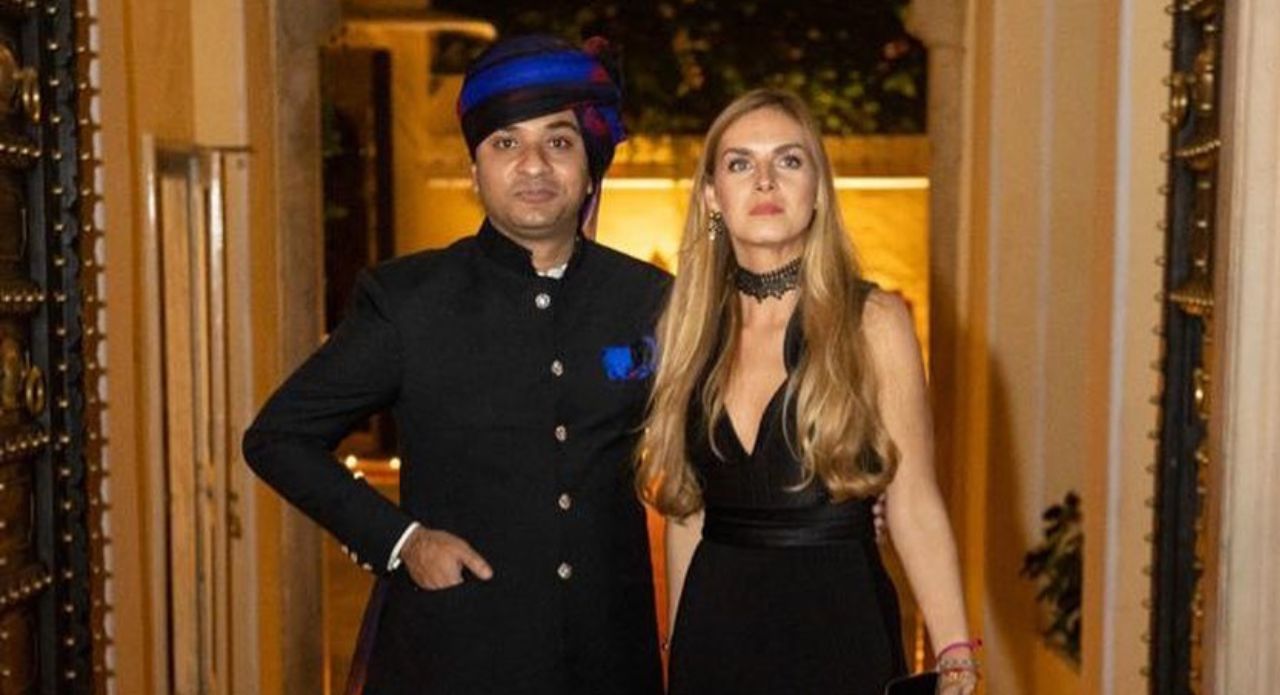
Kunwar Dhruv Raj Singh of Rajasthan’s erstwhile Doongri royal family and Countess Marie von und zu Eltz celebrated their marriage across multiple ceremonies, bringing together Indian royalty and European aristocracy in one of the year’s most memorable cross-cultural royal weddings. Their union intertwined Rajput customs, European aristocratic lineage and the legacy of the Vanderbilt family, offering a compelling portrait of what modern royalty looks like in 2026.
The Church of the Conversion of St. Paul in Bad Aussee, served as the setting for the culmination of the festivities. Nestled within Austria’s Salzkammergut region, its quiet stone walls stood in contrast to the colour and ceremony that had unfolded in the days prior. The couple first exchanged vows in a Hindu ceremony before completing a civil service and celebrating with a boat ride across Lake Altaussee.
Legacies Across Two Continents
Kunwar Dhruv Raj Singh belongs to an Indian maharaja family with longstanding ties to Rajasthan’s royal circles. Countess Marie Ghislaine von und zu Eltz genannt Faust von Stromberg traces her lineage to King Ludwig III of Bavaria and the Vanderbilt dynasty through her grandmother, Countess Ferdinandine. Their union brought together two family histories shaped by geography, language and custom, while placing Indian princely heritage in modern weddings firmly in the spotlight.
Also Read: The Wedding You’ll Remember With Your Nose: A Perfumer’s Diary | Exclusive
Fashion, too, became a reflection of the occasion. Marie wore a red saree during the Hindu ceremony, while Dhruv appeared in a white sherwani and red turban. The celebrations later transitioned to European aristocratic wedding traditions, complete with a cathedral-length veil, formal church attire and guests representing several European noble houses and Indian royal families.
Tradition Finds New Meaning
Royal weddings once marked political alliances and matters of state. Present-day celebrations carry a different significance. Heritage remains central but personal expression has found its place alongside protocol.
The marriage of Kunwar Dhruv Raj Singh and Countess Marie has emerged as a compelling example of what happens when Indian royalty marries European aristocracy. Images of the couple arriving in a Suzuki truck rather than a horse-drawn carriage quickly captured public imagination, lending the occasion an unexpected sense of warmth and relatability.
Luxury royal wedding inspiration often comes wrapped in grandeur. This celebration found its appeal elsewhere, in its ability to honour two distinct cultures without asking either to yield.