American vs European V8 Engines: Key Differences in Power, Sound & Performance
American and European V8 engines may share the same architecture, but their philosophies could not be more different; from raw displacement to razor-sharp engineering, this is a battle of muscle versus manners, noise versus nuance
There are two kinds of V8 engines in this world. One announces itself from three streets away, shakes your neighbour’s windows, and drinks fuel like it has just crossed the Sahara. The other arrives quietly, looking tailored, expensive, and faintly annoyed that you are asking about horsepower before discussing chassis balance. One is American. The other is European. Both have eight cylinders, both can make your spine tingle, but they go about it like two entirely different species of predator. One is a grizzly bear in cowboy boots. The other is a well-dressed assassin carrying an Italian briefcase.
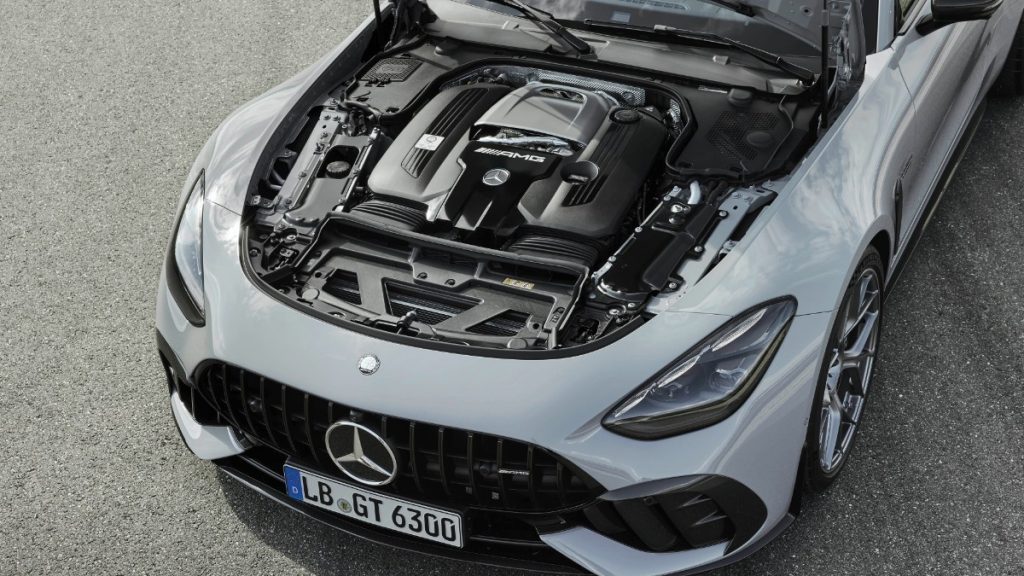
The American Way: Bigger, Louder, Wilder
American V8 engines were built on one simple principle: if some power is good, more power is better. This is the land of big displacement, naturally aspirated thunder, and torque figures so large they look like accounting errors. Think of machines like the Ford Mustang Shelby GT500 or the Chevrolet Corvette Z06, where the engine is not just a component, it is the main event.
Traditionally, American V8s rely on pushrod architecture. It is old-school, compact, and brutally effective. Instead of complicated overhead camshafts, the design keeps things simpler, which often means lower manufacturing costs and excellent low-end torque. The result is instant shove. Press the throttle, and the car lunges forward like it has taken personal offence. It is less about delicate engineering and more about controlled violence.
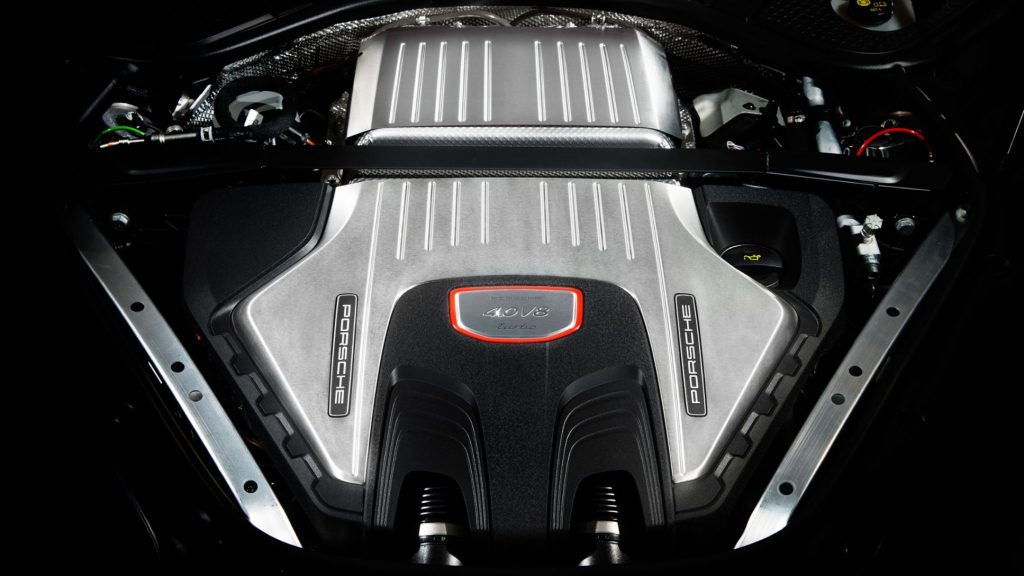
The European Approach: Precision With a Passport
European V8s, meanwhile, approach performance like a Swiss banker ordering lunch. They are refined, highly engineered, and usually obsessed with balance. Brands like Mercedes-AMG, Ferrari, and BMW M build V8s that often feature dual overhead camshafts, sophisticated turbocharging, advanced valve timing, and a tendency to rev harder than your accountant would advise.
Take the Mercedes-AMG GT or the Ferrari Roma. These engines are not just about brute force; they are about delivering power with surgical precision. They want corner exits, balance, throttle modulation, and the sort of performance that makes race engineers smile politely. They are less “drag strip hero” and more ‘autobahn philosopher.
Also Read: BMW M Lineup Guide 2026: M Sport vs M Performance vs M Cars
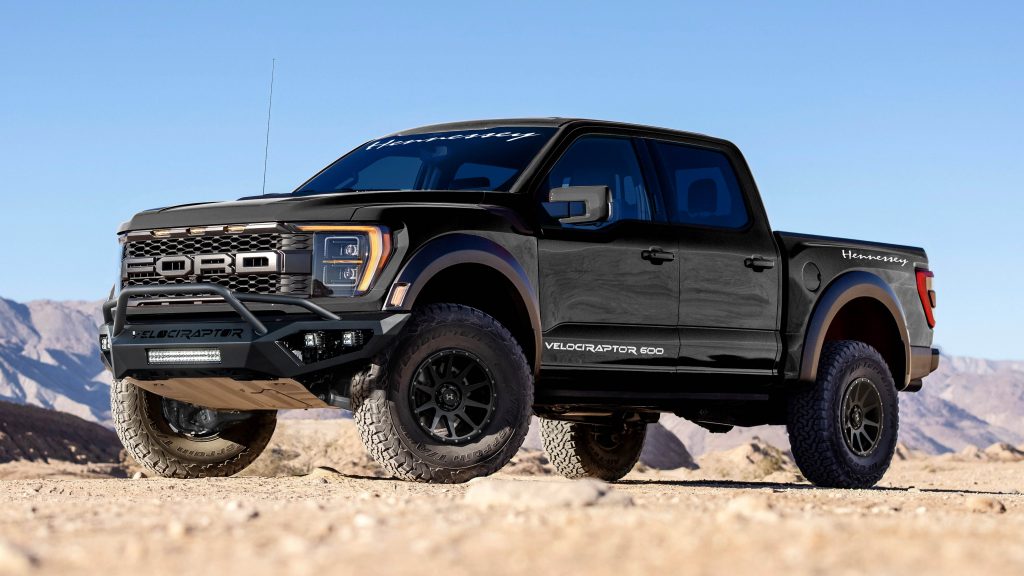
Thunder vs Symphony
This is where things get emotional. American V8s sound like freedom, fireworks, and poor financial decisions. The exhaust note is deep, bass-heavy, and unapologetically loud. It does not sing. It bellows. A Dodge Challenger SRT Hellcat idling outside feels like the mechanical equivalent of a biker gang arriving for brunch.
European V8s, on the other hand, tend to be sharper and more layered. There is still aggression, but it is often accompanied by higher-pitched precision, crackles on overrun, and a sense that someone in Italy spent six months tuning the exhaust note like an opera conductor. An Aston Martin Vantage sounds less like a fistfight and more like a beautifully planned ambush.
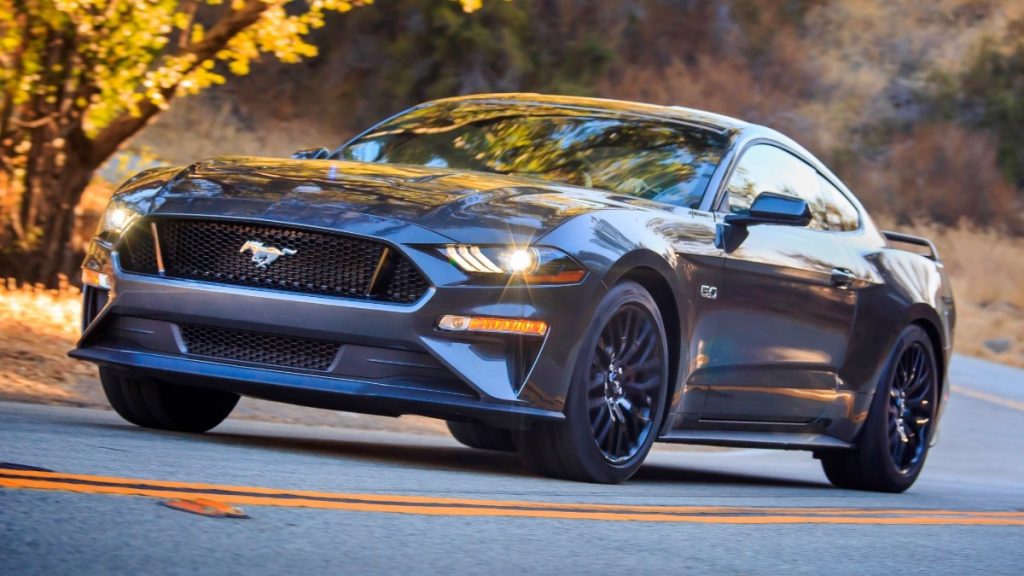
Torque vs Technique
American V8s dominate in straight-line performance. Massive displacement means huge torque arrives early, making acceleration feel effortless and immediate. They are devastatingly good at launches, burnouts, and terrifying passengers.
European V8s often chase efficiency alongside performance. Turbocharging allows smaller displacement with serious power output, while advanced electronics ensure that power arrives with precision. This means better balance on track, sharper response in corners, and often stronger top-end performance. If the American V8 wants to win the quarter mile, the European V8 wants to win the Nürburgring and still valet neatly outside dinner.