Behind the Brands: The Parent Company Powering Automobile Giants
Behind some of the most glamorous names in motoring sit enormous corporate empires, quietly sharing platforms, technology, factories and, occasionally, an accountant
The James Bond quest goes on. Not for the next villain, a new Aston Martin or even another implausibly complicated gadget, but for something rather more revealing: who actually owns the brands behind the cars we spend our time dreaming about? Because while 007 may make it look as though every great car marque operates from a secret underground lair with unlimited money and an engineer called Q, the modern automotive world is considerably less romantic. Ferrari does Ferrari things, Lamborghini does Lamborghini things and Porsche builds Porsches, but behind many of these glamorous badges sit enormous corporate empires quietly sharing platforms, technology, factories, software and, occasionally, an accountant. The result is an automotive landscape where a company can be responsible for everything from a sensible family hatchback to a six figure supercar. It is a little like discovering that the chef behind your favourite Michelin starred restaurant also runs the motorway service station down the road. The food may look completely different, but somewhere behind the kitchen door, someone is using the same recipe book.
Volkswagen Group Has A Garage Bigger Than Most Countries
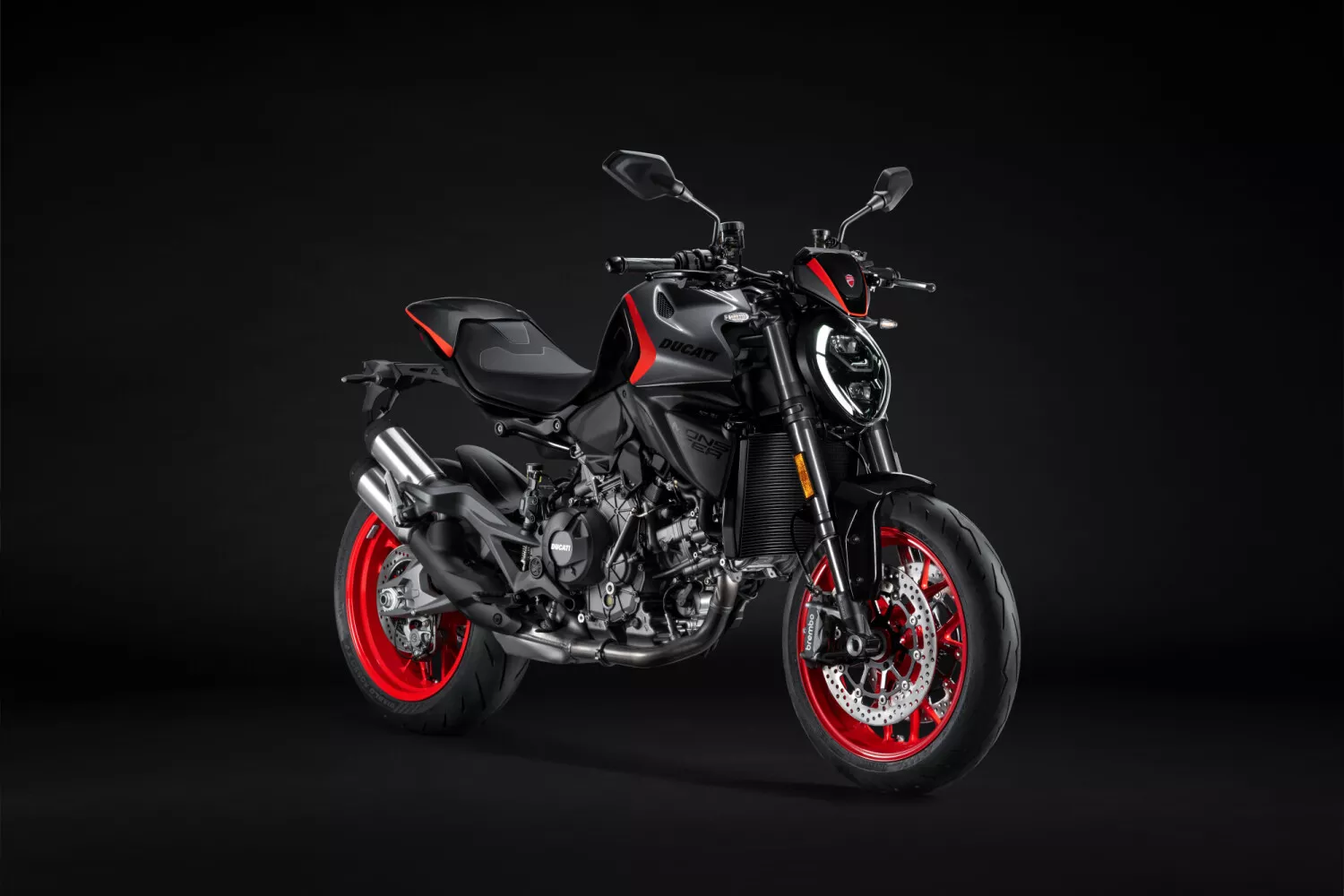
Few automotive empires demonstrate this better than Volkswagen Group. Under its enormous umbrella sit Volkswagen, Audi, Porsche, Škoda, SEAT and CUPRA, along with luxury and performance names including Bentley and Lamborghini, while Ducati brings motorcycles into the family. It is one of the industry’s great exercises in corporate scale. The clever part is that these brands are allowed to retain their own personalities while benefiting from the enormous engineering resources sitting behind them. Porsche can build a 911 that feels unmistakably like a 911, while another part of the same corporate machine is developing platforms, electric technology and software that can eventually find their way across the wider portfolio. It is corporate sharing without necessarily making everything feel like it came from the same photocopier. And considering the number of brands involved, that is quite an achievement.
Stellantis Is Basically A Very Large Automotive Family Reunion
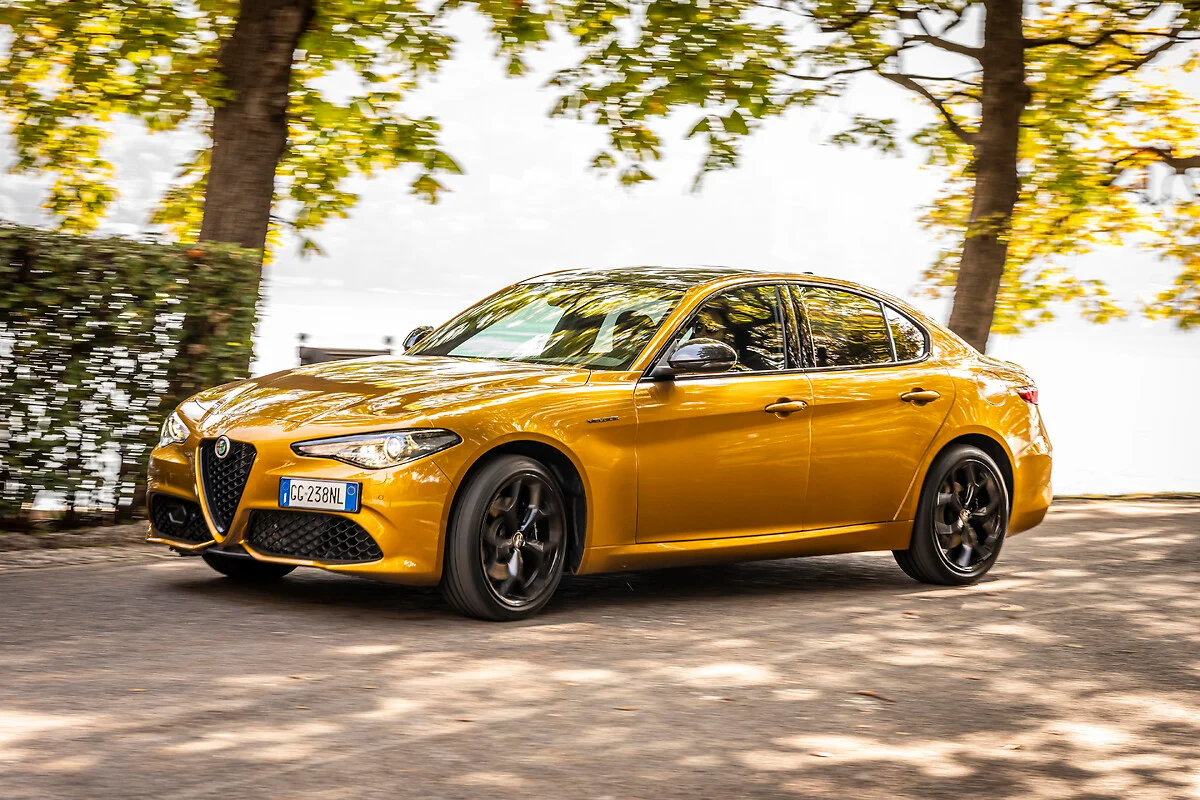
Then there is Stellantis, the result of the merger between Fiat Chrysler Automobiles and Groupe PSA. Its portfolio reads less like a company brochure and more like someone has emptied an entire car industry’s filing cabinet onto the floor. Jeep, Ram, Dodge, Chrysler, Fiat, Alfa Romeo, Maserati, Peugeot, Citroën, DS Automobiles, Opel, Vauxhall, Abarth and Lancia all sit within the wider group. The fascinating part is how differently these brands are positioned despite sharing corporate resources. Jeep can concentrate on off road adventure, Alfa Romeo on Italian performance, Maserati on luxury and Peugeot on mainstream European motoring, while the parent company worries about the rather less glamorous business of platforms, manufacturing efficiency, electrification and global strategy. In other words, the people making the decisions have to keep a very large family happy at Christmas.
Toyota Built An Empire Without Making A Great Deal Of Noise About It
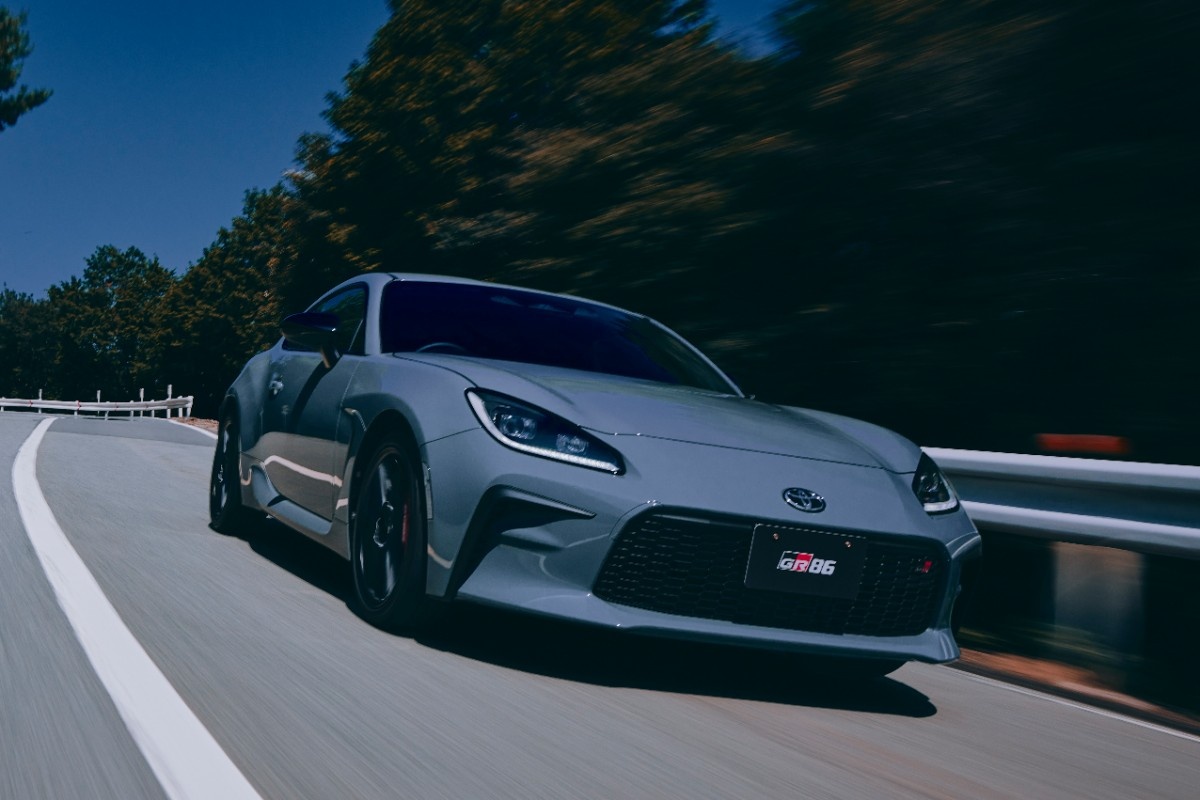
Toyota’s corporate empire is slightly more understated, which is appropriate for a company that has built its reputation around being extremely sensible while occasionally producing something completely bonkers. Toyota Motor Corporation’s portfolio includes Toyota, Lexus and Daihatsu, while its wider automotive interests and partnerships extend considerably further. Lexus provides the luxury arm, Toyota handles the enormous mainstream market and Daihatsu specialises in compact vehicles, particularly for Asian markets. Then there is Toyota’s long standing relationship with Subaru, which has produced enthusiast favourites such as the Toyota GR86 and Subaru BRZ, as well as its partnership with Mazda and other industry collaborations. Toyota’s strength is not simply the number of vehicles it sells, but the enormous engineering and manufacturing ecosystem behind them. It has spent decades refining production, hybrid technology and global distribution while maintaining the curious ability to sell both sensible family cars and machines that make petrolheads grin uncontrollably.
Hyundai Motor Group Has Become A Serious Luxury Player
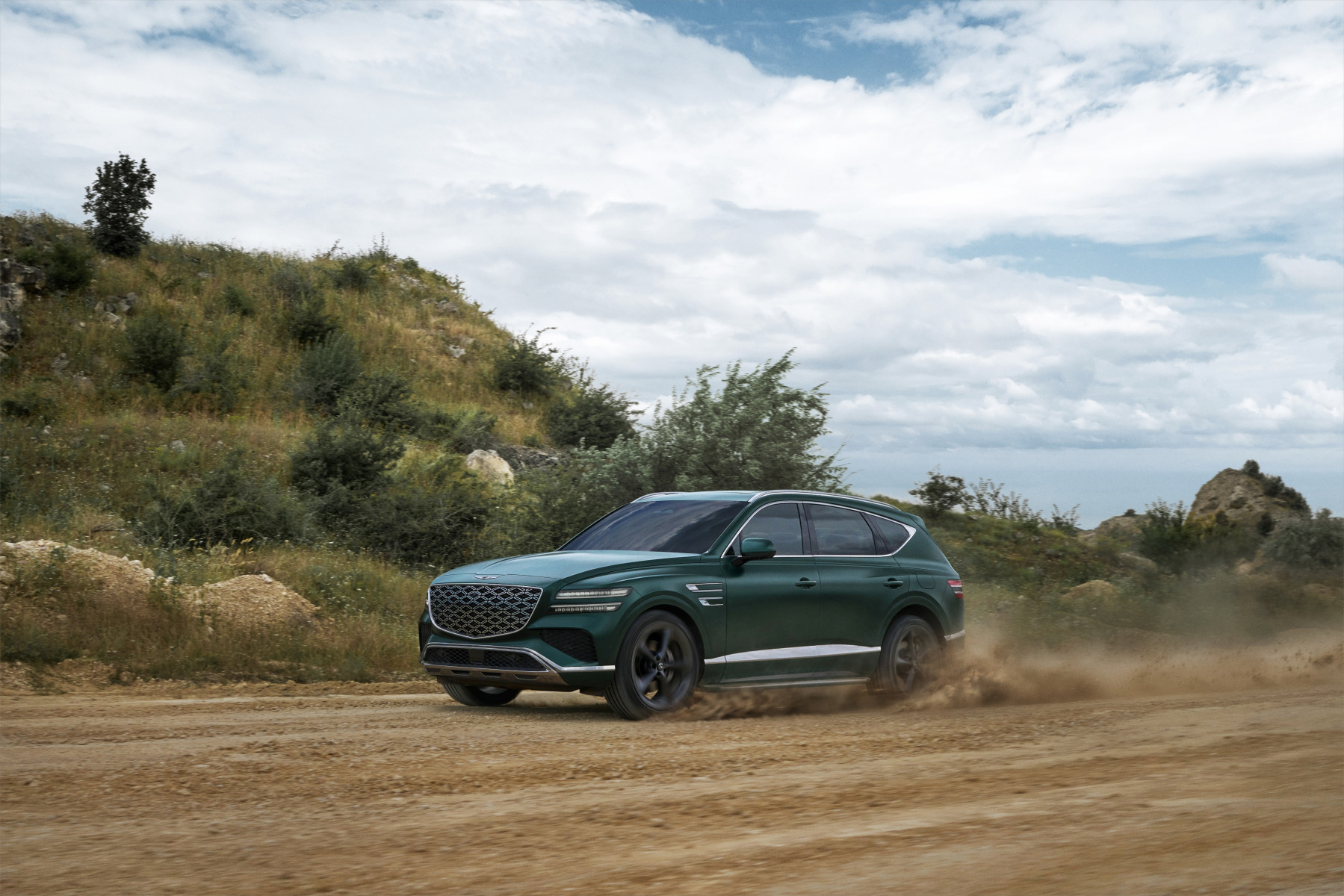
Hyundai Motor Group is another example of an automotive conglomerate that has transformed itself almost beyond recognition. Hyundai and Kia form the mainstream foundation, while Genesis operates as the group’s luxury marque. Once upon a time, the idea of Hyundai competing with Germany’s luxury manufacturers would have sounded rather ambitious. Today, Genesis has established itself as a serious player in premium design and technology. Kia, meanwhile, has developed its own distinctive design language and increasingly sophisticated electric vehicle range. The parent company has therefore managed to create three distinctly different identities from the same broad industrial family, which is rather more impressive than simply putting a different badge on the same car.
Tata Motors Quietly Owns Some Very Loud Names
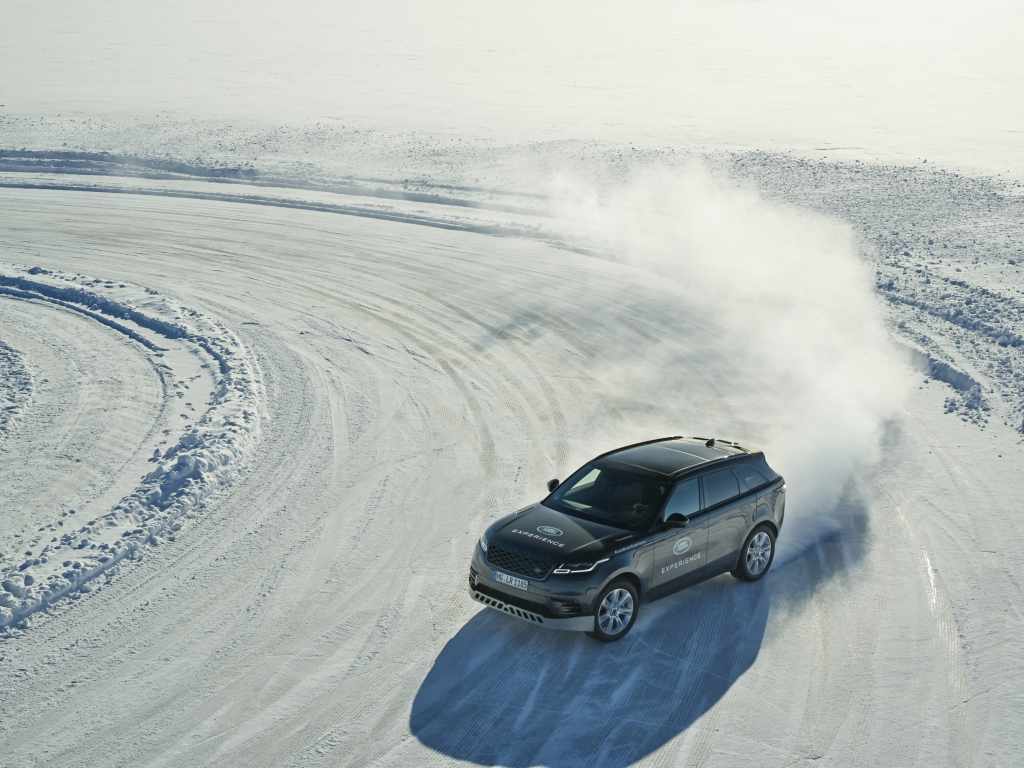
Then there is India’s Tata Motors, which has built an extraordinarily interesting luxury automotive portfolio. Through Jaguar Land Rover, Tata owns Jaguar and Land Rover, giving the Indian automotive giant control over two of Britain’s most recognisable automotive names. Land Rover has become synonymous with luxury SUVs and off road capability, while Jaguar continues to occupy the more performance and design focused end of the spectrum. It is a fascinating reversal of the old automotive hierarchy. An Indian industrial group now sits behind two marques with deep British histories, demonstrating just how dramatically the global car industry has changed. The modern automotive map is no longer neatly divided by nationality. A car may be designed in Britain, engineered with technology developed across several countries, assembled somewhere else and ultimately belong to a company headquartered on another continent.
Also Read: Roman Abramovich’s Car Collection: From Luxury Cars To Rare Rides
BMW Keeps Its Empire Rather More Compact
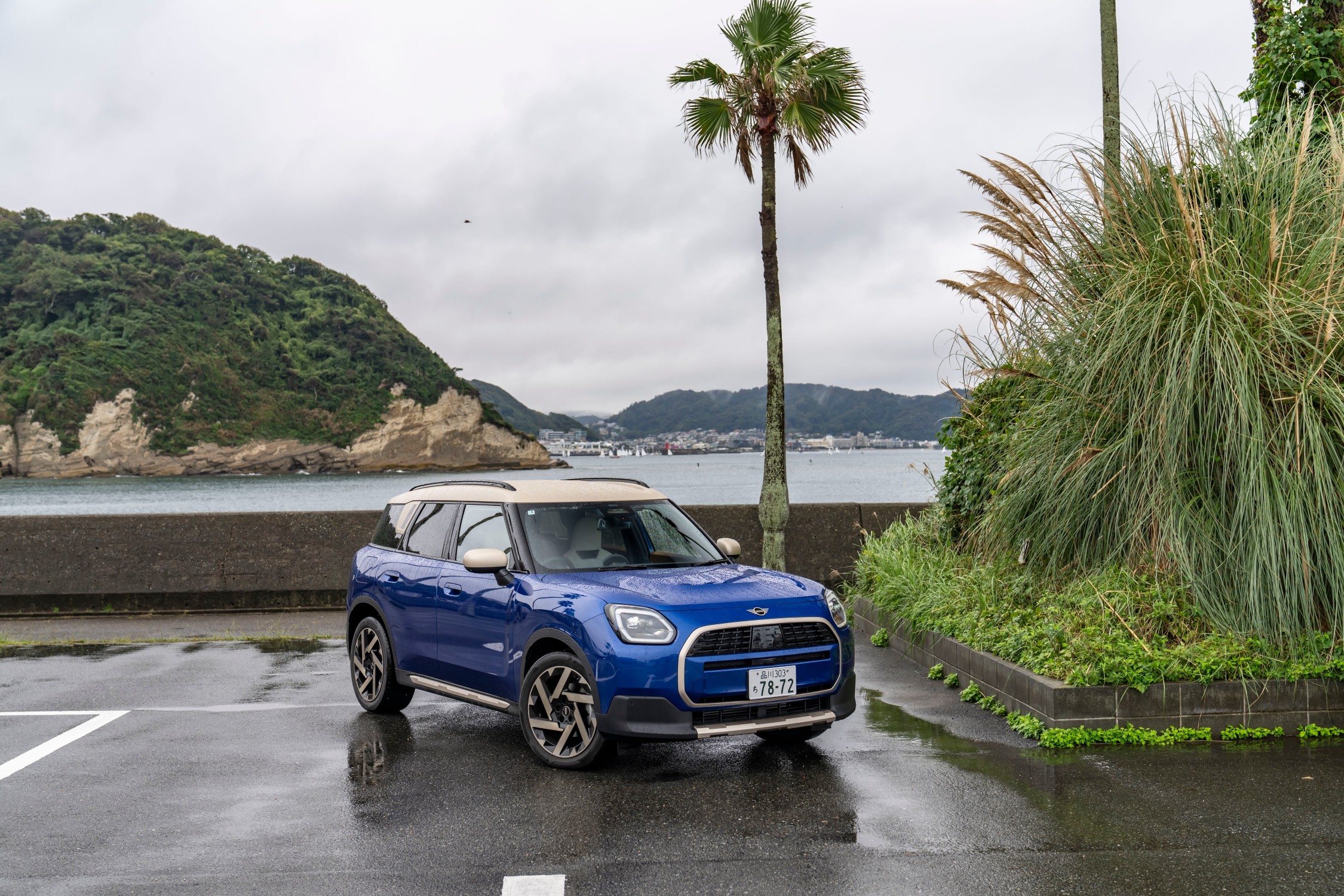
BMW Group is comparatively disciplined in its collection of brands. BMW, MINI and Rolls-Royce form the core automotive portfolio, with BMW Motorrad handling motorcycles. Yet the differences between the brands are enormous. BMW occupies the premium performance space, MINI turns compact motoring into a lifestyle product and Rolls Royce operates at a level where the phrase “optional extra” can become genuinely frightening. What makes the group interesting is how it manages to maintain those distinctions while sharing engineering knowledge and technology. A Rolls Royce cannot possibly feel like a BMW with a larger grille, and fortunately it does not. The engineering may come from the same corporate family, but the experience has to be entirely different.
The Real Luxury Is The Technology Behind The Badge
The lesson from all of this is rather simple. The badge on the bonnet tells you what a car is supposed to feel like. The company behind that badge determines much of what makes it possible. Shared platforms, electric powertrains, software, batteries, manufacturing facilities, safety systems and research programmes have become too expensive for most manufacturers to develop entirely on their own. So the modern automotive industry has become a giant exercise in sharing without looking as though anyone is sharing.