Porsche Mission S Unveiled: A New Mid-Engine Supercar Above the 911
Porsche unveils the Mission S, a mid-engined vision model born on the very New York pier where the 550 Spyder first made headlines in 1953
Here’s a fun bit of trivia for you: back in 1953, a photographer stood on a quiet, unremarkable pier in Queens and took a few pictures of a strange little mid-engined car called the 550 Spyder. Those photos ended up circling the globe, appearing in magazines and showrooms everywhere, and in a very real sense, they’re the reason Porsche became Porsche in America, the moment the brand stopped being a curious European oddity and started being taken seriously as a genuine sports car maker. Seven decades on, the company has gone back to that exact same spot on that exact same pier to unveil something it’s calling the Mission S, and no, this is not some random coincidence dreamt up by a marketing intern with a good memory for trivia. It’s Porsche telling you, quite deliberately and rather confidently, that this car matters in the same way that one did all those years ago. Now, the Mission S won’t roll off a production line looking exactly as it does here, concept cars rarely do, but it’s not merely a design exercise either. It’s a genuine, fairly serious preview of a new mid-engined super sports car platform that will eventually sit above the 911 in Porsche’s lineup. So consider this your first proper look at what’s actually coming next.
A New Platform, Not a One-Off Toy
Let us deal with the substance first, because buried beneath all the design poetry is a genuinely significant announcement: Porsche is developing an entirely new mid-engined super sports car platform, positioned above the 911 in the hierarchy. Dr Michael Leiters, Chairman of the Executive Board, has been careful to stress that this is not a one-off hypercar built to be driven twice and then parked reverently in a glass box. It is intended as a permanent, versatile addition to the customer line-up, which, translated from corporate speak, means Porsche genuinely plans to build something like this and sell it to people. Given the firm’s historical tendency to actually follow through on its concept-car promises, that is worth taking seriously.
Also Read: HOF Capital Consortium Joins Bugatti Rimac As Porsche Sells Stake
Design Language, Translated Rather Than Copied
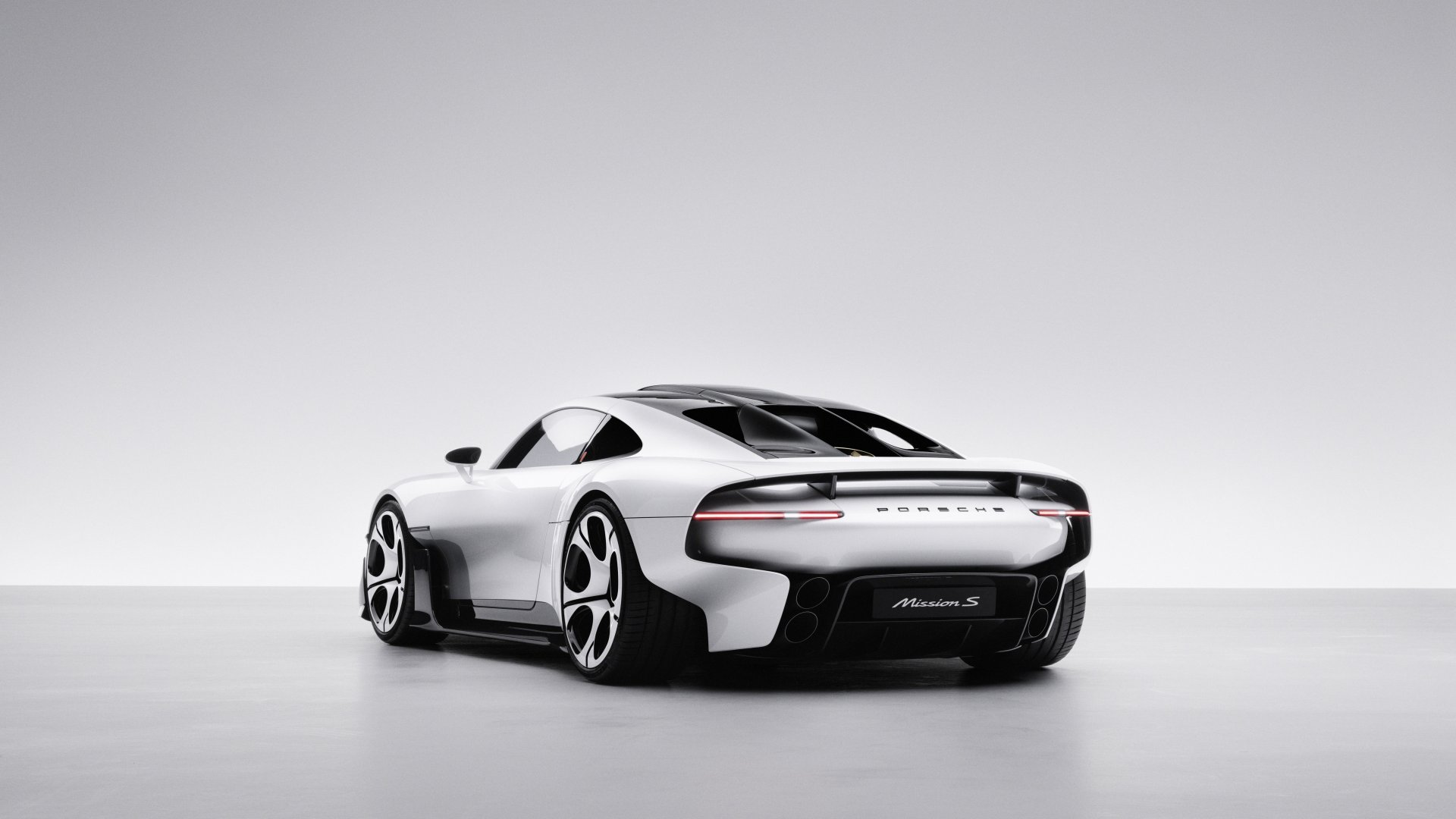
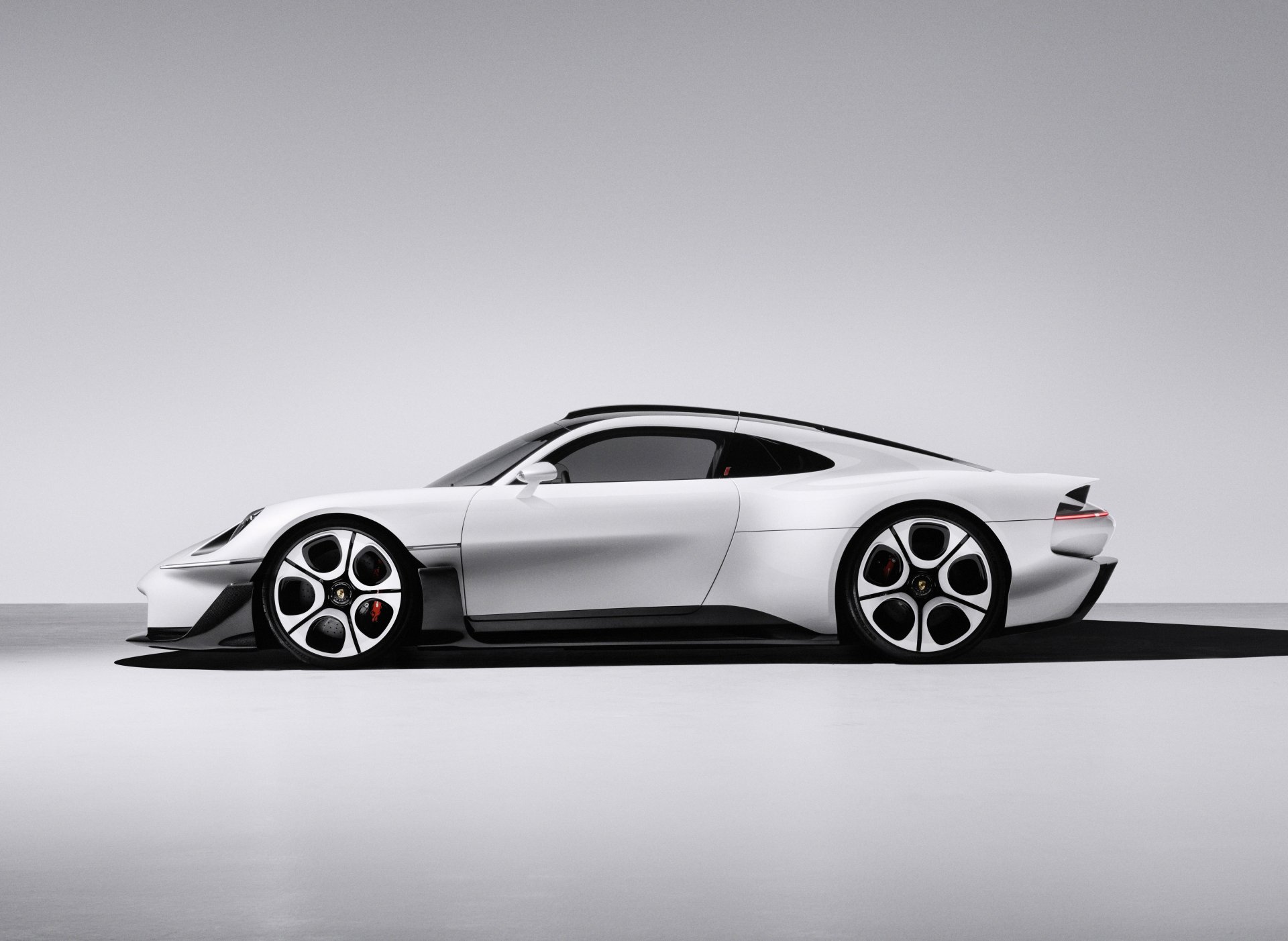
The exterior is where the Mission S does its most interesting work, because rather than simply borrowing styling cues from old Porsches in the lazy manner of a tribute act, it translates them. The torpedo fenders, the dramatic width-to-height ratio and what Porsche rather grandly calls “floating volumes,” flowing surfaces that appear to hover rather than simply sit, all combine to give the car a technical, sculptural presence. A wraparound main line ties the front and rear light signatures together into one continuous visual statement, with everything above that line emphasising muscularity and everything below it revealing the lightweight engineering underneath.
Then come the historical references, and there are a lot of them. The round headlights and prominent fenders nod to the 911. The shut lines flowing into the light graphics pay tribute to the G model. The flat front borrows from the GT1, while the roofline beneath the rear wing channels the 959, except here it runs distinctively all the way through to the back of the car. There is even a car-in-car effect at the rear, again lifted from the GT1 playbook. It is, in short, a greatest-hits album, except cleverly rearranged so it doesn’t feel like one.
Being properly mid-engined, the Mission S achieves Porsche’s famous “flyline” silhouette, aided by a cooling solution that echoes the old 917’s radiator fan and a fully integrated active rear wing. The wheels, based on the 928’s dial design but reworked for lightness, are genuinely one of the best bits, proving that even a wheel can carry decades of brand history if you let it.
An Interior Built Around the Driver, Not the Screen
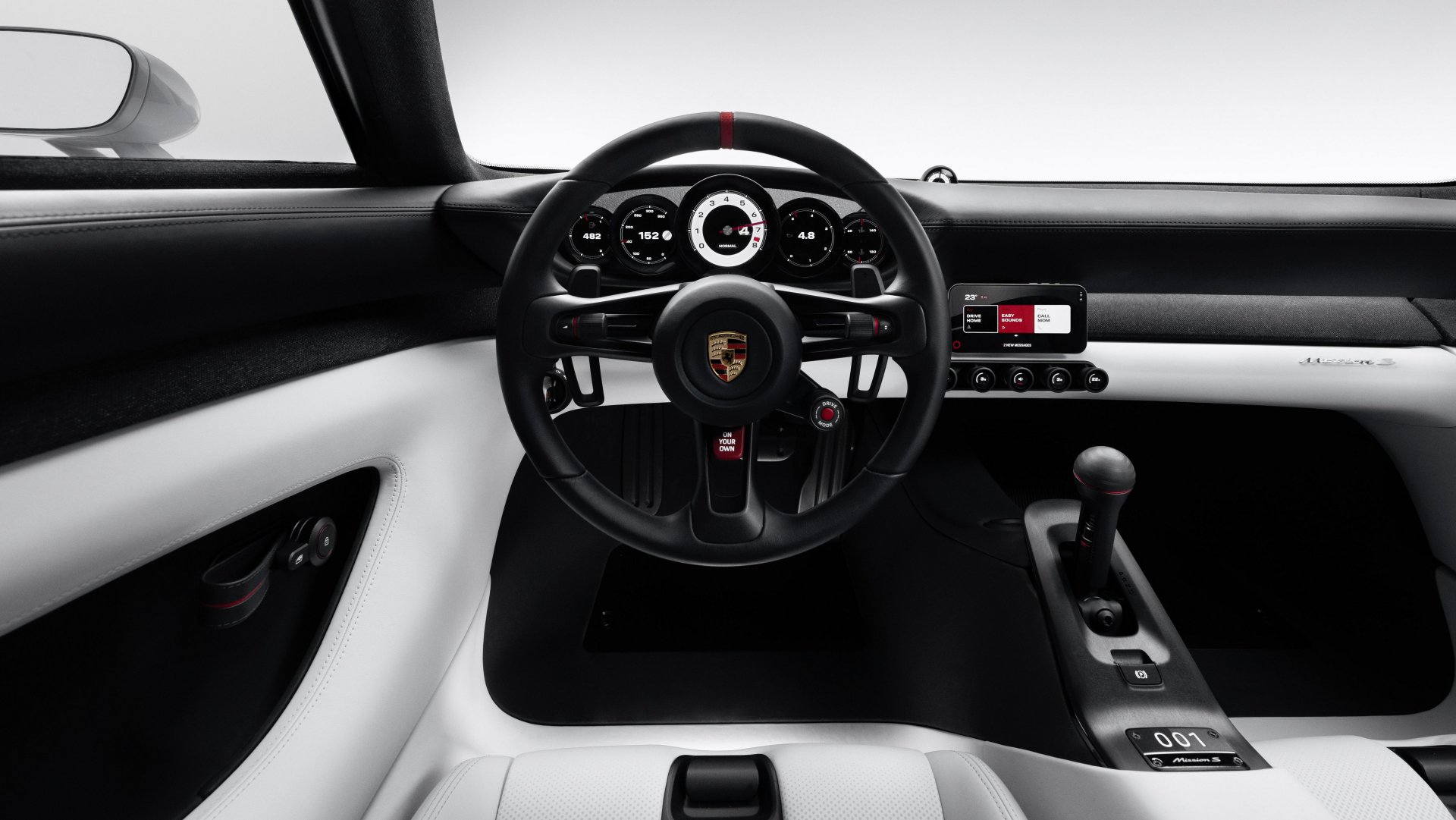
Climb inside, metaphorically at least, and the Mission S makes a rather pointed statement about where Porsche thinks cabin design has gone wrong recently. Rather than drowning the driver in screens, the cabin draws its architecture from the 550 Spyder and the 356, with two defining lines running through dashboard and doors to recreate that low, cocooned, “sitting deep within the car” feeling. Analogue and digital controls blend rather than compete, with classic switches sitting alongside modern displays.
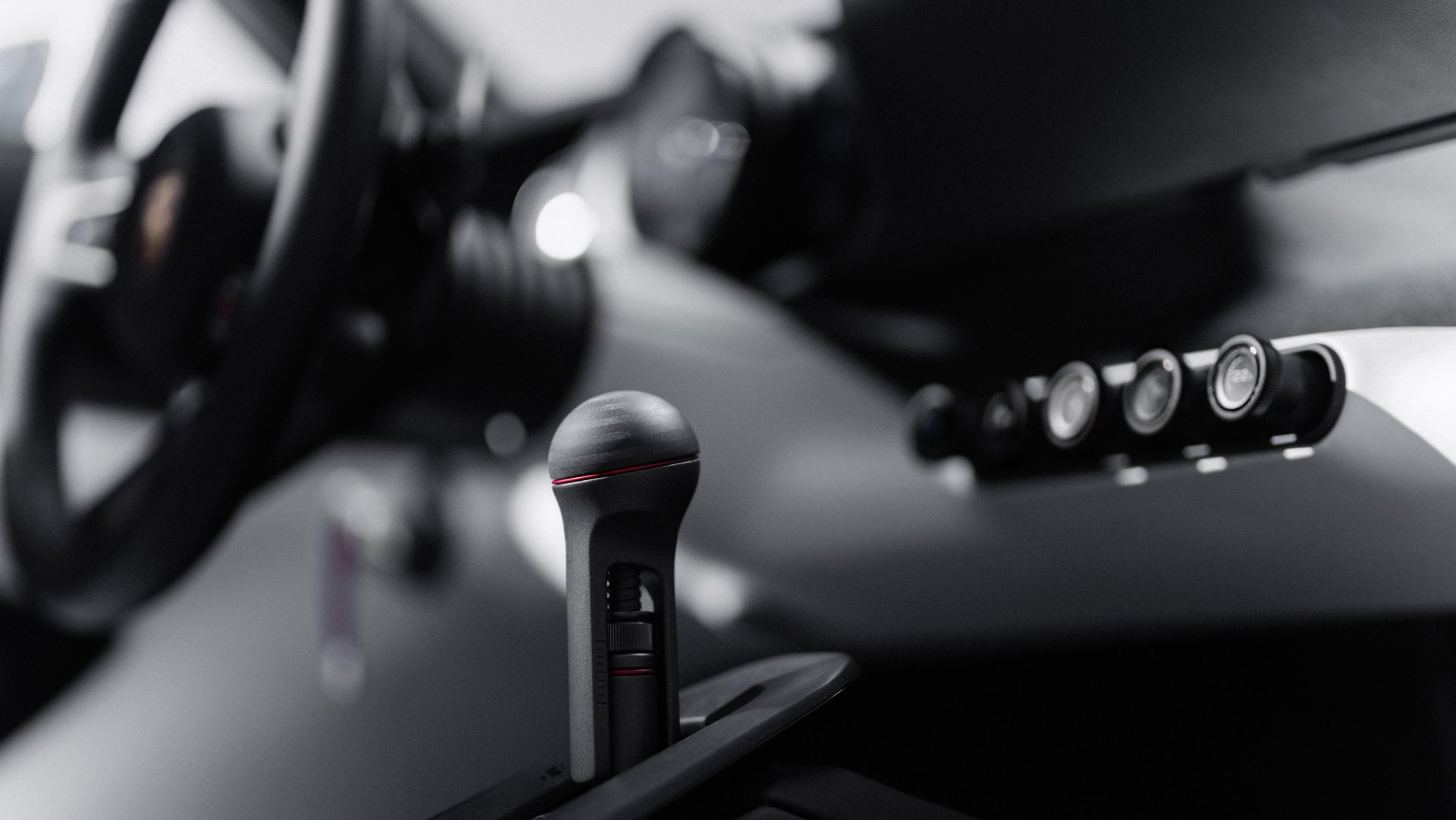
Five round instruments sit behind the wheel, centred on an analogue rev counter with a digital display tucked behind the needle, and the whole cluster physically repositions itself depending on which driving mode you’ve selected. There’s a dedicated key holder to the left of the wheel, push-pull controls on the dashboard, and, most tellingly, no permanent central or passenger display at all. Instead, a retractable MagSafe-compatible smartphone holder lets your own phone do the navigation duties when needed, with the My Porsche app handling everything else, including letting you choose digitally rendered, historically inspired instrument designs. It’s a genuinely confident decision in an era when every manufacturer seems to be competing over who can fit the largest iPad to their dashboard.
Finished in specially developed Firn White Metallic, Light Red Metallic and Black Chrome, with Special Black inside, the whole thing deliberately channels Porsche’s old motorsport livery rather than anything flashier. Which, in the end, is rather the point of the Mission S entirely: it isn’t trying to reinvent what a Porsche sports car is. It’s reminding everyone, rather persuasively, what one was always supposed to feel like.