Tesla Roadster: The ‘Flying Car’ That Blurs the Line Between Cars And Rockets
Active aerodynamics, a multi mode suction system and cold gas thrusters give Tesla’s radical Roadster concept the ambition of a supercar and the imagination of an aerospace experiment
There are sports cars that want to go faster than everything else on the motorway, and then there is the Tesla Roadster, which appears to have looked at the road, decided it was rather limiting and started investigating the possibility of doing something about it. With active aerodynamics, a multi mode suction system and cold gas thrusters, this extraordinary vision of an electric performance car sounds less like something you would park outside a country house and more like a machine that has escaped from a particularly ambitious aerospace laboratory. And that, naturally, is what makes it fascinating. The idea of a car that can generate enormous downforce without relying on speed, cling to a surface through suction and use rocket inspired technology to stabilise itself in flight is wonderfully bonkers. But beneath the spectacle lies a serious engineering question: how far can automotive technology go when designers stop treating the conventional sports car as the final word? The proposed Roadster aims to answer that question with lightweight materials, a deliberately minimalist cockpit and a collection of systems that could redefine how performance is generated and controlled. Of course, there is a difference between an extraordinary engineering vision and a production car ready for your driveway. For now, the Roadster’s most ambitious features should be understood as proposed capabilities, not independently established everyday driving functions. Even so, the idea of a car that seems to have one eye on the road and the other on the sky is rather difficult to ignore.
An Exterior That Looks Engineered In A Wind Tunnel
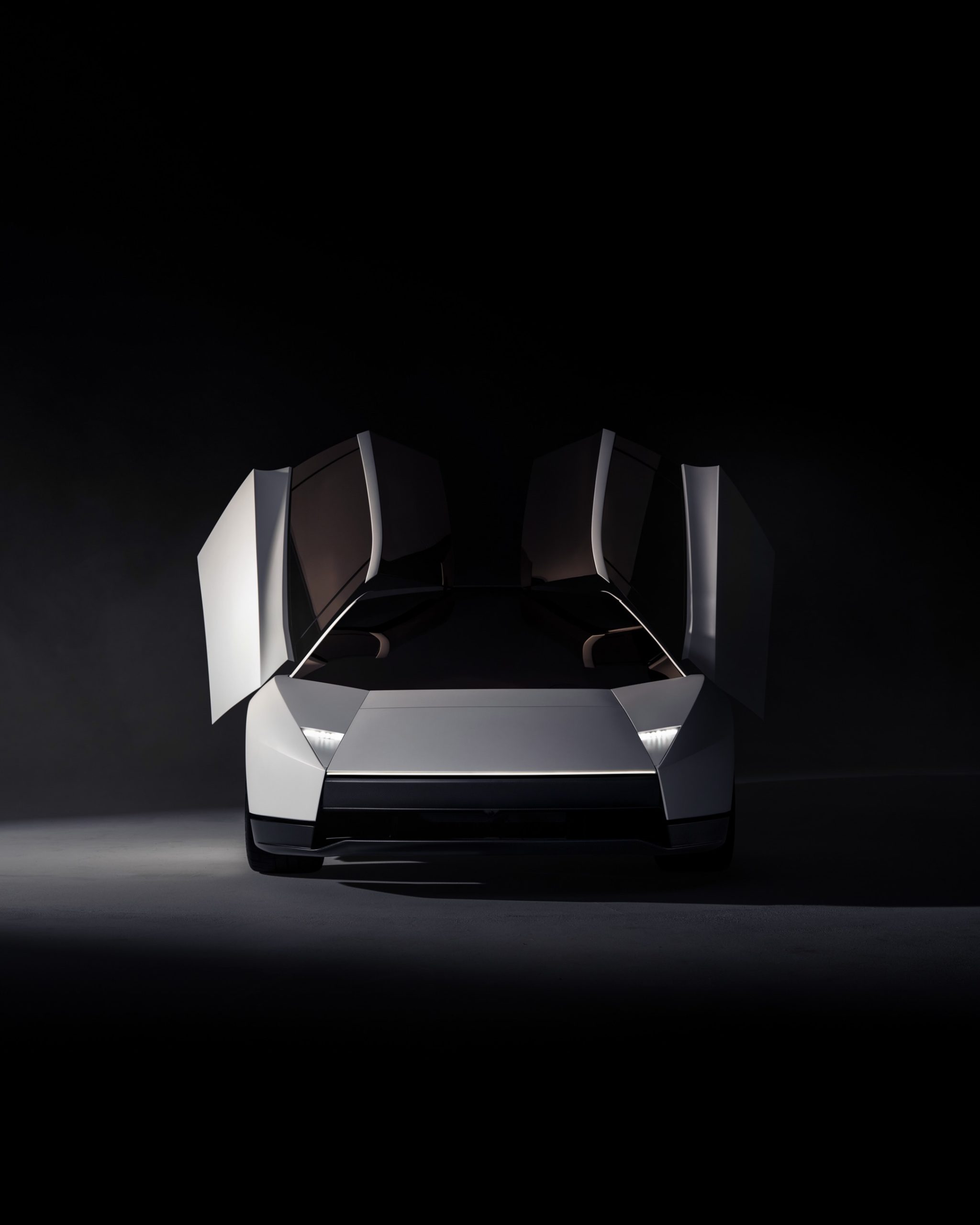
The Roadster’s exterior follows a philosophy that appears to favour function over decorative nonsense. Concealed headlights, a full length taillight and flush mounted surfaces give it a clean, technical appearance. There is little visual clutter, just a tightly controlled design that suggests every surface has been considered in the pursuit of aerodynamic efficiency.
The wheels are equally purposeful, with exceptionally thin spokes intended to combine structural strength with low weight. This matters because unsprung mass, including the weight of the wheels, can influence how quickly a car responds to bumps and changes in direction. In a vehicle chasing extreme performance, even seemingly minor details can have consequences.
Then there is the finish.
Ano White is described as an aerospace derived coating offering resistance to ultraviolet exposure, extreme cold, electrostatic effects and corrosion. Gold Glazed tinted glass takes inspiration from the copper coloured visors of spacesuits, while titanium accents provide a subtle metallic contrast. It is an unusual combination, but then nobody buys a machine like this because they want it to resemble a sensible family saloon.
Also Read: Jaguar Type 01: Britain’s Most Powerful, Most Patented GT Just Went Fully Electric
Inside The Ultrawhite Cockpit
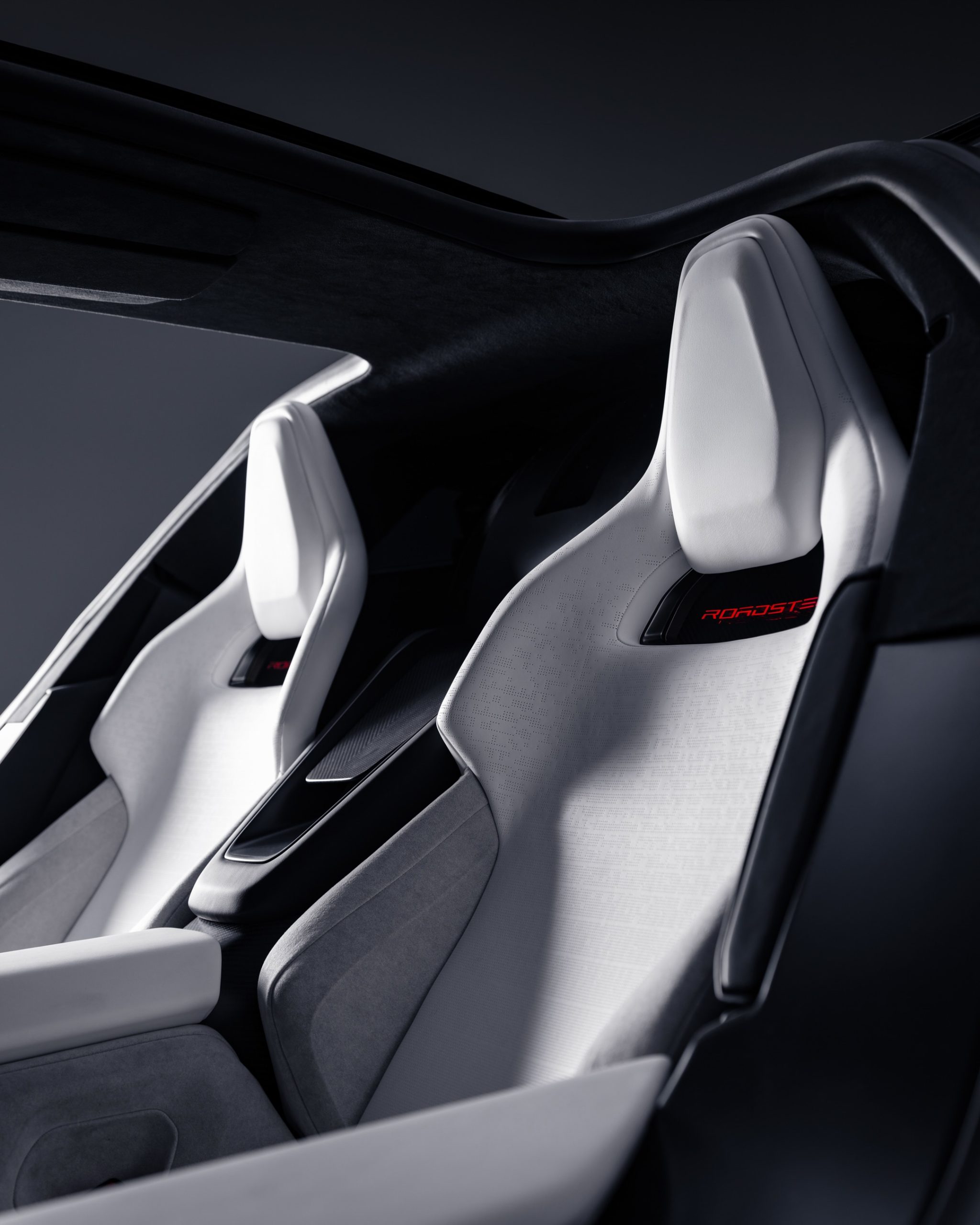
The cabin continues the minimalist theme with an Ultrawhite interior, grey microsuede detailing and supportive seat bolsters designed to help occupants remain securely positioned. The aesthetic is clean and contemporary, with the emphasis placed on the driving environment rather than an overwhelming collection of decorative features.
The more intriguing decisions concern weight. Manual controls and a fixed seat position are intended to reduce the mass associated with additional adjustment mechanisms. Magnesium, titanium and carbon fibre are also part of the proposed lightweight material strategy.
Reducing mass can improve a car’s acceleration, braking and handling, although the benefits depend on the overall engineering package. Every kilogram saved is potentially useful when the objective is to make a vehicle respond quickly to driver inputs. The challenge is ensuring that weight reduction does not compromise safety, structural integrity or comfort.
In other words, this is not simply a case of replacing a few leather panels with carbon fibre and declaring victory. Creating a genuinely lightweight performance car requires thousands of decisions to work together, rather like an orchestra in which every musician has been instructed to play at an unreasonable volume.
The Suction System That Wants To Defy Gravity
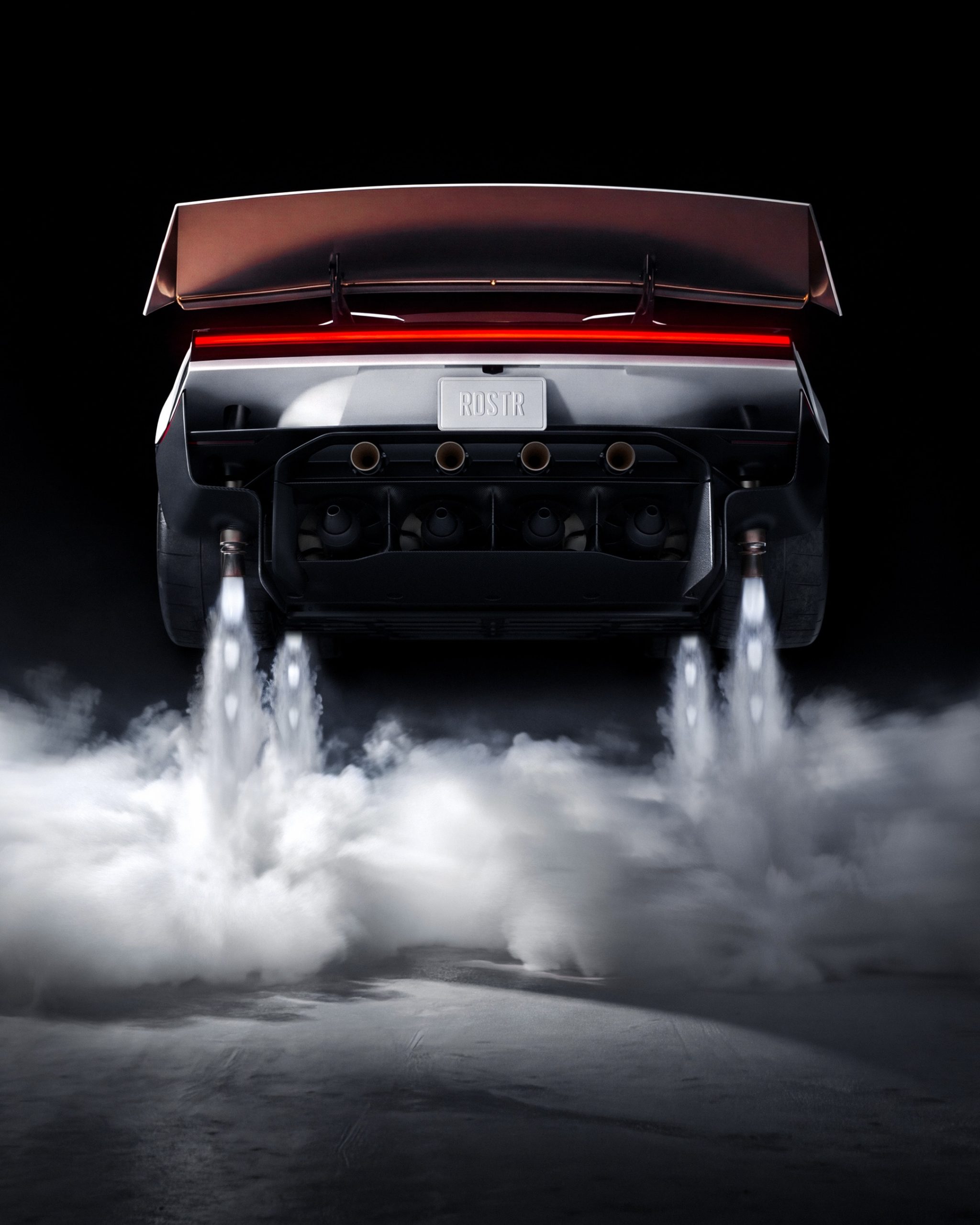
The Roadster’s most outrageous proposed feature is its multi mode fan and ground sealing system. The principle is relatively straightforward: powered fans draw air from beneath the vehicle, creating a pressure difference that pushes the car towards the surface. The system is described as generating enough suction to hold the vehicle upside down while stationary. That is an extraordinary claim, and one that would require convincing demonstrations under controlled conditions before it could be treated as an established production capability.
The potential advantage is significant. Conventional aerodynamic downforce generally increases with speed because it depends on airflow over wings and other surfaces. A fan driven system could, in principle, generate downforce even when the car is barely moving. Combined with powered fans and active wings, the technology aims to improve tyre contact, traction and cornering performance. The result could be a car capable of generating substantial grip without needing to travel at the sort of speed that would make a motorway police officer reconsider his career choices.
Cold Gas Thrusters Bring Aerospace Engineering To The Road
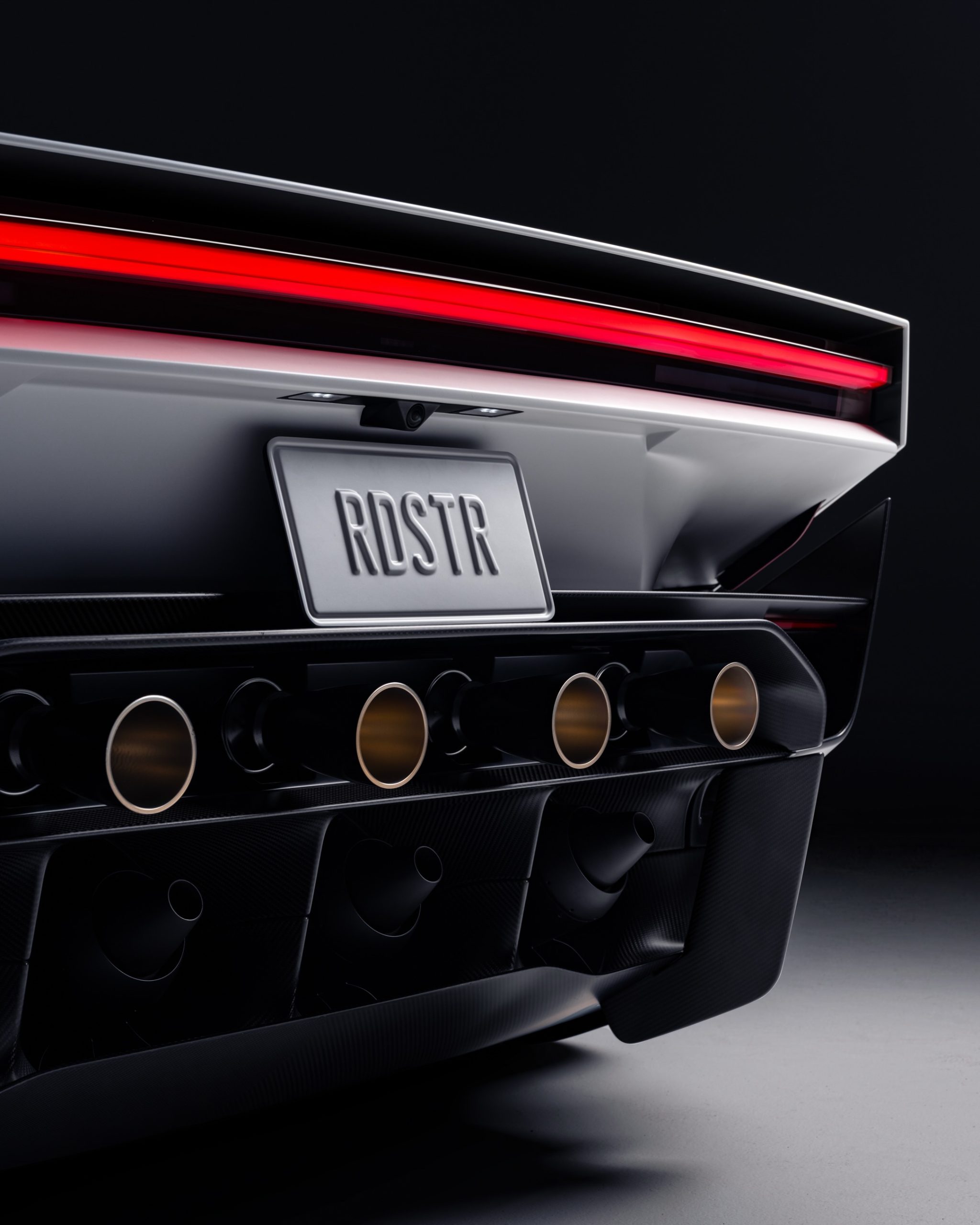
And now we arrive at the part that sounds as though somebody has confused a vehicle development meeting with a space programme. Cold gas thrusters use pressurised gas expelled through nozzles to generate thrust. Unlike conventional rocket engines, they do not depend on combustion. In the Roadster’s proposed configuration, electrically controlled actuators would make rapid adjustments intended to help stabilise the vehicle during flight.
Such a system is conceptually different from ordinary automotive stability control, which generally works through braking, power delivery and other vehicle control systems. Thrusters introduce the possibility of applying forces directly through expelled gas, although the practical challenges of doing so safely and effectively are considerable.
A car that can genuinely control its behaviour in the air would need to account for pressure supply, thrust direction, vehicle orientation, safety systems and the consequences of any malfunction. Until these capabilities are demonstrated and independently verified, they remain part of an ambitious engineering vision rather than something prospective owners should expect to use on their morning commute.
A Supercar With Its Eyes On The Sky
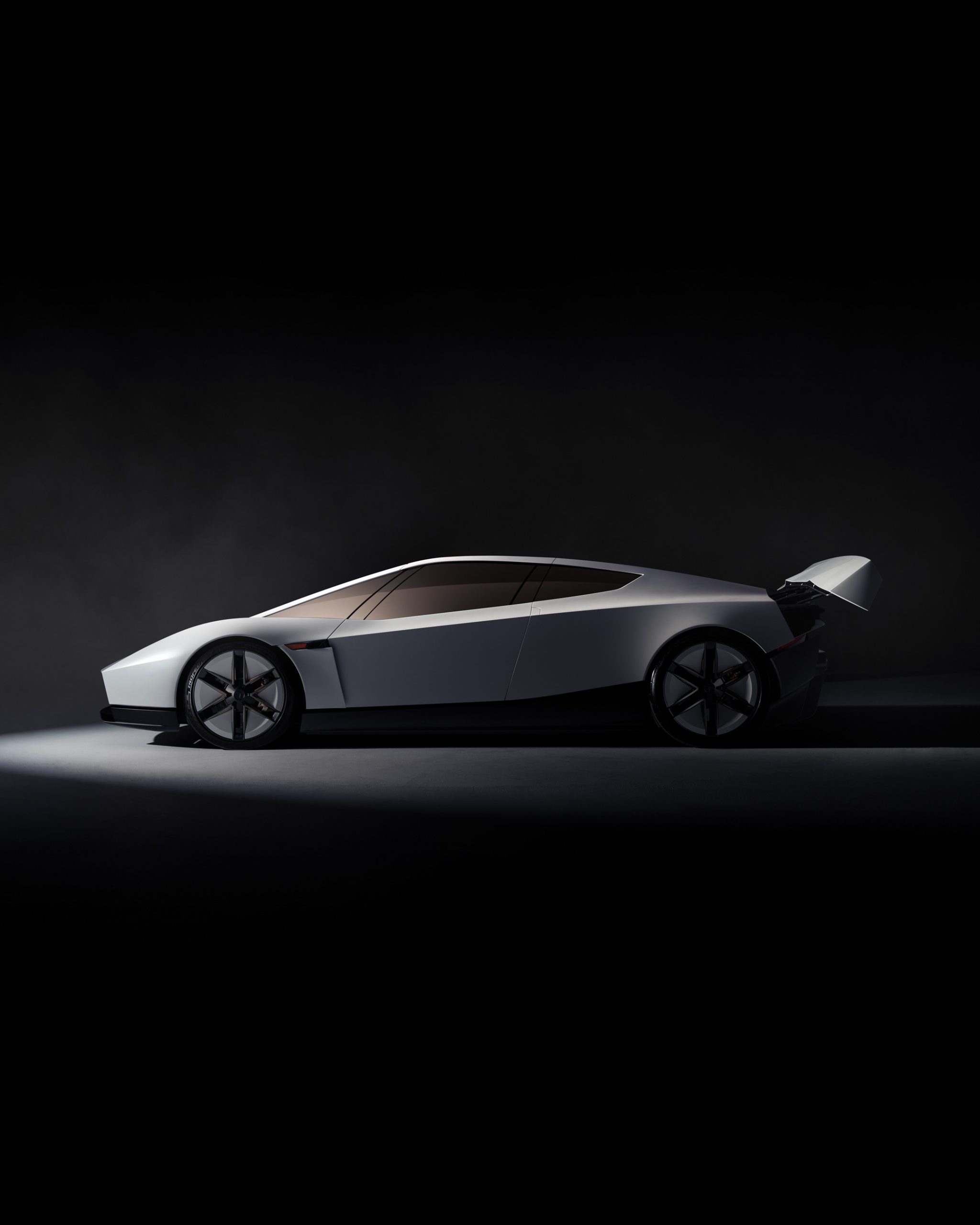
The Tesla Roadster concept is fascinating because it challenges the usual definition of automotive performance. Lightweight materials, aerodynamic surfaces and a carefully considered cockpit are familiar ingredients. A fan system intended to generate downforce at zero speed and cold gas thrusters designed for airborne stabilisation are decidedly less conventional.
Whether all these technologies reach a production car is another question entirely. Real world engineering must satisfy safety requirements, durability, manufacturing constraints and regulations, none of which can be defeated simply by giving a machine a spectacular specification sheet.
Still, the ambition is unmistakable. The Roadster imagines a future in which an electric sports car is not merely judged by its acceleration or top speed, but by how cleverly it manages forces around and beneath it. If even a portion of this vision becomes practical, the conversation about performance cars could become considerably more interesting.
And if the car really does end up sticking to the ceiling, one hopes Tesla will also explain how to get it back down without scratching the paint.