The New Face of Luxury: How Sustainable Materials Are Redefining Premium Cabins
An exploration of bespoke luxury interiors where craftsmanship meets conscience, revealing how sustainable materials are redefining premium cabins through elegance, ingenuity, and quiet extravagance where luxury has stopped shouting now whispering through grain stitch and scent and a new aristocracy of interiors is born from craft restraint and responsibility
There was a time when luxury interiors behaved like overdressed aristocrats at a garden party—loud, polished, and utterly convinced that more was always more. Every surface gleamed, every button begged to be pressed, and every cabin smelt faintly of ambition and petroleum by-products. But times, dear reader, have changed. Today’s premium cabin—be it on four wheels, wings, or waves—has discovered something rather revolutionary: refinement. And like all great revelations, it has arrived wearing tweed, not sequins.

When Craft Returns To The Throne
Bespoke interiors were once the exclusive playground of coachbuilders and eccentrics with monocles. Now they have returned, but with a sharper conscience and better tailoring. The modern luxury cabin is no longer assembled; it is composed. Materials are selected with the reverence of a sommelier choosing a rare vintage—where it came from, how it ages, and what story it tells all matter.
Hand-stitched panels, open-pore woods, and naturally dyed textiles have replaced glossy veneers and synthetic bravado. This is craftsmanship as quiet confidence, where imperfections are celebrated because they prove human involvement. The result is a space that feels less like a showroom and more like a private club that smells faintly of leather, timber, and self-respect.

Also Read: Most Anticipated Cars of 2026: Top New Releases And Future Highlights
Sustainability, Without The Sackcloth
Now, let us be clear: sustainability in luxury no longer means hair-shirt austerity or recycled misery. Today’s eco-minded materials are gloriously indulgent. Plant-based leathers are softer than the real thing and age with the grace of a well-read duke. Reclaimed woods arrive pre-seasoned by time itself, offering patina no factory could fake. Even recycled metals are brushed and finished until they gleam with quiet nobility.
What makes this shift deliciously ironic is that sustainability has improved luxury rather than diluted it. Lighter materials enhance performance. Natural fibres breathe better. Fewer chemicals mean richer textures. In chasing responsibility, designers have stumbled upon superiority.
The Rise Of The Tailored Cabin
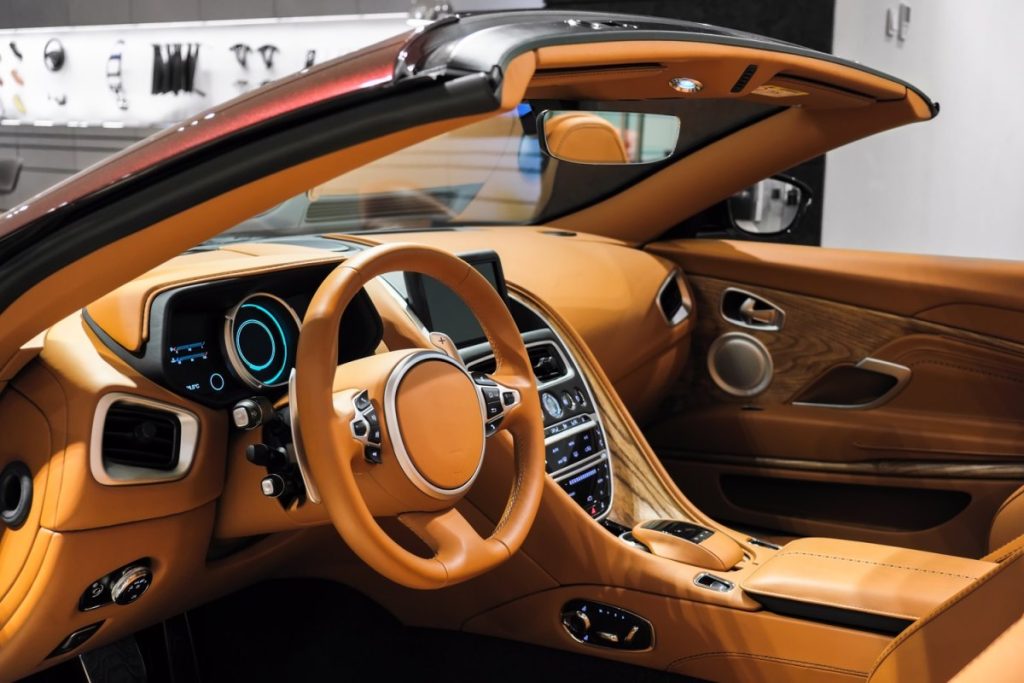
Customisation is no longer about colour charts and badge embroidery. It is about narrative. Clients now request cabins inspired by alpine lodges, mid-century libraries, or minimalist Japanese ryokans. Designers respond with wool sourced from heritage mills, cork harvested without harming trees, and linen woven using centuries-old techniques. Every element is considered. Seats are shaped for posture, not photographs. Panels are finished to invite touch. Even silence is engineered, with acoustic materials derived from recycled textiles that hush the cabin like a conspiratorial whisper
Plant Based Leathers That Redefine Indulgence
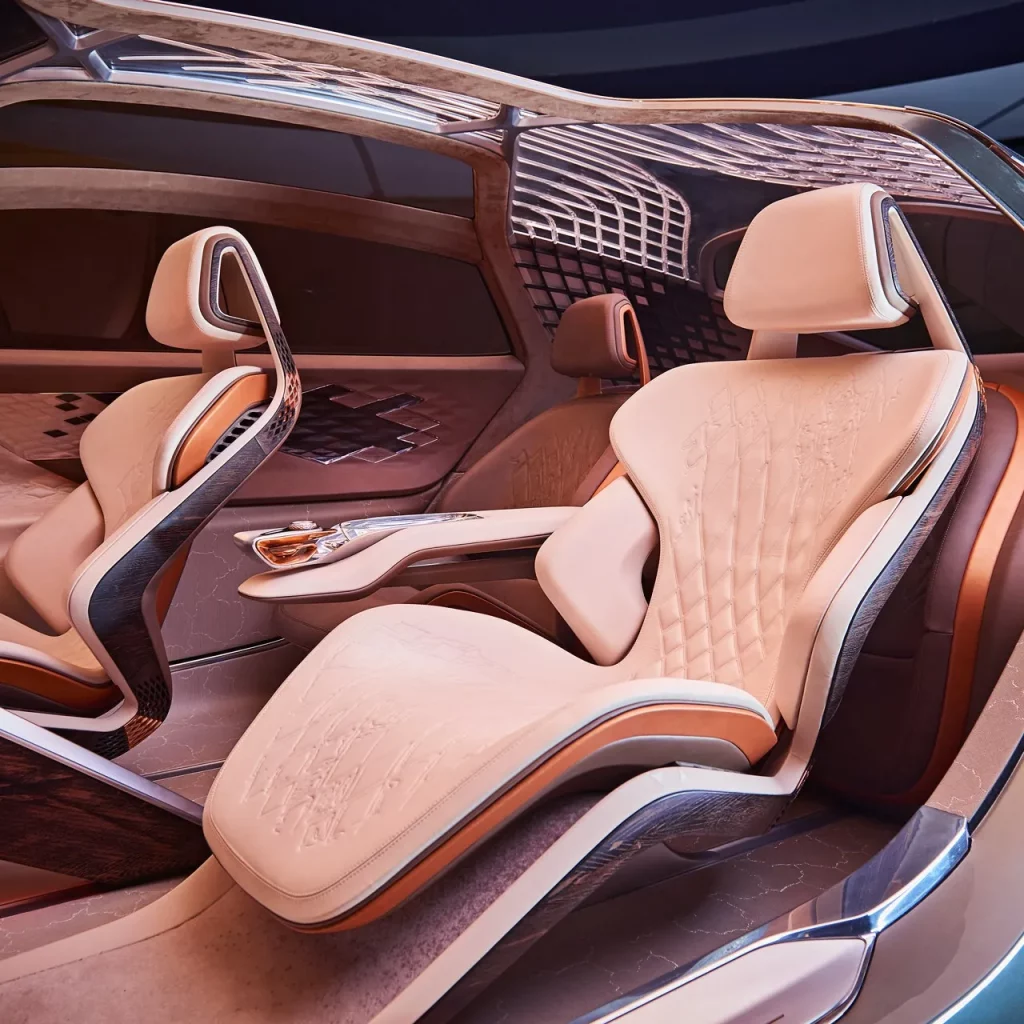
Among the most significant changes in premium cabins is the arrival of plant based leather alternatives crafted from cactus, pineapple fibre, apple skin, and mycelium. These materials deliver the same tactile richness and visual depth as traditional leather, yet without the environmental toll of livestock farming and chemical tanning. Softer to the touch and more breathable, they age with elegance rather than wear, proving that true luxury lies not in origin myths but in comfort, longevity, and quiet confidence.

Woods With A Sense Of Time
Wood has re entered the luxury cabin with its dignity intact. Designers now favour reclaimed or responsibly managed timber such as oak, walnut, and teak, finished in open pore treatments that celebrate natural grain rather than conceal it. Each surface tells a story shaped by years rather than machines. Natural oil finishes replace synthetic lacquers, allowing the material to breathe and develop a patina that deepens over time, turning use into character rather than damage.
Textiles That Breathe, Insulate, And Absorb Sound
Soft furnishings have become a showcase for intelligent sustainability. Ethically sourced wool, linen made from low water flax, and recycled cashmere are now used for seats, headliners, and cabin panels. These textiles regulate temperature naturally and improve acoustics, creating interiors that feel calmer and more intimate. Recycled fibres derived from ocean plastics and post consumer waste are woven into refined fabrics that feel reassuringly premium, demonstrating that innovation can elevate both comfort and conscience.