Why Lightweight Cars Feel More Alive Than Heavy Performance Machines
The greatest driver’s cars were never just about horsepower, they were about balance, feedback, and the sensation that the machine was moving with you rather than against you
There is a peculiar madness in the modern car world where manufacturers seem convinced that adding more screens, more batteries, more weight, and enough software to launch a satellite somehow makes a car better. Which is how we ended up with family SUVs heavier than small planets and sports cars that need four-wheel steering, adaptive dampers, and a physics degree just to feel remotely entertaining. And yet, every time you step into something genuinely lightweight, something pared back and mechanically honest, you remember what driving is actually supposed to feel like. The steering suddenly breathes. The chassis stops filtering every sensation through a layer of digital insulation. The engine feels keener, the brakes feel sharper, and corners stop becoming calculations and start becoming conversations. Lightweight cars do not simply move faster. They communicate better. They feel alive because every single component has less mass to fight against, less inertia to overcome, and less artificial engineering needed to disguise the weight in the first place. Which is why, despite all the horsepower wars and Nürburgring bragging rights, enthusiasts still worship machines that weigh less than a luxury fridge and respond like an over-caffeinated terrier. Because sometimes the greatest performance upgrade is not more power. It is less car.
The Physics Of Less Weight
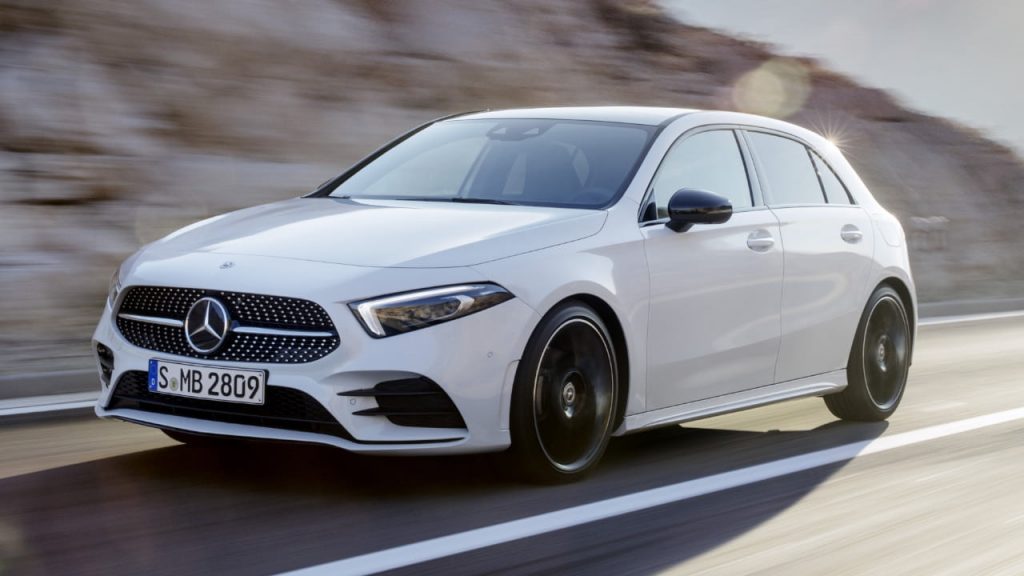
Every aspect of a car improves when weight drops. Acceleration becomes more immediate because the engine has less mass to drag forward. Braking distances shrink because the brakes are fighting less momentum. Cornering sharpens because the tyres are no longer desperately trying to control several tonnes of moving metal. Even fuel efficiency improves because the drivetrain is working less to achieve the same result. Weight affects everything simultaneously, which is why reducing it transforms the entire driving experience rather than just one isolated performance figure.
Also Read: Shah Rukh Khan Gets A New Beast: Inside the Black Cadillac Escalade-V Arrival
Why Steering Feels Better
A lightweight car talks to you through the steering wheel in a way heavier cars often cannot. There is less inertia pressing against the front tyres, meaning directional changes happen with far greater immediacy. The nose reacts instantly to inputs instead of taking a moment to gather itself like an exhausted heavyweight boxer. This creates that magical sensation enthusiasts describe as “alive” steering, where the car seems eager to turn rather than reluctantly persuaded into doing so.
The Chassis Starts To Dance
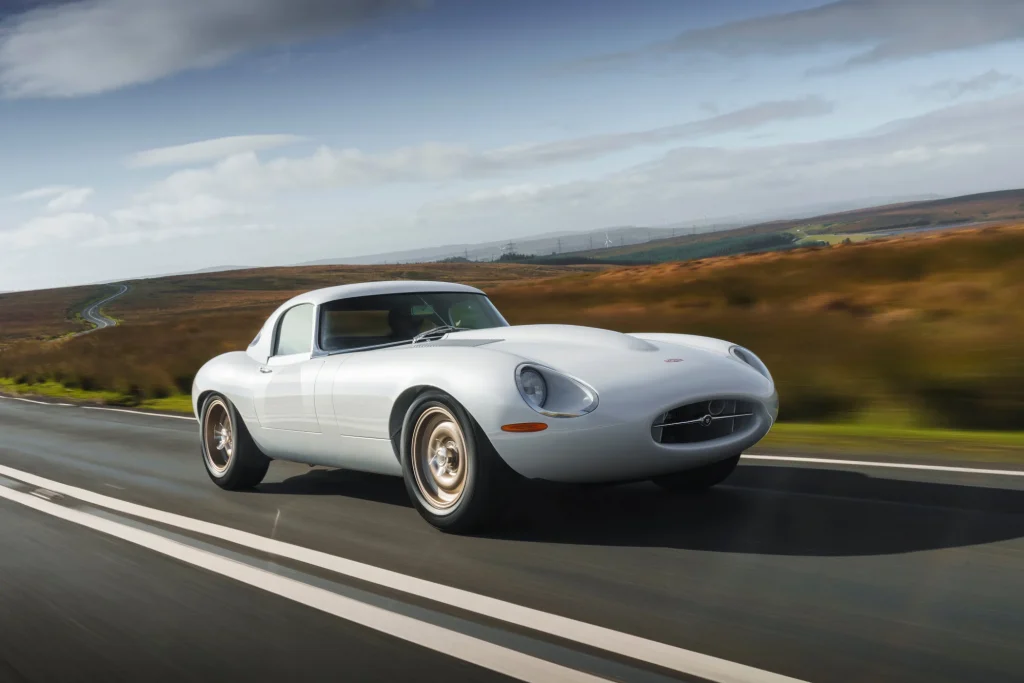
Heavy cars often feel planted and stable, but lightweight cars feel agile. There is a major difference. Agility comes from the reduced load transferred during braking, acceleration, and cornering. The chassis moves more progressively and naturally, allowing drivers to sense weight transfer in real time. Instead of fighting the car’s mass, you work with it. This creates a playful balance that makes even moderate speeds feel exciting because the car is constantly communicating its movements underneath you.
Power Feels More Meaningful
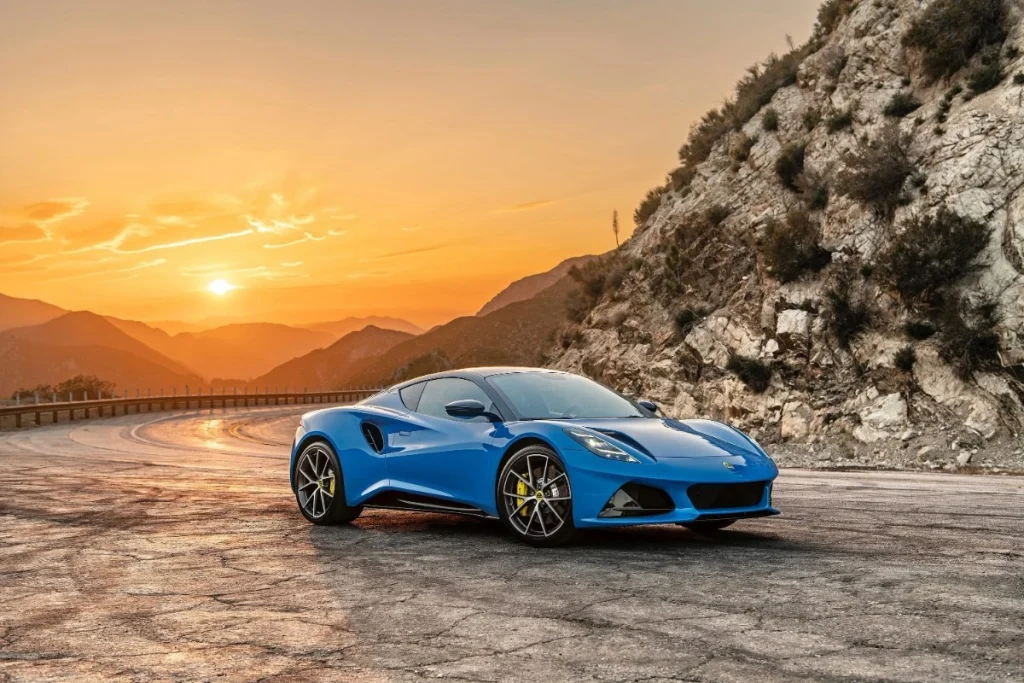
A lightweight car does not need absurd horsepower numbers to feel fast. A modestly powered lightweight machine can feel dramatically more exciting than a massively powerful heavyweight because every horsepower has less work to do. Throttle responses feel sharper, revs climb more eagerly, and the entire drivetrain behaves with greater urgency. This is why older lightweight sports cars with relatively small engines still feel thrilling decades later while some modern high-horsepower cars feel strangely numb despite their speed.
Also Read: Vision BMW ALPINA: The Return of Speed, Comfort And Sophistication
Brakes Work Harder And Smarter
Stopping power is not just about brake size. It is about the amount of mass being slowed down. Lightweight cars place significantly less stress on braking systems, allowing for better pedal feel, greater consistency, and reduced brake fade during spirited driving. The car feels calmer under hard braking because there is less momentum trying to push it forward. This contributes massively to driver confidence, especially on demanding roads or racetracks.
The Emotional Connection
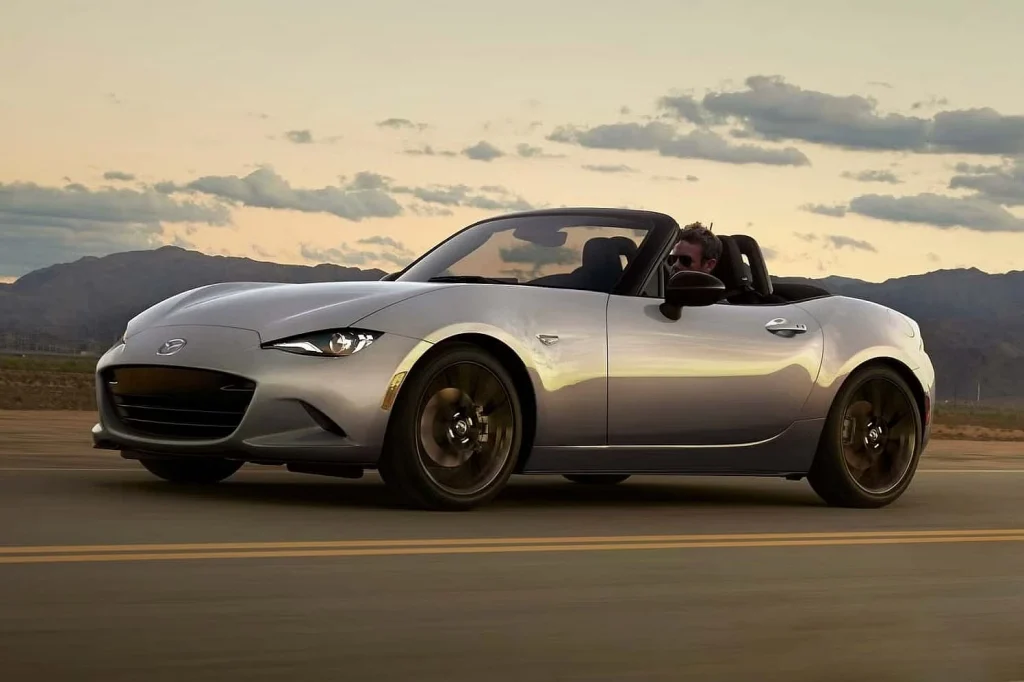
Perhaps the biggest reason lightweight cars feel more alive is psychological. Drivers feel more connected because the machine reacts instantly and honestly. There is less isolation between human input and mechanical response. Modern heavy cars can be astonishingly capable, but they often achieve that capability through layers of electronic management and engineering compensation. Lightweight cars rely more on balance than brute force, which makes them feel organic rather than computational.
Why Enthusiasts Still Chase Lightweight Cars
Even in an era obsessed with luxury, electrification, and technological excess, lightweight cars continue to hold mythical status among enthusiasts because they deliver something increasingly rare: purity. They remind drivers that excitement does not come solely from acceleration figures or touchscreen graphics. It comes from feedback, responsiveness, and the feeling that the car is working with you rather than around you. And that is why a lightweight car often feels more memorable at 80 km/h than a two-tonne supercar does at twice the speed