Why Manual Transmission Feels More Engaging Than Automatic Cars
An immersive look at the joy of driving, where control, rhythm, and mechanical connection transform even the simplest journey into a deeply involving and rewarding experience
Modern cars are astonishingly clever. They shift gears faster than thought, manage power with surgical precision, and glide through traffic with the sort of calm efficiency that would make a luxury train seem fidgety. Automatics, particularly the latest ones, are brilliant. And yet, there remains a stubborn, almost irrational affection for manual transmissions. Not because they are faster. Not because they are more efficient. Quite often, they are neither. But because they feel better. That is the crucial point. Not better on paper, but better in the hands, in the feet, and somewhere deep in the part of the brain that insists driving should involve more than simply pointing and pressing.
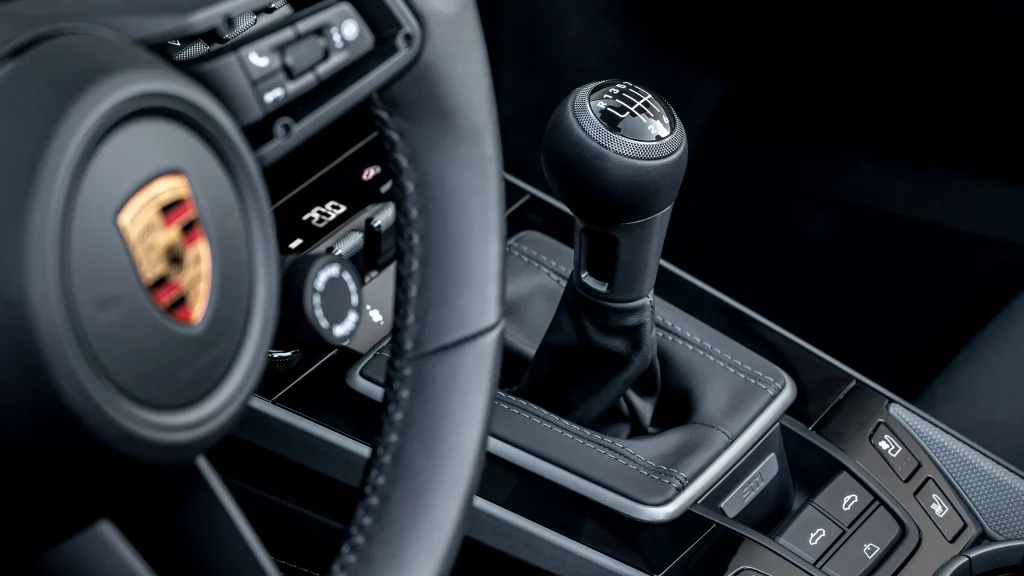
The Joy Of Mechanical Involvement
A manual gearbox transforms driving into an active process. There is a clutch to engage, a gear lever to guide, and a rhythm to maintain. Each movement requires intent. Each action has consequence. It is not simply about selecting a gear. It is about choosing the right gear at the right moment, balancing engine speed, road conditions, and momentum in a way that feels almost musical. Done well, it becomes a seamless flow. Done poorly, it becomes a lurching reminder that skill still matters. This involvement creates a sense of connection that no automatic system, however advanced, can fully replicate. The car does not simply respond. It collaborates.
Control In Its Purest Form
Manual transmissions offer a level of control that feels direct and unfiltered. There is no software deciding when to shift, no algorithm predicting intent. Every decision rests entirely with the driver. Approaching a corner, a lower gear can be selected precisely when desired. Accelerating out of it, the engine can be held at the perfect point in its power band. There is a tactile satisfaction in getting it exactly right, in feeling the car respond instantly to a deliberate input. Automatics, by contrast, often feel like intermediaries. They interpret, they decide, and occasionally they get it wrong. A delayed downshift here, an unnecessary upshift there. Small imperfections that remind one that control has been delegated.
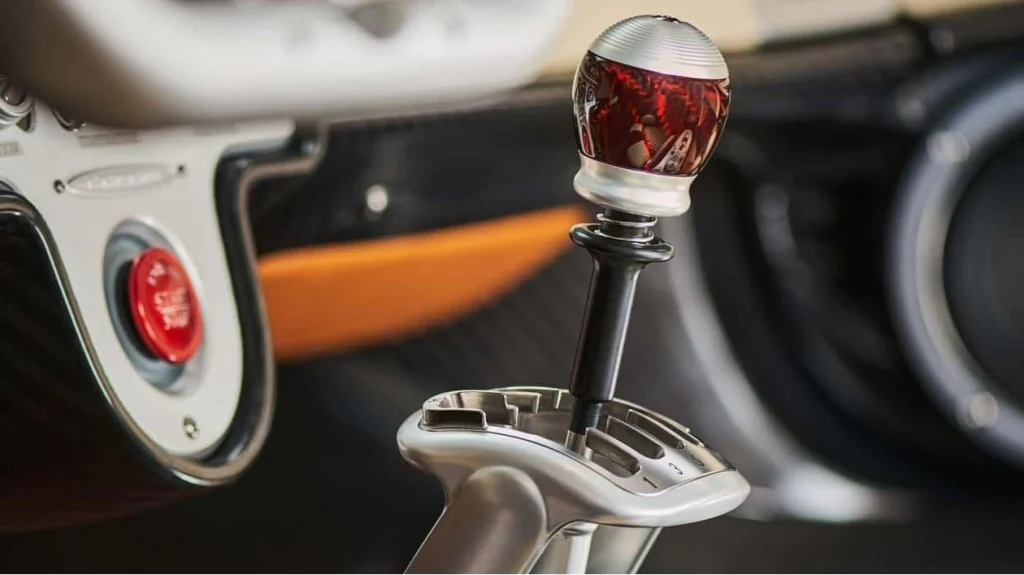
The Rhythm Of Driving
Driving a manual car introduces a rhythm that is entirely absent in most automatics. Clutch in, shift, clutch out, throttle. Repeat. It becomes second nature, a pattern that blends seamlessly with the movement of the road. This rhythm creates engagement not through speed, but through participation. Even in mundane situations, such as slow moving traffic or a gentle cruise, there is always something to do, something to manage. It turns passive travel into an active experience. Not demanding, but involving.
The Satisfaction Of Mastery
There is also the matter of skill. Operating a manual transmission requires coordination, timing, and practice. It is something that can be learned, refined, and eventually mastered. That sense of mastery is deeply satisfying. Perfectly smooth gear changes, precise rev matching, and seamless transitions become small victories, moments of quiet achievement that accumulate over time. Automatics remove this element entirely. They are efficient, certainly, but they offer little in the way of personal development. There is no technique to refine, no craft to perfect.
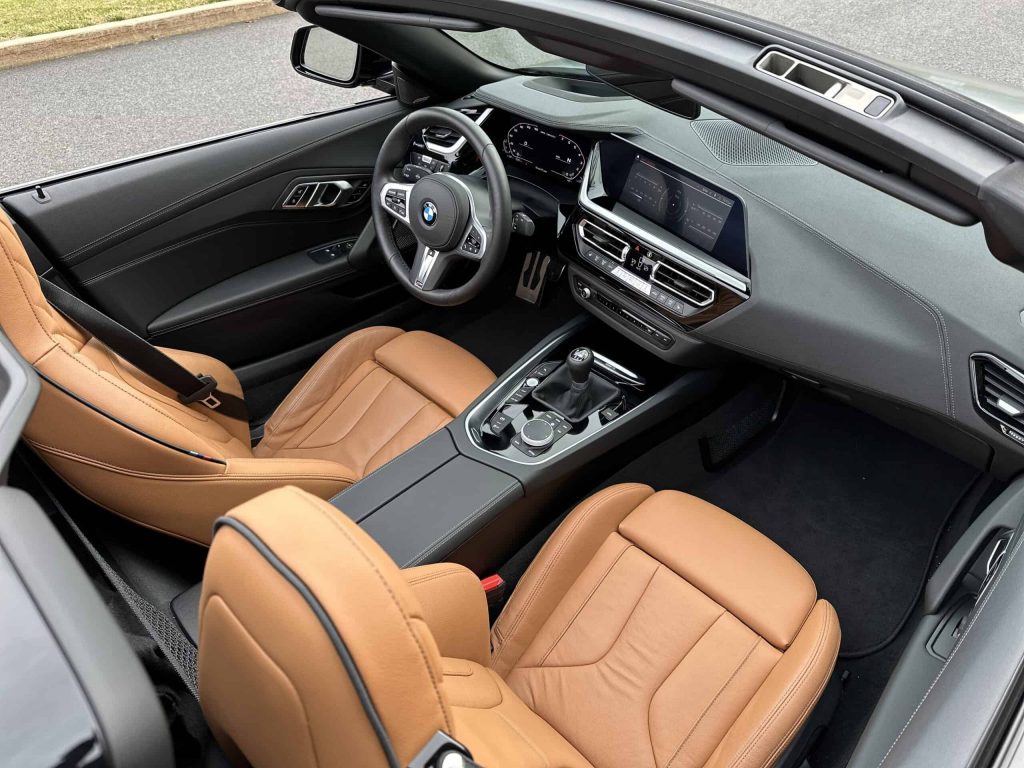
Imperfection As Character
Manual transmissions are not perfect. They can be clumsy in traffic, demanding in certain conditions, and occasionally frustrating. But these imperfections are part of their charm. They introduce variability. Each journey feels slightly different, influenced by mood, environment, and input. There is a human element that remains intact, a sense that the experience is shaped in real time rather than predetermined by software. Automatics, for all their brilliance, can feel sterile by comparison. Consistent, predictable, and occasionally devoid of character.
The Sensory Experience
Driving a manual car engages multiple senses simultaneously. The feel of the clutch pedal, the resistance of the gear lever, the sound of the engine rising and falling with each shift. These sensory inputs create a richer experience. The car communicates through touch and sound, providing feedback that informs and enhances every action. In an automatic, much of this dialogue is muted. Shifts occur quietly, almost invisibly. The process is efficient, but it lacks the same level of interaction.
The Illusion Of Speed
Interestingly, manual cars often feel faster, even when they are not. The act of shifting gears, the rising engine note, and the physical involvement all contribute to a heightened sense of speed. It is an illusion, perhaps, but an effective one. Driving becomes more engaging not because the car is objectively quicker, but because it feels more alive. Automatics, with their seamless acceleration, can sometimes mask this sensation. They are faster, yet feel calmer, less dramatic.
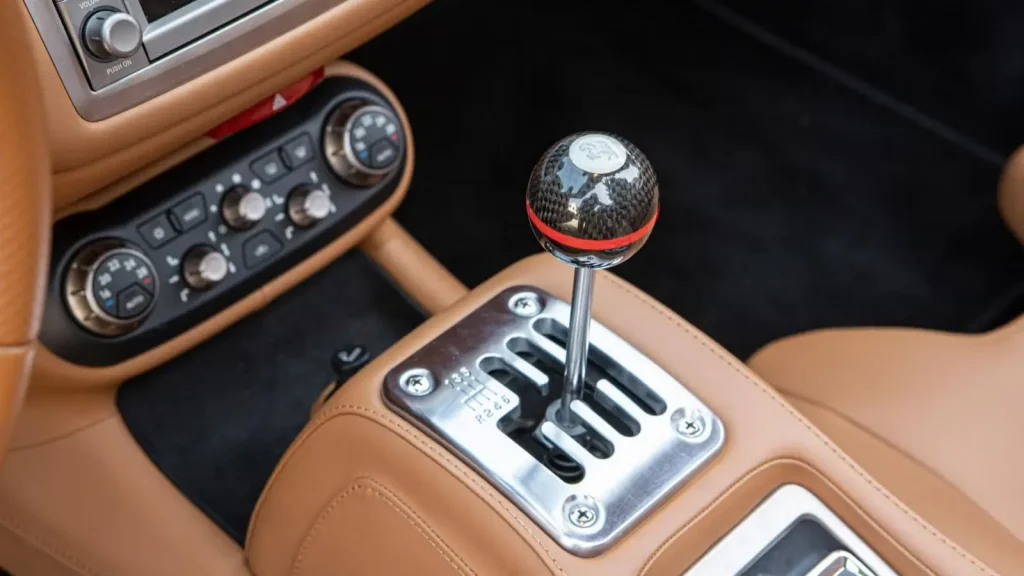
A Dying Breed
Despite their appeal, manual transmissions are becoming increasingly rare. Advances in automatic technology, combined with changing consumer preferences, have pushed them to the margins. It is understandable. Automatics are easier to use, more efficient, and often quicker. They make sense in a world that values convenience and speed. But something is lost in the process. A layer of interaction, a sense of involvement, a connection that cannot be replicated by even the most sophisticated systems.