From Dashboards To Screens: How Displays Took Over Cars, Homes, And Workspaces
From car dashboards to living rooms and office desks, digital displays have quietly taken over modern life. Here is how screens became the central interface of cars, homes and workspaces, reshaping how we live, move and work
There was a time when a screen was a treat. You sat down in front of it, usually after dinner, and it showed you something entertaining before politely switching off. Then, without asking permission, it multiplied. It slipped into cars, marched into homes, occupied offices and finally decided that every surface you interacted with should glow faintly and demand attention. In true modern fashion, it did all this while claiming to make life simpler. And the infuriating thing is that it largely succeeded. Displays did not just arrive everywhere, they took over because they became the most efficient way to run the modern world.
When Cars Stopped Being Mechanical
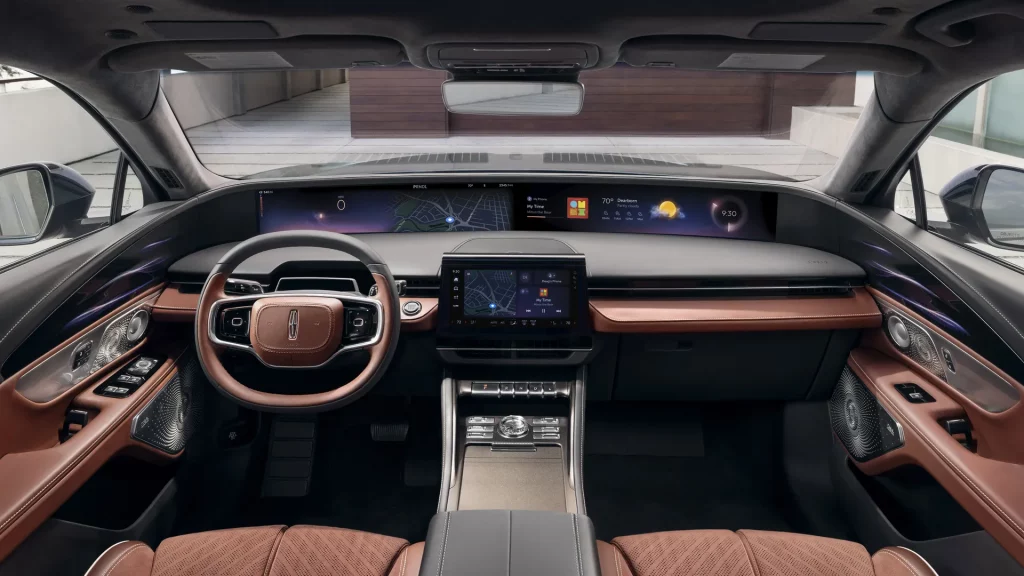
The first major surrender came from the automobile industry, once a proud collection of dials, switches and satisfying clicks, the car interior slowly gave up its soul to software. What started as a small navigation screen grew into vast digital panels stretching across dashboards like widescreen televisions. Speed became a graphic. Fuel became a bar. Buttons were dismissed as clutter. Today, the display controls everything from driving modes to cabin temperature, and sometimes even whether you are allowed to accelerate quickly. Cars did not become smarter machines. They became computers on wheels with seats attached.
Homes Learn To Think In Screens
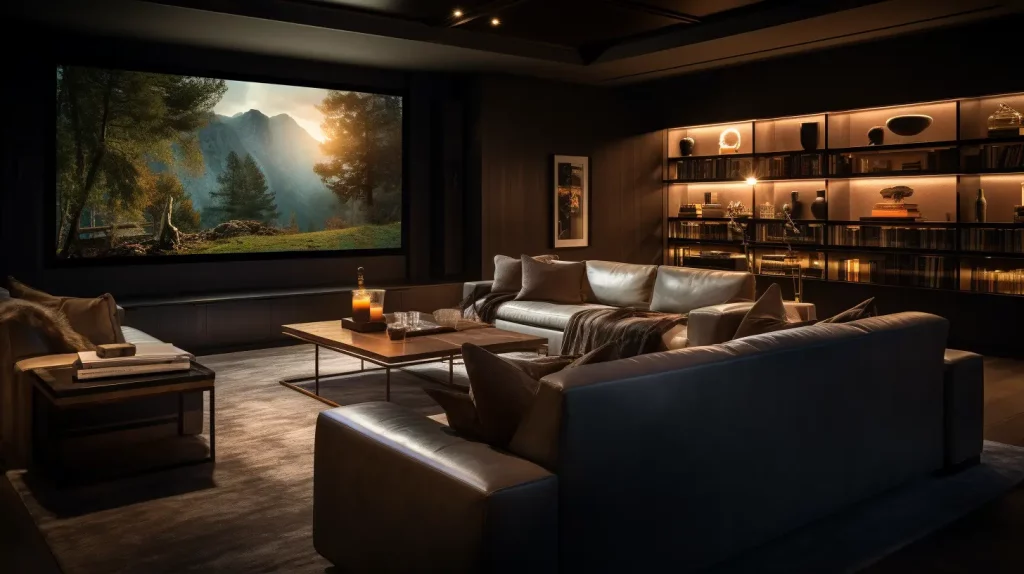
Homes watched this transformation and decided it looked like a good idea. The television evolved from furniture into a wall. Then it spawned siblings. Screens appeared in kitchens, bedrooms and at the front door. Light switches were replaced by touch panels. Thermostats started watching your habits. Doorbells developed opinions. The modern home became a connected system where displays quietly managed comfort, security and convenience. You no longer lived in rooms. You lived inside an interface.
Also Read: Why EssilorLuxottica Could Be the Next Big AI Winner, According to Analysts
Offices Become Digital Command Centres
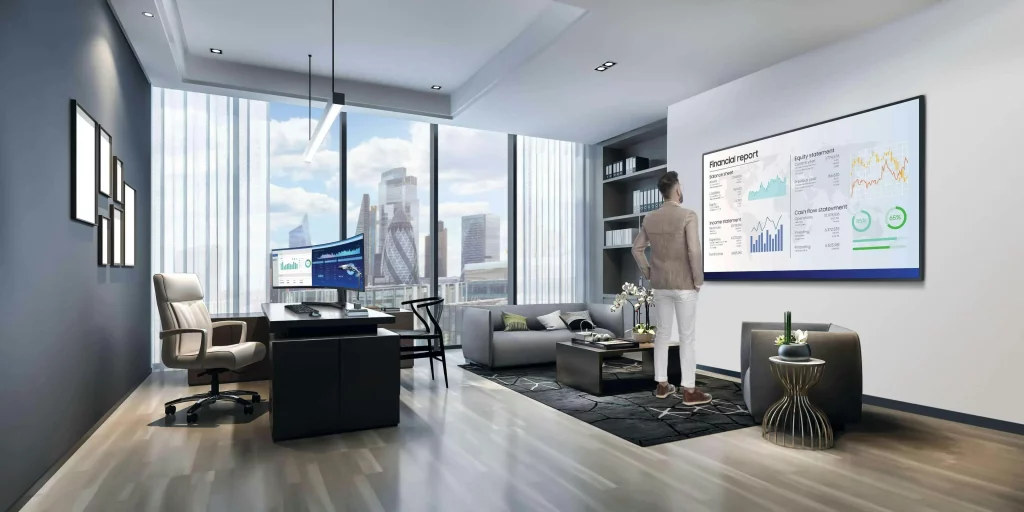
Workspaces finished the job. The single monitor became a distant memory. Two suggested competence. Three suggested ambition. Laptops became portable offices and meetings migrated onto screens that ensured no one ever truly escaped work. Whiteboards vanished. Paper became suspicious. Productivity was measured in windows, tabs and notifications. The modern office stopped being a place you went to and became a collection of screens you carried around.
Why Screens Won So Easily
Screens triumphed because they could do everything at once. A switch had one purpose. A dial had one job. A screen could be anything it wanted, whenever it wanted. It adapted, updated and improved without anyone needing to open a toolbox. Software replaced hardware, and flexibility crushed tradition. Designers loved screens because they reduced visual noise. Engineers loved them because they simplified complexity. Consumers tolerated them because they worked.
Minimalism Gave Screens The Crown
There was also design vanity involved. Minimalism demanded clean surfaces and calm interiors. Screens delivered this beautifully. One glossy panel replaced dozens of controls. When turned off, it disappeared. When activated, it became the focal point. Cars, homes and offices began to orbit around displays, treating them as both tool and ornament. The screen stopped being an object and became architecture.
Living Inside The Interface
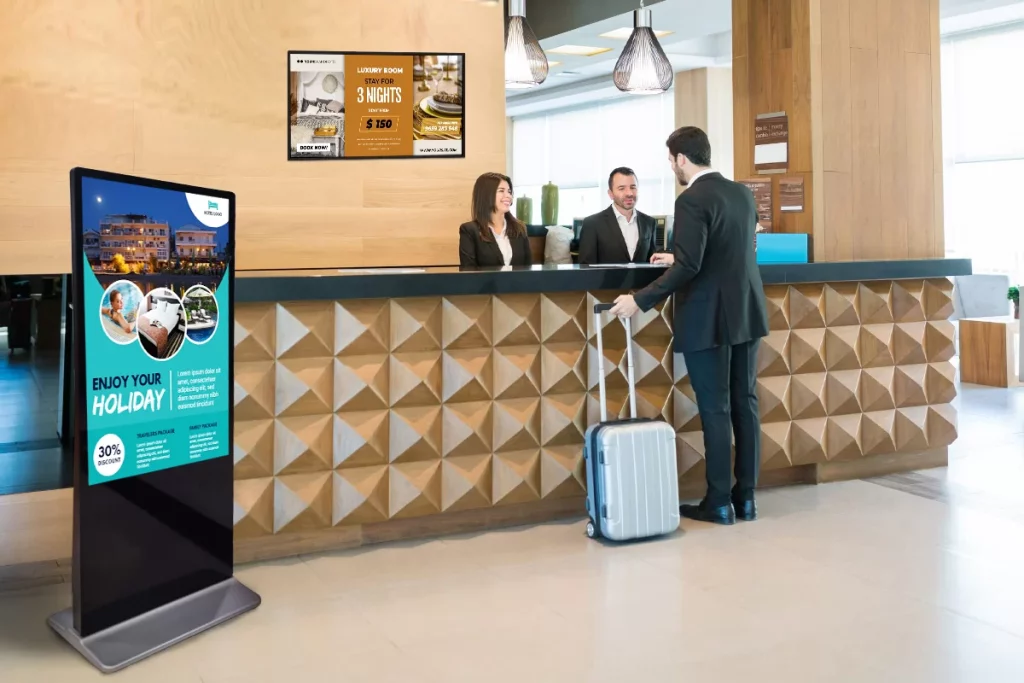
Displays did not conquer cars, homes and workspaces because they were fashionable. They conquered because they made complexity manageable. They turned systems into experiences and information into action. The screen is no longer something you look at. It is something you live with. And whether you admire that or find it mildly terrifying, there is no going back.