

Anniversaries, in the corporate world, are usually exercises in nostalgia, a gentle dusting off of legacy, a few sepia toned memories, and a reassuring reminder that relevance has not entirely expired. Apple, however, approaches the notion with characteristic defiance. Its fiftieth year is not a quiet retrospective but a full bodied declaration, a moment not of looking back, but of reminding the world, with almost theatrical confidence, that the very idea of modern technology, how we use it, carry it, depend on it, and even feel about it, bears its unmistakable imprint.
Most companies at 50 are content with survival. Apple, on the other hand, seems intent on reminding everyone that it has spent half a century doing something far more audacious, rewriting the rules entirely. And it has not done so with cautious, incremental steps. It has done so with the sort of sweeping, occasionally outrageous decisions that either change everything or fail spectacularly. Fortunately for Apple, it has mostly been the former.
Take the Apple Macintosh. When it first arrived, computers were functional, yes, but about as inviting as a tax form. Apple looked at that landscape and decided it needed personality. It needed intuition. It needed a mouse, a graphical interface, and a sense that technology could actually be enjoyable. It was, at the time, borderline revolutionary. Then, just as the world had settled into a comfortable rhythm, along came the Apple iPhone. And this is where Apple stopped merely participating in the industry and began dictating it. The iPhone did not refine the mobile phone. It dismantled it and rebuilt it into something altogether more powerful. A device that could do everything, seamlessly, elegantly, and with a kind of effortlessness that made everything else look outdated almost overnight.

That is the thing about Apple. It does not simply innovate. It redefines expectations. And now, at 50, it is celebrating in a manner that feels entirely on brand. Not with dusty exhibits or quiet reflection, but with a global series of events that transform its retail spaces into something far more dynamic. Creative hubs. Performance venues. Places where the products are not just displayed, but actively used to create something meaningful.
Also Read: Apple Live Updates: New iPhone AIR, 17 Pro, 17 Pro Max, AirPods Pro 3, and Watch Series 11 Launched

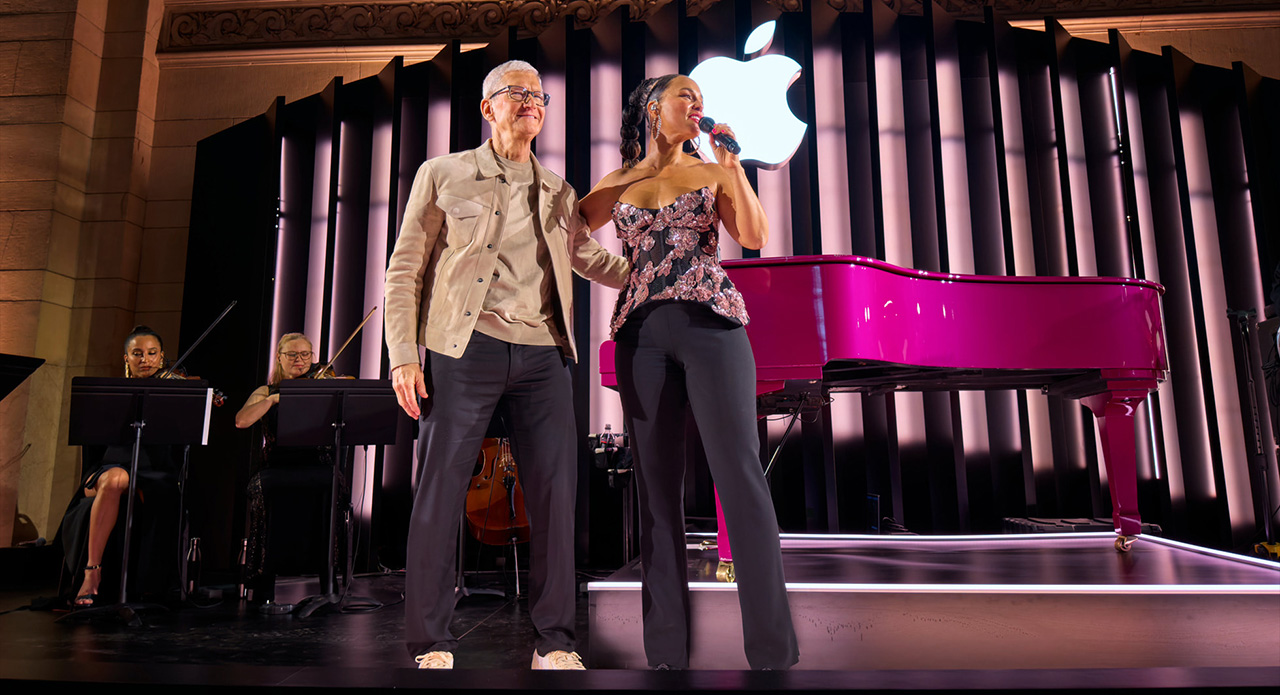
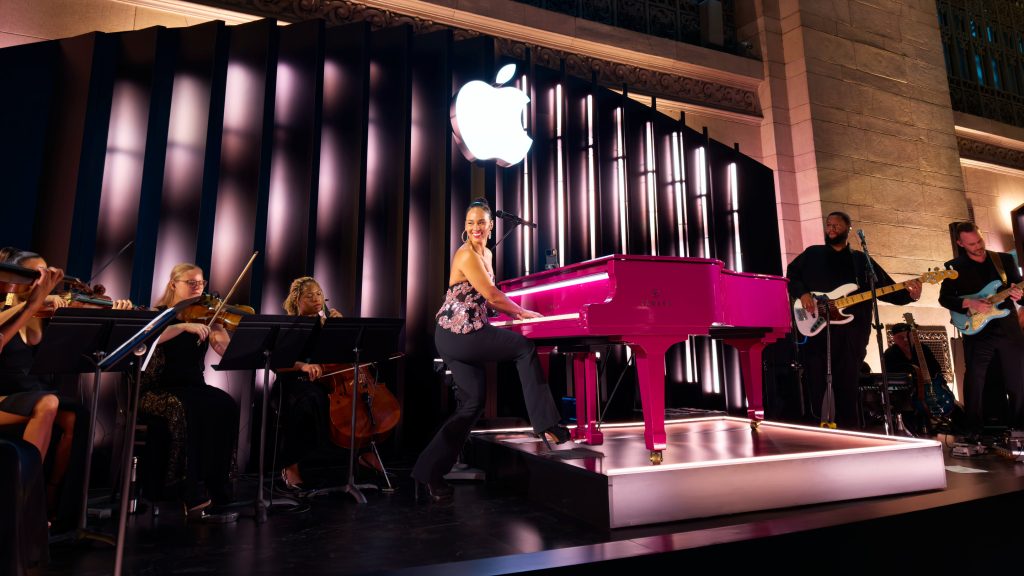
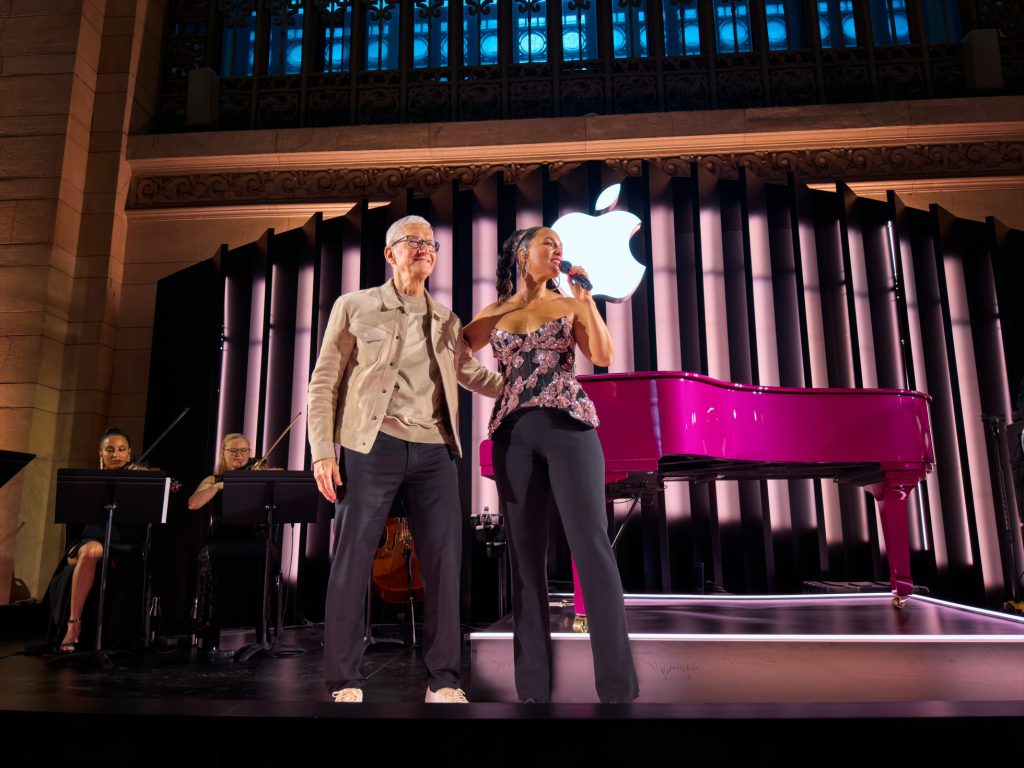
At locations around the world, including its flagship presence in New York’s Grand Central, Apple has turned its anniversary into a showcase of what happens when technology meets imagination. Live sessions, workshops, and performances bring together artists and creators who have taken Apple’s tools and done something genuinely interesting with them. A live set by Alicia Keys is not merely a headline act. It is a demonstration. This is what these devices can enable when placed in the right hands. It is, in many ways, a clever move. Because rather than simply telling you how good its products are, Apple shows you. It lets the work speak. The music, the art, the ideas, all of it reinforcing the same message. This is not just technology. This is possibility.
Of course, there is an undeniable sense of confidence, some might say arrogance, that runs through all of this. But it is difficult to argue with the results. Over five decades, Apple has embedded itself into daily life in a way few companies ever have. From how we communicate to how we consume content, from how we work to how we relax, its influence is everywhere. And yet, what makes this milestone particularly interesting is not the past, but the implication of the future. Because Apple has never been a company that lingers too long on what it has already achieved. It acknowledges it, certainly, but only briefly, before moving on to the next big idea.

Which is why this 50th anniversary does not feel like a conclusion. It feels like a pause. A momentary stop before the next leap. If the Macintosh made technology personal, and the iPhone made it indispensable, the obvious question now is what comes next. And knowing Apple, it will not be a minor update or a gentle evolution. It will be something that once again forces everyone else to catch up. Because if there is one thing 50 years of Apple has taught us, it is this. When it decides to move forward, the rest of the world does not really have much choice but to follow.