How Billionaires Are Redefining Luxury Living With Smart Home Technology
From robotic underground garages and invisible televisions to self shading glass and flood defence systems, tomorrow's luxury homes are becoming intelligent machines designed for effortless living
There was a time when luxury living was measured by marble imported from Italy, chandeliers the size of small galaxies and enough bedrooms to accommodate a cricket team. Today’s billionaire has rather different priorities. They still appreciate exceptional craftsmanship, of course, but increasingly they expect their home to think for itself. The modern mansion is evolving into something closer to a living organism, quietly responding to its owner’s habits without ever demanding attention. Cars disappear beneath immaculate gardens at the touch of a button, priceless paintings glide aside to reveal hidden entertainment systems, glass automatically darkens as the afternoon sun arrives, and entire homes prepare themselves for storms before their owners have even checked the weather forecast. Technology is no longer being added to luxury homes. It is becoming part of their architecture, quietly redefining what comfort, convenience and exclusivity mean in the world’s finest residences.
Robotic Underground Car Vaults
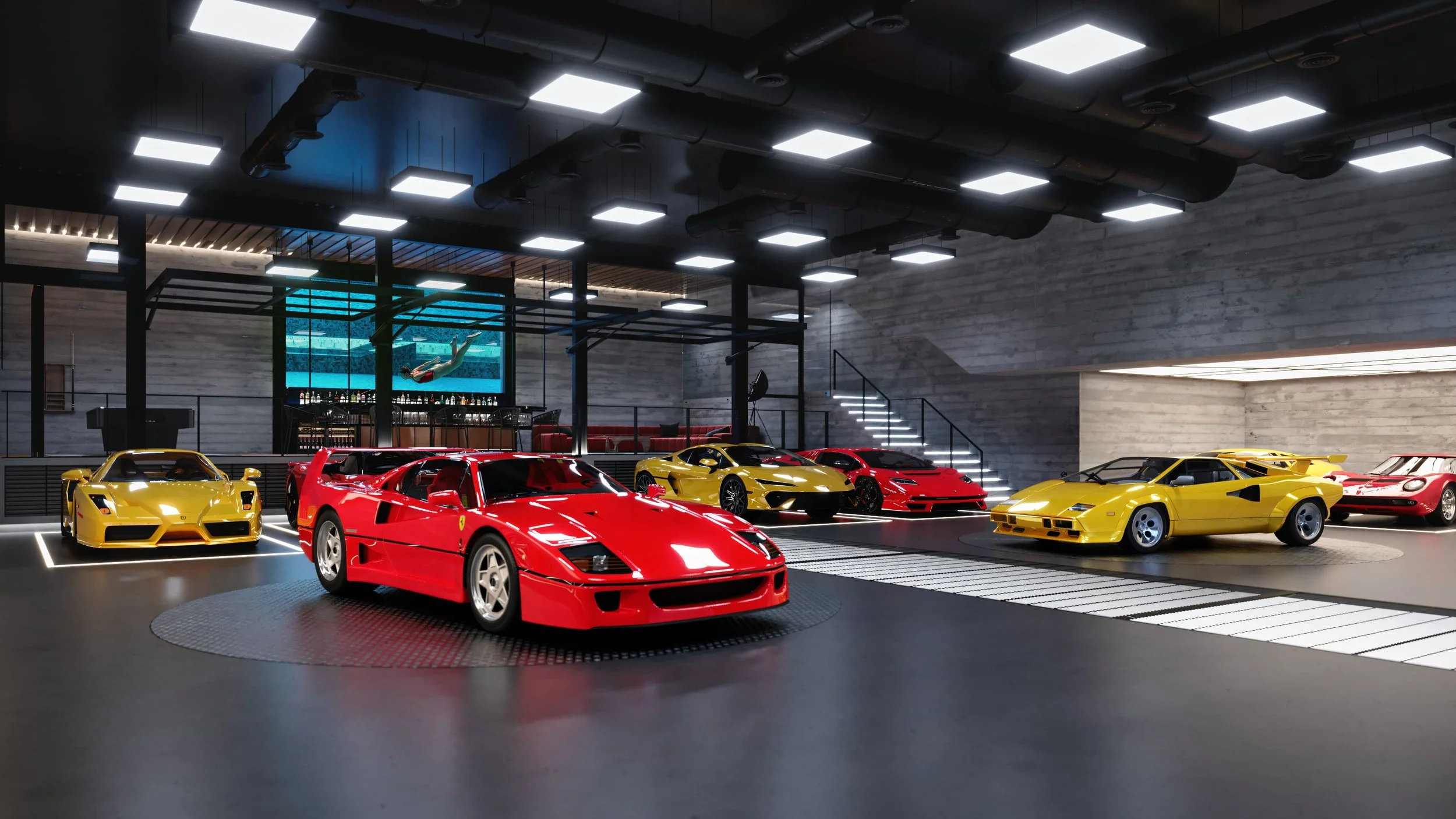
The traditional garage is quietly disappearing from billionaire homes. In its place are robotic underground car vaults that conceal entire vehicle collections beneath landscaped gardens or entrance courtyards. Automated lift systems retrieve a chosen supercar at the touch of a button, while climate controlled storage, enhanced security and complete privacy ensure these collections remain protected. Beyond convenience, these vaults preserve the visual purity of the estate by eliminating the need for large above ground garages.
Also Read: Why Grand Staircases Are Making A Comeback In Ultra-Luxury Homes
Vacuum Elevators
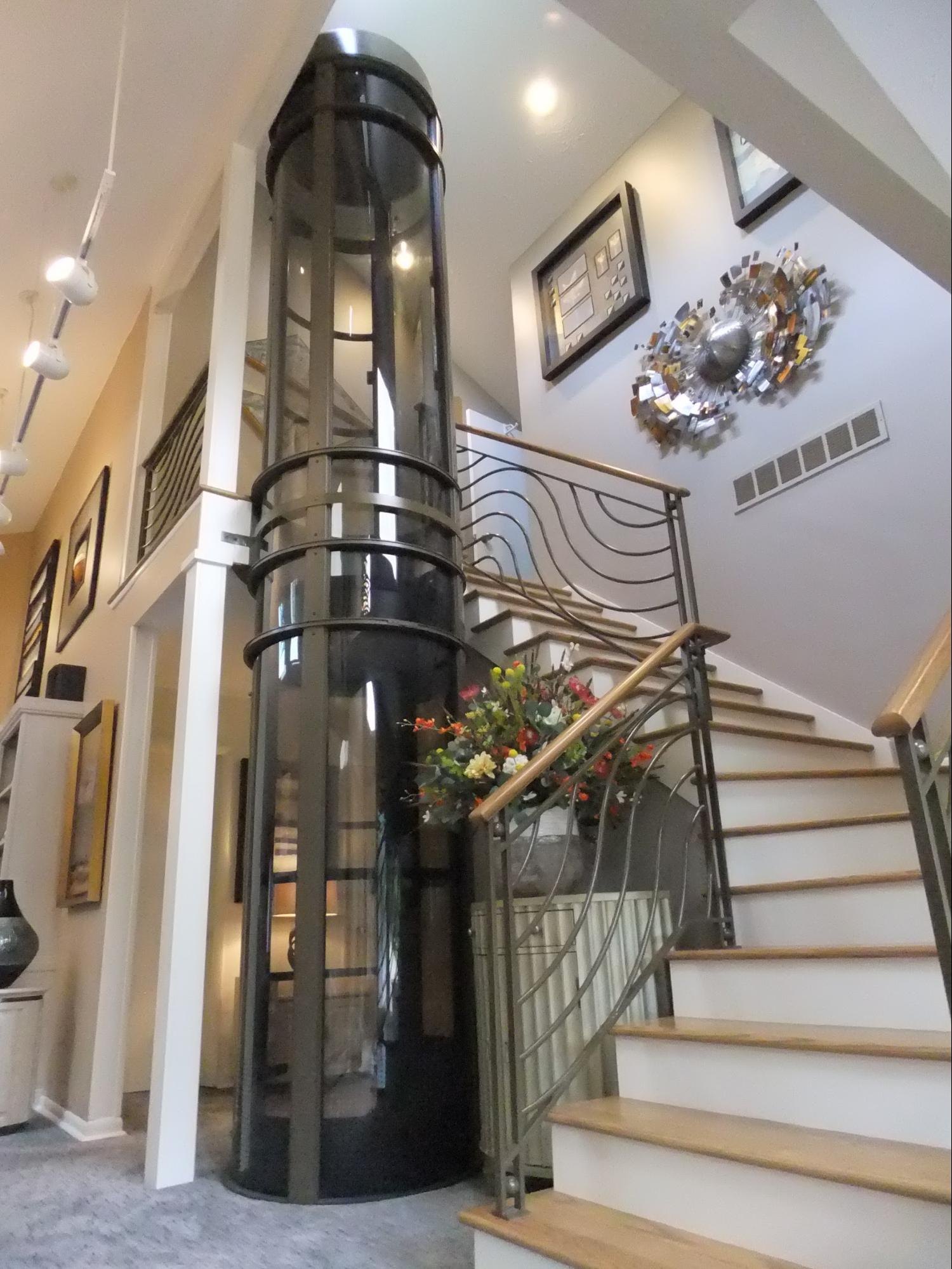
Vacuum elevators have become one of the most striking additions to modern luxury residences. Operating through changes in air pressure rather than conventional cables and counterweights, these transparent cylindrical lifts occupy minimal space while creating a dramatic architectural feature. Their smooth operation, energy efficiency and sculptural appearance make them equally functional and visually captivating, perfectly complementing contemporary homes.
Motorised Artwork
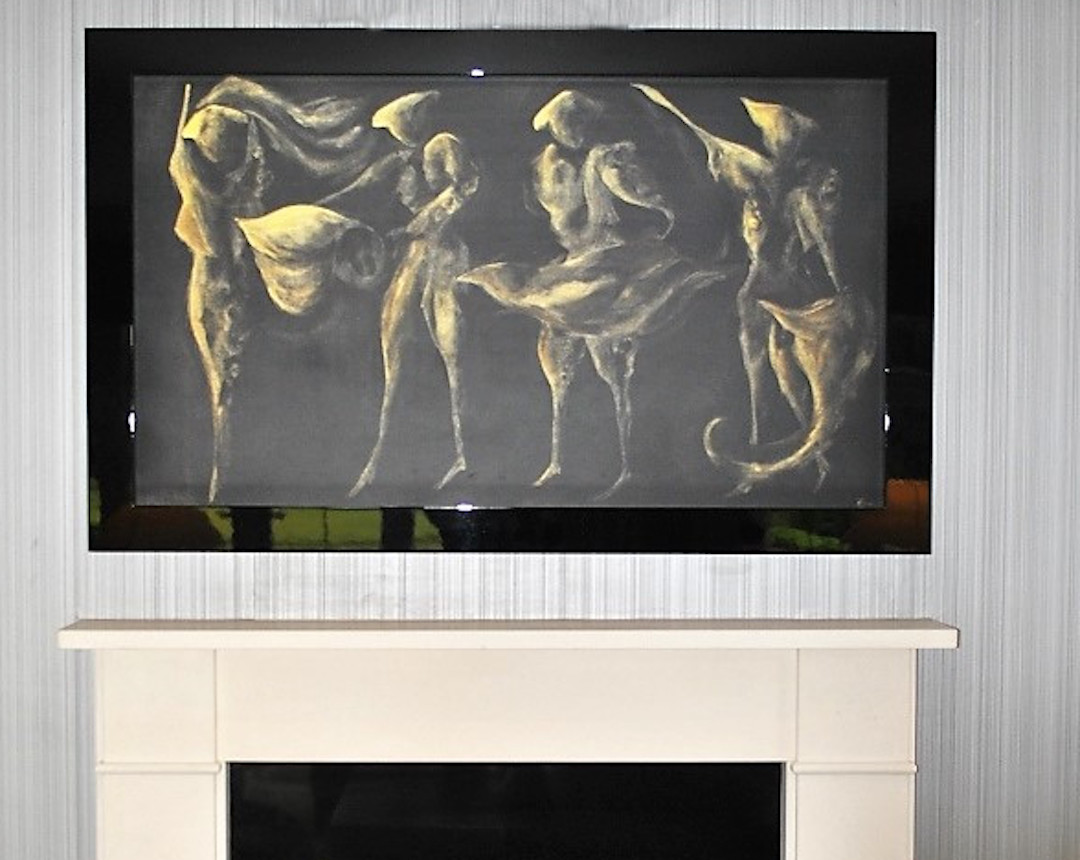
Luxury interiors increasingly favour technology that remains invisible until needed. Motorised artwork achieves exactly that by allowing paintings or sculptures to glide silently aside, revealing televisions, bars, safes or concealed passageways. Once closed, the technology vanishes completely, allowing art and architecture to remain the primary focus while maintaining clean, uncluttered interiors.
Also Read: Why Designers Are Turning To Earth Tones For Timeless Luxury
Automatic Flood Barriers
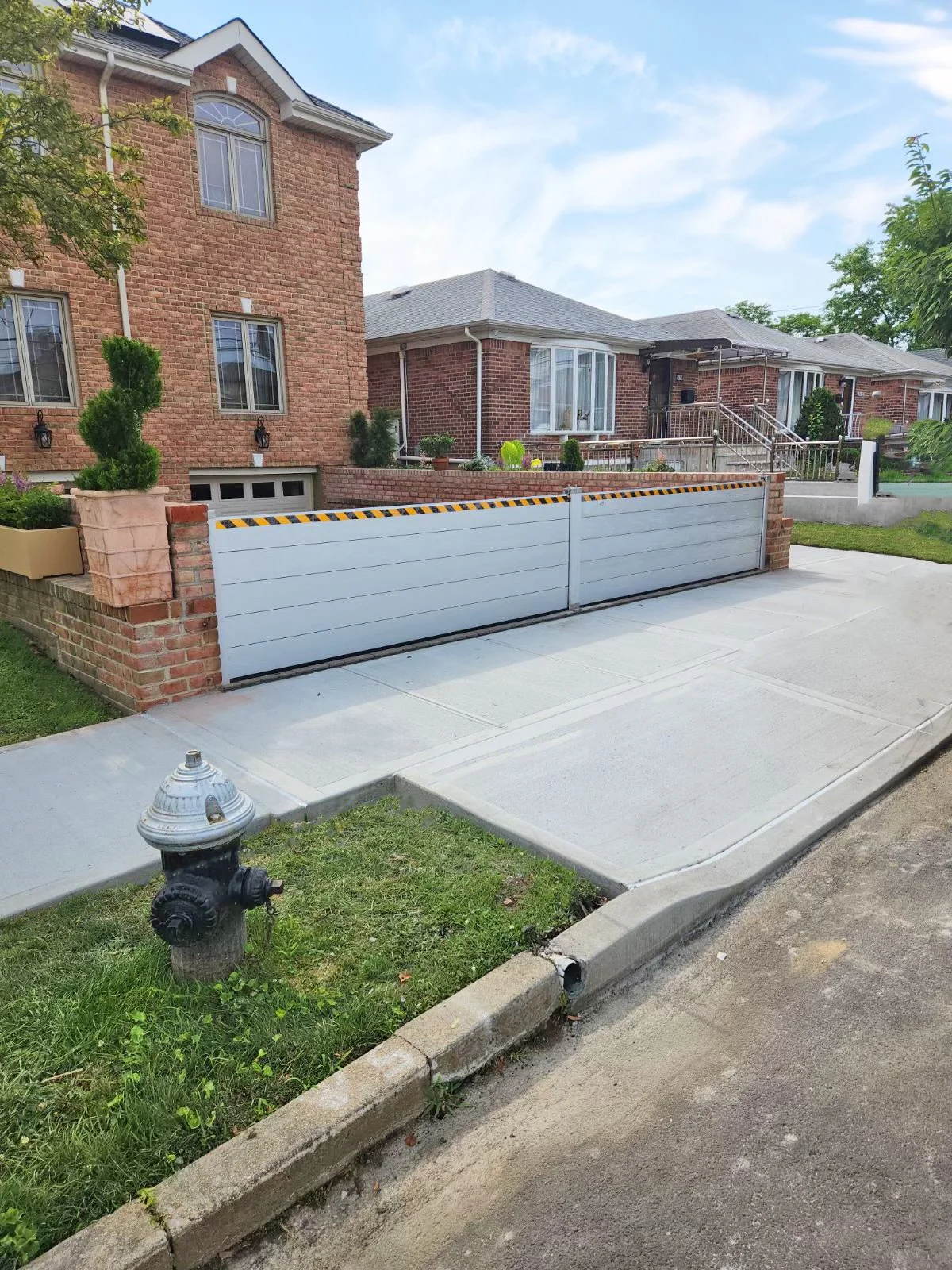
As waterfront estates and coastal mansions become increasingly vulnerable to extreme weather, resilience has become an essential component of luxury living. Automatic flood barriers continuously monitor water levels and deploy without human intervention whenever flooding is detected. These intelligent systems provide discreet protection for some of the world’s most valuable homes, combining advanced engineering with complete peace of mind.
Self Shading Glass
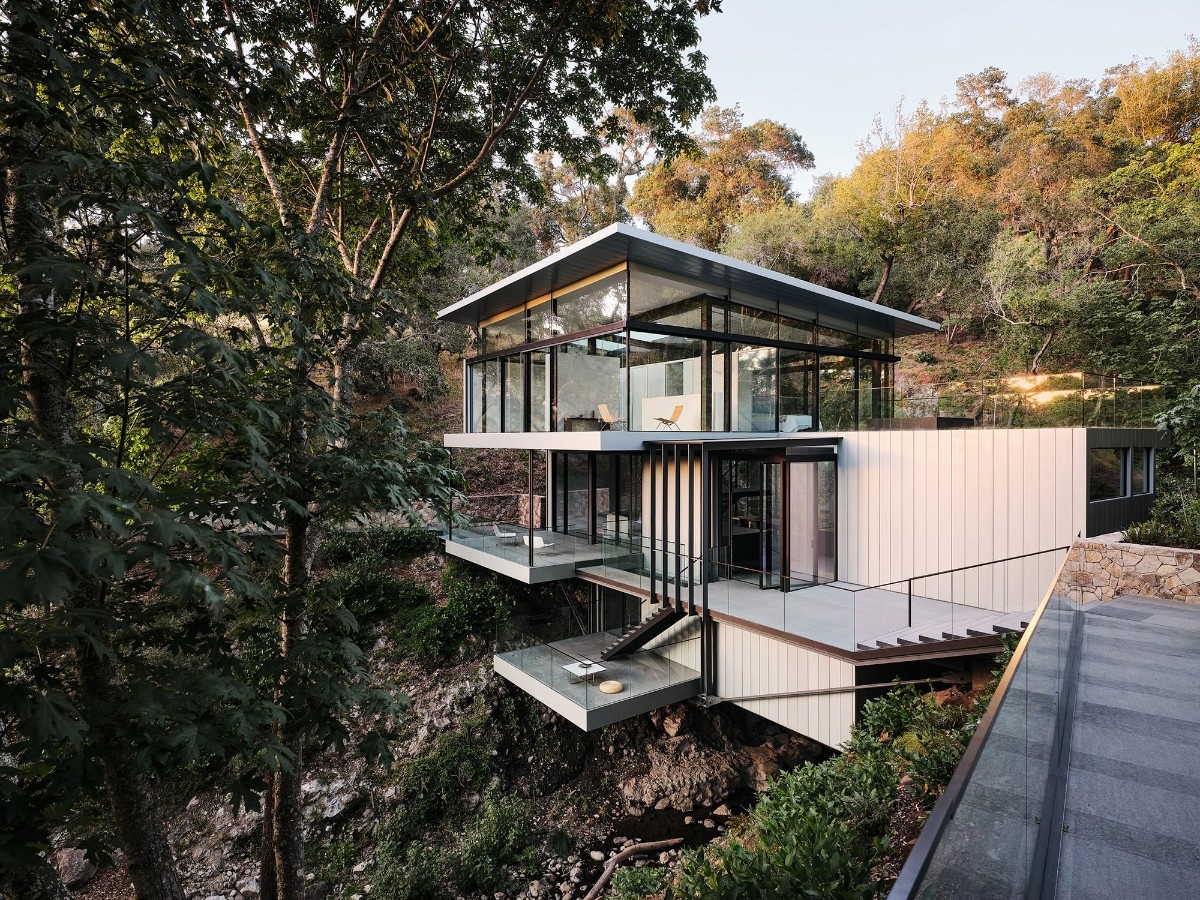
Floor to ceiling glazing has become synonymous with modern luxury architecture, but managing heat and glare presents significant challenges. Self shading or electrochromic glass automatically adjusts its tint according to sunlight intensity, reducing glare, maintaining comfortable indoor temperatures and lowering energy consumption without relying on curtains or blinds. The result is uninterrupted views combined with greater comfort and efficiency throughout the day.
Concealed TV Lifts
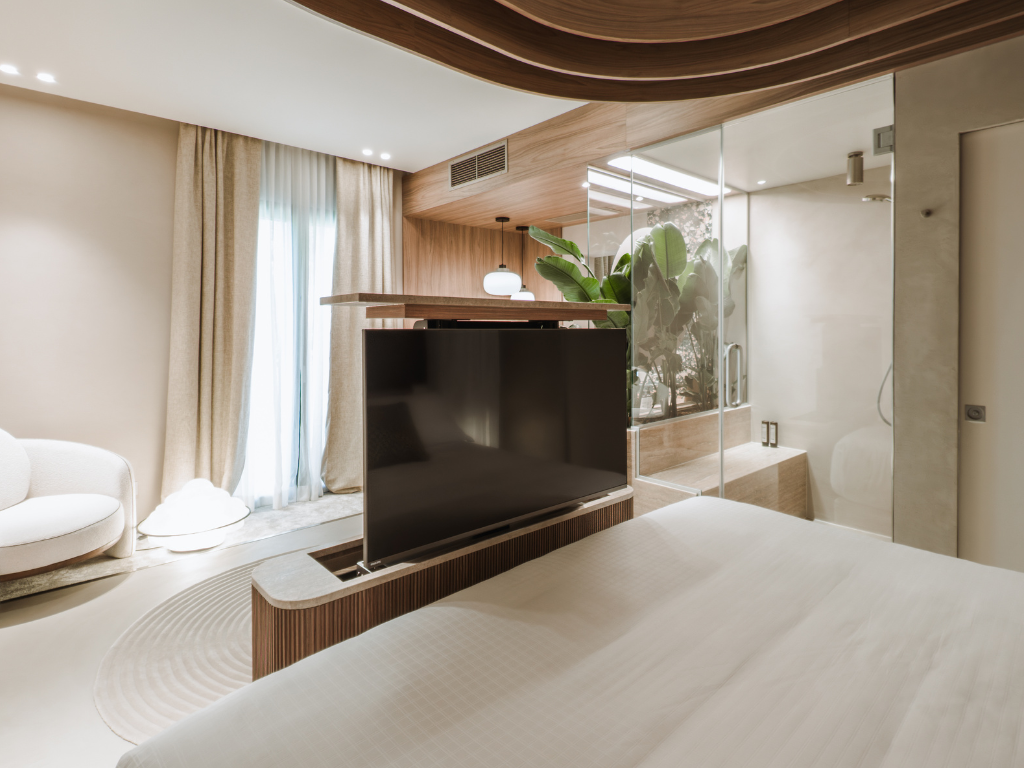
Not every room benefits from a permanently visible television. Concealed lift systems allow large displays to rise from cabinetry, ceilings or the foot of a bed only when required before disappearing entirely once switched off. This seamless integration allows living spaces to retain their architectural sophistication without sacrificing modern entertainment.
Staircase Sensors
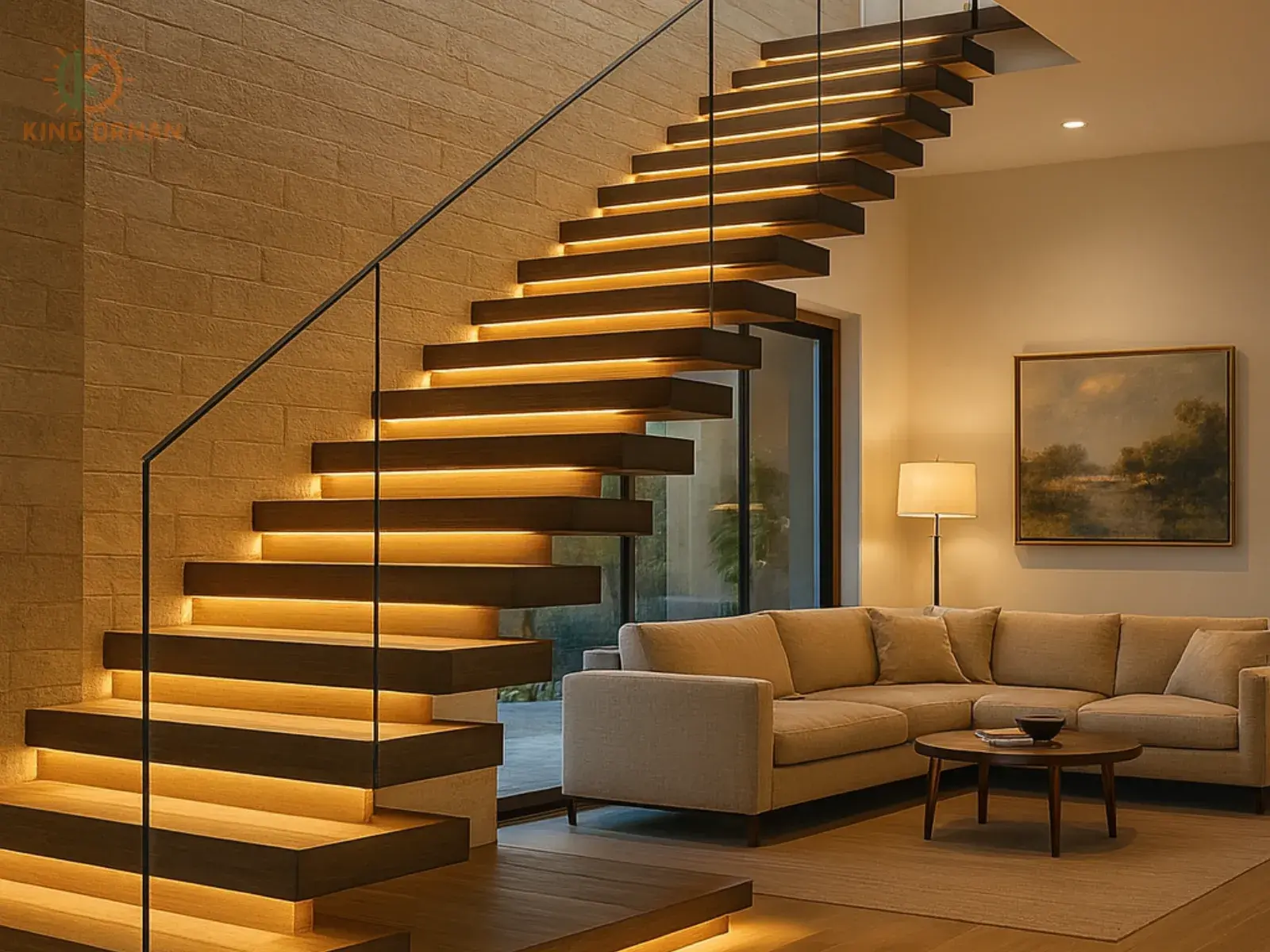
Even the staircase has become part of the smart home ecosystem. Motion sensors activate discreet lighting beneath individual steps as someone approaches, improving safety while creating a subtle visual spectacle after dark. More advanced systems adjust brightness according to ambient light levels and time of day, transforming a simple journey between floors into a carefully choreographed architectural experience.