Why EssilorLuxottica Could Be the Next Big AI Winner, According to Analysts
Analysts believe EssilorLuxottica’s partnership with Meta could position the luxury eyewear giant as a surprising AI winner, blending smart glasses, fashion, and artificial intelligence
When conversations around artificial intelligence turn to winners, the usual suspects dominate the narrative: chipmakers, cloud giants, and software firms. Yet analysts are increasingly pointing to an unexpected contender in the AI race — EssilorLuxottica, the world’s largest luxury eyewear group. Through its strategic partnership with Meta, the company behind Facebook, Instagram, and WhatsApp, EssilorLuxottica may be quietly positioning itself at the intersection of fashion, hardware, and artificial intelligence.
A Partnership That Goes Beyond Gadgets

EssilorLuxottica’s collaboration with Meta is not a short-term experiment in novelty tech. It represents a long-term bet on wearable AI becoming a part of everyday life. The partnership first drew global attention with the launch of Ray-Ban Meta smart glasses, a product that blends classic design with advanced digital capabilities. Unlike earlier smart glasses that prioritised technology over wearability, these frames were designed to look and feel like luxury eyewear first, with AI seamlessly embedded beneath the surface.
Why Analysts Are Paying Attention
Analysts argue that EssilorLuxottica’s greatest advantage lies in its scale and distribution. The group owns and licenses some of the most recognisable eyewear brands in the world, including Ray-Ban, Oakley, Persol, and Vogue Eyewear, while also controlling an unparalleled global retail network. This allows AI-enabled products to reach consumers through trusted fashion channels rather than niche tech outlets, dramatically accelerating adoption.
From an investment perspective, this positions EssilorLuxottica not just as a manufacturing partner, but as a gatekeeper to the future of wearable AI. By embedding intelligence into an object people already wear daily, the company bypasses one of the biggest barriers facing new technology: behaviour change.
The Role Of AI In Smart Eyewear
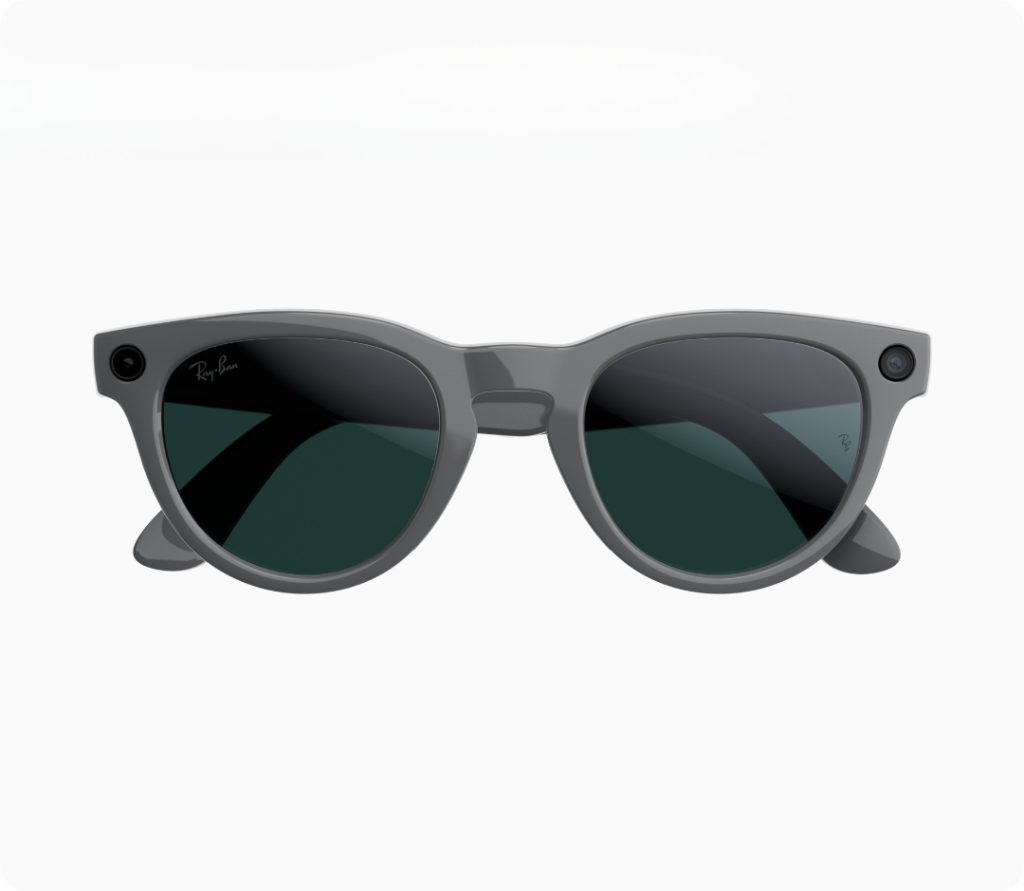
At the heart of this partnership is artificial intelligence that enhances, rather than distracts from, daily life. Ray-Ban Meta smart glasses feature AI-powered voice assistance, real-time content capture, and hands-free interaction. Users can take photos, record videos, stream audio, and access information without reaching for a phone. As Meta continues to advance its AI models, these glasses are expected to become more intuitive, context-aware, and responsive.
For EssilorLuxottica, this means eyewear evolves from a passive accessory into an intelligent interface. Analysts believe this shift could unlock entirely new revenue streams, from premium hardware upgrades to AI-driven services layered on top of the physical product.
Luxury Meets Technology
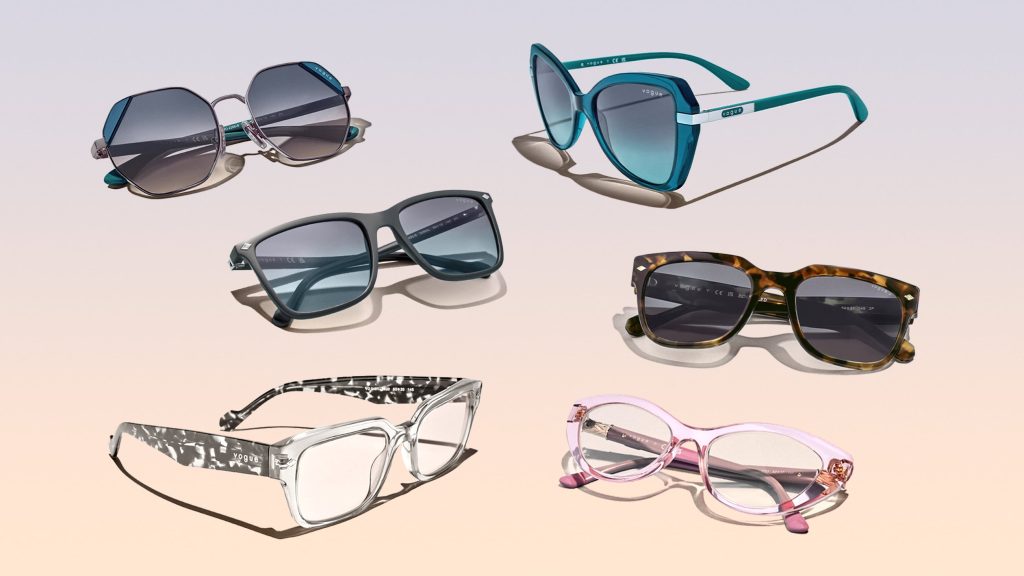
What sets EssilorLuxottica apart is its understanding of luxury. Technology companies have historically struggled to integrate AI into fashion without compromising aesthetics. EssilorLuxottica, however, operates at the highest level of design, craftsmanship, and brand storytelling. The Meta partnership allows AI to remain invisible, integrated into frames that consumers already associate with style and status.
This fusion of luxury and intelligence could redefine what wearable technology looks like over the next decade. Rather than futuristic designs that scream “tech,” AI eyewear may become indistinguishable from traditional luxury frames.
Why EssilorLuxottica Could Be An AI Winner

Analysts suggest that EssilorLuxottica’s role in the AI ecosystem is structurally different from that of pure technology firms. Instead of competing on algorithms alone, the company controls the physical interface through which AI meets the human body. Eyewear sits at a unique vantage point — close to the eyes, ears, and voice — making it an ideal platform for ambient computing.
As AI becomes more conversational and less screen-dependent, smart glasses could emerge as one of the most natural ways to interact with digital systems. EssilorLuxottica’s early move with Meta places it ahead of competitors still experimenting with form and function.
Looking Ahead
The partnership between EssilorLuxottica and Meta signals a future where AI is worn, not carried. Analysts believe that if smart eyewear reaches mass adoption, EssilorLuxottica could transition from being seen purely as a luxury eyewear giant to a central player in the AI revolution. In a market crowded with software narratives, the next AI winner may well be hiding in plain sight — behind a pair of designer frames.