Ashoka Cut Diamonds Explained: Why Horology’s Finest Timepieces Use Them
A guide to Ashoka-cut diamonds, their precise cutting process, extraordinary rarity, and how they have become one of the most coveted gemstone choices in high-end watchmaking
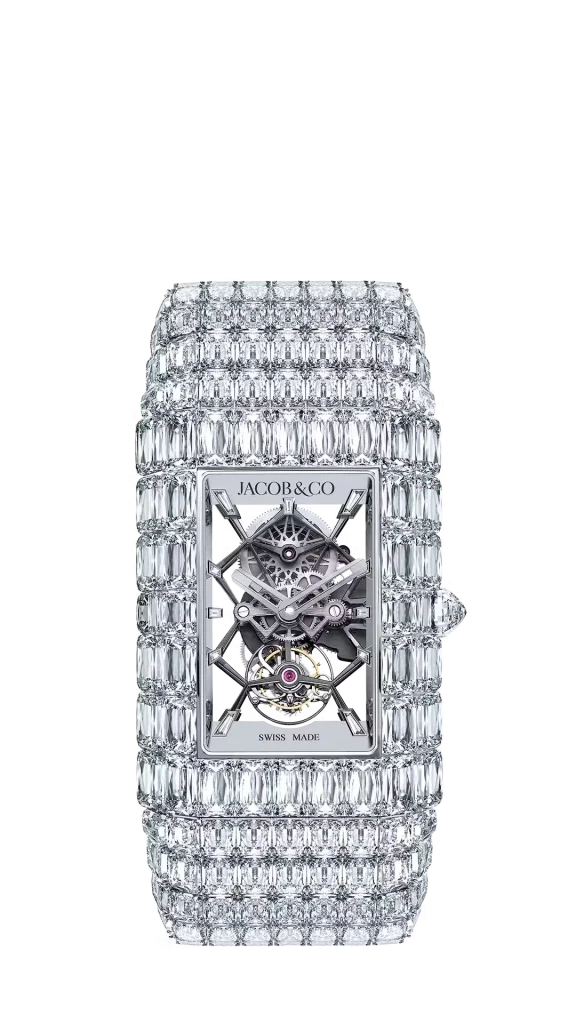
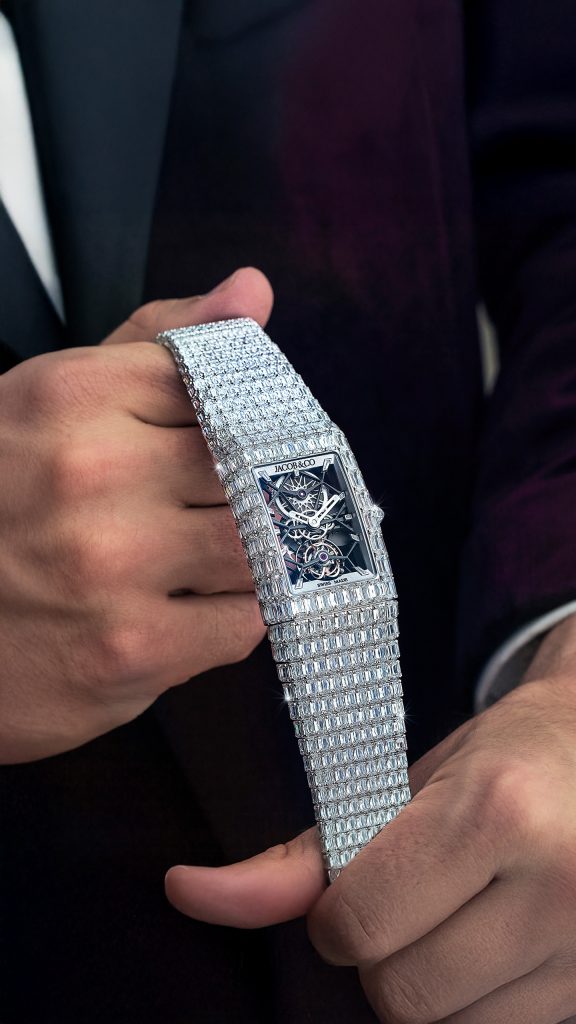
Most diamonds spend their lives trying desperately to sparkle. Round brilliants bounce light around like disco balls. Emerald cuts stand elegantly in the corner looking sophisticated. Cushion cuts lean heavily into vintage romance. Then there’s the Ashoka cut, which seems utterly uninterested in fitting into any of those categories. It is elongated, incredibly rare, painstakingly difficult to create, and possesses a brilliance that feels almost accidental as though the stone simply woke up one morning and decided to outperform everyone else. In the world of luxury watchmaking, where innovation is measured in fractions of millimetres and exclusivity is the ultimate currency, the Ashoka cut has quietly become one of the most fascinating diamonds money can buy. Few pieces demonstrate this better than Jacob & Co.’s Billionaire Mini Ashoka, a watch that combines extraordinary gem-setting with one of the most distinctive diamond cuts ever developed. But before understanding why watchmakers adore it, it’s worth understanding why the Ashoka cut occupies such a unique place in the diamond world itself.
What Exactly Is An Ashoka-Cut Diamond?
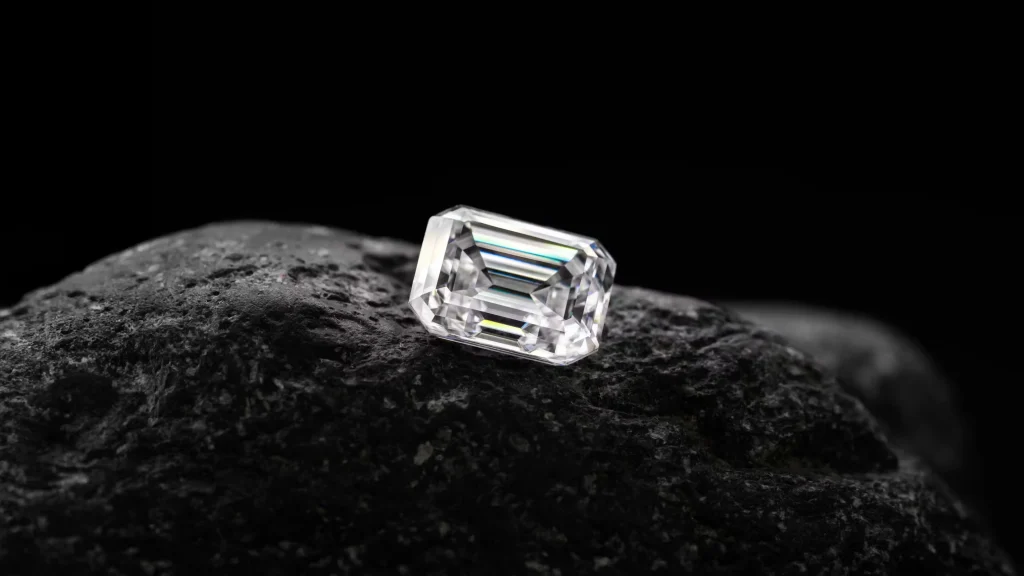
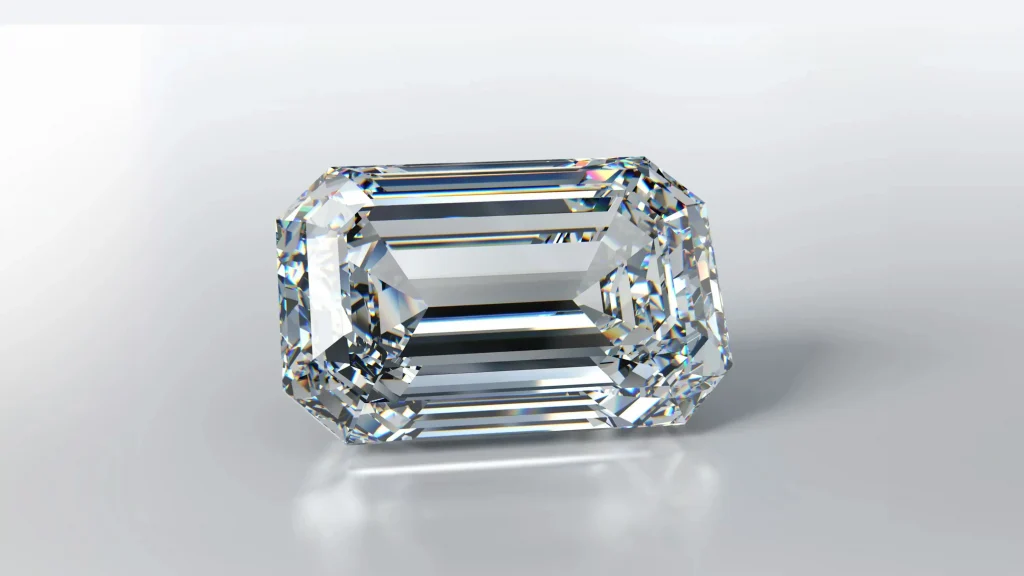
The Ashoka cut was developed by renowned diamond house William Goldberg and takes inspiration from a historic diamond associated with Emperor Ashoka. Derived from the classic emerald cut, it transforms a traditionally understated shape into something considerably more dynamic. Characterised by its elongated rectangular silhouette, softly rounded corners, and additional facets, the Ashoka cut delivers significantly more brilliance than a standard emerald cut while retaining its elegant architectural appearance. The result is a stone that combines clarity, size perception, and sparkle in a way that few other cuts can match. It is instantly recognisable to gem connoisseurs yet remains relatively unknown outside elite collecting circles, which only adds to its appeal.
How Ashoka Diamonds Are Cut With Extraordinary Precision
Creating an Ashoka diamond is not merely cutting a gemstone, it is an exercise in obsession. The process begins with selecting exceptionally high-quality rough diamonds, as the elongated shape and open facet structure leave little room for imperfections to hide. Master cutters carefully analyse the crystal, mapping out every angle before a single cut is made. Unlike conventional shapes, the Ashoka requires a highly specific facet arrangement designed to maximise both brilliance and clarity. Each facet must be positioned with extraordinary accuracy to maintain symmetry and ensure optimal light performance. Even the slightest deviation can affect the diamond’s visual balance. The process often sacrifices a greater percentage of rough material than other cuts, making production expensive and limiting availability.
Also Read: Pave Diamond Setting in Watches: Meaning, Craftsmanship And Value
Why Ashoka Diamonds Are So Rare
Rarity is perhaps the Ashoka cut’s greatest luxury. Not every rough diamond is suitable for the shape, meaning only a small percentage of stones qualify before the cutting process even begins. From there, the demanding faceting requirements and significant material loss further reduce the number of finished diamonds that reach the market. Add the fact that only a handful of highly skilled cutters possess the expertise required to execute the cut perfectly, and the result is a gemstone that exists in remarkably limited numbers. For collectors, this scarcity is precisely what makes the Ashoka so desirable. It is not simply a diamond; it is a diamond that few others can own.
Ashoka Versus Emerald Cut The Important Difference
At first glance, the Ashoka can appear similar to an emerald cut, but the similarities largely end there. Emerald cuts are celebrated for their clean lines, understated elegance, and hall-of-mirrors effect created by long step facets. The Ashoka retains this sophisticated framework while introducing additional facets that dramatically increase sparkle and visual movement. Where an emerald cut offers restraint, the Ashoka offers theatre. It delivers the same elongated sophistication while producing far more scintillation, allowing it to bridge the gap between classic refinement and contemporary brilliance.
Why Luxury Watchmakers Have Fallen For The Ashoka Cut
The relationship between diamonds and horology has always been delicate. Too many stones and a watch risks becoming jewellery with a movement attached. Too few and the gem-setting can feel secondary. The Ashoka cut offers an elegant solution. Its elongated shape integrates naturally into bezels, bracelets, tonneau cases, and architectural watch designs. Because each stone appears visually larger than many traditional cuts of comparable weight, watchmakers can achieve dramatic impact with fewer diamonds. The shape also creates cleaner visual lines, allowing gemstones to become part of the watch’s structure rather than mere decoration. This makes the Ashoka particularly appealing for brands operating at the highest levels of watchmaking and jewellery craftsmanship.
Why The Ashoka Cut Has A Future In High Horology
As collectors increasingly seek watches that offer more than mechanical complexity alone, the Ashoka cut feels perfectly positioned for the future. It delivers rarity, craftsmanship, visual distinction, and an instantly recognisable identity—all qualities that resonate with today’s luxury buyer. In a market crowded with round brilliants, baguettes, and conventional gemstone settings, the Ashoka remains refreshingly different. It is a cut that demands patience, expertise, and exceptional material to create. And perhaps that is why it has become so desirable. In a world where luxury often claims to be rare, the Ashoka cut genuinely is.