How Luxury Watch Bracelets Became Engineering Masterpieces: Design, Comfort And Innovation
Once little more than practical straps for securing a watch to the wrist, modern bracelets have evolved into some of the most sophisticated components in horology, combining aerospace-level engineering, ergonomic comfort and timeless design in ways most collectors never fully appreciate
There was a time when watch enthusiasts obsessed over movements, complications and dials while treating bracelets as little more than metal accessories. Which is rather like admiring a Formula One car’s engine while completely ignoring the tyres. Yet today, some of the greatest engineering achievements in watchmaking aren’t hidden beneath sapphire casebacks. They’re wrapped around your wrist. And if you’re wondering why collectors spend hours debating bracelet designs with the intensity of political arguments, the answer, much like Bob Dylan once suggested, is blowing in the wind. Because a truly exceptional bracelet can transform a good watch into a great one and a great watch into an icon. What was once a simple fastening device has become a masterpiece of design, comfort and engineering.
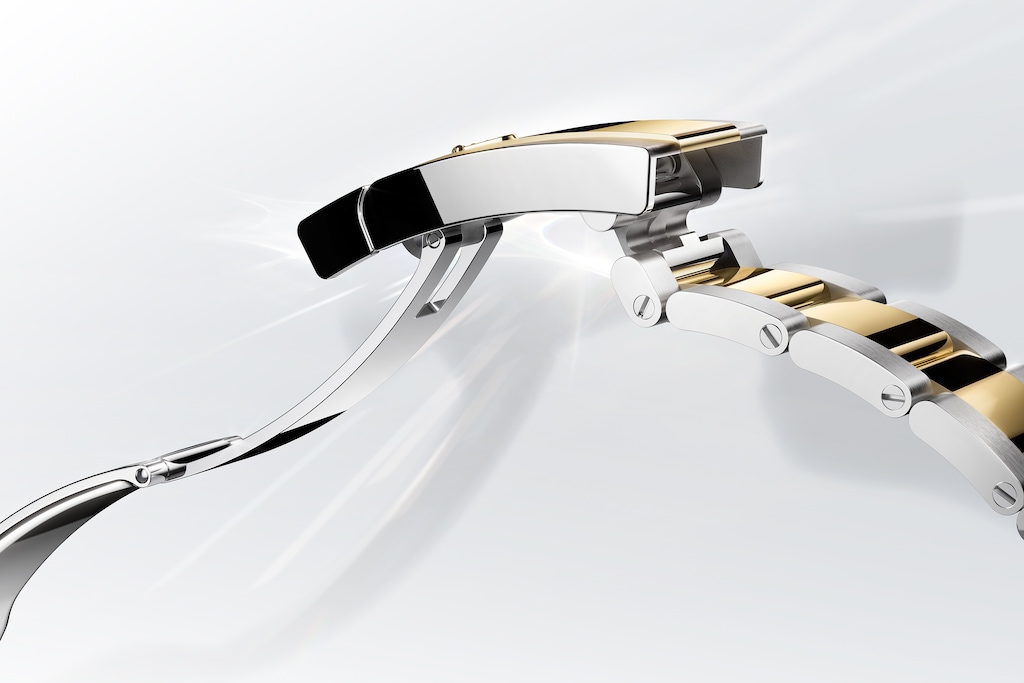
From Functional Necessity To Luxury Statement
Early wristwatches were typically paired with leather straps because they were practical, inexpensive and easy to replace. Metal bracelets existed, but they were often crude, rattly and about as comfortable as wearing a miniature bicycle chain around your wrist.
Everything changed during the middle of the twentieth century when luxury watchmakers began viewing bracelets as an extension of the watch rather than an accessory. Suddenly, every link, clasp and articulation point became an opportunity for innovation. Brands realised that comfort mattered just as much as aesthetics. A watch could have the finest movement in the world, but if it felt like a medieval torture device after an hour, nobody would wear it.
The Science Of Comfort
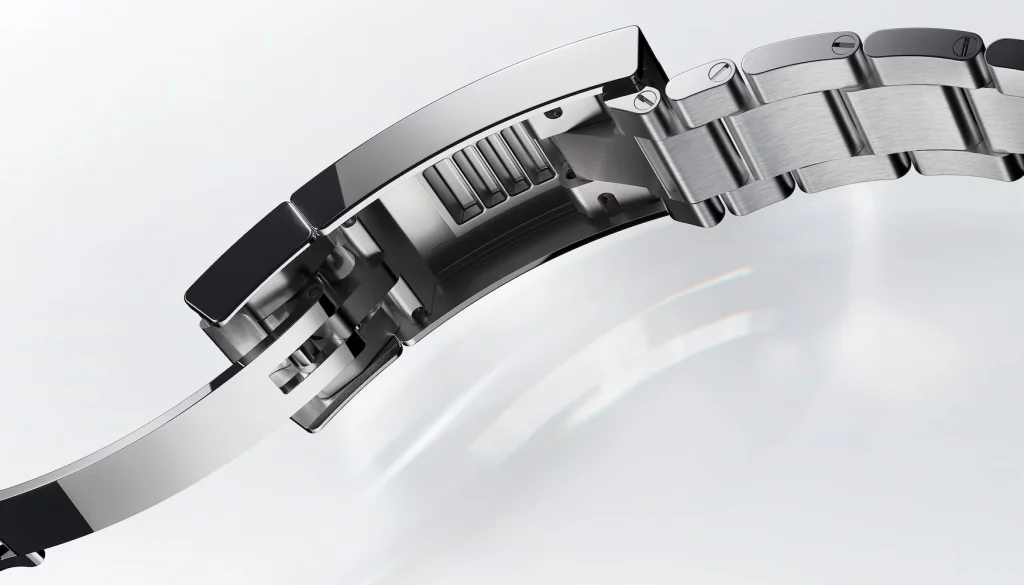
Designing a luxury bracelet today involves an extraordinary amount of engineering. Modern bracelets are developed using advanced computer modelling to ensure perfect weight distribution, optimal flexibility and seamless articulation. The best examples drape around the wrist almost like fabric, despite being constructed from steel, titanium or precious metals.
Micro-adjustment systems now allow wearers to alter bracelet length instantly without tools. Hidden extension mechanisms compensate for wrist expansion during warm weather. Precision-machined links reduce friction while improving durability. In short, today’s bracelet is no longer jewellery attached to a watch. It is an engineered system.
Also Read: Watches And Wonders 2026: The Rise of Integrated Bracelet In Timepieces
Materials Have Changed The Game
Innovation has also arrived through materials. Traditional stainless steel remains the benchmark because of its durability and versatility. However, modern manufacturers increasingly employ titanium for reduced weight, ceramic for scratch resistance and even advanced composites inspired by aerospace engineering.
Some bracelets undergo elaborate finishing processes involving brushing, polishing, beveling, and satin treatments. The result is a surface that captures light beautifully while remaining comfortable enough for daily wear. What appears simple at first glance is often the result of hundreds of manufacturing operations.
Why Integrated Bracelets Changed Everything
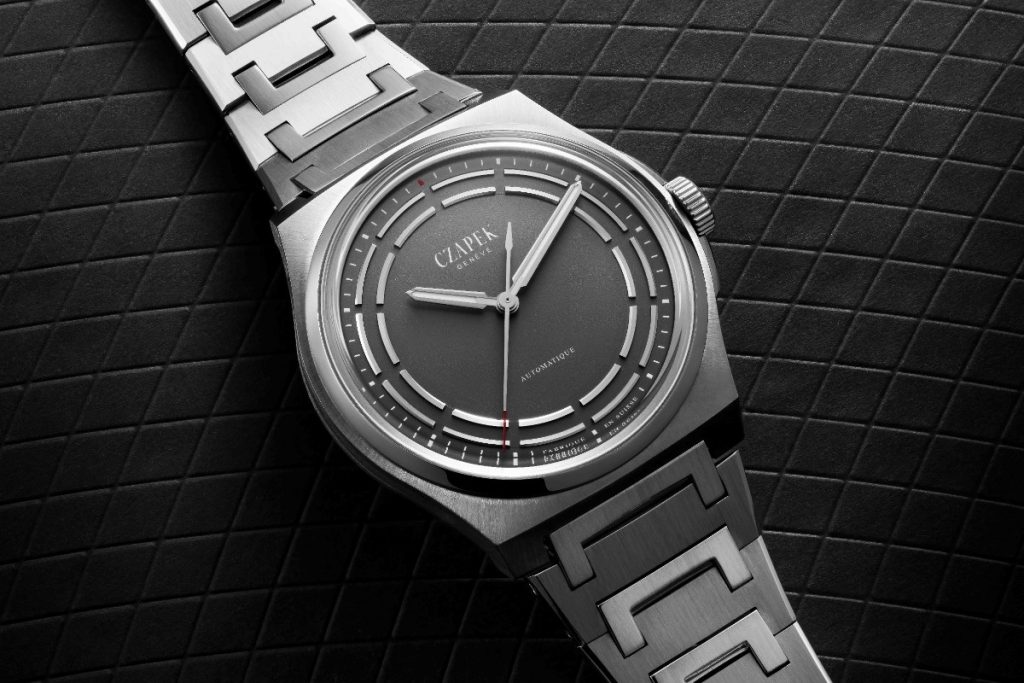
Few developments have influenced modern watch design more than the integrated bracelet. Rather than attaching to the case through traditional lugs, integrated bracelets flow directly into the watch itself, creating a seamless architectural appearance. This approach demands far greater design precision because the bracelet becomes an inseparable part of the watch’s identity. The result is a level of visual harmony that has helped define some of the most celebrated luxury sports watches ever created.
Top 5 Watch Bracelet Types Every Collector Should Know
Oyster Bracelet
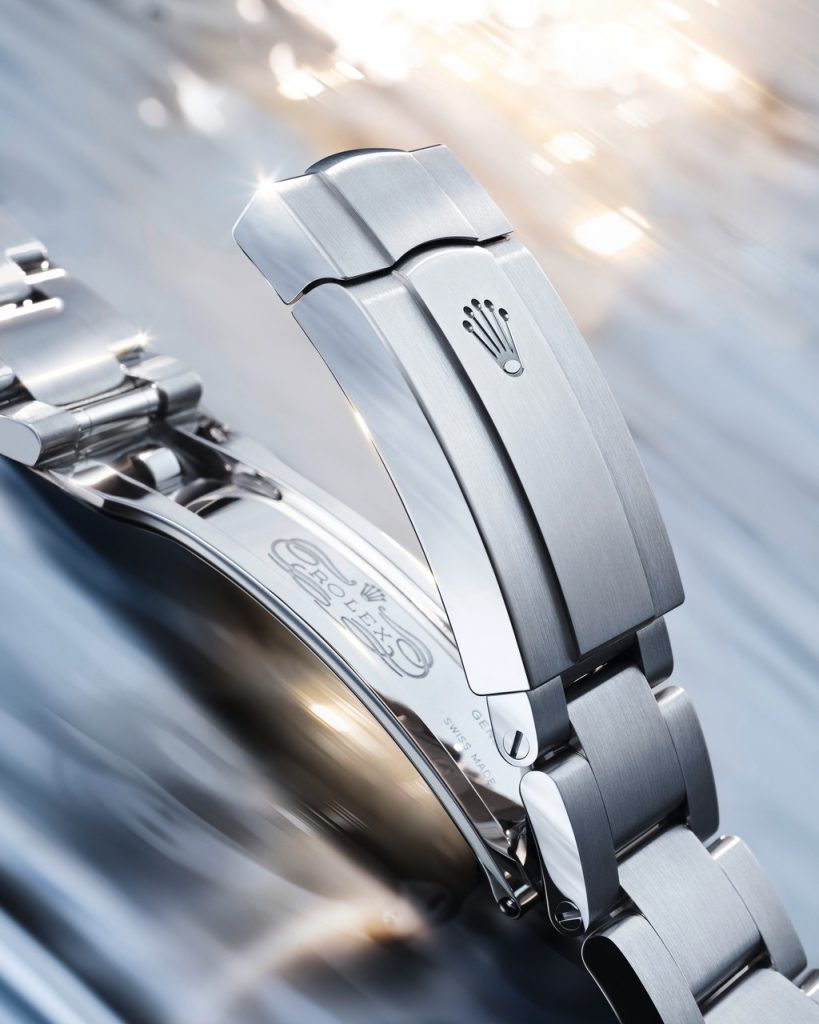
Arguably the most famous bracelet ever created, the Oyster bracelet combines robustness, comfort and versatility. Its three-link construction has become the benchmark for sports watches, offering durability without sacrificing elegance.
Jubilee Bracelet
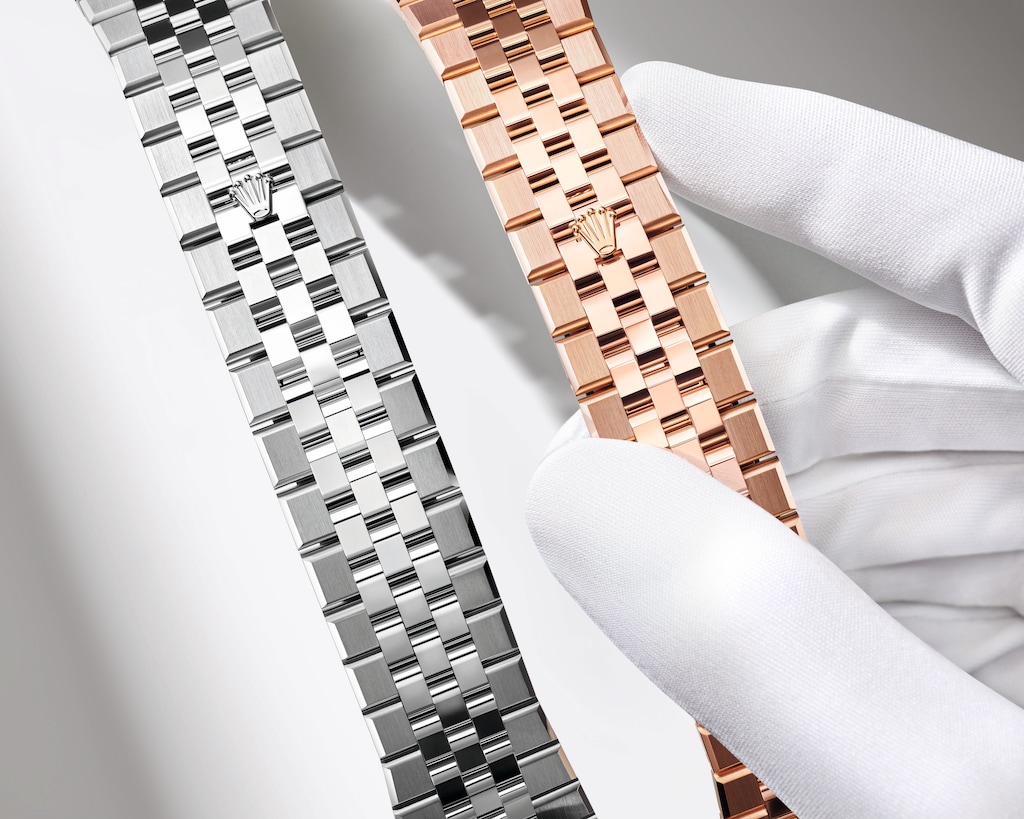
Introduced as a dressier alternative, the five-link Jubilee bracelet provides exceptional flexibility and comfort. Its intricate construction catches light beautifully and remains a favourite among collectors seeking a refined look.
Integrated Bracelet
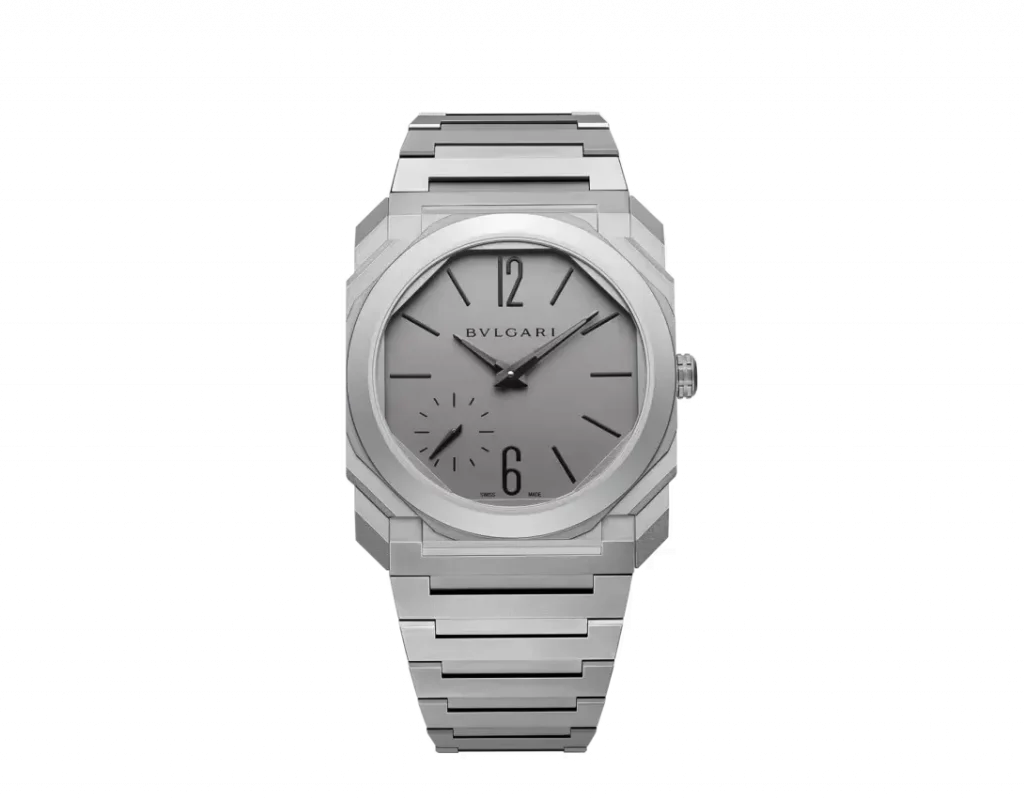
Made famous during the luxury sports watch revolution of the 1970s, integrated bracelets blend directly into the case design. Their seamless appearance has become one of the defining signatures of modern luxury watchmaking.
Milanese Mesh Bracelet
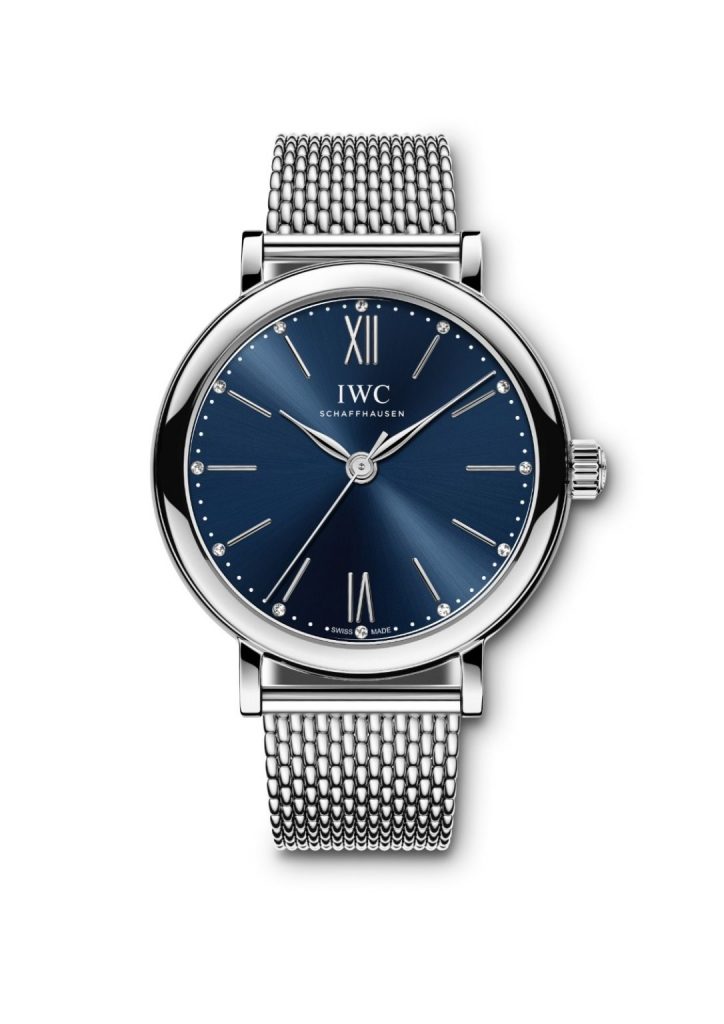
Inspired by traditional Italian metalworking techniques, the Milanese bracelet uses finely woven steel mesh to create extraordinary comfort and a distinctive vintage character. It feels almost like fabric while maintaining the durability of metal.
President Bracelet
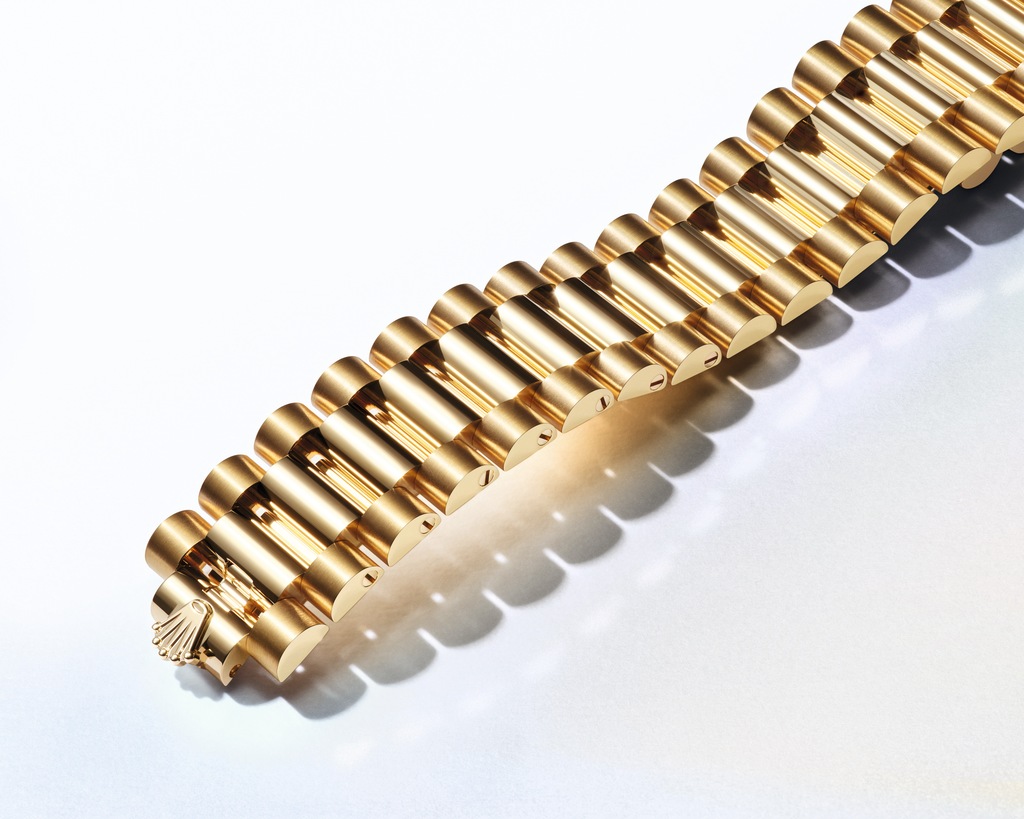
Recognisable by its semi-circular three-piece links, the President bracelet represents luxury in its purest form. Combining comfort with unmistakable prestige, it remains one of the most elegant bracelet designs ever produced.