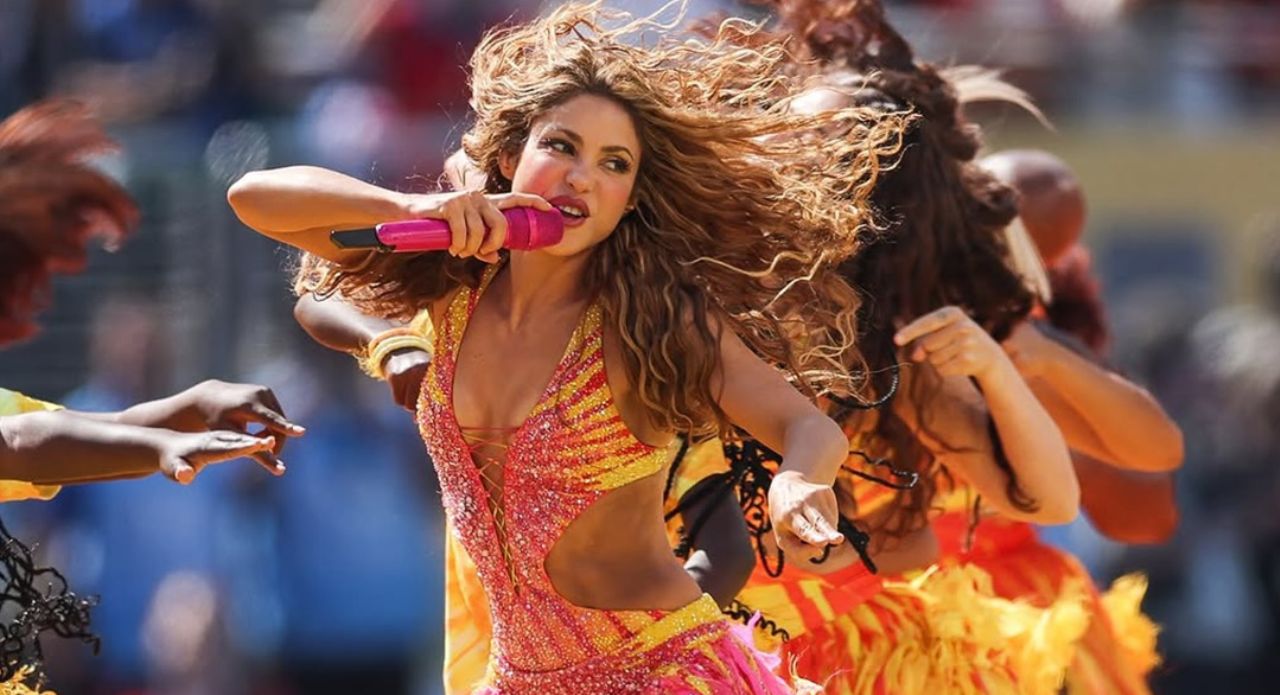


The FIFA World Cup has never shied away from theatrics, but the 2026 final marked a historic first. FIFA’s inaugural halftime show delivered a stadium-sized celebration of music, celebrity and fashion, reaffirming why the tournament remains one of the grandest spectacles in the world.
Argentina and Spain arrived at New York New Jersey Stadium carrying the weight of expectation. One side was chasing another chapter in its glorious football history, while the other stood on the brink of reclaiming the sport’s biggest prize. Ninety minutes of high-stakes football unfolded before a packed crowd and millions more watching around the world.
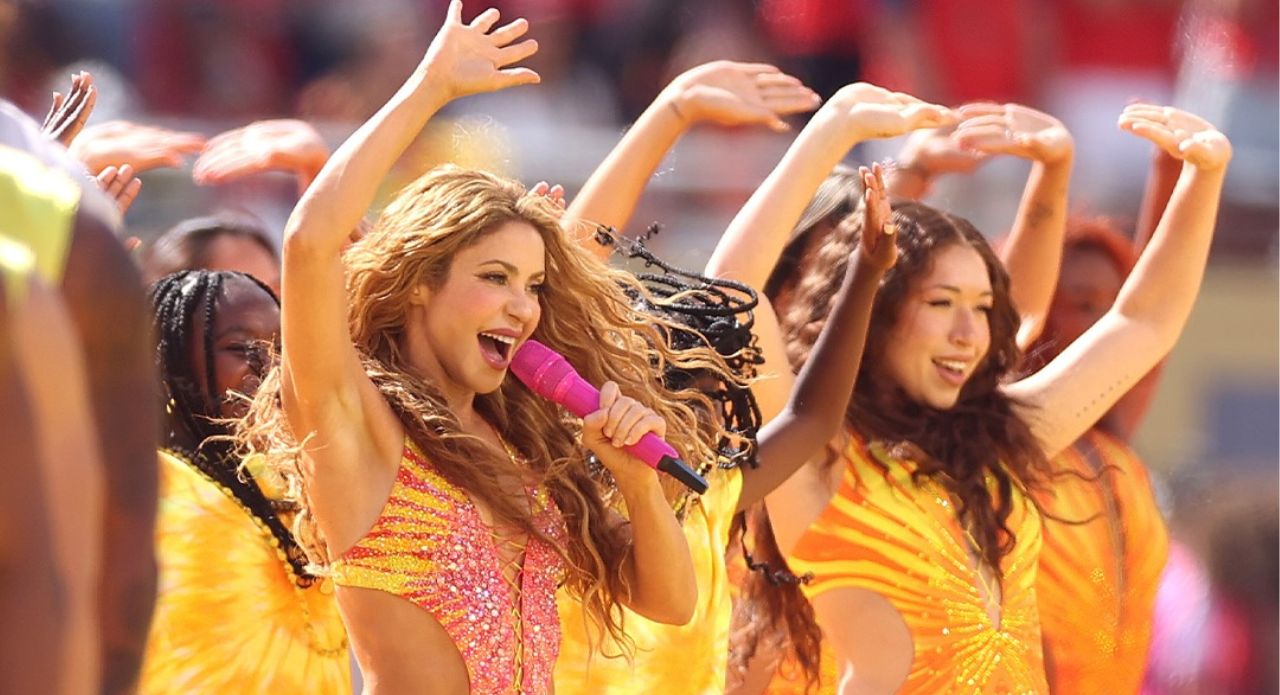
Halfway through the contest, football briefly gave way to spectacle. Shakira shimmered in custom Roberto Cavalli. Justin Bieber brought his SKYLRK aesthetic to the stage. Post Malone embraced his signature Americana style, while Tom Cruise brought his signature movie-star presence to the field. By the end of the evening, conversations had extended well beyond the scoreline.
The FIFA World Cup 2026 final may have crowned a champion, but it also reinforced something else entirely: football’s biggest stage has become an increasingly influential platform for fashion.
Fashion Found Its Pitch
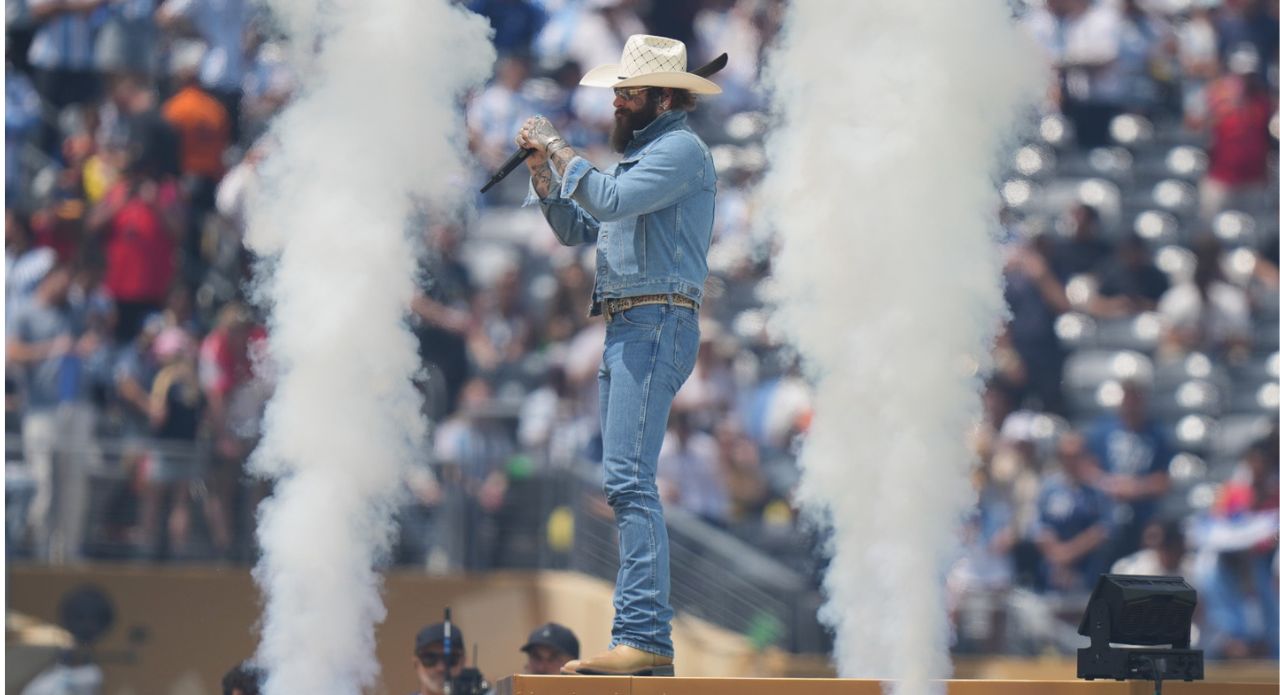
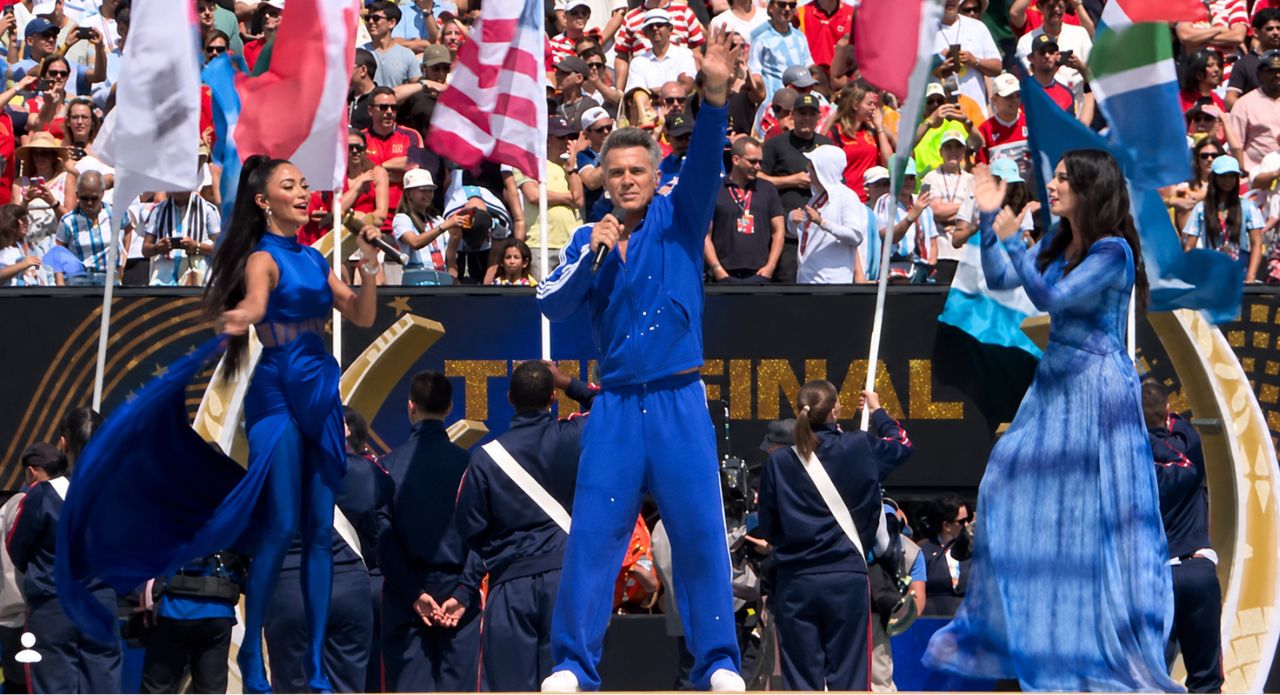
Post Malone opened proceedings in a denim-on-denim ensemble that reflected his unmistakable Americana aesthetic. Robbie Williams, Laura Pausini and Nicole Scherzinger followed with ‘Desire’, FIFA’s official anthem, dressed in coordinated performance looks designed for a stadium audience.
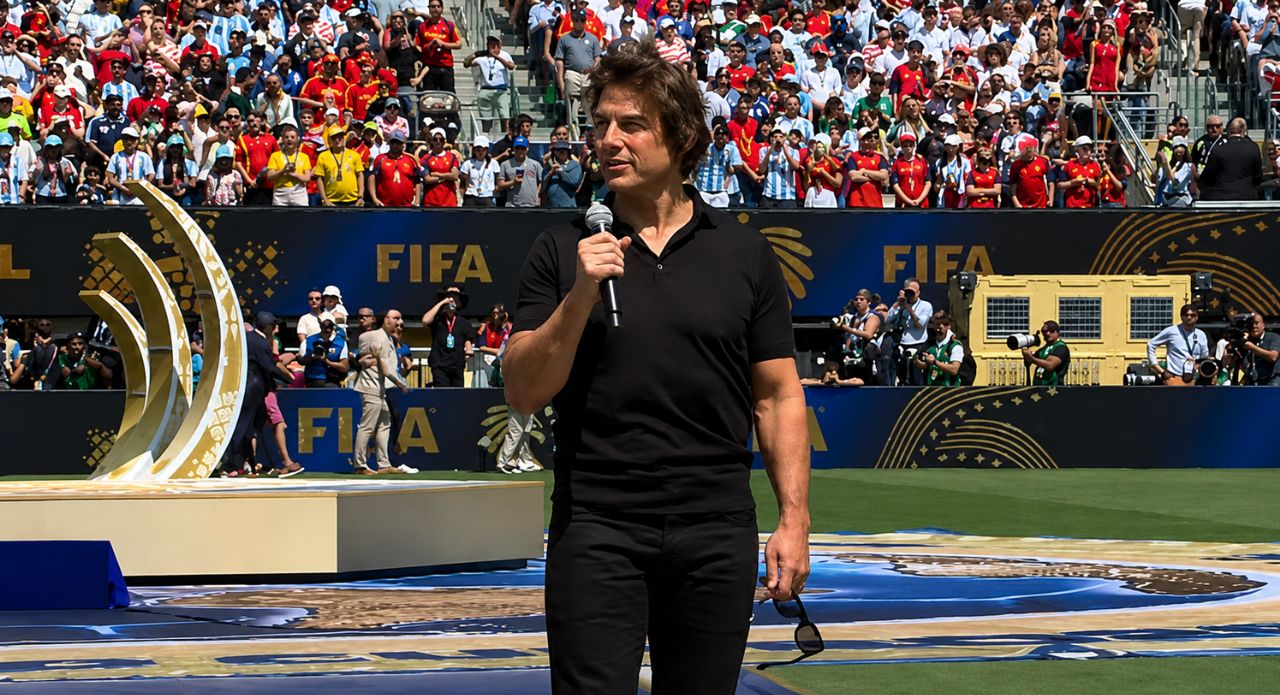
Tom Cruise’s surprise appearance brought a touch of old Hollywood charm to the evening. Dressed in his signature all-black ensemble, featuring a fitted crew-neck top paired with black trousers, the actor addressed the crowd with a message about greatness, legacy and moments that transcend borders. Minutes later, he was delivering an impassioned speech on unity, proving that sometimes a familiar uniform is all a global icon needs.
Attention quickly shifted to the halftime show, where fashion took centre stage. Shakira returned to the World Cup in a custom Roberto Cavalli creation designed by Fausto Puglisi. Rendered in sunset hues and embellished with more than 200,000 Swarovski crystals, the look captured the movement and energy that have long defined her performances. It was a reminder that few artists understand the visual power of a global stage quite like Shakira.
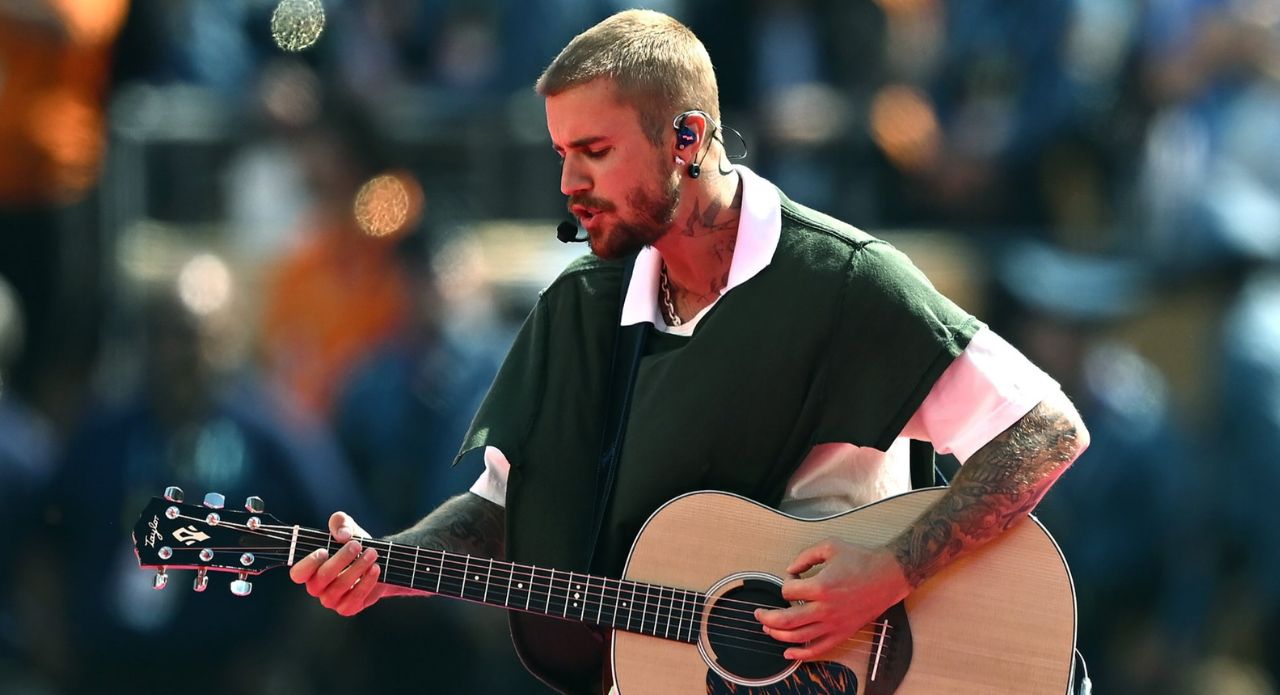
Justin Bieber opted for a more understated approach, wearing head-to-toe SKYLRK. His custom look featured a deconstructed green shirt layered over a cropped white polo, paired with baggy denim shorts, ribbed white socks and the label’s new beige “Matter Daddy” sneakers. The relaxed silhouette stood in sharp contrast to the evening’s crystal embellishments, reinforcing Bieber’s long-standing preference for comfort-led dressing and personality-driven style.
Stadium Style Goes Global
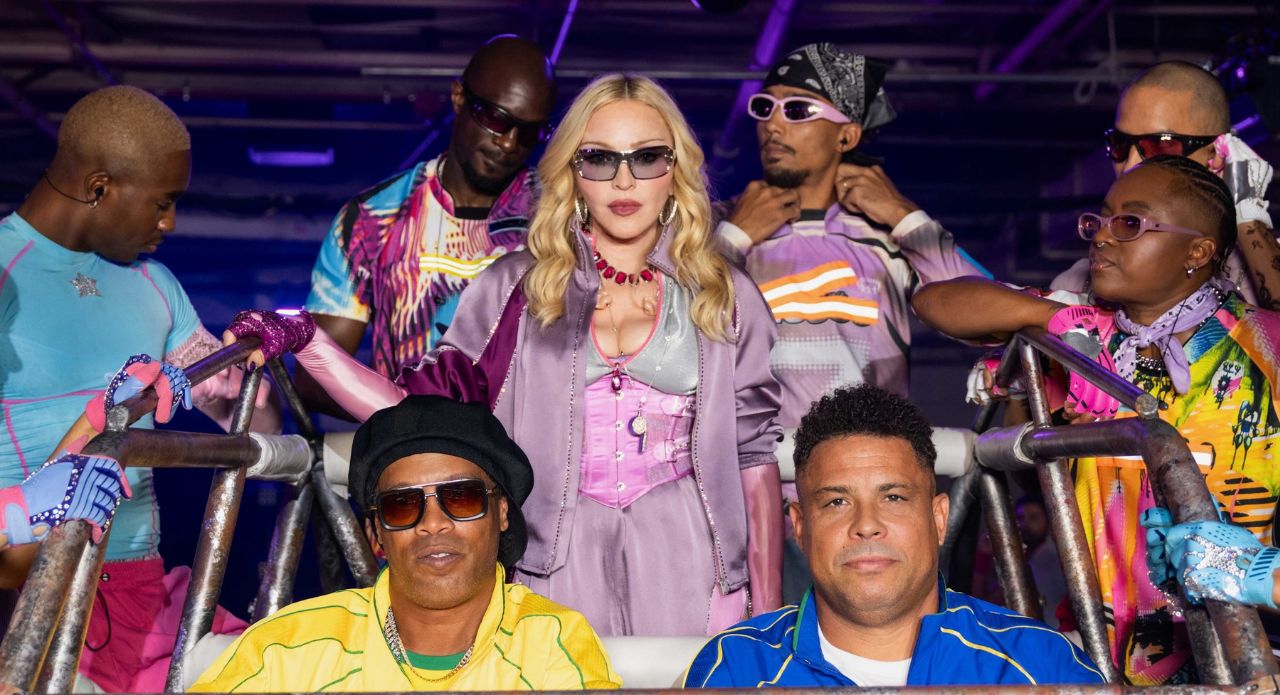
The lineup extended well beyond music. Madonna brought her trademark theatricality to the stage, while BTS embraced coordinated performance dressing that balanced contemporary tailoring with ease of movement. Together, the evening’s performers represented a wide spectrum of personal style, each contributing to a ceremony watched across continents.
Sport and luxury have steadily moved closer over the past decade. Tennis has Wimbledon whites, Formula 1 has the paddock and basketball has tunnel fashion. The FIFA World Cup now comfortably belongs in that conversation.
Also Read: How Football Is Influencing Luxury Fashion Trends
Fashion houses understand the value of visibility on a stage of this scale. A single appearance can generate headlines, trend across social media and reach audiences far beyond the traditional fashion calendar. Stadiums have become cultural spaces where entertainment, celebrity and style intersect.
By the time the final whistle blew and the trophy was lifted, social media had already crowned its fashion favourites. Audiences weren’t just taking home memories of match-winning moments this time; they were leaving with a catalogue of iconic fashion moments, too.