Inside the Incredible Engineering Of Grand Complication Watches
Where precision meets imagination, grand complication watches represent the highest achievement of mechanical watchmaking, combining centuries of innovation into movements smaller than a palm
A mechanical watch already represents a remarkable achievement. A collection of tiny wheels, springs and levers working together to measure the passing of time without a battery or digital system is a feat of engineering in itself. But then there are watches that take this challenge to another level. Grand complication timepieces are not simply watches; they are miniature mechanical worlds where hundreds of components perform a carefully choreographed dance beneath the dial.
These extraordinary creations combine multiple complications into a single movement, often requiring years of research, thousands of hours of hand finishing and the expertise of some of the world’s finest watchmakers. A grand complication may include a perpetual calendar that understands the changing length of months, a minute repeater that transforms time into sound, a tourbillon that fights gravity and a chronograph capable of measuring fractions of a second. Unlike many modern machines designed to become faster and more efficient, grand complication watches celebrate complexity itself. They are built not because the world demands them, but because watchmakers want to discover how far mechanical creativity can go.
The Architecture Of A Grand Complication
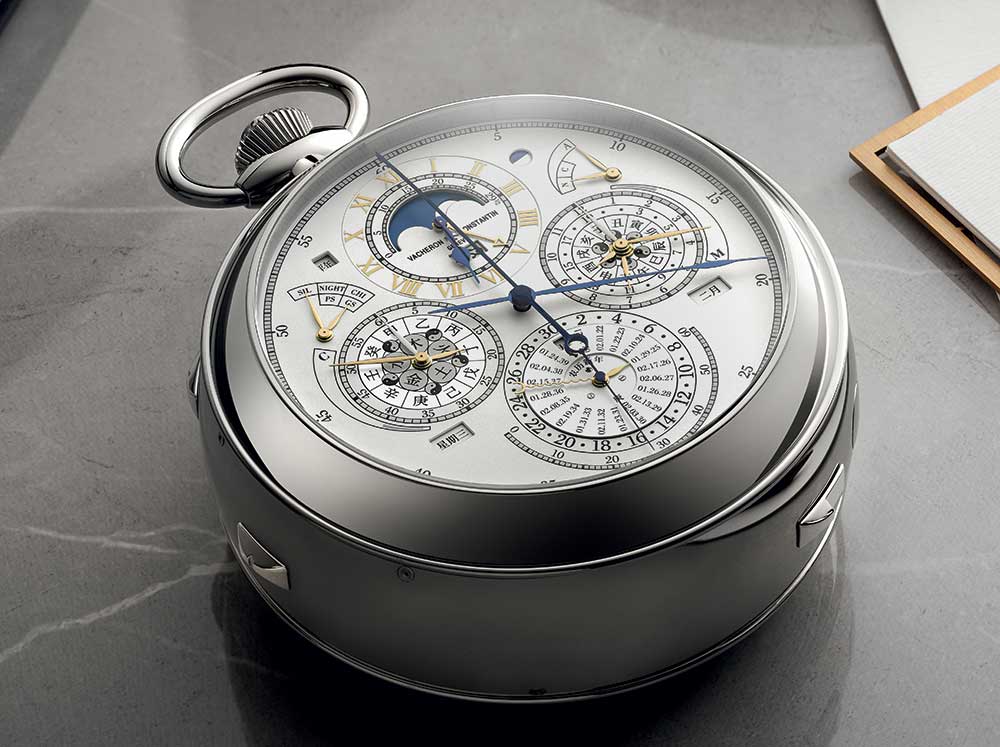
At the heart of every grand complication is an extraordinary level of engineering organisation. A typical mechanical movement contains hundreds of parts, but the most complex creations can include many more, all working within a space barely larger than a coin. Every component has a purpose. The mainspring stores energy, the gear train transfers power, the escapement controls release and the balance wheel regulates time. Complications are added on top of this foundation, each requiring its own mechanism while still working in harmony with the rest of the movement. The true challenge is not creating individual complications, but making them function together without affecting accuracy, reliability or durability. This is why grand complication watches represent the highest form of mechanical problem solving.
Also Read: Top 5 Most Complicated Watches Ever Made Every Serious Collector Must Know
The Tourbillon
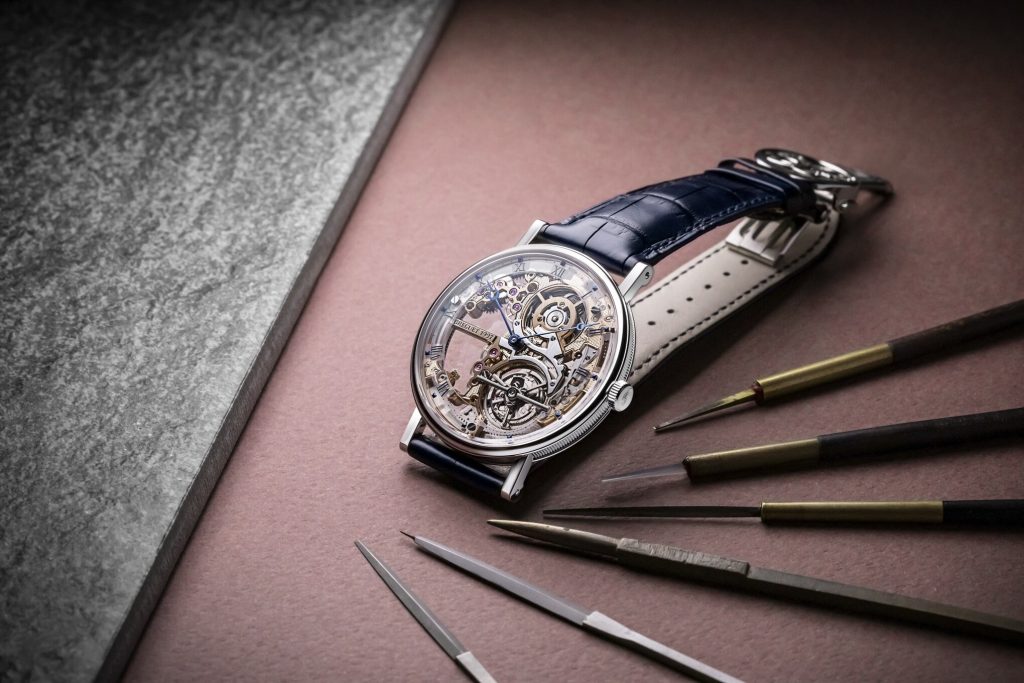
The tourbillon remains one of the most famous and fascinating watchmaking inventions. Originally developed in 1801 by Abraham-Louis Breguet, the tourbillon was created to improve accuracy by addressing the effects of gravity on a pocket watch movement. In a traditional movement, the balance wheel and escapement remain in a fixed position. The theory behind the tourbillon was that by placing these components inside a rotating cage, the errors caused by gravity could be averaged out as the watch changed positions. Today, the tourbillon is less about solving an everyday problem and more about demonstrating mechanical brilliance. Modern watchmakers continue to reinvent the concept with multi axis tourbillons, lightweight materials and advanced construction techniques. It has become a symbol of watchmaking ambition.
Perpetual Calendar
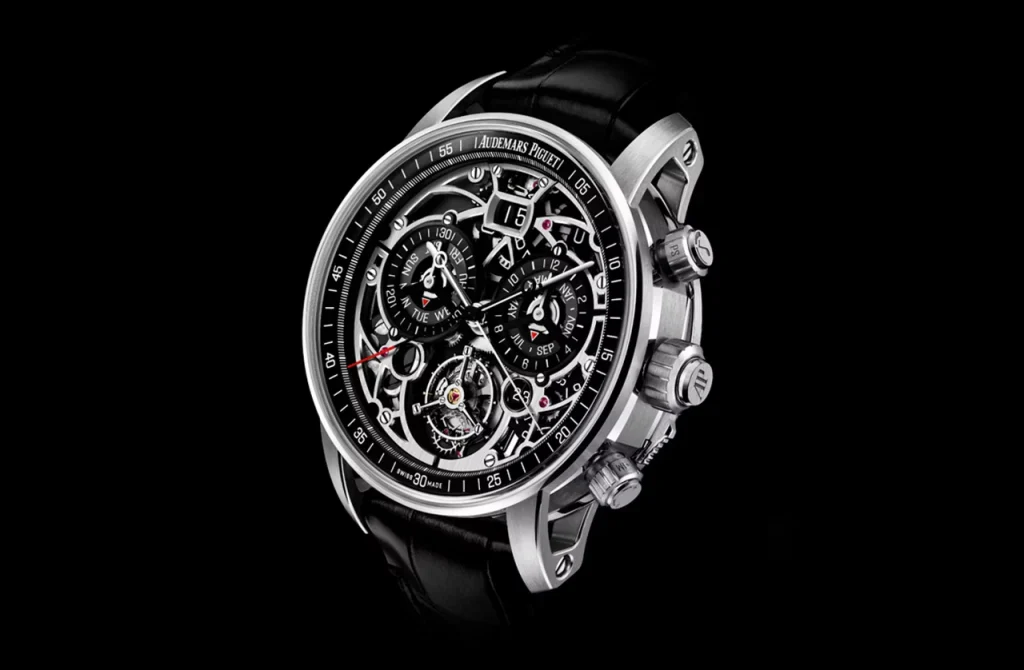
One of the most impressive complications in watchmaking is the perpetual calendar. A standard calendar watch needs adjustment at the end of months with fewer than 31 days. A perpetual calendar, however, is designed to recognise different month lengths and even account for leap years. This means the mechanism understands the irregular rhythm of the calendar. The complexity comes from programming these differences mechanically. Tiny wheels and cams store information about the four year cycle, allowing the watch to continue displaying the correct date for decades. The challenge becomes even greater when combined with other complications such as moon phase displays, chronographs or minute repeaters. A perpetual calendar is not simply showing time. It is calculating it.
Minute Repeater
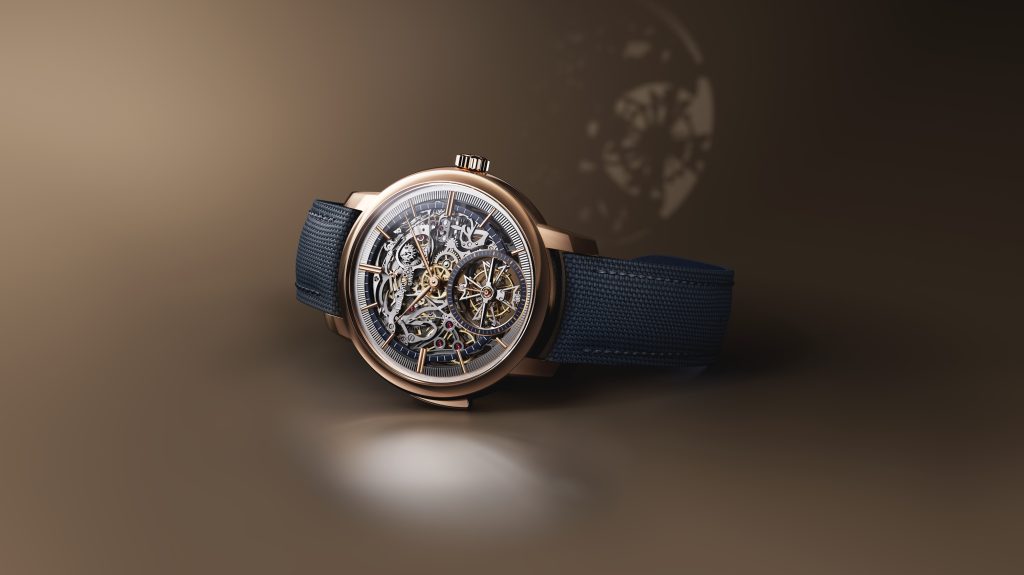
The minute repeater is one of the most poetic complications ever created. Before the age of electric lighting, pocket watches with minute repeaters allowed owners to hear the time in the dark. With the press of a button or slide, the mechanism activates tiny hammers that strike specially tuned gongs inside the case. Different sounds represent hours, quarters and minutes. Creating a perfect minute repeater requires exceptional acoustic engineering. Watchmakers must consider the shape of the case, the material of the movement and the positioning of the gongs to create a clear and harmonious sound. The complication transforms a watch from a visual object into something experienced through hearing.
Split Second Chronograph
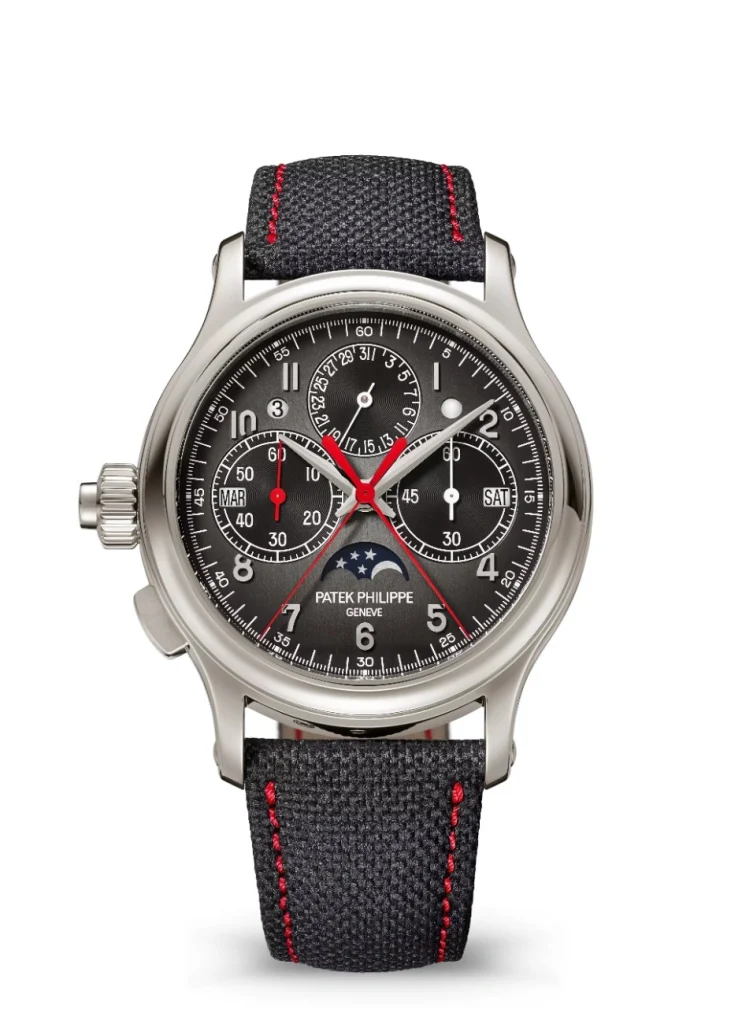
The split second chronograph, also known as a rattrapante, is one of the most technically demanding chronograph complications. Unlike a standard chronograph that measures a single event, a split second chronograph allows two separate timings to be recorded simultaneously. This is achieved through an additional seconds hand controlled by a complex mechanism of clamps, wheels and levers. Originally useful for timing races and scientific experiments, today it represents the peak of precision chronograph engineering. The complication proves that even a simple idea, measuring two events at once, can become an extraordinary mechanical challenge.
The Greatest Names In Grand Complication Watchmaking
Many of the world’s most respected watchmakers have built their reputations around grand complications. Brands such as Patek Philippe, Vacheron Constantin, Audemars Piguet and Breguet have created some of the most celebrated examples of complicated watchmaking. Each approaches complexity differently. Some focus on traditional finishing and historical techniques, while others explore futuristic materials and innovative architecture. The goal remains the same: creating a mechanical object that pushes the limits of human craftsmanship.