Nicholas Hofmann Interview: H. Moser & Cie’s Global Luxury Watch Strategy Explained
From emotional storytelling and disruptive design to the rise of independent watchmaking and India’s growing collector culture, Nicholas Hofmann discusses how H. Moser & Cie continues redefining modern luxury through authenticity, craftsmanship and human connection
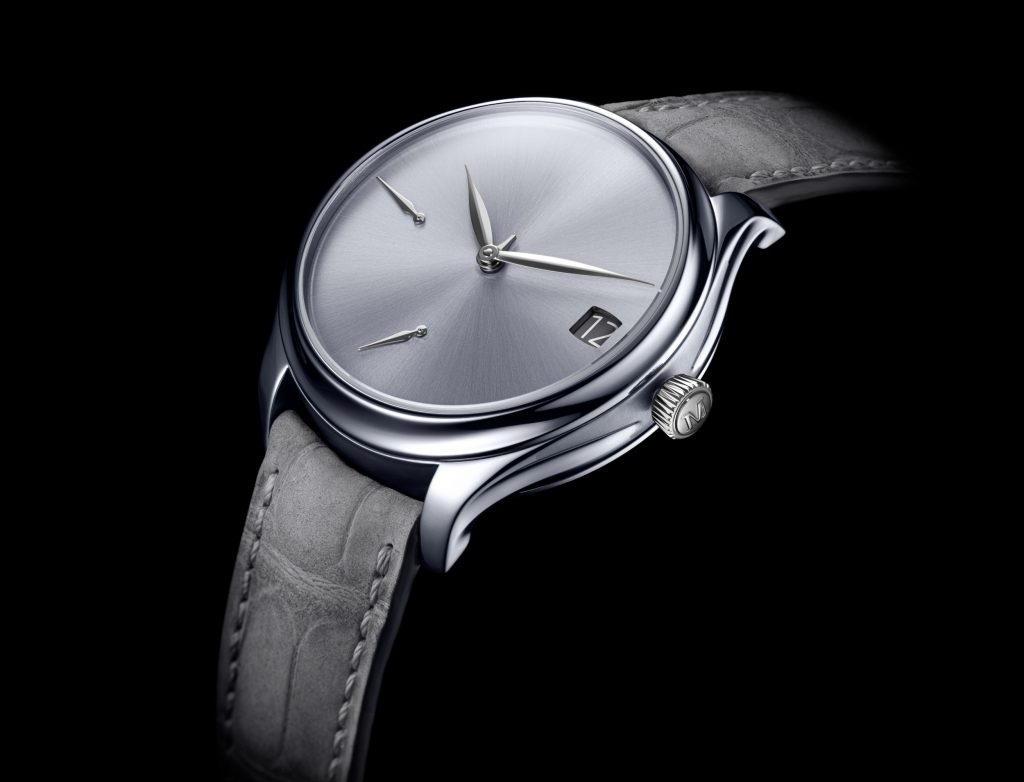
Modern luxury has become rather noisy lately. Every second brand appears desperate to scream its existence through oversized logos, impossible waiting lists, celebrity ambassadors wearing sunglasses indoors, and enough marketing jargon to make a Formula One engineer quietly leave the room. Yet somewhere amidst all this theatrical chest beating sits H. Moser & Cie., a watchmaker with the unusual confidence to remove its own logo from the dial and still expect collectors to recognise it instantly. Which, if you think about it, is a bit like removing the grille from a Rolls Royce and still having people identify it from half a mile away. That sort of confidence does not come from marketing departments. It comes from substance. From engineering. From craftsmanship. And perhaps most importantly, from understanding that people no longer buy luxury objects merely to display wealth. They buy them because they want to feel something.
At the centre of this philosophy stands Nicholas Hofmann, whose journey from the United Kingdom through Switzerland, Prague and France has shaped a distinctly global understanding of luxury and modern collecting. In a conversation that moved effortlessly from independent watchmaking and disruptive design to emotional storytelling and the rise of India’s luxury consumer, Hofmann spoke about why collectors today crave authenticity over status, why emotion matters more than excess, and how human connection has become the most valuable currency in luxury. Outlook Luxe had a tete-a-tete with Nicholas Hofmann, International Sales Director, H. Moser & Cie on the evolving language of modern horology, the power of independent watchmaking, and the future of meaningful luxury.
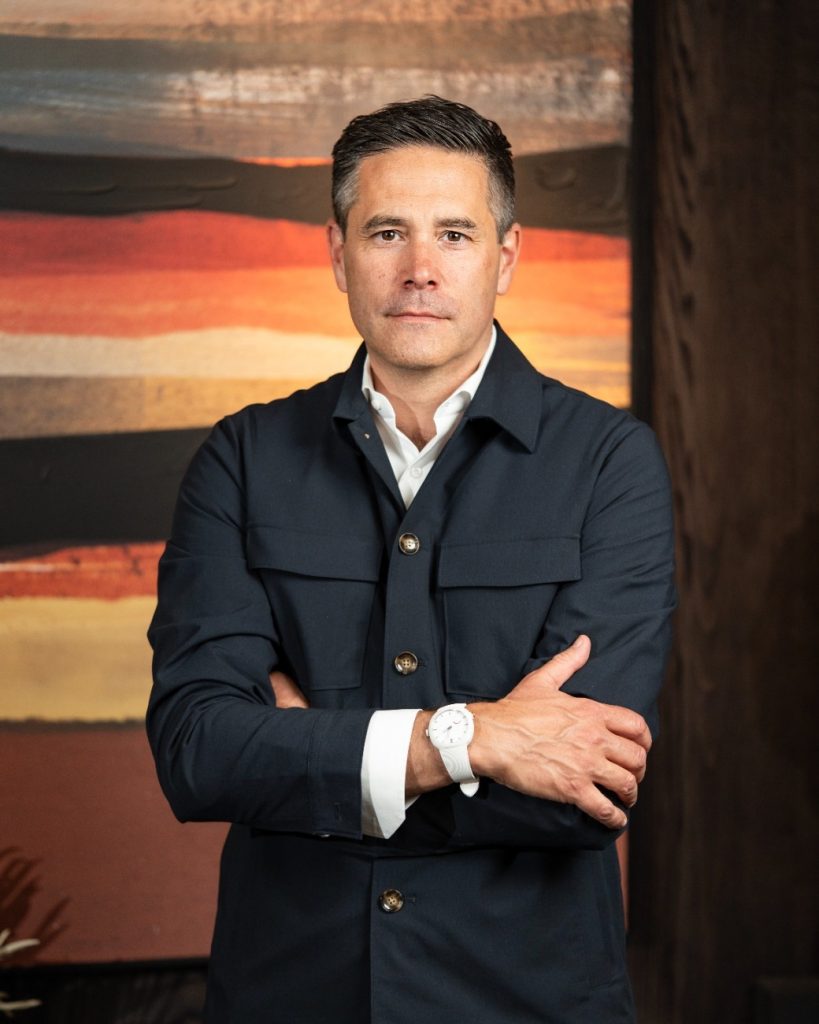
You were born in the UK, studied across Switzerland, the Czech Republic and France and built your career in luxury watch and jewellery industry before joining H. Moser & Cie. in 2010. How have these international experiences shaped your understanding of luxury, craftsmanship and consumer behaviour?
Nicholas Hofmann: I was never predestined to be in the luxury world. My parents were not from that world, and they weren’t even interested in watches. But when you are born in the UK, grow up in Geneva, then study in Prague and in France, you constantly have to adapt. I think that ability to adapt, to listen and to stay open-minded really helped me when I started at Chopard, which was also quite coincidental. I think it’s about being solution-oriented, adapting, and being receptive to what the client wants. Every client should be listened to, but I think this is even more important in the luxury world.
What are the most valuable lessons you have learned about building relationships with collectors, retailers, and watch enthusiasts across different cultures?
NH: I think the most valuable lessons are the human ties and the friendships that you build along the way. You are here for the long run, whether one day you are at Chopard, one day at Moser, or somewhere else. You create relationships, and those relationships help the business even more. No matter where you are in the world, there is always that shared passion for watchmaking. There is a saying: you always meet people twice. I know it may sound naive or candid, but at the end of the day, it is really just common sense.
What do you believe is driving collectors towards independent brands and how Moser has benefited from this shift?
NH: It’s the fact that clients are looking for more substance, more depth, and more authenticity. I think the advantage now is that you have a bit of everything for everyone. Some clients maybe less attracted by the complication side and more about the endorsement, the celebrity behind the brand or the lifestyle associated with it. On the other hand, some clients are looking for the mechanical specificities of the movement and of the brand. Where Moser has managed to stand out is that we engaged very early on with the community, the clients and, watch collectors around the world. We do have a vertically integrated manufacturer, yet also have fun watches. And maybe one last thing is that we always wanted to remain independent. We have an Indie spirit, but we never wanted to be niche. We would be the biggest or the smallest of the big brands rather than being the biggest of the small brands.
Also Read: H. Moser & Cie. Launches Its First Ceramic Timepiece: Streamliner Tourbillon Concept Ceramic
What does luxury mean today beyond price and prestige?
NH: Clients are looking for emotion. And I think that’s the luxury of being part of a community. At H. Moser & Cie. family, we need it at all the levels, whether it’s the partnership with Ethos, with the press, with influencers, with the collectors. I think it’s super important to have that human feel.
Is quite luxury the new power statement?
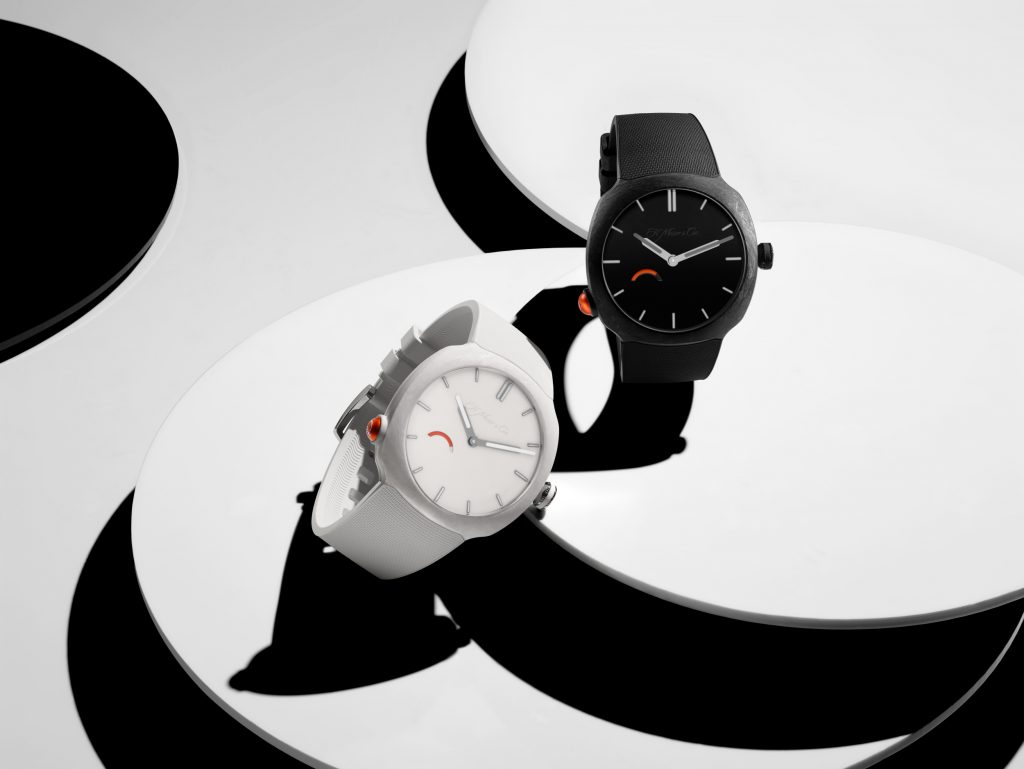
NH: The Streamliner Alpine Drivers ‘Pink Edition’ or the ‘Pump’ models may appear loud because they generate conversation, but the real desire comes from emotion. A watch creates desire when people can emotionally relate to it, identify with it, or connect it to a certain memory or generation. We would rather create strong emotions than indifference. That is also the advantage of being independent. We can take creative risks and avoid becoming too conventional in the way we design products.
In a world full of logos, how does H. Moser & Cie. create desire without being loud?
NH: The Streamliner Alpine ‘Pink Flamingo’ or the ‘Pump’ models may appear loud because they generate conversation, but the real desire comes from emotion. A watch creates desire when people can emotionally relate to it, identify with it, or connect it to a certain memory or generation. We would rather create strong emotions than indifference. That is also the advantage of being independent. We can take creative risks and avoid becoming too conventional in the way we design products.
What makes a watch truly collectible today? Is it craftsmanship, rarity, storytelling or emotion?
NH: A truly collectible watch needs to combine all of those elements. You need authentic storytelling, exceptional craftsmanship, technical credibility, and most importantly, emotional resonance. If I take the example of the ‘Pump’ again, it is not just a watch with a logo placed on the dial. It combines mechanical craftsmanship with a story people can emotionally connect to, especially through nostalgia and references to younger years or cultural memories.
Independent watchmakers are receiving increasing global attention. Why are serious collectors looking beyond the traditional luxury houses?
NH: Collectors today are simply looking for more substance and authenticity. They are no longer driven only by logos or brand recognition. Of course, there are extraordinary brands within large groups creating fantastic products, but many collectors are now searching for something more personal. What independents can offer is a direct connection with the people behind the brand, whether that is the owner, the CEO or the family running it. At H. Moser & Cie., we produce around 4,000 to 4,500 watches annually. That smaller scale allows us to maintain close relationships with collectors, and I think many people value that authenticity today.
H. Moser & Cie. has a very distinct personality. It is bold, minimal and sometimes provocative. How important is attitude in luxury today?
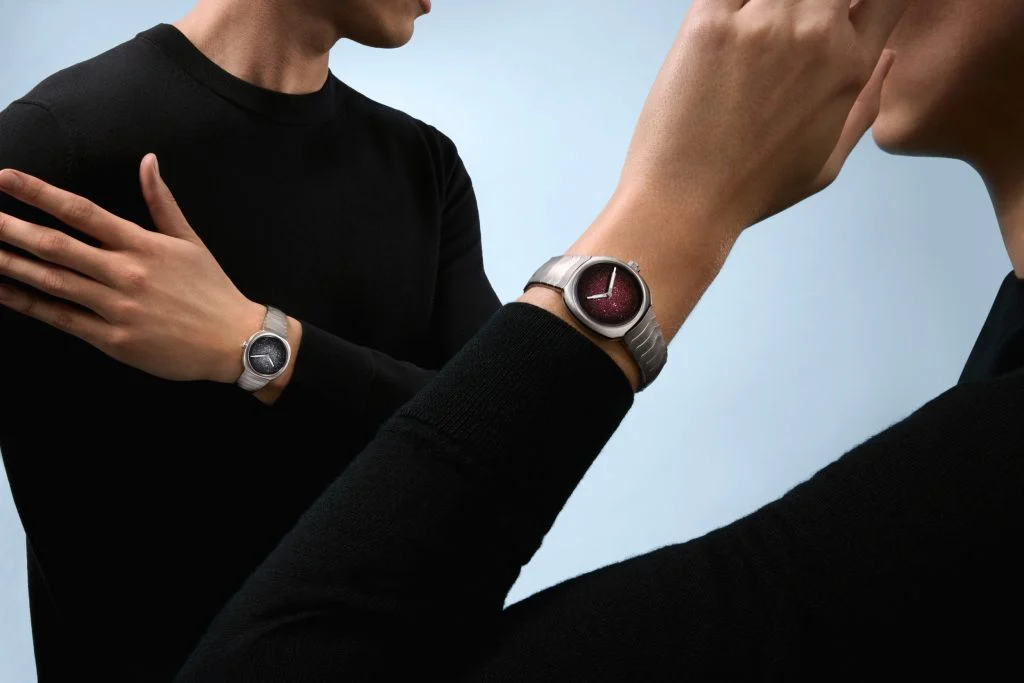
NH: It is important for us because it reflects who we are as a brand. Every successful luxury house needs its own authentic identity and tone of voice. Some traditional brands communicate differently, and that works perfectly for them because it is genuine to their heritage. But if another brand tries to imitate that identity without authenticity, it usually does not work. For H. Moser & Cie., disruptiveness has always been part of our personality. Even if we have softened slightly over time, we still enjoy introducing unexpected ideas. The ‘Pump’ watch, for example, is inspired by basketball sneakers. It is a piece that may not appeal to everyone, that might be a bit polarising, even. But that is also what makes it interesting and exciting.
How do you balance traditional watchmaking heritage with modern disruption?
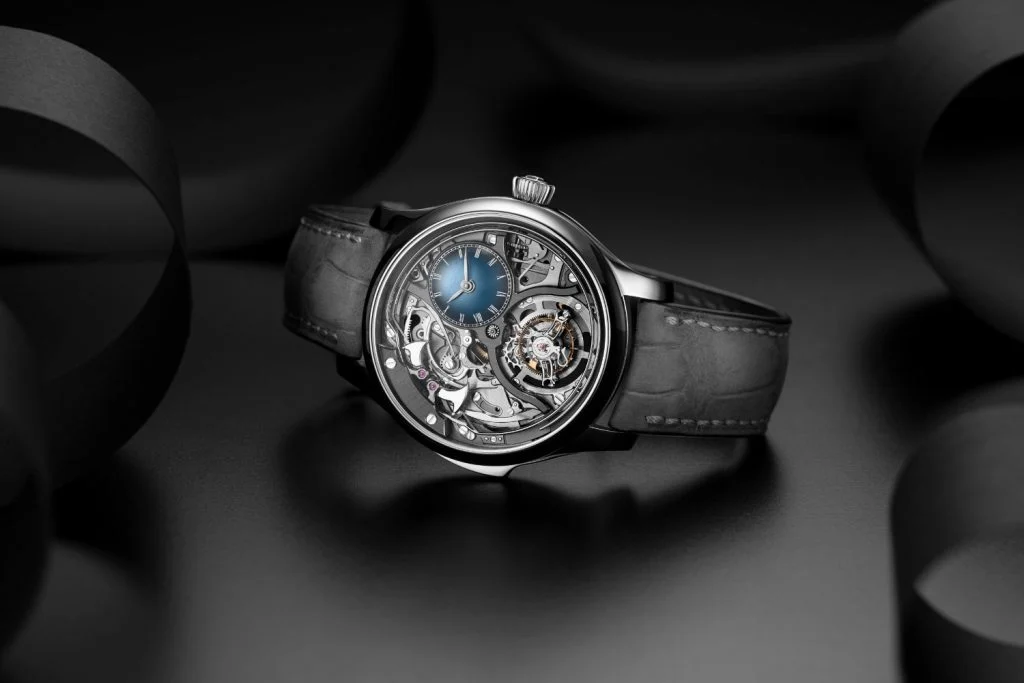
NH: It is a very fine line because there is always the danger of becoming opportunistic or overly gimmicky. At the same time, you cannot neglect traditional watchmaking credibility. We presented highly serious watchmaking pieces like the Perpetual Calendar in tantalum and a beautifully skeletonised Minute Rrepeater with a cylindrical hairspring. That balance is extremely important because it shows we can embrace creativity while remaining deeply rooted in Haute Hhorlogerie. We are not abandoning tradition, we are reinterpreting it.
What excites you most about the Indian luxury consumer today?
NH: The growth potential is extremely exciting. India is still a developing market in terms of luxury watch culture, and there is tremendous room for expansion, both in terms of awareness and retail presence. We see opportunities to strengthen existing partnerships, develop new points of sale and continue introducing more collectors to fine watchmaking. Partners like Ethos Watches are doing an exceptional job promoting watch culture across the country. India is also one of the very few markets globally where H. Moser & Cie. operates a boutique in New Delhi. That reflects our long term commitment to the country and our belief in the future of the Indian luxury consumer.
Is luxury today more about owning something rare or experiencing something meaningful?
NH: It is about experiencing something meaningful while owning something exceptional. Today’s high net worth collectors are constantly invited into worlds of cars, whisky, art, jewellery, aviation and hospitality. So how does a brand truly differentiate itself? By creating genuine human experiences and emotional memories that money alone cannot buy. For example, during our recent Formula One experience in Suzuka, we brought together collectors from Japan and Korea who had never met before. By the end of the event, they had formed real emotional connections not only with the brand, but also with one another.
Also Read: Watches and Wonders 2026: H. Moser & Cie Pushes Boundaries With New Novelties
How does H. Moser & Cie. maintain exclusivity while continuing to expand globally?
NH: By continuously creating more demand while remaining limited in production. People sometimes misunderstand what ‘Very Rare’ means for H. Moser & Cie. It is not simply about producing small quantities. It is about being family run, independent, vertically integrated, creatively disruptive and genuinely desirable. When I joined in 2010, we were producing perhaps 500 or 600 watches annually. Today, we produce over 4,000, yet the brand is actually rarer now because the global demand and aspiration to own a H. Moser & Cie. watch has grown significantly faster than production.