Prominent Case Materials Used In Haute Horology Explained
In modern haute horology, the watch case has become a laboratory of material innovation as much as a vessel of time
There was a time when the measure of a fine watch could be read almost exclusively in the glint of gold or the reassuring sheen of steel. Precious metal denoted prestige; stainless steel suggested robustness. Yet as the twenty first century unfolded, the ateliers of fine watchmaking began to treat the case not merely as protective armour for a movement, but as a canvas for material experimentation. In the rarefied world of haute horology, metallurgy has become philosophy.
Today, the wrist bears witness to bronze that blooms with age, titanium that whispers lightness, platinum that murmurs quiet opulence, ceramic that defies scratch, and carbon fibre that appears to have descended from the cockpit of a fighter jet. The watch case, once conservative, now performs a daring pas de deux between tradition and technology.
Bronze: The Romance of Patina
Bronze, an alloy of copper and tin, carries with it an almost maritime nostalgia. When exposed to air and moisture, it oxidises, developing a patina unique to its wearer. This slow metamorphosis transforms each watch into a singular artefact.
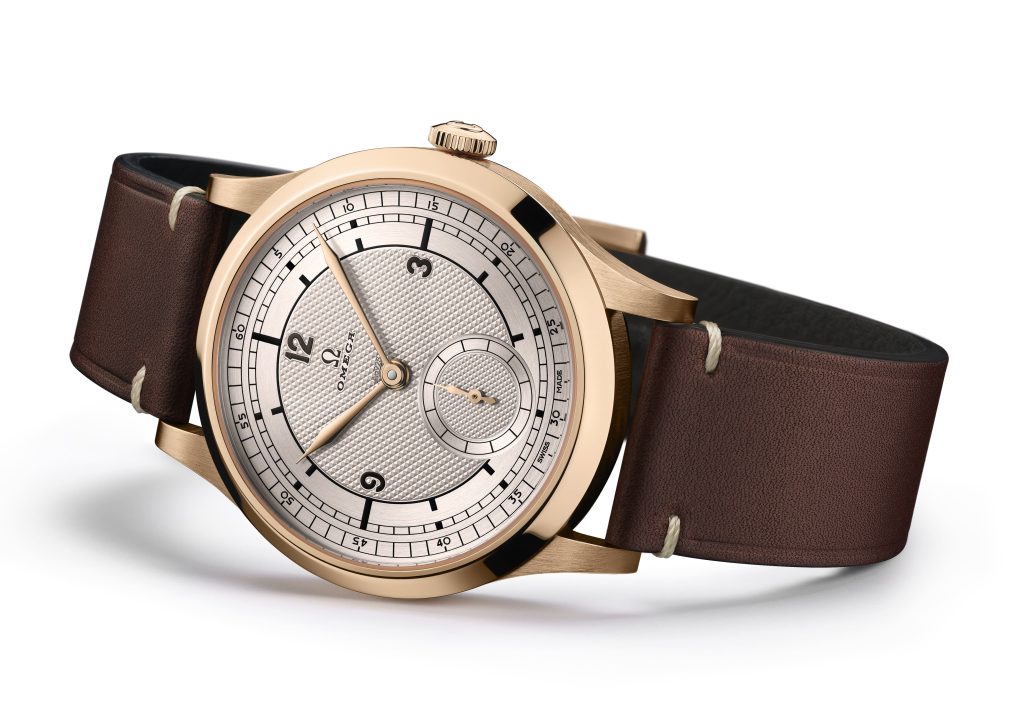
Unlike gold or steel, bronze is alive to its environment. It darkens, deepens, sometimes verdigris blooms across its surface. For collectors, this is not corrosion but character. The case evolves alongside the wearer, creating an intimate narrative between object and owner. However, bronze is typically paired with case backs of steel or titanium to prevent skin discolouration, illustrating how romance must often be tempered with practicality.
Titanium: The Virtue of Lightness
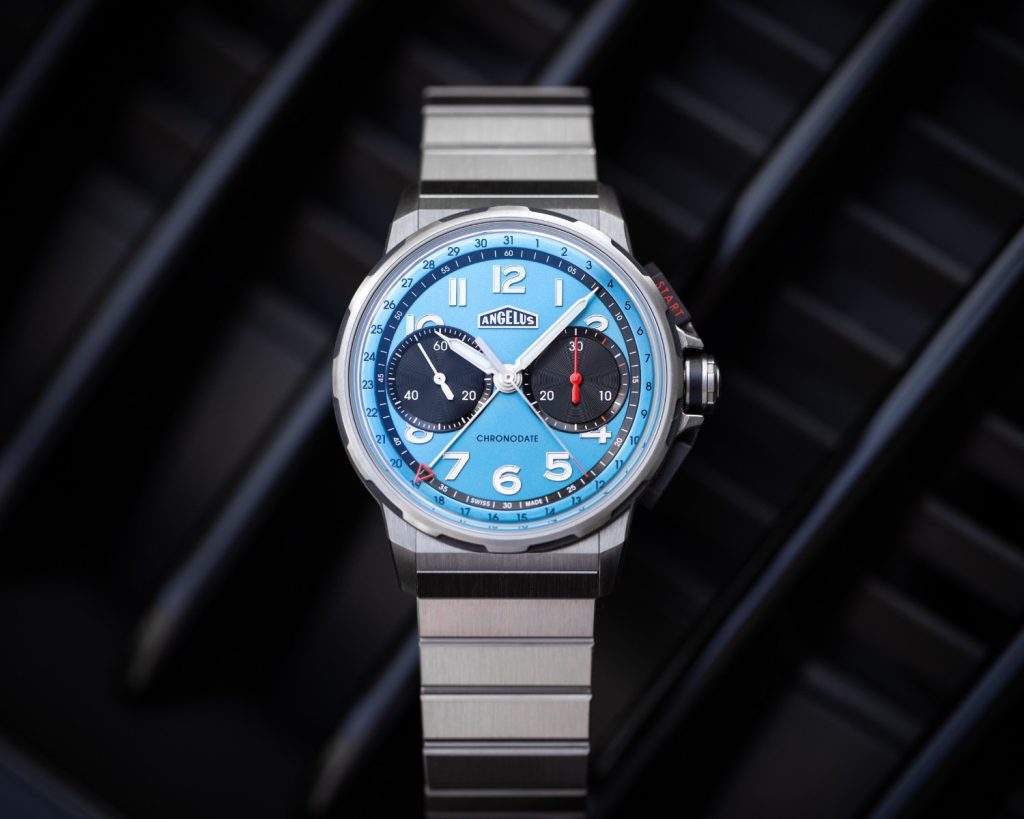
If bronze speaks in baritone warmth, titanium converses in aerodynamic understatement. Originally favoured in aerospace and medical industries, titanium entered watchmaking as a solution to weight and durability.
It is significantly lighter than steel yet remarkably strong and corrosion resistant. Its hypoallergenic properties enhance comfort for prolonged wear. In high complication watches, where mechanical complexity can increase heft, titanium offers relief without sacrificing integrity. Moreover, its matte grey finish lends contemporary restraint, appealing to those who value performance over ostentation.
Platinum: The Quiet Aristocrat
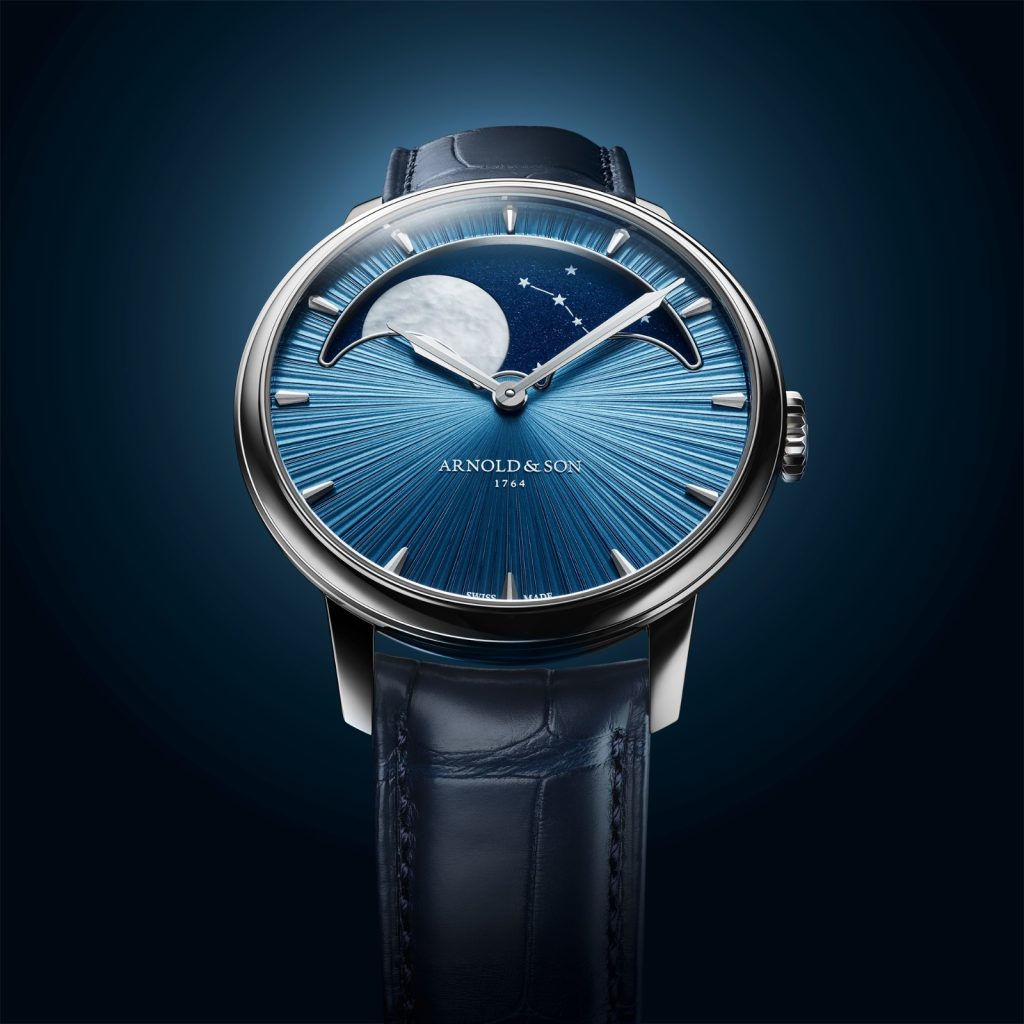
Platinum occupies a rarified echelon. Denser and heavier than gold, it possesses a subdued lustre that eschews flamboyance. To the untrained eye, it may resemble steel, but to the connoisseur, its weight reveals its pedigree. Working with platinum is technically demanding. Its density challenges machining and polishing. Yet therein lies its appeal. A platinum case signals discretion, wealth expressed without exhibitionism. It is luxury whispered rather than proclaimed.
Ceramic: The Triumph of Technology
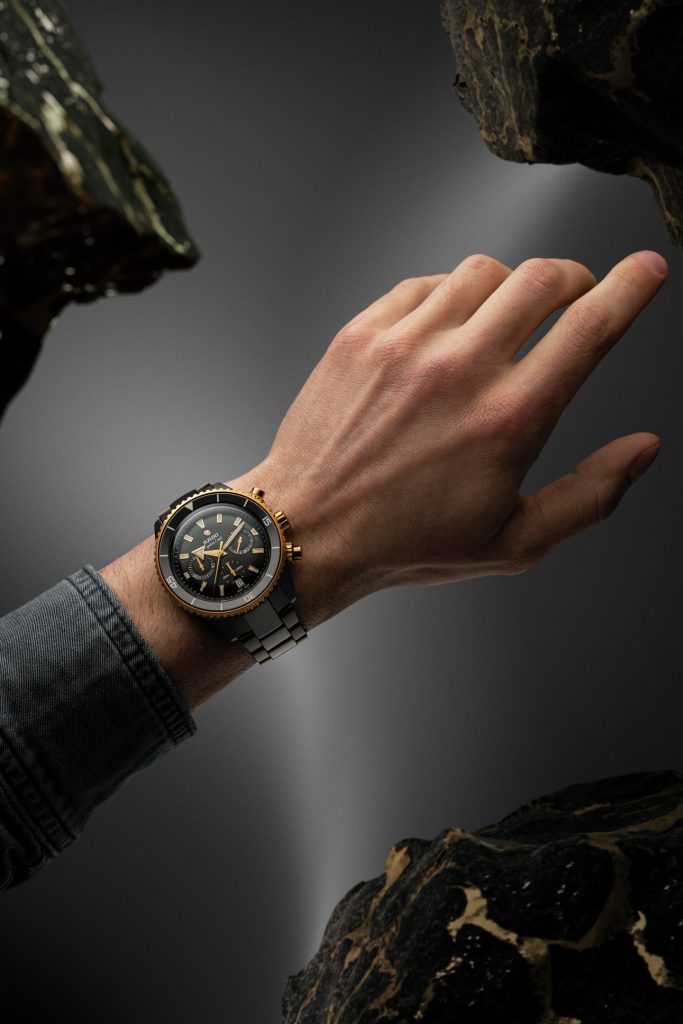
Ceramic cases mark a decisive shift toward modern engineering. Highly scratch resistant, lightweight and impervious to fading, ceramic offers durability that conventional metals struggle to match. Advanced high tech ceramics can be produced in deep blacks, pristine whites and even vibrant hues. Their hardness, however, requires diamond tipped tools and precision sintering processes. The result is a case that maintains its appearance over decades, unblemished by daily wear. Ceramic embodies the marriage of aesthetic purity and scientific rigour.
Carbon Fibre: The Future on the Wrist
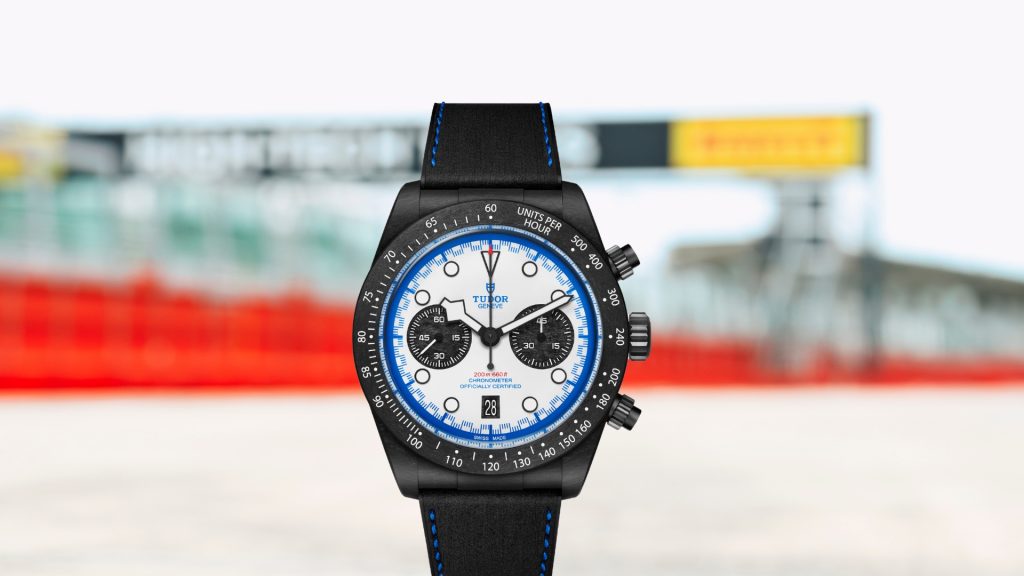
Carbon fibre and its composite derivatives have ushered in a bold aesthetic language. Forged carbon, layered carbon composites and resin infused matrices create marbled textures unique to each case.
Extremely lightweight yet structurally resilient, carbon fibre cases resonate with motorsport and aviation heritage. They are engineered rather than merely manufactured. The tactile sensation differs markedly from metal, offering warmth and modernity in equal measure. In high performance chronographs and avant garde complications, carbon fibre reinforces the narrative of innovation.
Material as Message
The evolution of case materials in haute horology reflects a broader transformation. No longer is value measured solely in intrinsic metal worth. Instead, material choice conveys intent. Bronze signals romance and individuality. Titanium champions technical prowess. Platinum embodies discretion. Ceramic asserts endurance. Carbon fibre proclaims futurism. In this expanding lexicon of materials, steel and gold remain venerable protagonists. Yet they now share the stage with alloys and composites that expand the possibilities of design and performance. The watch case, once a silent guardian, has become eloquent. It speaks of science, heritage, identity and aspiration. And in doing so, it reminds us that in haute horology, innovation is not confined to the movement within, but flourishes equally in the armour that surrounds it.