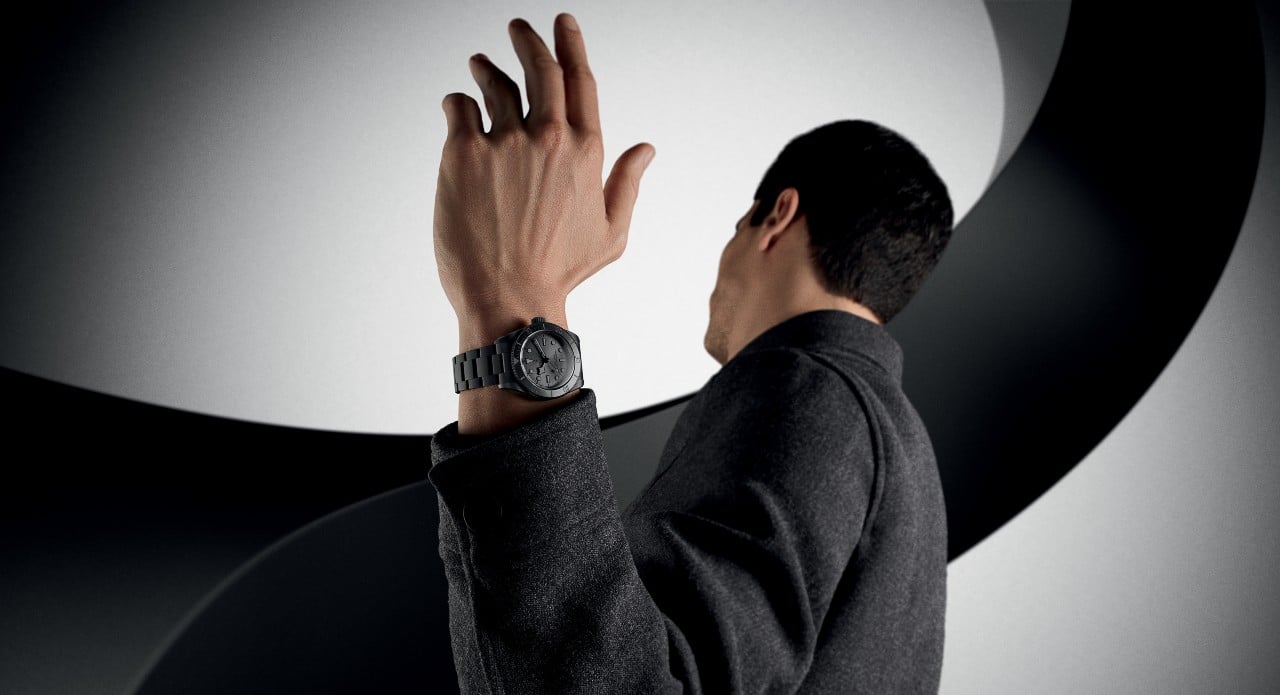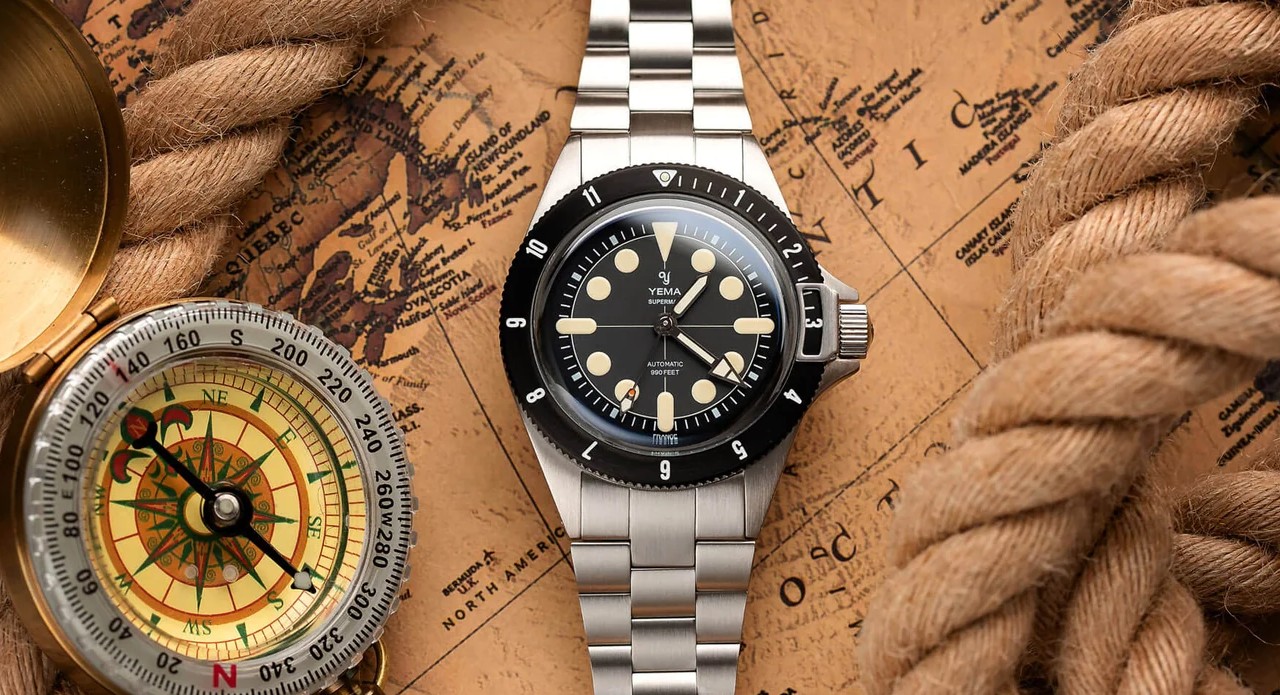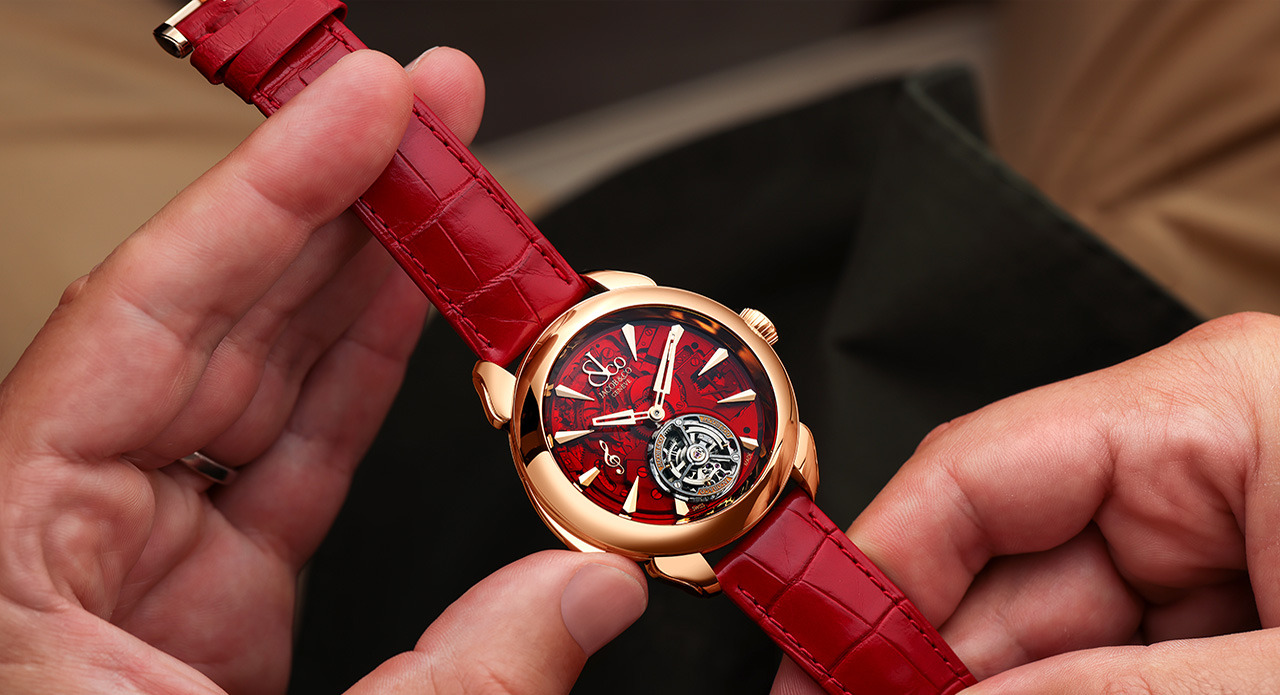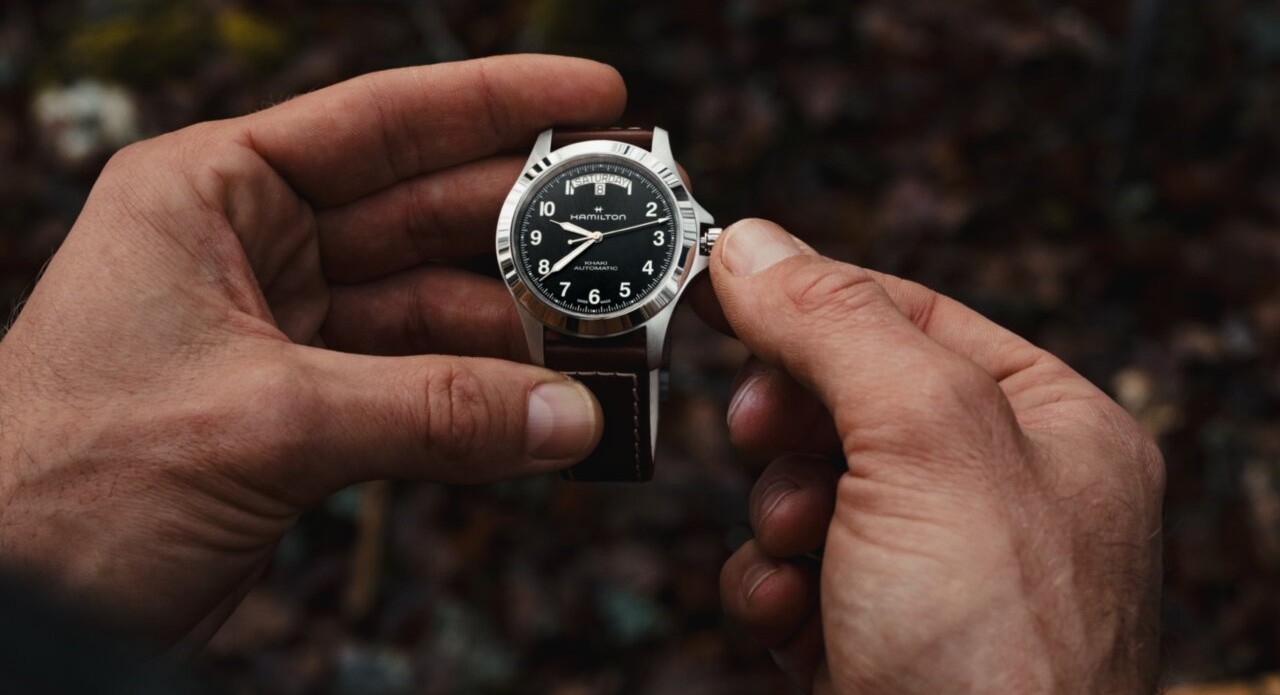


Titanium was once the preserve of aerospace engineers and deep sea explorers. Today it has found a permanent home on the wrist. Light yet immensely strong, corrosion resistant yet skin friendly, titanium offers a compelling alternative to steel and precious metals. But beneath its understated grey sheen lies a crucial distinction that only the initiated truly appreciate — the difference between grade 2 and grade 5 titanium.
These two grades may look similar at a glance, but in the world of watchmaking they behave very differently. The choice between them influences everything from weight and wearability to finishing techniques and long term durability.
What Is Grade 2 Titanium
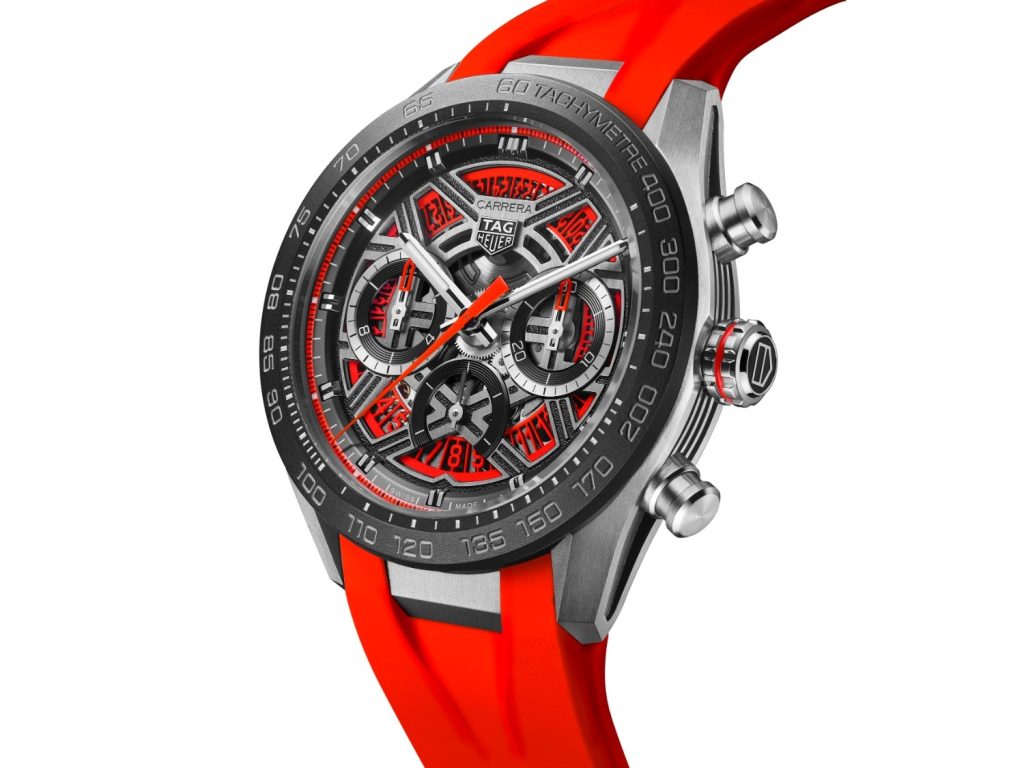
Grade 2 titanium is commercially pure titanium, prized for its softness and exceptional resistance to corrosion. It is remarkably light and comfortable on the wrist, making it ideal for larger tool watches and everyday wear pieces. Its slightly warmer grey tone develops a natural patina over time, giving the watch a lived in character that appeals to collectors who value authenticity. However, grade 2 titanium is relatively soft compared to other metals. While it resists corrosion beautifully, it is more prone to surface scratches and marks. For many enthusiasts, this is not a flaw but a feature — evidence of a watch that has been worn, used, and lived with.
What Is Grade 5 Titanium
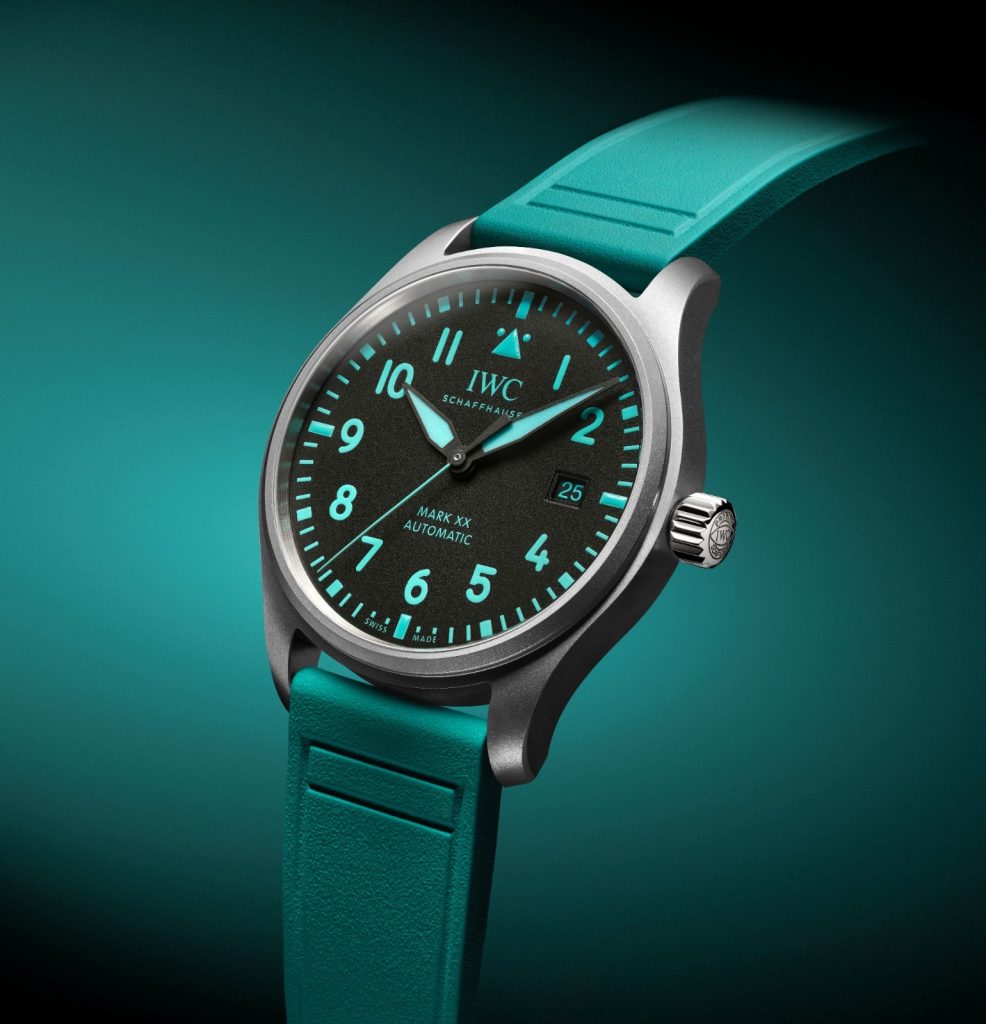
Grade 5 titanium, also known as Ti 6Al 4V, is an alloy strengthened with aluminium and vanadium. This composition dramatically increases hardness and structural strength, bringing it closer to stainless steel while retaining titanium’s lightness. In watchmaking, grade 5 titanium allows for sharper lines, polished bevels, and more complex case geometry. It holds finishing exceptionally well and is far more resistant to scratches than grade 2. Its cooler, slightly darker hue gives it a more technical, contemporary appearance, often favoured in high performance sports watches and modern luxury designs.
How The Difference Feels On The Wrist
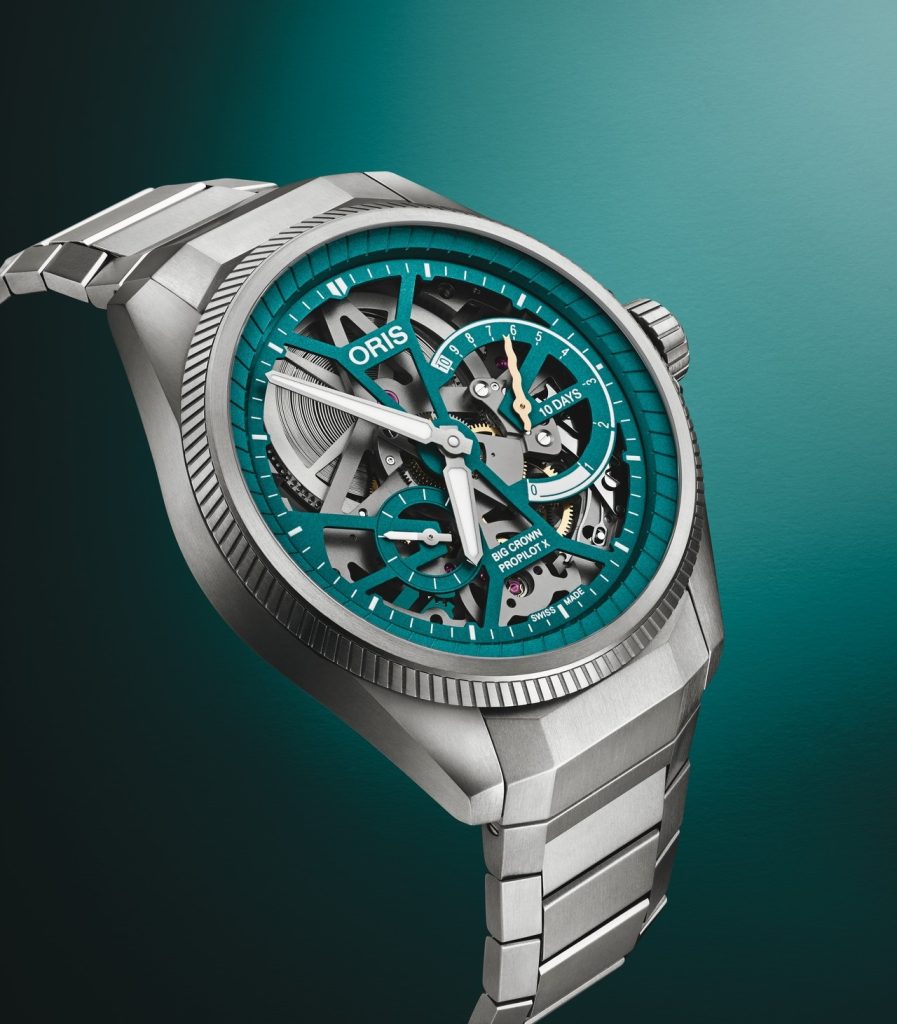
The contrast between grade 2 and grade 5 titanium is immediately noticeable when worn. Grade 2 feels feather light, almost disappearing on the wrist, while grade 5 has a more substantial presence without sacrificing comfort. Both remain warmer to the touch than steel, a subtle but important aspect of titanium’s appeal.
For brands, this choice is about intent. Grade 2 emphasises purity, comfort, and utility. Grade 5 prioritises precision, finishing, and long term resilience. Neither is superior — they simply tell different stories.
Why Brands Choose One Over The Other
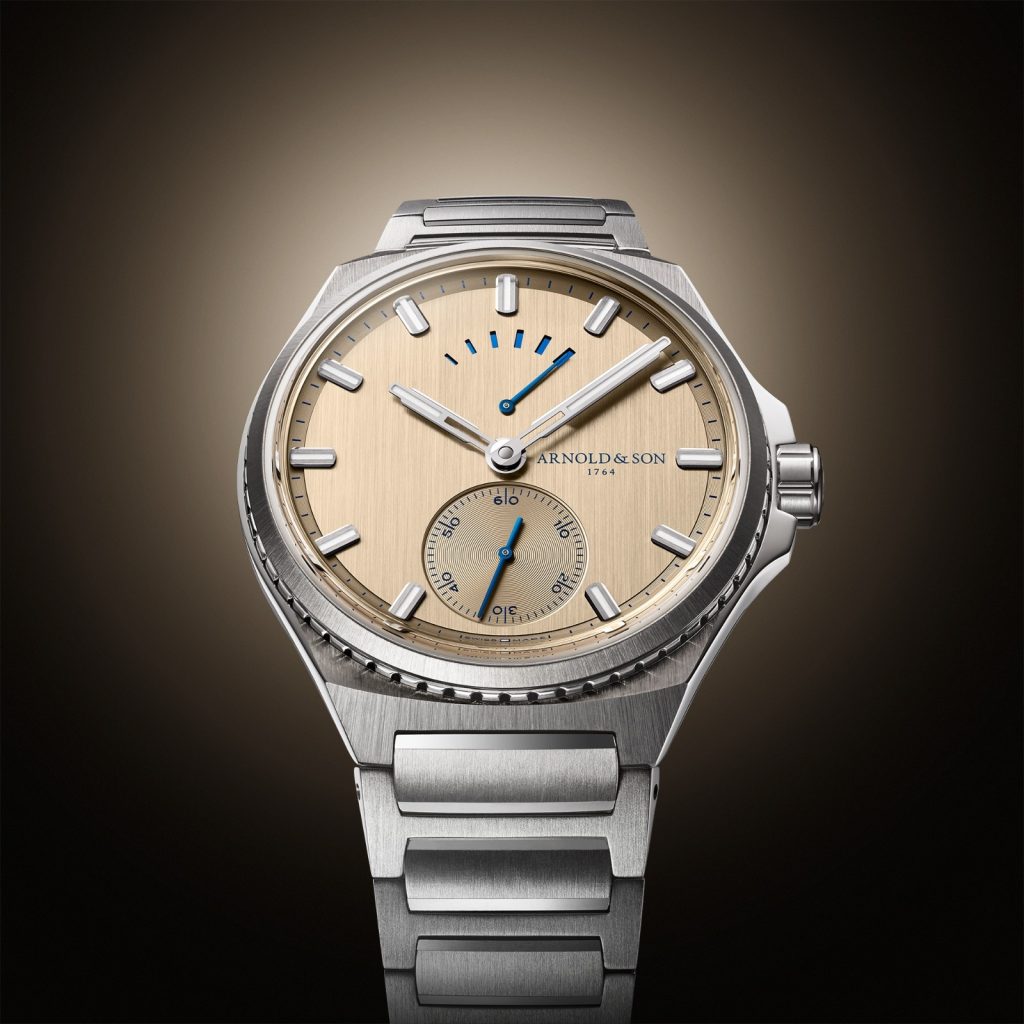
Tool watch specialists and heritage driven brands often favour grade 2 for its authenticity and ease of machining. It aligns naturally with professional divers and military inspired designs. Meanwhile, brands pushing the boundaries of case architecture and finishing gravitate towards grade 5. Its strength allows for skeletonised lugs, angular profiles, and mixed surface treatments that would be difficult to achieve with softer metal.
Two Metals One Modern Identity
The difference between grade 2 and grade 5 titanium is not a matter of better or worse but of intention. One celebrates purity and comfort, the other precision and durability. Together, they define titanium’s place in contemporary horology — a metal that adapts to the wearer, the design, and the philosophy behind the watch. Because in the end, the true luxury of titanium lies not in its strength alone, but in how intelligently that strength is applied.