Tachymeter Scale Explained: Meaning, Uses, And How It Functions In Watches
The scale is usually calibrated from around 500 units per hour down to 60, arranged in a descending order
The tachymeter is the kind of watch feature that looks like it knows something you do not. Numbers race around the bezel with unapologetic confidence, daring you to understand them. It is bold, technical, and slightly intimidating, which is exactly why it has survived for over a century. Long before apps, GPS, or dashboards did the math for us, the tachymeter turned a wristwatch into a calculating machine. It did not just tell time. It translated motion into meaning. Even today, when its practical use is rare, the tachymeter remains one of horology’s most powerful visual statements. Because some tools do not need to be used daily to be respected.
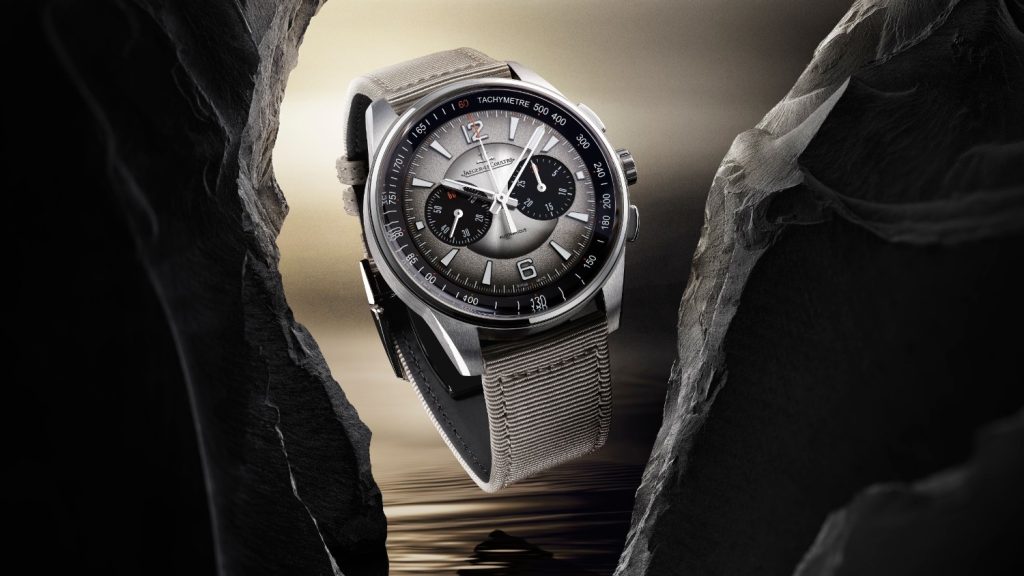
What Is A Tachymeter Scale
A tachymeter is a numerical scale designed to measure speed based on time traveled over a fixed distance. It works only in conjunction with a chronograph, which is the stopwatch function of a watch. Instead of counting seconds in isolation, the tachymeter converts those seconds into an hourly rate. The result is an average speed expressed in units per hour, typically kilometers or miles.
The scale is calibrated so that if an event takes thirty seconds, the tachymeter reading points to 120. If it takes sixty seconds, it points to 60. Faster events produce higher numbers. Slower events produce lower ones. The brilliance of the tachymeter lies in its simplicity. It performs a mathematical calculation instantly using nothing more than printed markings and mechanical motion.
Also Read: Why All-Black Watches Are The Ultimate Expression Of Stealth Luxury
How the Tachymeter Works
To use a tachymeter, you need a chronograph watch and a known distance. As an object passes a starting point, the chronograph is activated. When the object reaches the end of the measured distance, the chronograph is stopped. The seconds hand will now point to a number on the tachymeter scale. That number represents the average speed per hour.
If the distance is exactly one kilometer or one mile, the reading is direct. If the distance is shorter or longer, the result can be adjusted proportionally. This ability to translate time into speed made the tachymeter invaluable in motorsport, aviation, engineering, and manufacturing. It was mechanical math performed in real time, powered by gears and human reflexes.
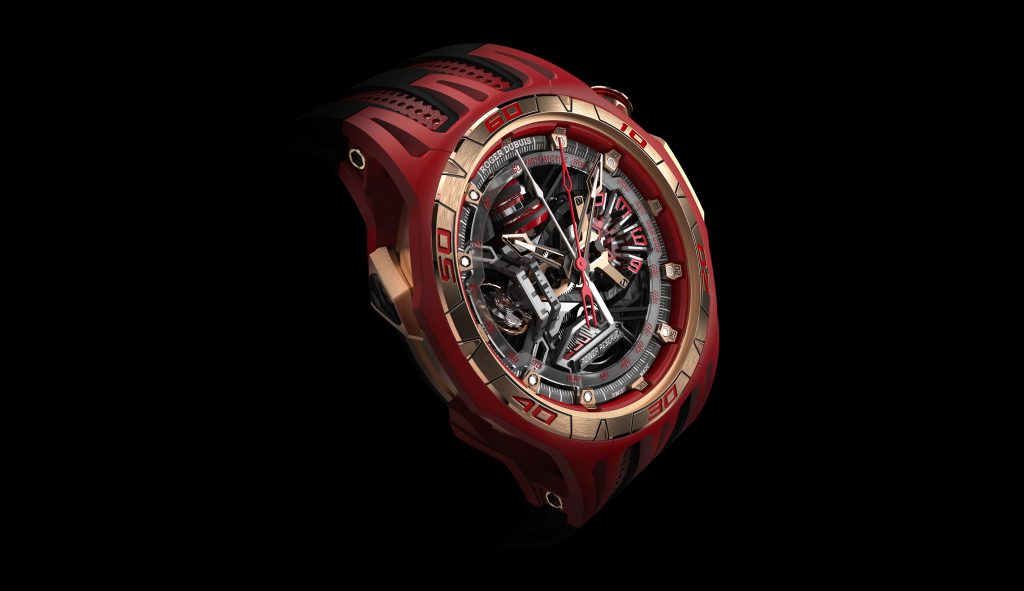
The Motorsport Connection
The tachymeter became famous because speed needed measurement. In the early twentieth century, racing drivers and engineers required portable tools to calculate velocity during practice runs and competitions. Wristwatches equipped with chronographs and tachymeter scales became essential instruments.
This connection to racing cemented the tachymeter as a symbol of performance. Watches like the Omega Speedmaster and the Rolex Daytona built their identities around this scale. The Speedmaster used its tachymeter to calculate speed during motorsport events before becoming famous for space exploration. The Daytona embraced racing culture so completely that its bezel design became instantly recognizable even outside horological circles. Over time, the tachymeter shifted from pure function to emotional symbolism. It came to represent speed, precision, and mechanical confidence rather than daily necessity.
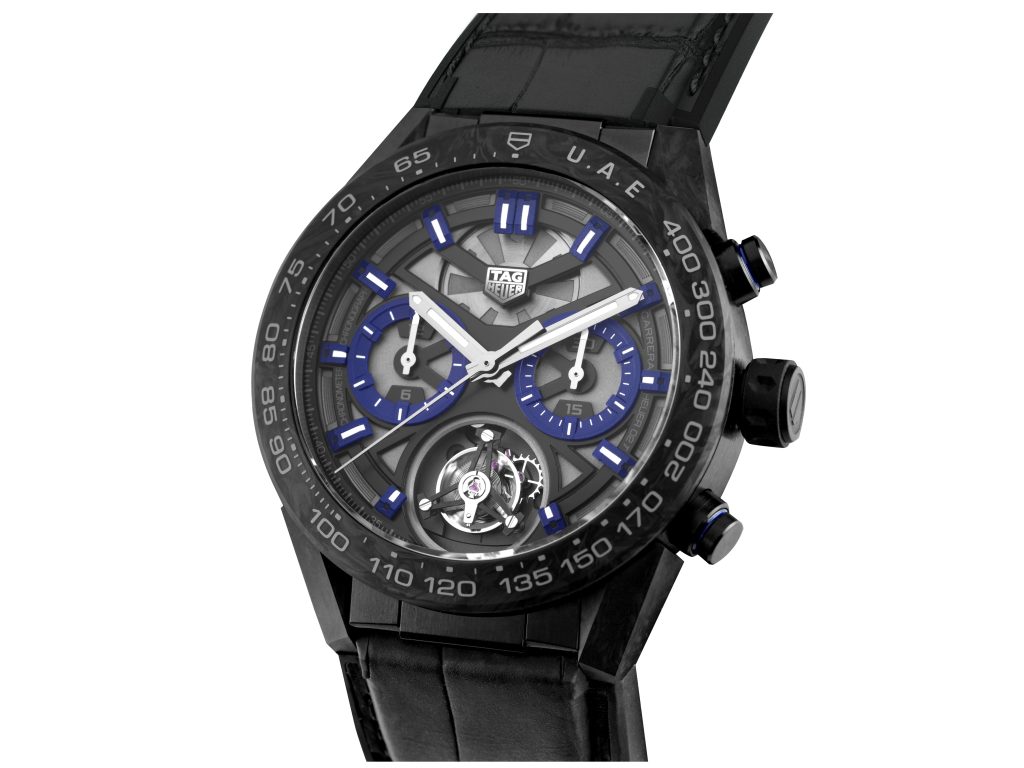
Where Tachymeters Appear On Watches
Most tachymeters are found on fixed bezels surrounding the crystal. This placement ensures clarity, durability, and immediate legibility. Some watches place the scale along the outer edge of the dial, offering a more vintage or refined aesthetic. Others hide it beneath the crystal on an inner rotating bezel, adding protection and visual depth. Regardless of location, the principle remains unchanged. The tachymeter is always tied to the chronograph seconds hand and always relies on a fixed unit of measurement. Its position may vary, but its purpose does not.
Also Read: Top Ceramic Chronographs: Where High-Tech Material Meets High-Speed Timekeeping
What Else Can A Tachymeter Measure
Although speed is its most famous application, the tachymeter can also measure productivity. If a machine produces one unit in thirty seconds, the tachymeter will indicate how many units can be produced per hour. This made tachymeters useful in factories and laboratories long before digital timers existed. However, tachymeters have limitations. They are effective only for events lasting under sixty seconds and require a known distance or quantity. This makes them impractical for everyday use in modern life. Yet their elegance lies not in convenience, but in capability.
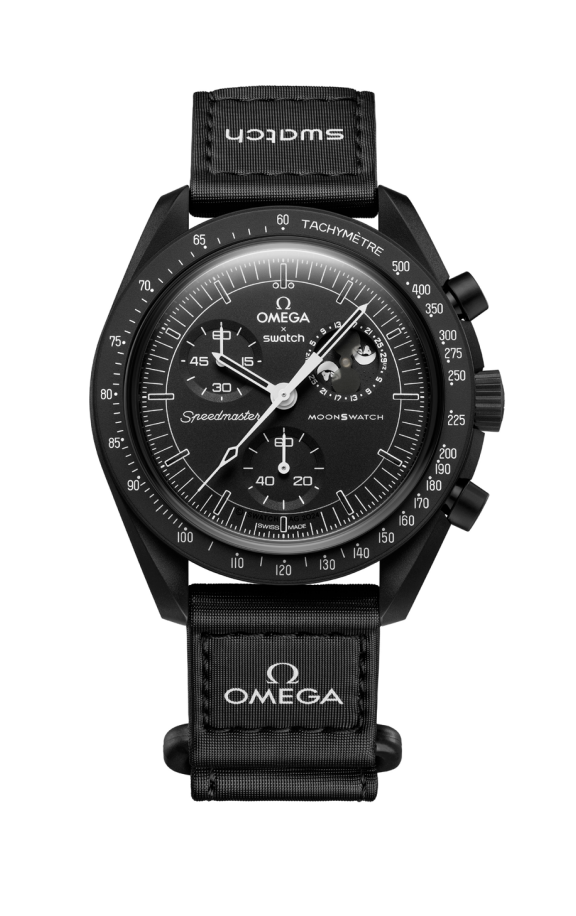
Why The Tachymeter Still Matters
Today, the tachymeter is less about calculation and more about character. It signals a watch designed with purpose, rooted in performance history. Like a manual transmission in a sports car, it may not be the fastest solution, but it is the most engaging.
Collectors appreciate tachymeters for their visual energy, heritage, and mechanical honesty. The typography, scale layout, and bezel execution often define a chronograph’s personality. Even when unused, the tachymeter tells a story of motion, ambition, and precision.