The Most Important Watch Movement From Every Country That Changed Horology Forever
From Britain's marine chronometers to Japan's everyday automatic revolution, these five legendary movements transformed the way the world measures time
Open the back of a great watch and you’ll usually hear people muttering about Geneva stripes, polished bevels and blued screws as though they’re discussing Renaissance art. They’re not entirely wrong. But every once in a while, a movement comes along that does something far more impressive than looking pretty. It changes the entire course of watchmaking. It makes rivals nervous, collectors obsessive, and engineers quietly wonder why they didn’t think of it first.
These aren’t merely engines ticking away beneath expensive dials. They are revolutions disguised as gears and springs. Some made mechanical watches affordable to millions. Others rescued centuries of craftsmanship from extinction. One was so accurate it solved a navigation crisis that once cost entire fleets of ships. Together, they prove that the heart of a watch is rarely its dial. It’s the movement quietly working beneath it, invisible to almost everyone, yet responsible for everything. These are the five calibres that became national icons and permanently altered the story of horology.
Germany — A. Lange & Söhne Calibre L951
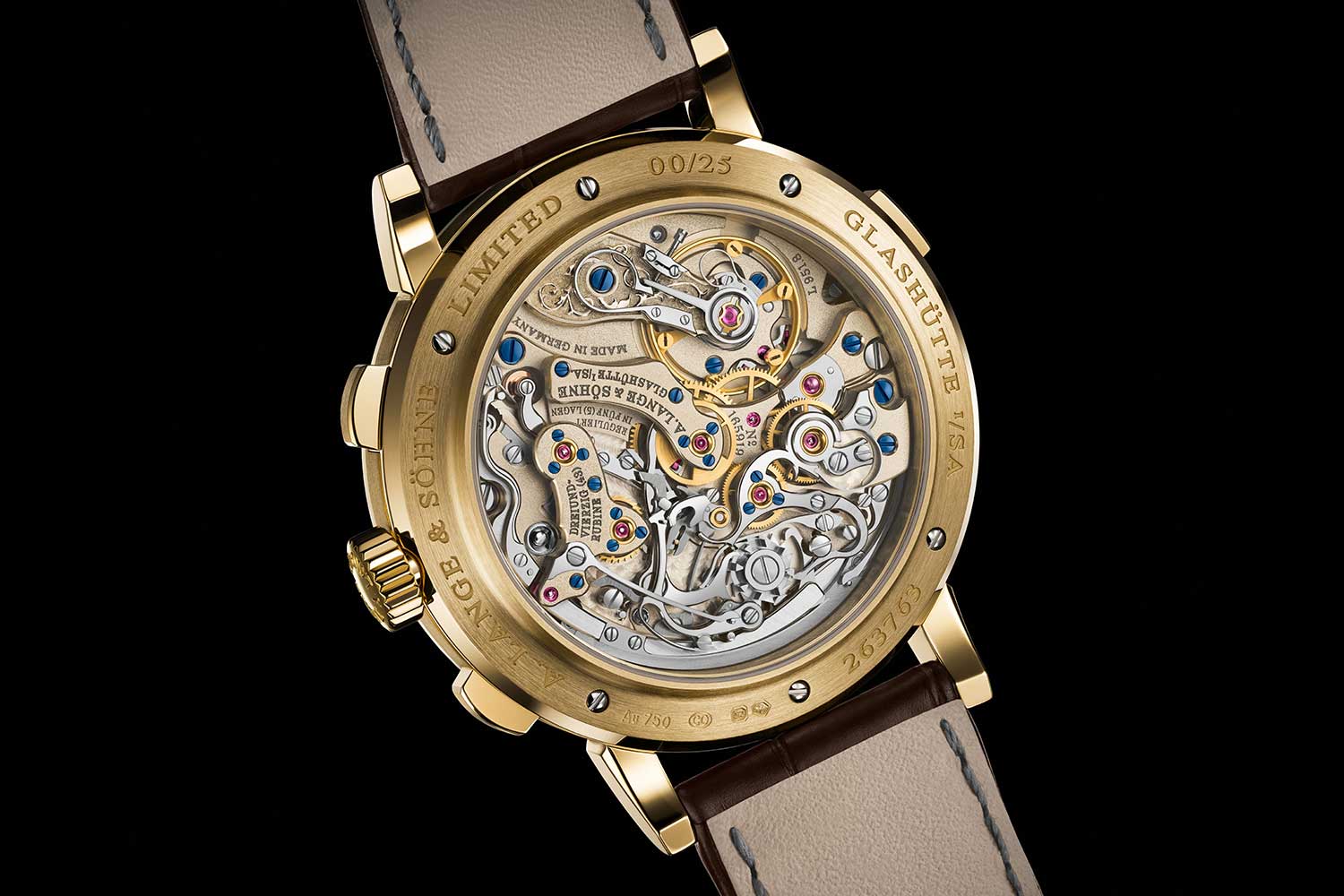
When A. Lange & Söhne returned to watchmaking after German reunification, it needed more than nostalgia. It needed a statement. The Calibre L951, introduced inside the Datograph in 1999, became exactly that. At a time when Switzerland dominated high end chronographs, Lange produced a manually wound column wheel chronograph movement that many collectors still regard as one of the finest ever created.
Technically, it was exceptional, featuring a flyback chronograph, precisely layered architecture and immaculate finishing with untreated German silver plates, hand engraved balance cock and beautifully polished steel components. More importantly, it reminded the world that German watchmaking could equal, and in some eyes surpass, the very best Switzerland had to offer.
Also Read: Jaeger-LeCoultre’s Legacy: Innovations That Shaped Modern Watches
Japan — Seiko Calibre 7S26
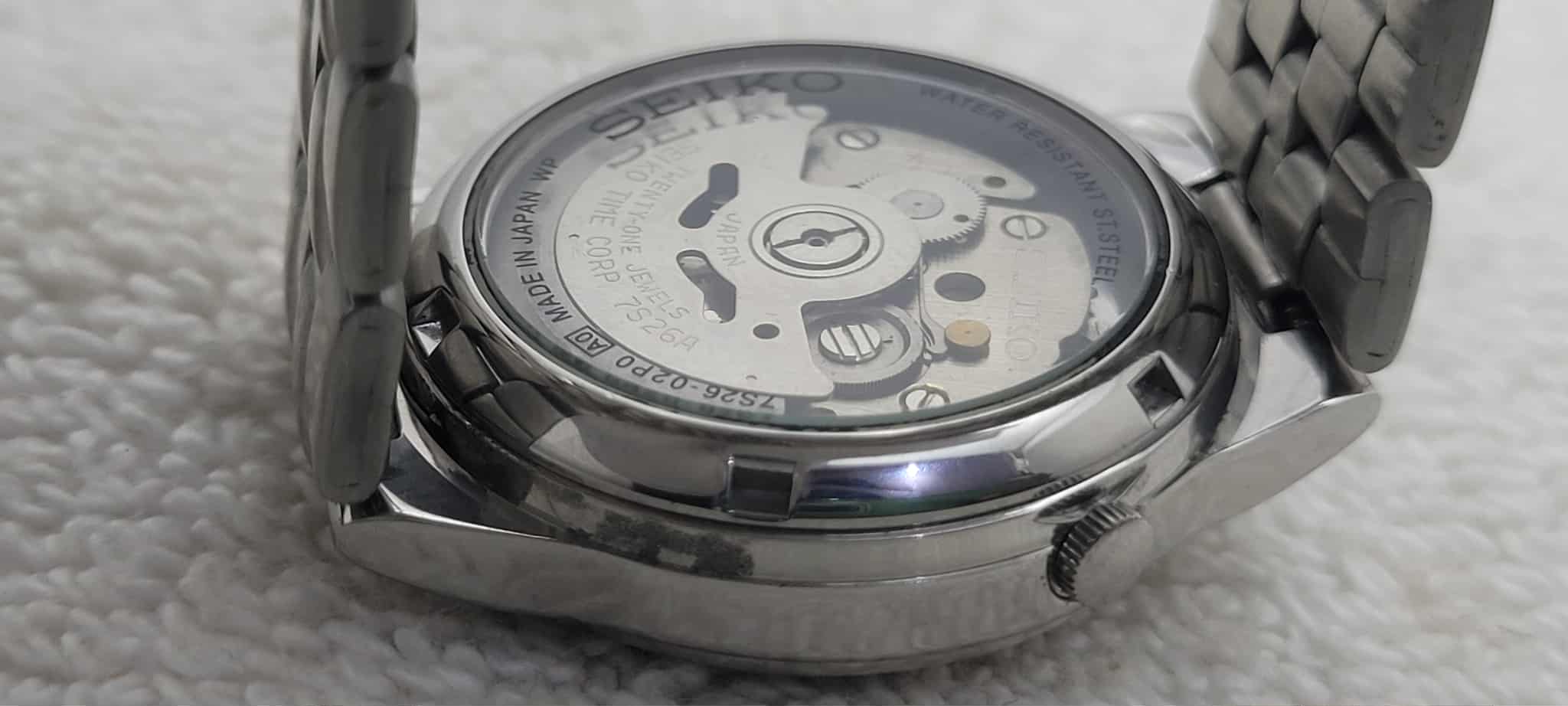
Luxury collectors often chase exotic complications, but few movements have had a greater real world impact than Seiko’s humble 7S26. Introduced in 1996, it became the dependable heart inside watches such as the Seiko SKX diver, one of the most respected affordable mechanical watches ever made. The movement deliberately sacrificed unnecessary complexity for extraordinary durability. It offered automatic winding, robust construction, minimal servicing requirements and remarkable reliability despite lacking manual winding or hacking seconds. Millions of people around the world experienced their very first mechanical watch because of the 7S26, making it arguably the most influential entry level automatic movement ever produced.
Switzerland — ETA 2824
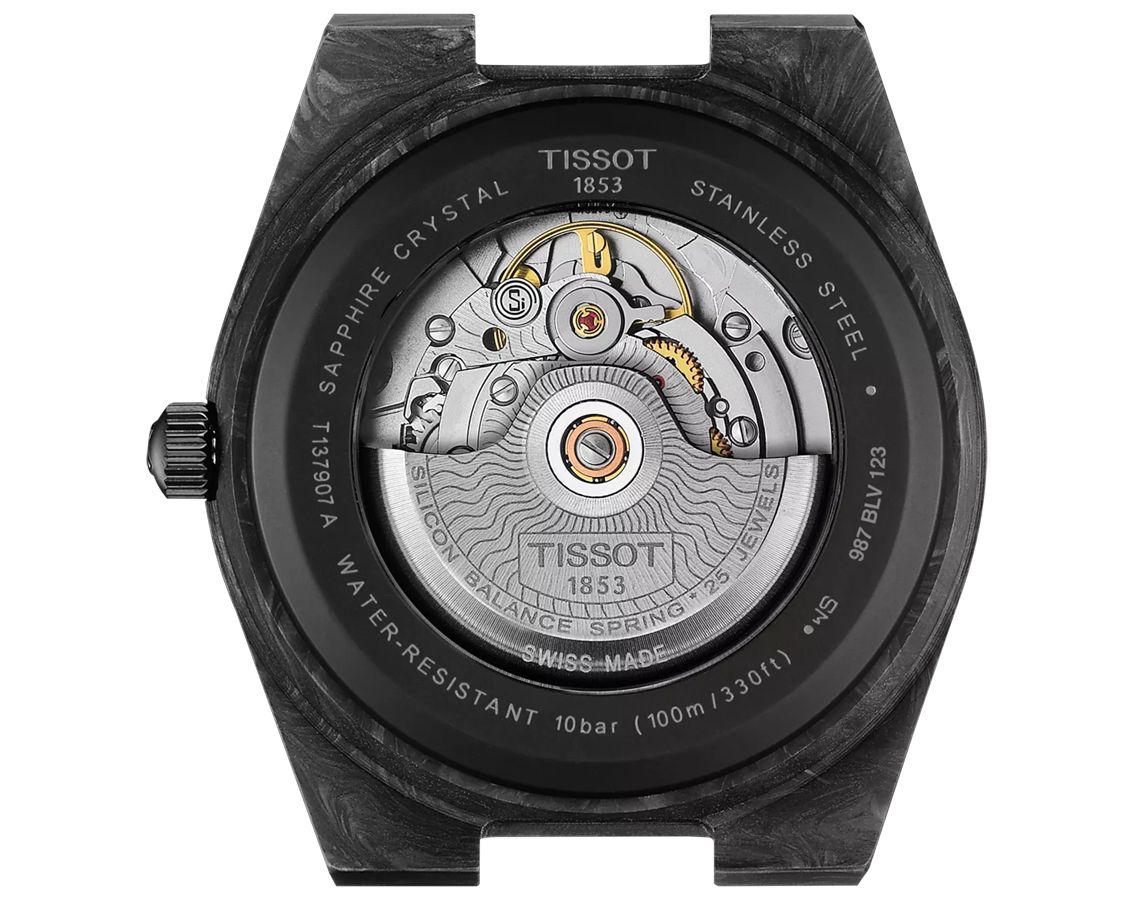
If mechanical watchmaking had a universal language, it would probably be spoken by the ETA 2824. Introduced during the 1970s, this automatic calibre quietly became the backbone of the Swiss watch industry.
Found inside countless watches from brands ranging from Tissot and Hamilton to Longines, Oris, Tudor and many independent manufacturers, the 2824 earned its reputation through astonishing reliability, ease of servicing and remarkable accuracy. Available in multiple grades, it became the benchmark against which countless automatic movements were judged. While collectors often celebrate elaborate manufacture calibres, the ETA 2824 remains the dependable workhorse that kept Swiss mechanical watchmaking alive through decades of changing tastes.
France — LIP R27
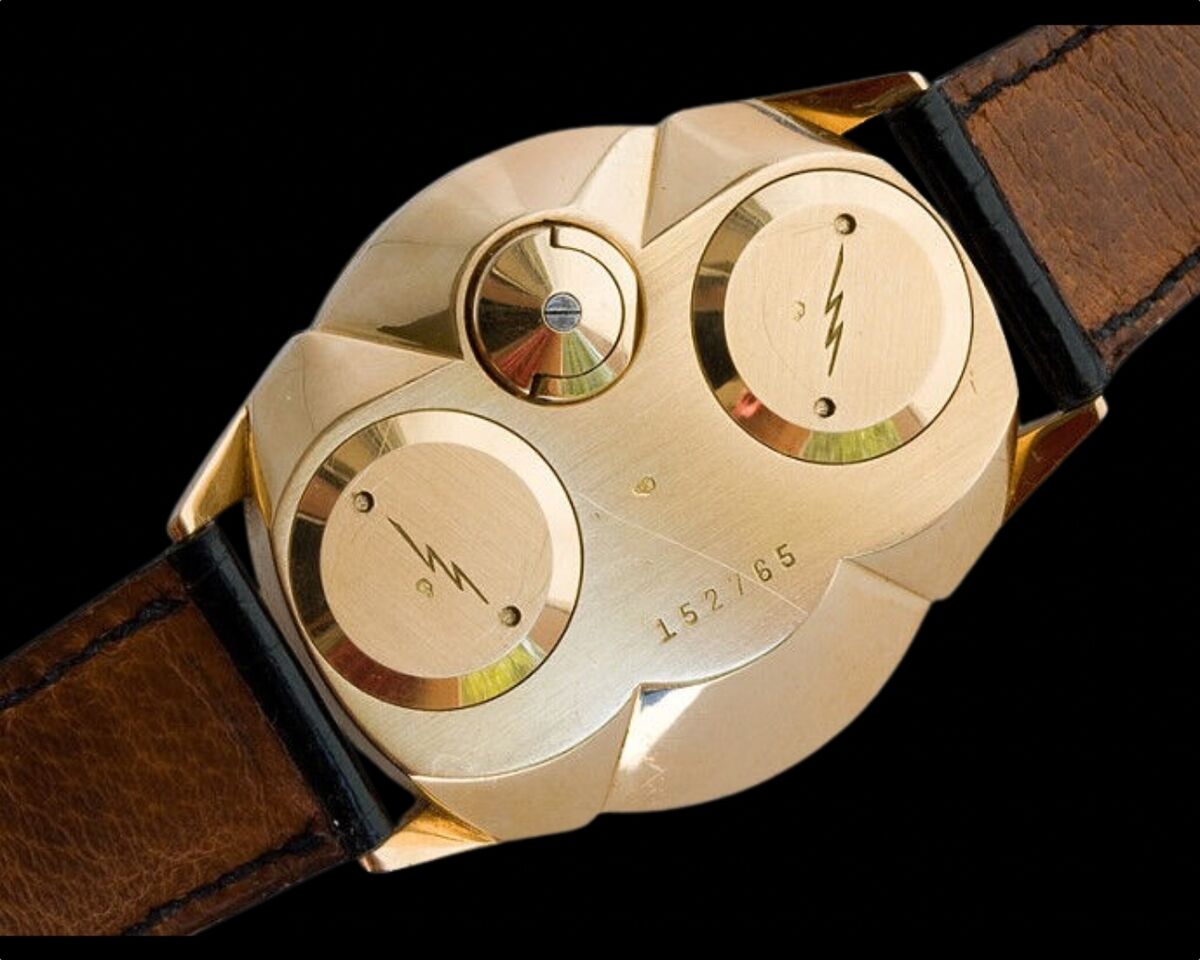
France rarely receives the credit it deserves in horology, yet the LIP R27 deserves its place among the great innovators. Released during the 1950s, it became one of the world’s first commercially successful electronic watch movements, arriving years before the quartz revolution changed everything.
Rather than relying entirely on traditional mechanics, the R27 combined a battery with an electromechanical balance system, dramatically improving accuracy while preserving much of conventional watchmaking architecture. It represented an ambitious attempt to modernise timekeeping before quartz technology ultimately dominated the industry. Today, the R27 stands as one of France’s greatest technical contributions to modern horology.
Also Read: The New Heirlooms: Why Contemporary Lockets Are Returning to Fine Jewellery
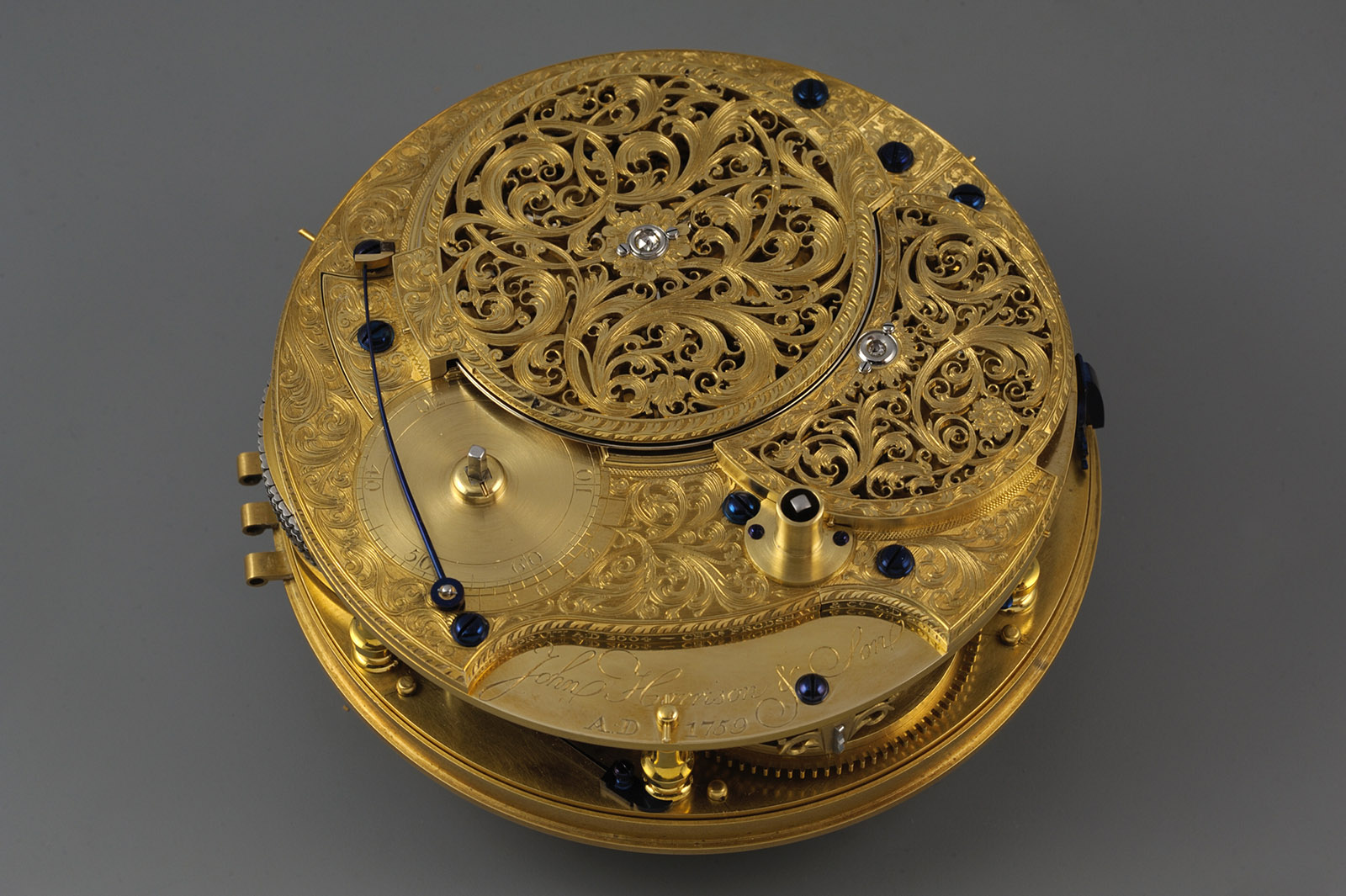
Britain — John Harrison H4
Long before wristwatches existed, there was one question nobody could answer properly. Where exactly are you at sea? Determining longitude accurately had defeated sailors, astronomers and governments for centuries until a self taught English carpenter named John Harrison quietly solved it. His H4 marine chronometer, completed in 1759, looked remarkably like an oversized pocket watch but delivered unprecedented precision during long sea voyages. By maintaining accurate time regardless of changing temperatures and rough ocean conditions, it allowed navigators to calculate longitude with extraordinary accuracy, dramatically improving maritime safety and global exploration. Many historians consider the H4 one of the most important mechanical timekeeping devices ever created because it quite literally changed the course of human history.